September 4, 2024
Hybrid Wood Bridges
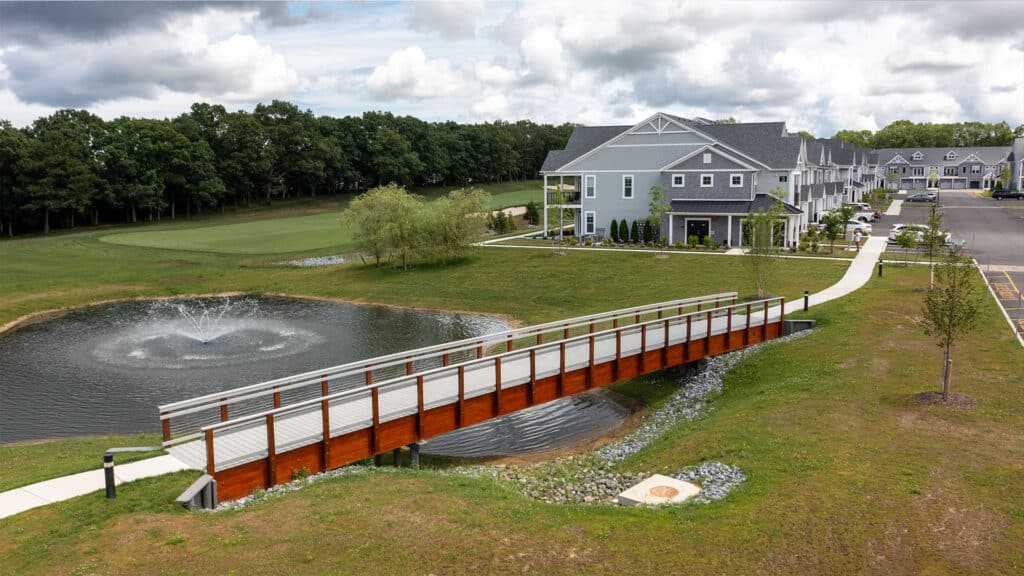
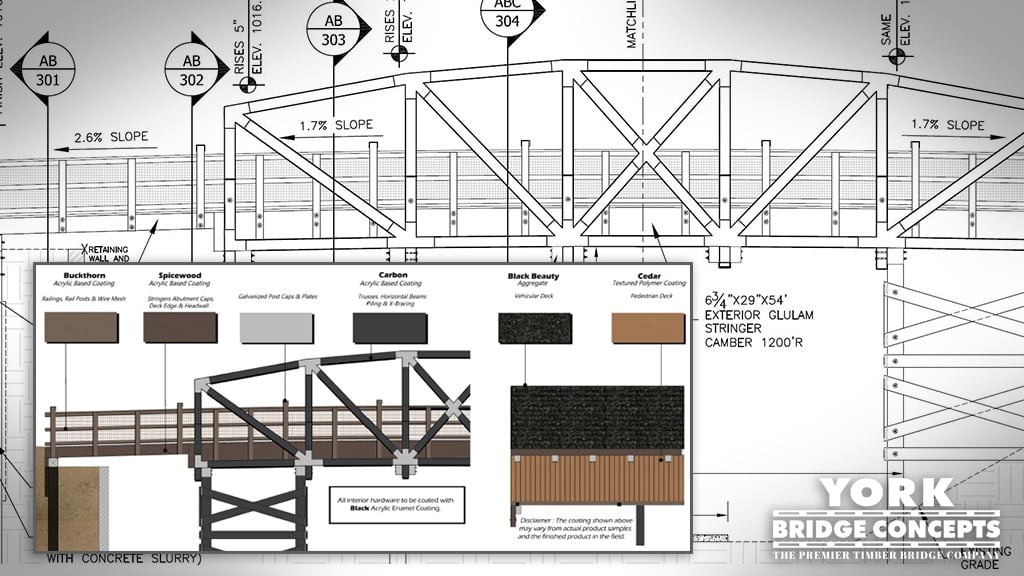
Modern bridge engineering continues to evolve, combining the timeless beauty of timber with innovative materials that enhance structural performance, durability, and long-term value. Hybrid wood bridges bring together engineered timber and complementary materials such as reinforced polymeric lumber (RPL), structural steel, concrete, premium hardwoods, and composite decking to create bridge systems that balance aesthetics with advanced engineering.
At York Bridge Concepts, hybrid wood bridges are custom engineered through our proprietary Decero™ Design Studio and delivered using our integrated Design-Engineer-Build™ process. Rather than relying on a single material throughout the structure, every bridge is designed with the most appropriate combination of materials for the project’s loading requirements, environmental conditions, architectural goals, and lifecycle expectations. This approach creates bridges that maximize performance while preserving the warmth and natural character of timber.
Since 1985, York Bridge Concepts has completed more than 9,000 custom bridges throughout North America, designing innovative bridge solutions for parks, resorts, golf courses, residential communities, municipalities, campuses, and commercial developments.
What Is a Hybrid Wood Bridge?
A hybrid wood bridge combines engineered timber with one or more complementary structural or architectural materials to optimize the bridge’s overall performance.
Depending on the project, hybrid bridge systems may incorporate:
- Reinforced Polymeric Lumber (RPL)
- Structural steel
- Reinforced concrete
- Premium hardwood wear decks
- Composite decking
- Stainless steel hardware
- Decorative architectural railing systems
- Glulam timber beams
Each material is selected because it contributes specific structural, environmental, or maintenance advantages while preserving the visual appeal of heavy timber construction.
Why Choose a Hybrid Bridge?
Hybrid bridge systems allow engineers to tailor each bridge to the project’s unique requirements.
Benefits include:
- Increased structural capacity
- Longer achievable spans
- Enhanced durability
- Improved resistance to moisture and environmental exposure
- Reduced maintenance requirements
- Greater design flexibility
- Premium architectural appearance
- Sustainable use of renewable timber
Rather than replacing timber, hybrid engineering allows timber to perform alongside complementary materials where they provide the greatest benefit.
Designed Through the Decero™ Design Studio
Every hybrid bridge begins in the Decero™ Design Studio, where engineers evaluate both the site and the operational requirements before determining the most appropriate material combinations.
Our engineering process considers:
- Structural loading
- Span length
- Environmental exposure
- Hydrology
- Foundation conditions
- Material compatibility
- Architectural vision
- Maintenance objectives
- Budget considerations
- Long-term lifecycle performance
Because no two bridge sites are identical, every hybrid bridge is engineered specifically for its intended application.
Applications Across Multiple Markets
Hybrid wood bridges are suitable for a broad range of public and private infrastructure projects.
Common applications include:
- Pedestrian bridges
- Vehicular bridges
- Golf cart bridges
- Community entrance bridges
- Elevated boardwalks
- Parks and recreation
- Resorts
- Universities
- Corporate campuses
- Mixed-use developments
- Waterfront properties
- Municipal infrastructure
Hybrid systems provide engineers with additional flexibility while maintaining the natural appearance expected of timber bridges.
Engineered for Modern Load Requirements
Hybrid bridge systems can be engineered for numerous loading conditions.
Typical design criteria include:
- Pedestrian loading
- Bicycle traffic
- Golf cart traffic
- Maintenance vehicles
- 5-Ton GVW
- H-Series loading
- HS20-44 loading
- HL-93 loading
- Project-specific engineering requirements
Every bridge is custom engineered according to owner requirements and applicable design criteria.
Materials That Work Together
One of the defining characteristics of hybrid bridges is thoughtful material selection.
York Bridge Concepts commonly integrates materials such as:
Engineered Timber
Pressure-treated Southern Yellow Pine and Douglas Fir glulam provide the primary structural framework while delivering warmth, strength, and architectural appeal.
Reinforced Polymeric Lumber (RPL)
RPL offers exceptional durability in demanding environments and is frequently incorporated where enhanced resistance to moisture and wear is desirable. Because it is manufactured using recycled materials, it can also contribute to sustainable infrastructure goals.
Premium Hardwood Wear Decks
Species such as Ipe may be specified as vehicular wear decks where exceptional abrasion resistance and long-term durability are priorities.
Composite Decking
Composite deck systems provide low-maintenance walking surfaces for many pedestrian and recreational bridge applications.
Steel Components
Structural steel may be incorporated into specific bridge elements where increased strength, longer spans, or specialized engineering solutions are required.
Sustainable Infrastructure Through Hybrid Design
Hybrid engineering supports sustainability by using each material where it performs best, reducing unnecessary material use while maximizing service life.
Whenever practical, York Bridge Concepts also utilizes its proprietary Top-Down (Deck-Level) Construction™ methodology, allowing construction to advance from the completed bridge deck rather than requiring heavy equipment to operate throughout wetlands, streams, or other environmentally sensitive areas.
This approach helps:
- Protect wetlands
- Preserve native vegetation
- Reduce soil compaction
- Minimize erosion and sedimentation
- Maintain natural drainage
- Reduce environmental disturbance
Combining renewable timber with carefully selected complementary materials creates bridge systems that support both performance and environmental stewardship.
Featured Hybrid Bridge Applications
York Bridge Concepts has incorporated hybrid engineering principles into numerous projects throughout North America.
Representative applications include:
Trump National Doral Golf Club — Florida
Custom golf cart bridge systems utilizing hybrid engineering concepts to provide long-term durability while complementing the architectural character of one of the country’s premier golf destinations.
Resort Communities
Hybrid bridge systems combining timber with premium decking materials create elegant infrastructure that enhances guest experiences while reducing long-term maintenance.
Master-Planned Communities
Developers frequently specify hybrid bridge systems to combine architectural beauty with enhanced structural performance and lifecycle value.
These examples demonstrate how hybrid engineering can adapt to a wide range of environments while preserving the timeless appeal of timber construction.
Why Choose York Bridge Concepts?
For more than 40 years, York Bridge Concepts has specialized exclusively in custom timber bridge engineering and construction. Through our integrated Design-Engineer-Build™ process, we evaluate every bridge as a complete structural system, selecting the optimal combination of timber and complementary materials to satisfy the project’s unique requirements.
With more than 9,000 custom bridges completed throughout North America, York Bridge Concepts has extensive experience delivering hybrid wood bridge solutions that balance structural performance, sustainability, architectural excellence, and long-term value. Whether your project involves a pedestrian bridge, vehicular bridge, golf cart crossing, resort development, or municipal infrastructure, our team designs hybrid bridge systems engineered to perform for generations.
- All
- Alabama
- Architectural-Design
- Arizona
- Avenue Collection
- Boardwalks
- Bridge Education
- Bridge Types
- California
- Case Study
- Classic
- Colorado
- Commercial Bridges
- Community Designed Projects
- Connecticut
- Construction Techniques for Wood Bridges
- Contemporary Series
- Covered Bridges
- Culvert vs Bridge
- Delaware
- Eco-Tourism Bridges
- Environmental Benefits of Wooden Bridges
- Environmental Mitigation
- Extreme Grades
- Featured
- Floodplain
- Florida
- Free Span Bridge
- Georgia
- Golf Cart Bridge Designs
- Golf Cart Bridges
- Idaho
- Illinois
- International
- Lakes
- Locations
- Louisiana
- Maine
- Maryland
- Massachusetts
- Master Planned Community
- Michigan
- Missouri
- Mixed-Use Development
- Montana
- Multiple Crossings
- Multiple Span
- New Hampshire
- New Jersey
- New York
- North Carolina
- Ohio
- Oklahoma
- Overpasses
- Pedestrian Bridge Designs
- Pedestrian Bridges
- Pennsylvania
- Popular Articles
- Prefabricated Bridges For Sale
- Private Collection
- Repetitive Span
- Retail Developments
- Short Span Timber Bridges
- South Carolina
- Span Types
- Streams
- Tennessee
- Texas
- The LiNK
- Timber Bridge Designs
- Timber vs Steel
- Types of Wood Bridges
- Uncategorized
- Vehicular Bridge Designs
- Vehicular Bridges
- Virginia
- Waterside Collection
- West Virginia
- Wetland Conservation Conservation Bridges

November 15, 2023