June 18, 2018


From its thoughtful design to its seamless integration with the natural surroundings, the Coco Plum Public Pedestrian Bridge is a prime example of how infrastructure can enhance both safety and beauty.


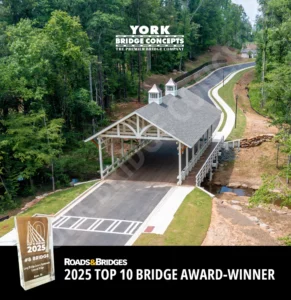
Modern communities are designed around connectivity. Whether linking neighborhoods, parks, schools, commercial districts, or public gathering spaces, sidewalks play an essential role in creating safe, walkable environments. When those pathways encounter streams, wetlands, lakes, roadways, or changes in elevation, custom timber bridges provide a seamless extension of the sidewalk while enhancing the surrounding landscape.
At York Bridge Concepts, we design and construct custom timber bridges that integrate naturally with sidewalks, pedestrian pathways, multi-use trails, and urban greenways. Every bridge is engineered to provide safe, durable, and aesthetically pleasing connections that improve accessibility while complementing the character of the community.
A sidewalk bridge is more than a crossing—it creates uninterrupted pedestrian circulation that encourages walking, cycling, and outdoor recreation. By eliminating barriers between destinations, custom timber bridges improve accessibility and help communities create more connected public spaces.
Common sidewalk bridge applications include:
These bridges create continuous pedestrian routes while adding architectural character to the surrounding environment.
Every York Bridge Concepts pedestrian bridge is custom engineered to support safe and comfortable pedestrian travel. Designs can accommodate:
Bridge widths, railing systems, deck materials, and structural components are selected based on the project’s intended use, anticipated traffic, and applicable design requirements.
Walkable communities are increasingly recognized for improving quality of life, encouraging healthy lifestyles, and increasing property value. Custom timber bridges strengthen pedestrian infrastructure by connecting amenities that might otherwise be separated by natural or man-made obstacles.
Typical destinations connected by sidewalk bridges include:
Rather than interrupting the pedestrian experience, a timber bridge becomes an attractive focal point that encourages exploration and outdoor activity.
Every sidewalk bridge is designed specifically for its location. York Bridge Concepts evaluates:
This site-specific engineering ensures each bridge integrates seamlessly into both the built environment and the surrounding landscape.
Many sidewalk bridge projects occur in environmentally sensitive or heavily developed areas where minimizing construction impacts is essential. York Bridge Concepts utilizes its proprietary Top-Down (Deck-Level) Construction™ methodology whenever practical, allowing crews to construct bridges from the completed deck instead of bringing heavy equipment through waterways, wetlands, or landscaped areas.
This innovative approach can help:
By combining custom engineering with environmentally responsible construction practices, York Bridge Concepts creates pedestrian infrastructure that benefits both communities and the environment.
Unlike conventional pedestrian crossings, timber bridges introduce warmth, texture, and architectural character into public spaces. Available customization options include:
These design elements allow every bridge to complement surrounding architecture while creating an inviting public space.
York Bridge Concepts has designed bridges that extend sidewalks and pedestrian pathways throughout parks, master-planned communities, and recreational developments. Projects such as the Carrollwood Village Park Pedestrian Bridge demonstrate how a timber bridge can connect trails, sidewalks, and community amenities while becoming a visual centerpiece of the park. The nearly 500-foot bridge links recreational areas with minimal environmental disturbance through deck-level construction.
For more than 40 years, York Bridge Concepts has specialized exclusively in custom timber bridge engineering and construction. With more than 9,000 custom bridges completed throughout North America, our team partners with municipalities, developers, landscape architects, engineers, and park districts to create pedestrian infrastructure that improves connectivity while enhancing the places where people live, work, and gather.
Whether extending a neighborhood sidewalk, connecting a trail network, or creating a signature pedestrian crossing within a mixed-use development, York Bridge Concepts delivers custom timber bridge solutions designed for safety, sustainability, and lasting architectural appeal.
This website uses cookies
We use cookies to personalise content and ads, to provide social media features and to analyse our traffic. We also share information about your use of our site with our social media, advertising and analytics partners who may combine it with other information that you’ve provided to them or that they’ve collected from your use of their services.
Cookies are small text files that can be used by websites to make a user's experience more efficient.
The law states that we can store cookies on your device if they are strictly necessary for the operation of this site. For all other types of cookies we need your permission. This means that cookies which are categorized as necessary, are processed based on GDPR Art. 6 (1) (f). All other cookies, meaning those from the categories preferences and marketing, are processed based on GDPR Art. 6 (1) (a) GDPR.
This site uses different types of cookies. Some cookies are placed by third party services that appear on our pages.
You can at any time change or withdraw your consent from the Cookie Declaration on our website.
Learn more about who we are, how you can contact us and how we process personal data in our Privacy Policy.
Please state your consent ID and date when you contact us regarding your consent.