Timber Boardwalk

Connecting Communities With Nature

Timber Boardwalk Construction: Sustainable Infrastructure by York Bridge Concepts

December 16, 2024
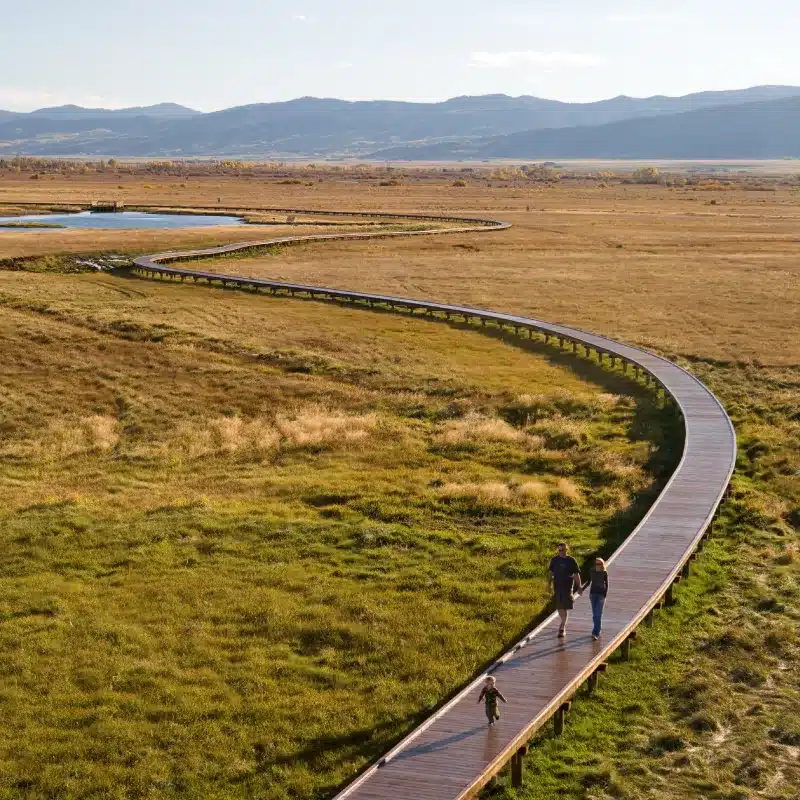
Huntsman Springs Boardwalk in Driggs, Idaho
Crafting Wetland Boardwalks: York Bridge Concepts’ Commitment to Sustainability
York Bridge Concepts’ wetland boardwalks are a testament to our dedication to sustainability, innovation, and craftsmanship. Our unique Deck-Level Construction method ensures that no heavy equipment disturbs pristine wetlands, allowing us to create structures that protect the environment while providing safe, durable access for visitors.

Why Timber Boardwalks Are Ideal for Natural Environments

The popularity of the timber boardwalk stems from its ability to balance infrastructure needs with ecological responsibility. Unlike traditional concrete or asphalt pathways, timber boardwalks provide elevated access that minimizes ground disturbance while maintaining durability and longevity.

In environmentally sensitive areas such as wetlands and floodplains, traditional construction methods can disrupt soil composition, alter water flow, and damage vegetation. Timber boardwalks address these challenges by elevating pathways above the landscape, allowing water, wildlife, and plant life to continue functioning naturally beneath the structure.

The natural aesthetic of timber also blends seamlessly with surrounding landscapes. Wood structures complement forests, wetlands, and coastal environments far more effectively than steel or concrete alternatives. This visual harmony enhances visitor experiences while preserving the character of the environment.

Beyond aesthetics, timber boardwalks offer significant sustainability benefits. Sustainably harvested wood products store carbon, reducing the overall environmental footprint of construction projects. When combined with modern protective coatings and engineered timber components, these structures provide both longevity and environmental performance.

Engineering the Modern Timber Boardwalk

While timber boardwalks may appear simple from a distance, they are sophisticated structural systems that require careful engineering and precise construction techniques.

Every timber boardwalk must account for a wide range of structural considerations, including loading conditions, soil characteristics, environmental exposure, and accessibility requirements.

At York Bridge Concepts, each timber boardwalk begins with a comprehensive engineering analysis. Structural engineers evaluate anticipated pedestrian loads, maintenance vehicle loads, and environmental forces such as wind, flooding, and tidal fluctuations.

Every timber boardwalk must account for a wide range of structural considerations, including loading conditions, soil characteristics, environmental exposure, and accessibility requirements.

At York Bridge Concepts, each timber boardwalk begins with a comprehensive engineering analysis. Structural engineers evaluate anticipated pedestrian loads, maintenance vehicle loads, and environmental forces such as wind, flooding, and tidal fluctuations.

These engineering considerations influence key design elements including:

Structural framing systems
Pile foundations or helical anchors
Decking materials
Guardrail systems
Elevation requirements

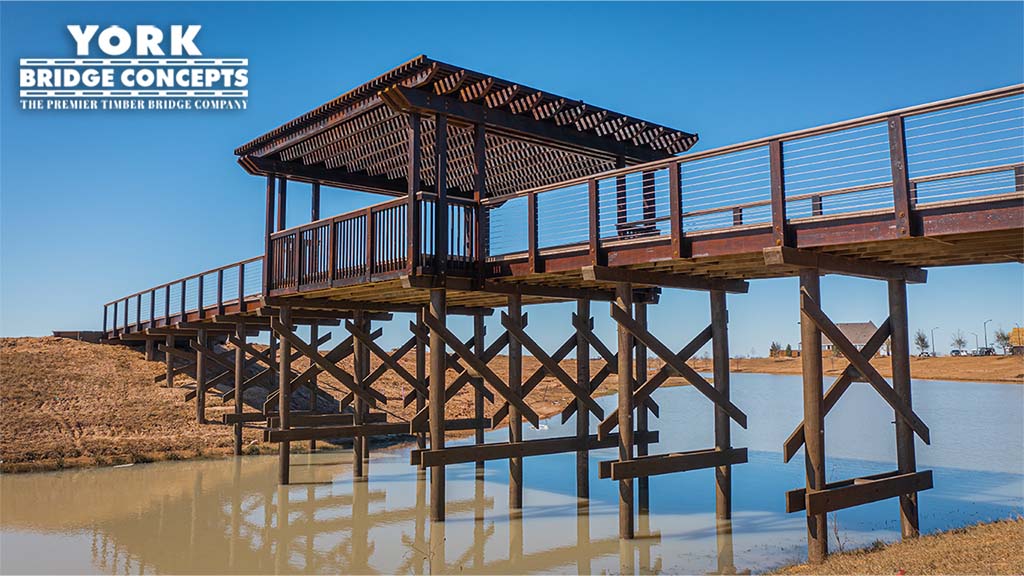
A properly engineered timber boardwalk distributes loads efficiently through a system of beams, joists, and decking components. The structural design ensures that each element works together to create a stable and durable pathway capable of serving communities for decades.

YBC’s proprietary Deck-Level Construction methodology further enhances the structural integrity and environmental sensitivity of timber boardwalks. This top-down construction approach allows crews to build from the deck level rather than disturbing the ground below, significantly reducing environmental impact.

Sustainable Materials in Timber Boardwalk Construction

Sustainability has become a defining characteristic of modern infrastructure, and timber boardwalks represent one of the most environmentally responsible solutions available.


York Bridge Concepts utilizes sustainably sourced Southern Yellow Pine and other durable timber species to construct boardwalk structures that provide both strength and longevity. These materials are carefully selected for their structural properties, resistance to environmental conditions, and long-term performance.

To enhance durability, timber components are often treated or coated with protective finishes designed to resist moisture, ultraviolet exposure, and biological deterioration. These coatings extend the lifespan of the timber boardwalk while maintaining the natural beauty of the wood.

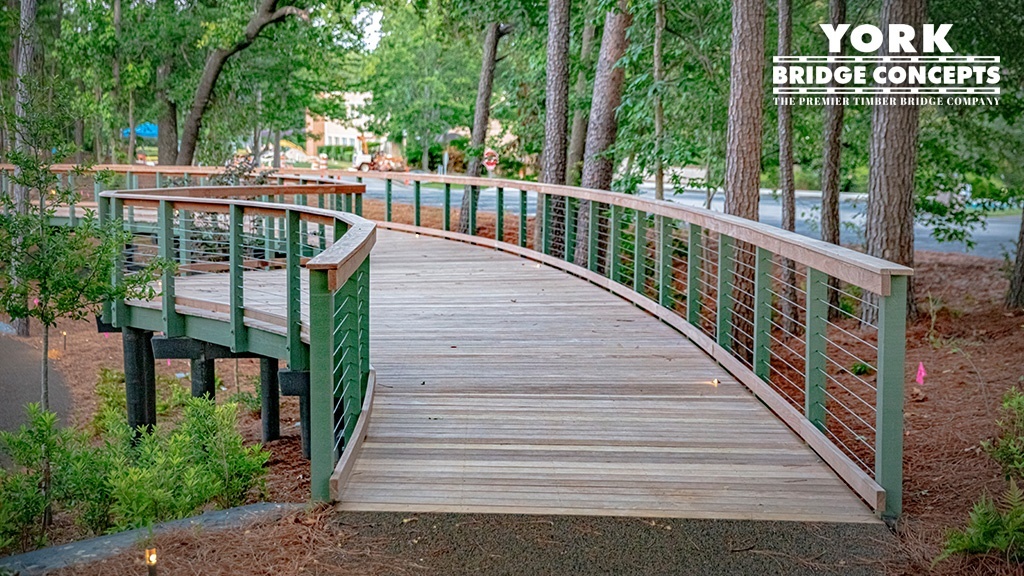
In many projects, timber framing is paired with composite decking or tropical hardwood wear surfaces, creating a hybrid system that combines structural timber with durable walking surfaces. This approach maximizes longevity while maintaining the visual warmth and natural character of a timber boardwalk.


The use of renewable materials also contributes to reduced embodied carbon compared to steel and concrete alternatives. Timber naturally stores carbon absorbed during the tree’s growth cycle, making timber infrastructure an important component of sustainable construction strategies.

Timber Boardwalks in Wetland Environments

Wetlands represent some of the most ecologically valuable ecosystems on the planet. They provide natural flood control, filter pollutants from water systems, and serve as critical habitats for countless plant and animal species.

However, wetlands are also highly sensitive to disturbance. Traditional construction methods can compact soils, alter water flow, and disrupt delicate vegetation patterns.

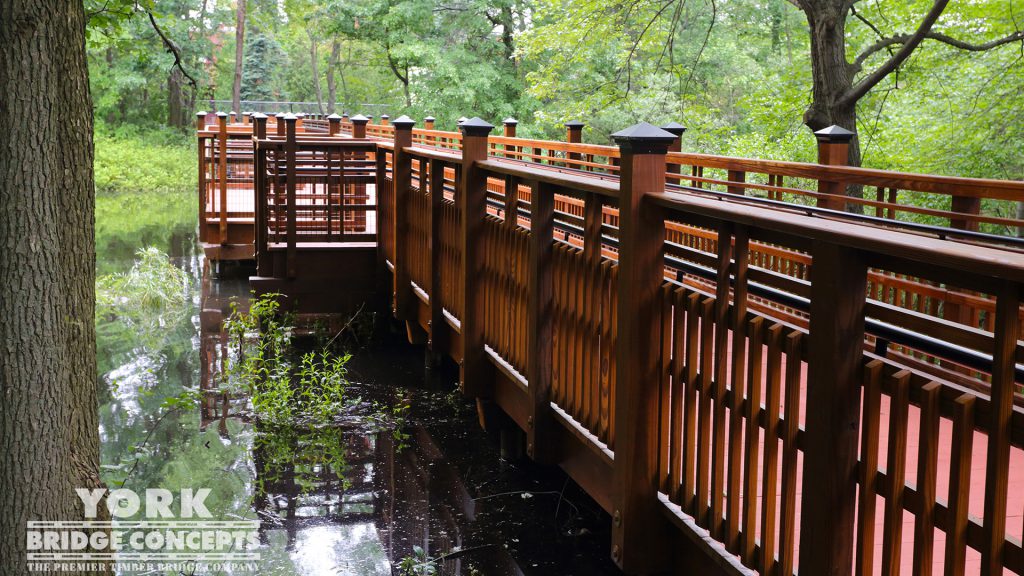
The timber boardwalk provides an ideal solution for these environments. By elevating pathways above the wetland surface, timber boardwalks allow water, plants, and wildlife to continue functioning naturally beneath the structure.

York Bridge Concepts frequently designs timber boardwalks specifically for wetland environments, incorporating engineering strategies that minimize environmental impact. These strategies may include shallow foundations, carefully spaced piling systems, and construction techniques that avoid heavy equipment within sensitive areas.

The result is infrastructure that provides public access while protecting the integrity of the wetland ecosystem.

Timber Boardwalks for Parks and Recreation

Public parks and recreational areas increasingly rely on timber boardwalks to enhance accessibility while preserving natural landscapes.

Elevated boardwalks allow visitors to explore forests, marshes, rivers, and coastal areas without damaging sensitive terrain.

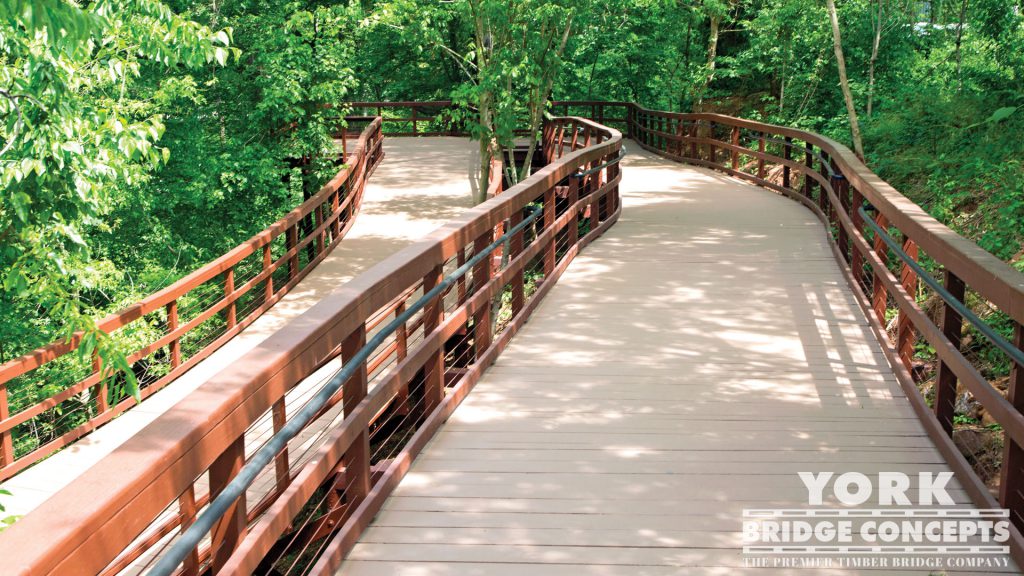
In many parks, timber boardwalks serve as the backbone of trail systems. They connect trailheads to scenic viewpoints, educational signage, observation decks, and wildlife viewing areas.

These structures also play a crucial role in accessibility. Timber boardwalks can be designed to comply with ADA accessibility standards, ensuring that visitors of all mobility levels can experience natural environments safely and comfortably.

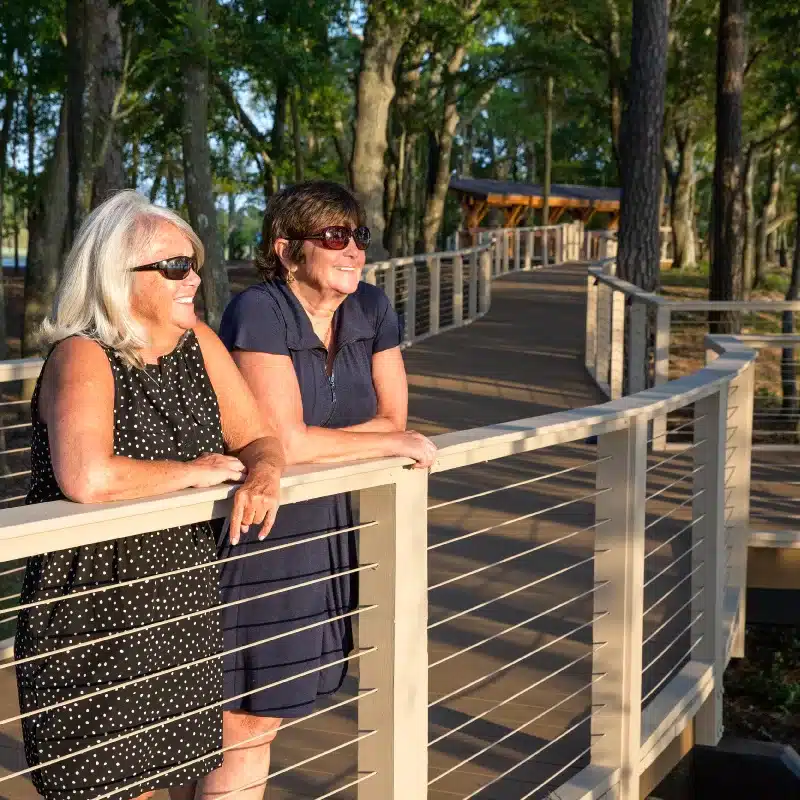
The visual warmth of timber structures enhances the recreational experience. Visitors often feel more connected to nature when walking along a wooden boardwalk compared to conventional paved trails.

York Bridge Concepts has designed and constructed timber boardwalks for numerous parks and recreation areas, helping communities create engaging outdoor spaces that encourage exploration and environmental appreciation.

Waterfront Timber Boardwalks

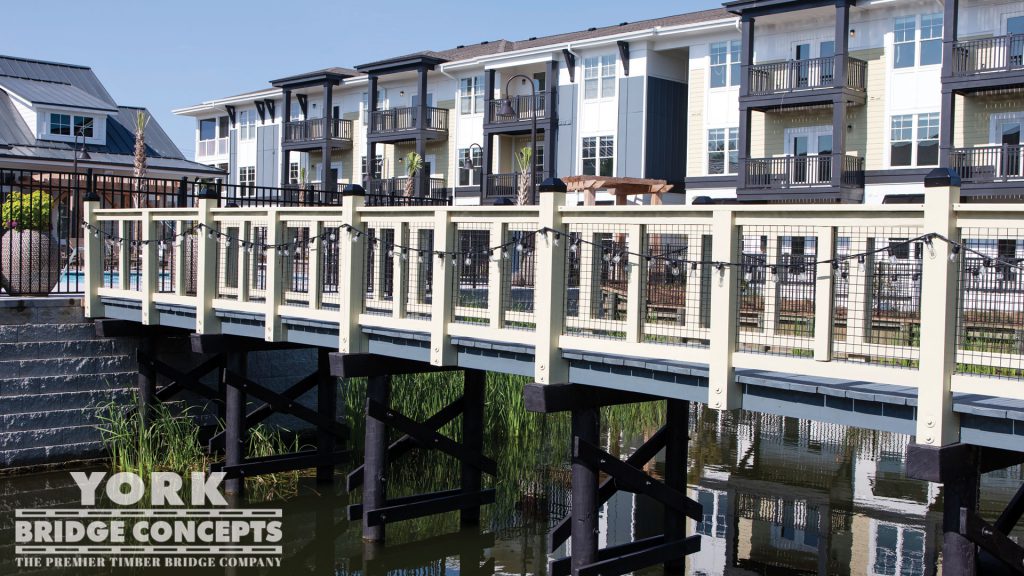
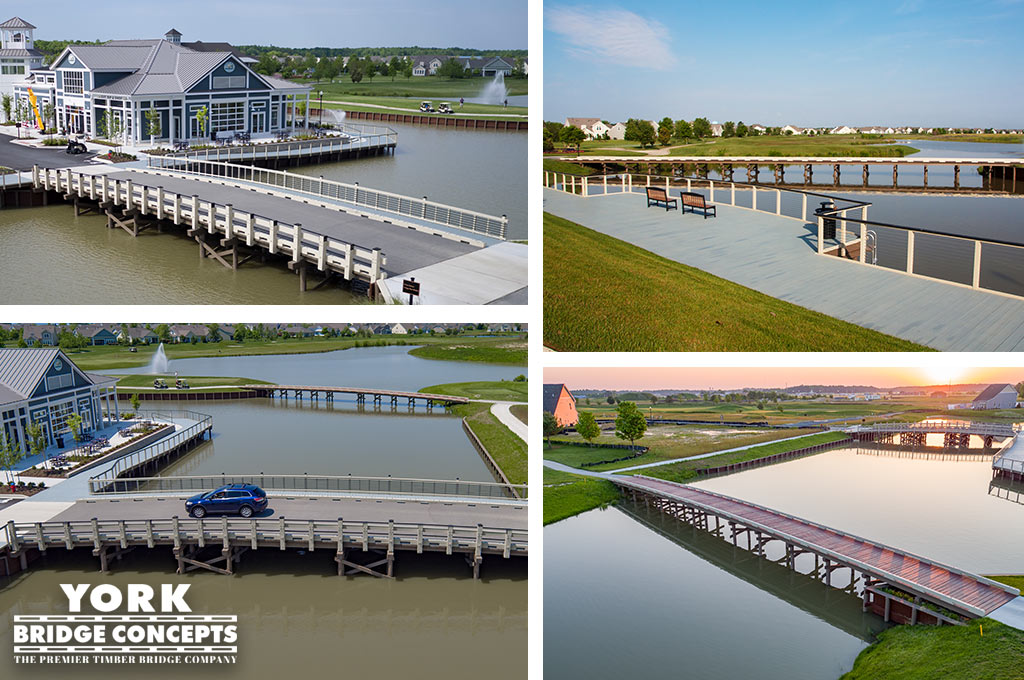
Coastal communities and waterfront developments often utilize timber boardwalks as both functional infrastructure and iconic public spaces.

These structures provide safe access along shorelines, rivers, and lakes while creating vibrant gathering areas for residents and visitors.

Waterfront timber boardwalks must withstand unique environmental challenges including saltwater exposure, tidal fluctuations, and high humidity. Engineering these structures requires specialized knowledge of marine environments and corrosion-resistant materials.

York Bridge Concepts addresses these challenges through careful material selection and structural design. Stainless-steel connectors, marine-grade coatings, and durable decking materials ensure that timber boardwalks perform reliably even in demanding coastal environments.

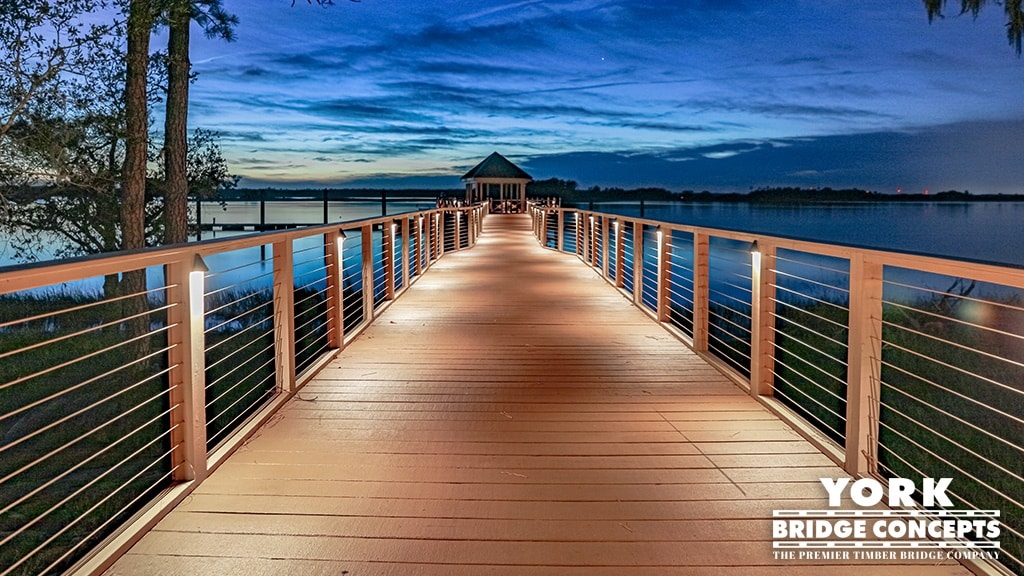
Waterfront boardwalks often become defining features of communities. They support tourism, recreational activities, and local businesses while creating memorable experiences along the water’s edge.

The Design-Engineer-Build Approach

A defining characteristic of York Bridge Concepts is the company’s integrated Design-Engineer-Build methodology, which streamlines the entire timber boardwalk development process.

Traditional infrastructure projects often involve multiple firms responsible for design, engineering, and construction. This fragmented approach can lead to miscommunication, delays, and cost overruns.

York Bridge Concepts integrates these disciplines into a single cohesive process. Architects, engineers, and construction professionals collaborate from the earliest stages of a project, ensuring that each timber boardwalk is optimized for structural performance, environmental compatibility, and aesthetic appeal.

This integrated approach allows projects to move more efficiently from concept to completion while maintaining the highest standards of quality and craftsmanship.

Timber Boardwalk Longevity & Durability

One of the most common questions surrounding timber infrastructure concerns longevity. Modern timber boardwalks are engineered to provide decades of reliable service when designed and maintained properly.

York Bridge Concepts structures are designed with a 75+ year design lifespan, supported by durable materials, protective coatings, and advanced engineering practices.

Key factors contributing to the longevity of timber boardwalks include:

• Structural design that prevents water accumulation
• Protective coatings that resist environmental exposure
• High-quality fasteners and connectors
• Durable decking materials

Proper inspection and maintenance programs further extend the lifespan of timber boardwalk infrastructure, ensuring that communities continue benefiting from these structures for generations.

Timber Boardwalks & Environmental Stewardship

Environmental stewardship lies at the heart of timber boardwalk construction. These structures allow communities to enjoy natural landscapes while minimizing ecological disruption.

By elevating pathways above sensitive terrain, timber boardwalks protect vegetation and wildlife habitats. They also prevent soil erosion and maintain natural water flow patterns.

In many projects, boardwalks incorporate educational signage that informs visitors about the surrounding ecosystem. This combination of access and education fosters a deeper appreciation for environmental conservation.

York Bridge Concepts works closely with environmental agencies, landscape architects, and conservation organizations to ensure that each timber boardwalk project aligns with environmental best practices.

Custom Design & Architectural Integration

Every timber boardwalk project presents unique challenges and opportunities.

Site conditions, environmental factors, and community goals all influence the final design.

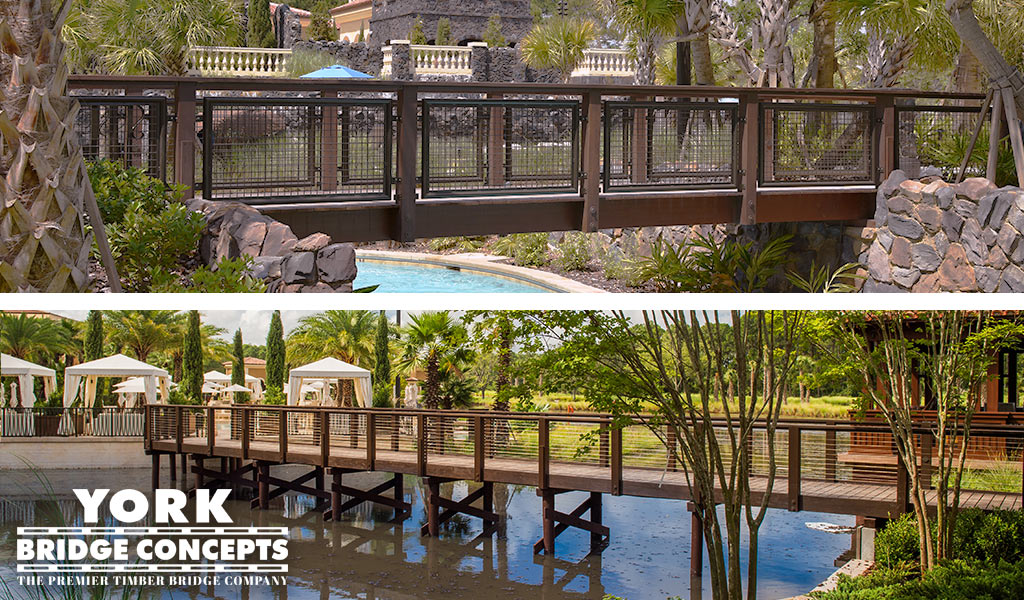
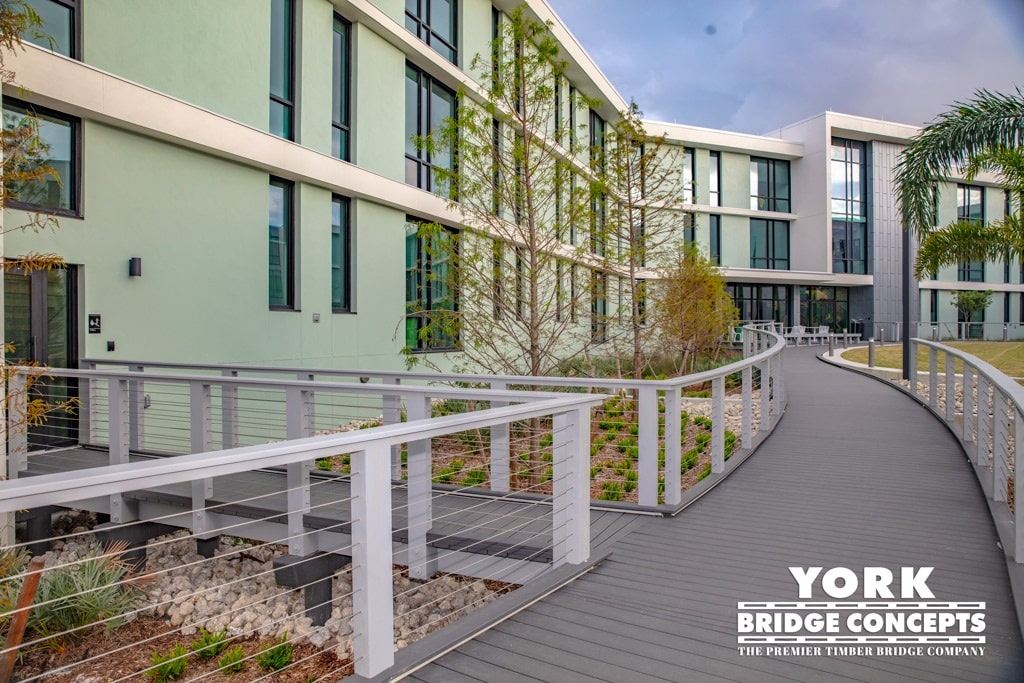
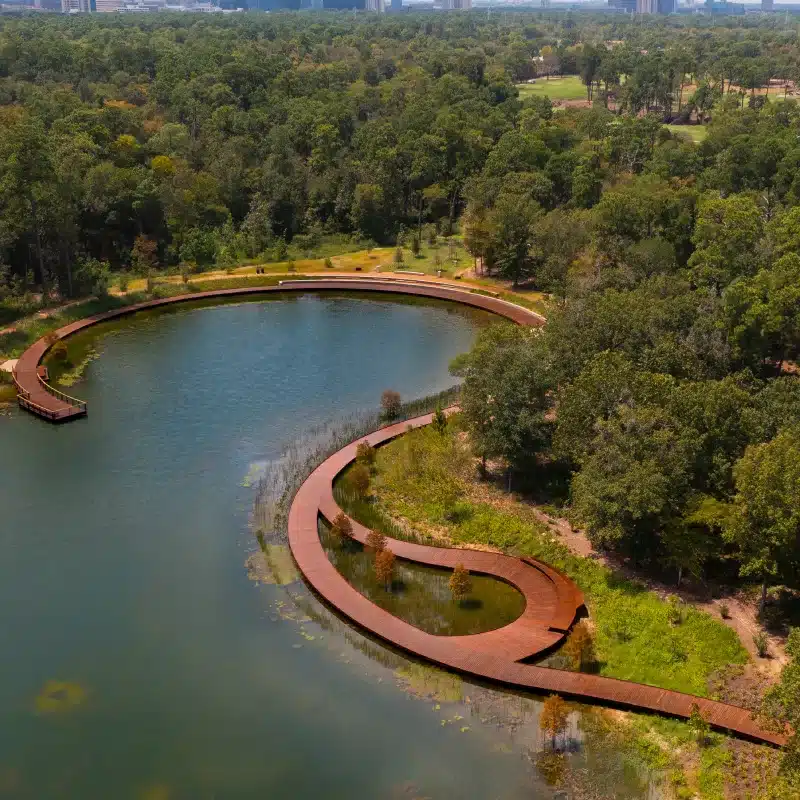
York Bridge Concepts offers extensive customization options that allow timber boardwalks to integrate seamlessly into their surroundings. Design elements may include curved pathways, scenic overlooks, observation platforms, and integrated lighting systems.

Guardrail systems, decking materials, and structural finishes can also be tailored to match the architectural character of a project. Whether serving a natural preserve or a modern waterfront development, each timber boardwalk becomes a carefully crafted extension of the landscape.

Timber Boardwalk Applications

Timber boardwalks serve a wide range of applications across public and private developments.

Their versatility allows them to function in both natural and urban environments.

Common applications include:

• Wetland trail systems
• Nature preserve pathways
• Coastal waterfront promenades
• Urban greenway connections
• Resort and hospitality developments
• Park observation platforms

Each application requires thoughtful engineering and design to ensure that the boardwalk meets both functional and environmental requirements.

Building Legacy Infrastructure

Timber boardwalks are more than infrastructure; they are investments in community experiences and environmental preservation. These structures allow people to explore natural landscapes responsibly while creating memorable public spaces.

York Bridge Concepts continues to lead the industry in timber infrastructure innovation, combining decades of experience with modern engineering techniques and sustainable materials.

Through thoughtful design, precise engineering, and environmentally sensitive construction practices, timber boardwalks built by York Bridge Concepts stand as enduring examples of how infrastructure can connect communities with nature.