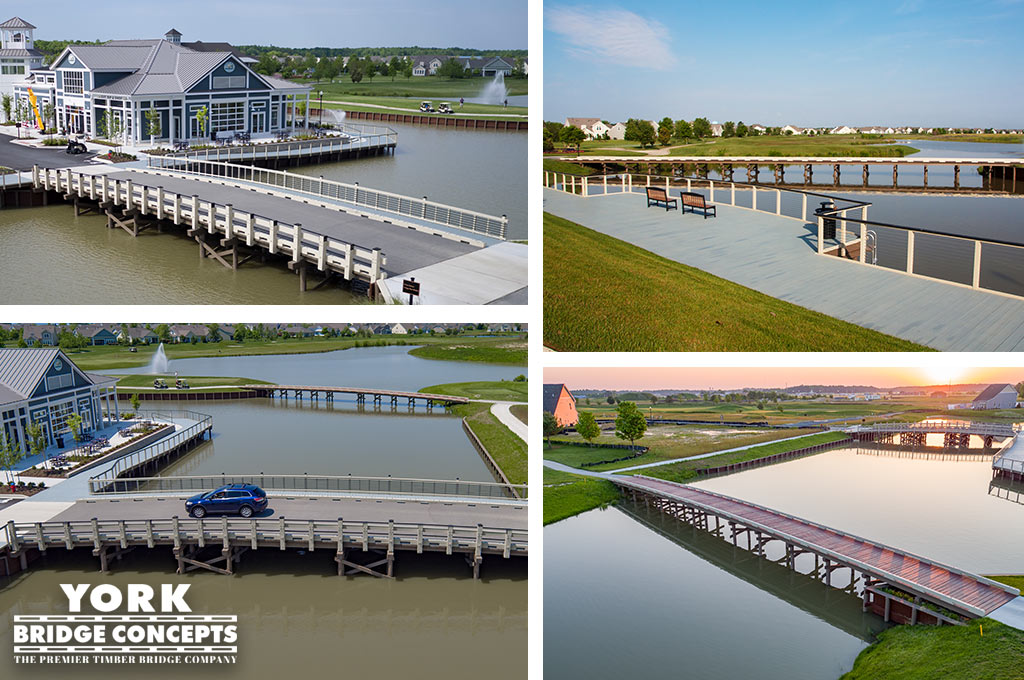
Elevating Golf Course Design At Heritage Shores with Timeless Eco-Friendly Infrastructure
Heritage Shores, a premier golf course community, offers an exceptional golfing experience intertwined with stunning natural landscapes. To enhance both functionality and aesthetics, York bridge Concepts (YBC) was entrusted with designing and constructing a network of golf cart bridges, an HS20-44 vehicular bridge, boardwalks, a waterside plaza, and course bulkheads around key water features. This project seamlessly blends engineering innovation with the artistry of golf course design by Arthur Hills, creating an experience that is as visually striking as it is structurally sound.
Design Intent: Infrastructure That Elevates Play
At Heritage Shores, infrastructure is not an afterthought to the routing--it is a strategic instrument that amplifies the course architect's intent. Working in harmony with Arthur Hill's design language, YBC's structures clarify sightlines, smooth circulation, and turn transitions into moments of anticipation. Golfers experience the course as a continuous narrative; bridges and boardwalks carry that story between chapters without visual clutter or operational friction. The result is a course environment that feels composed, coherent, and purpose-built for pace of play and player delight.
Respecting the Landform
The project area includes wetlands, ponds, and gently undulating terrain that shape both the course strategy and the movement network. YBC began with a site-responsive approach: mapping micro-topography, hydrology, and vegetation to identify ideal crossing locations that minimize earthwork and preserve native plant communities. With that groundwork, the team coordinated with golf operations and maintenance staff to ensure approaches, turning radii, and stopping zones align with daily needs--especially during tournaments, aeration periods, and high-traffic weekends.
A Unified Material Palette
Heritage Shores maintains a consistent architectural language from clubhouse to cart path. YBC's palette--pressure-treated, sustainably sourced timber paired with select composites and recycled materials--adds warmth and visual continuity while resisting moisture, UV exposure, and football abrasion. Finishes were selected to complement greenside hues and water reflections under different light conditions, from early-morning mist to golden-hour glow.
The Decero™ Design-Engineer-Build Advantage
YBC’s Decero™ method (from zero) anchors every decision in first principles: define performance targets, engineer to meet load and durability requirements, model constructability, and plan finishing details so the final experience matches the design intent. This integrated process reduces rework, compresses schedules, and yields structures that are at once elegant and robust.
A Masterpiece in Golf Course Design & Engineering
A well-designed golf course isn't just about the fairways and greens - it's about how the infrastructure complements the landscape. York Bridge Concepts, the nation's premier golf course bridge builder, meticulously crafted each structure to ensure both durability and aesthetic harmony within Heritage Shores' expansive grounds.
Our approach to golf course infrastructure prioritizes sustainability, longevity, and minimal environmental impact. The use of pressure-treated, sustainably sourced timber, composite & recycled materials allows these structures to blend seamlessly with the course's water features and lush scenery while maintaining resilience against weather elements and regular wear.
- Dean Dubbe & David Carro"This is quite the accomplishment. We have nothing but great things to say about York Bridge. Everyone has been very professional and a pleasure to work with. YBC was diligent in their pursuit to deliver a top notch product within the time frame established for completion of the work with very little impact to the daily operation of the club. I can say that it was a huge success. We are extremely pleased with the process and end product and the residents of Heritage Shores are already echoing the same sentiment.
Development Director, Brookfield Residential
Eco-Friendly Bridges: The Heart of Golf Course Connectivity
Golfers at Heritage Shores now enjoy effortless access across the course's picturesque water features, thanks to YBC's golf cart bridges and vehicular bridge. These structures not only serve as practical connectors but also elevate the experience of navigating the course.
HS20-44 Vehicular Bridge
Built for Strength & Longevity
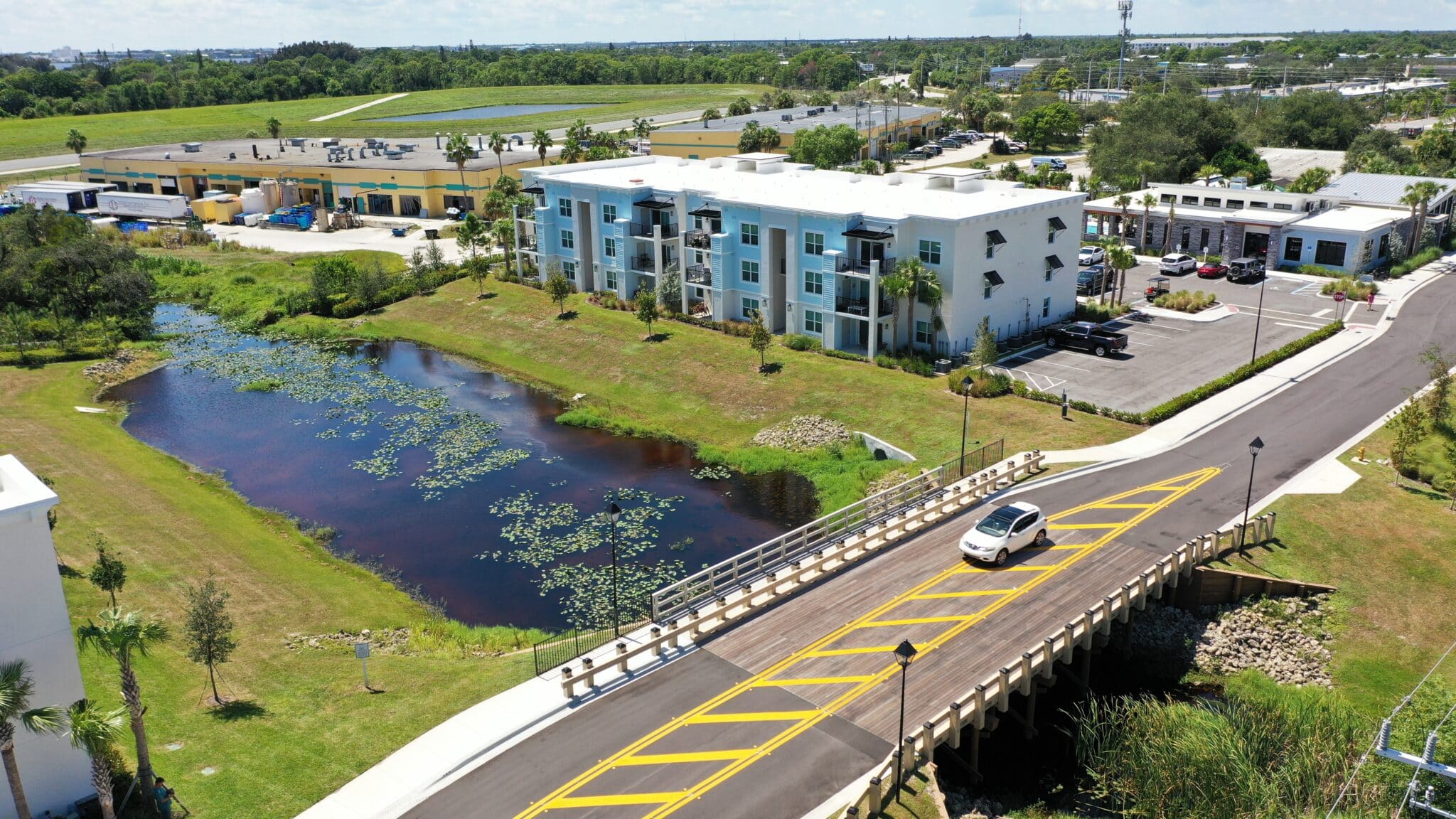
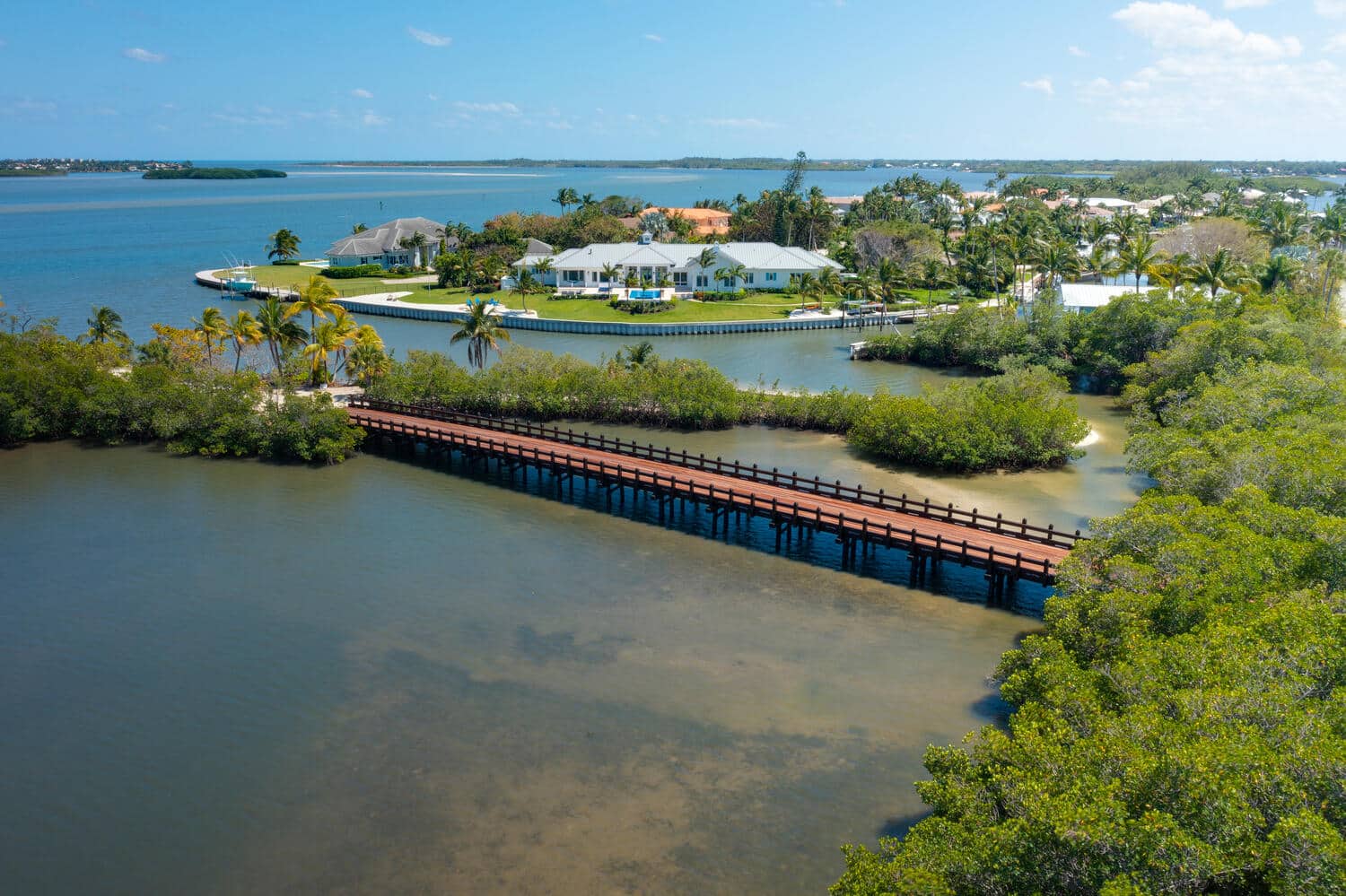
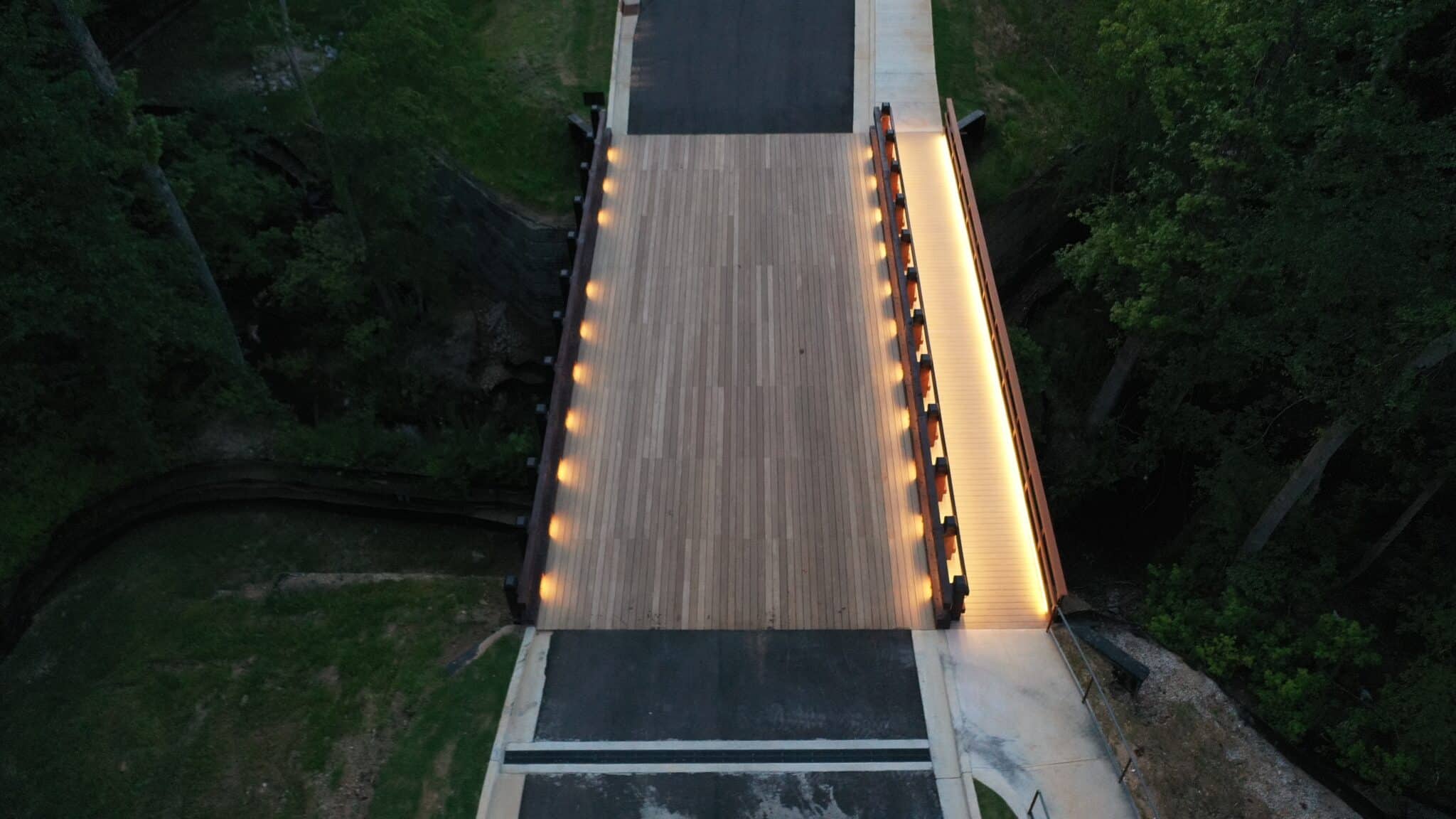
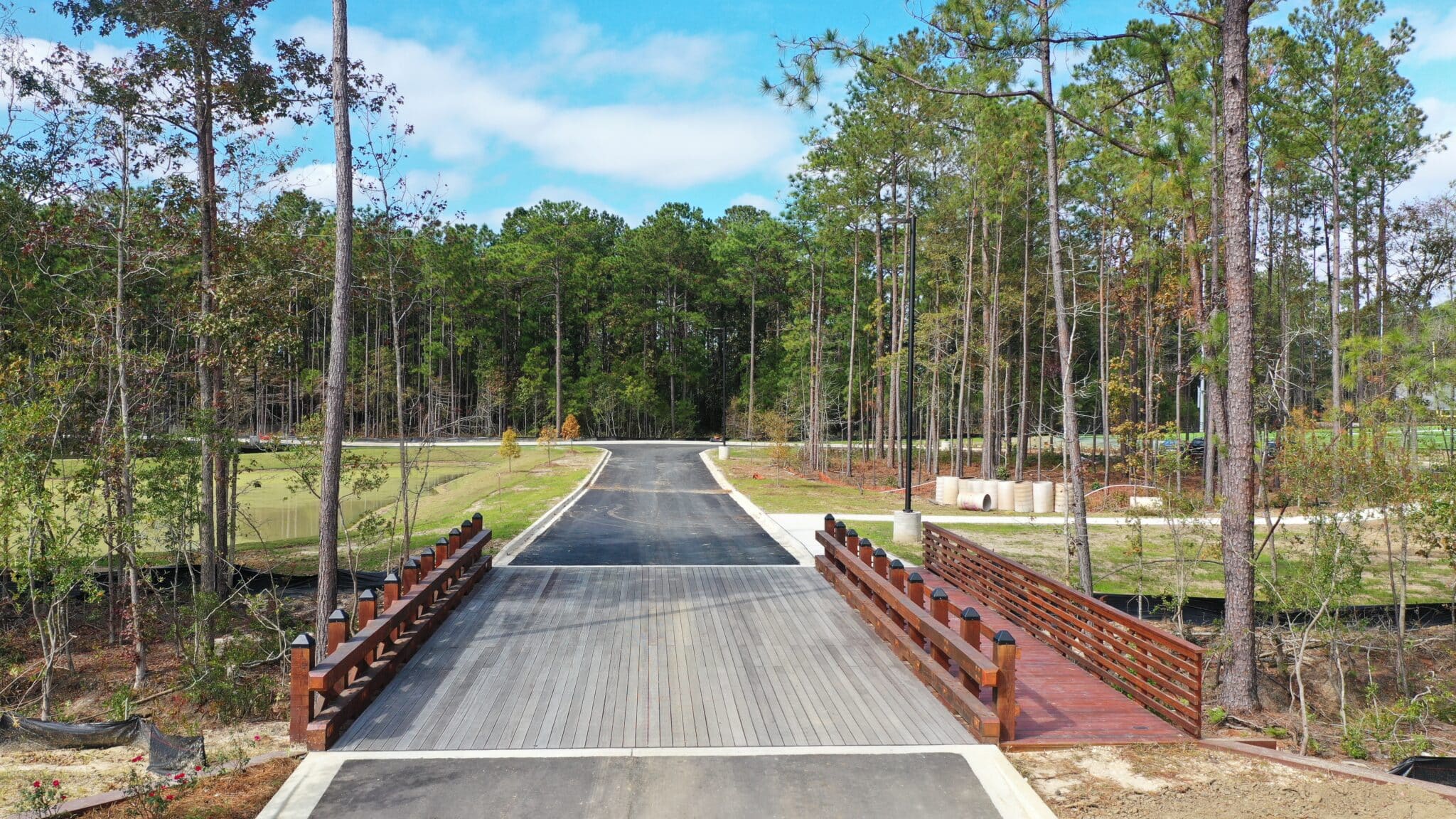
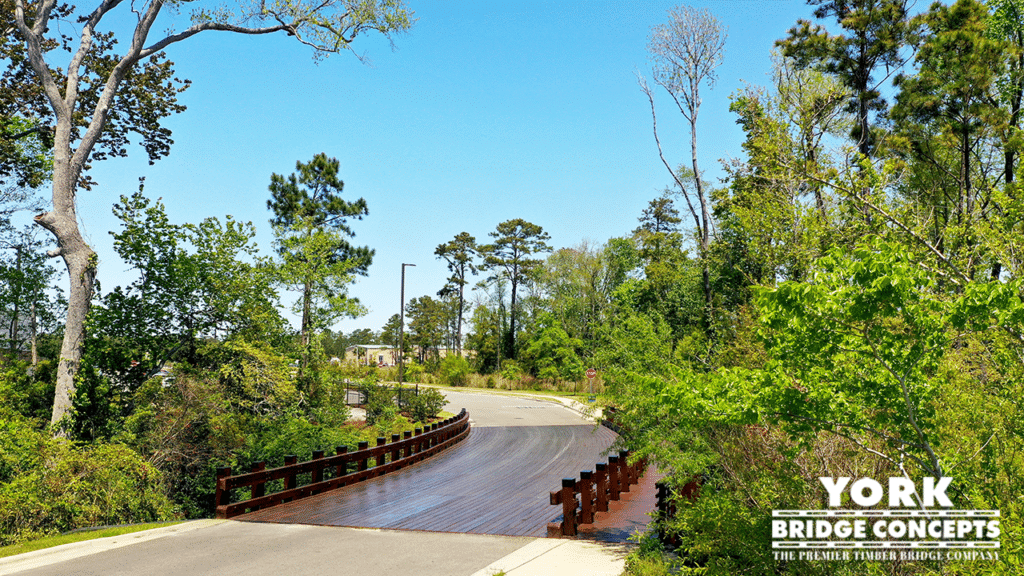
Designed to accommodate maintenance and emergency vehicles, the HS20-44 rated vehicular bridge meets stringent load-bearing requirements without compromising aesthetics. The coastal architectural designs integrates with the natural surroundings and facility architecture to provide essential support for golf course operations.
Vehicular Bridge
- Width:
- 32’ (26’ Clear)
- Length:
- 100’
- Height:
- 14' above grade
- Capacity:
- HS20-44
- Construction:
- Deck Level
- Span Type:
- Multiple Span
- Span Lengths:
- (1) 20’, (2) 9’, (4) 15’
- Material:
- CCA/CA-C Treated Southern Yellow Pine & Black Locust
- Foundation:
- Timber Piles & Abutments (Acrylic/Polymer Coated where exposed)
- Stringers:
- SYP Rough Sawn Stringers (Acrylic/Polymer Coated where exposed)
- Vehicular Deck System:
- 5 ½” Timber Deck
- Pedestrian Deck System:
- 1 ½” Timber Deck
- Guide Rail:
- Decero™ Classic Design Series
- Handrail:
- Decero™ Horizontal Design Series
- Crossing:
- Lake
Performance Criteria & Engineering Fundamentals
HS20-44 Vehicular Bridge: Why It Matters
Heritage Shores includes a vehicular crossing engineered to HS20-44 loading. This standard supports maintenance trucks, utility carts, emergency vehicles (as permitted by the owner), and seasonal equipment. Designing at this rating delivers a buffer of confidence that extends the service life and future-proofs the asset against changing operational needs. Structural members, connections, and decking assemblies were analyzed for live load distribution, dynamic effects, and serviceability to preserve ride quality and structural performance over time.
Timber, Composites, and Recycled Elements: A Smart Hybrid
Timber remains unmatched for strength-to-weight ratio and embodied carbon benefits, while select composite elements offer long-term surface stability in high-wear locations. By combining these materials, YBC balances tactile warmth, structural reliability, and maintenance efficiency. Recycled content in select components supports Heritage Shores' sustainability commitments and demonstrates leadership in green infrastructure.
Durability Tactics in a Waterside Environment
Water proximity introduces cycles of saturation, drying, and UV exposure. YBC's coatings systems, water shedding details, and concealed fastener strategies work together to limit ingress and protect connections. Where appropriate, stainless or galvanized hardware reinforces longevity. Drainage kerfs, expansion allowance, and detail-level crispness eliminate cupping and standing water--key to surface longevity and visual quality.
Safety by Design
Guardrail geometry, picket spacing, and to-board conditions were selected for visibility and security without blocking views of the course. Non-slip walking surfaces, subtle crown and cambering for drainage, and clear turning geometry for carts contribute to safe, intuitive movement. Lighting planning anticipates early tee times and evening programming, preserving night-sky quality while providing wayfinding comfort.
Golf Cart Bridges
Blending Form & Function
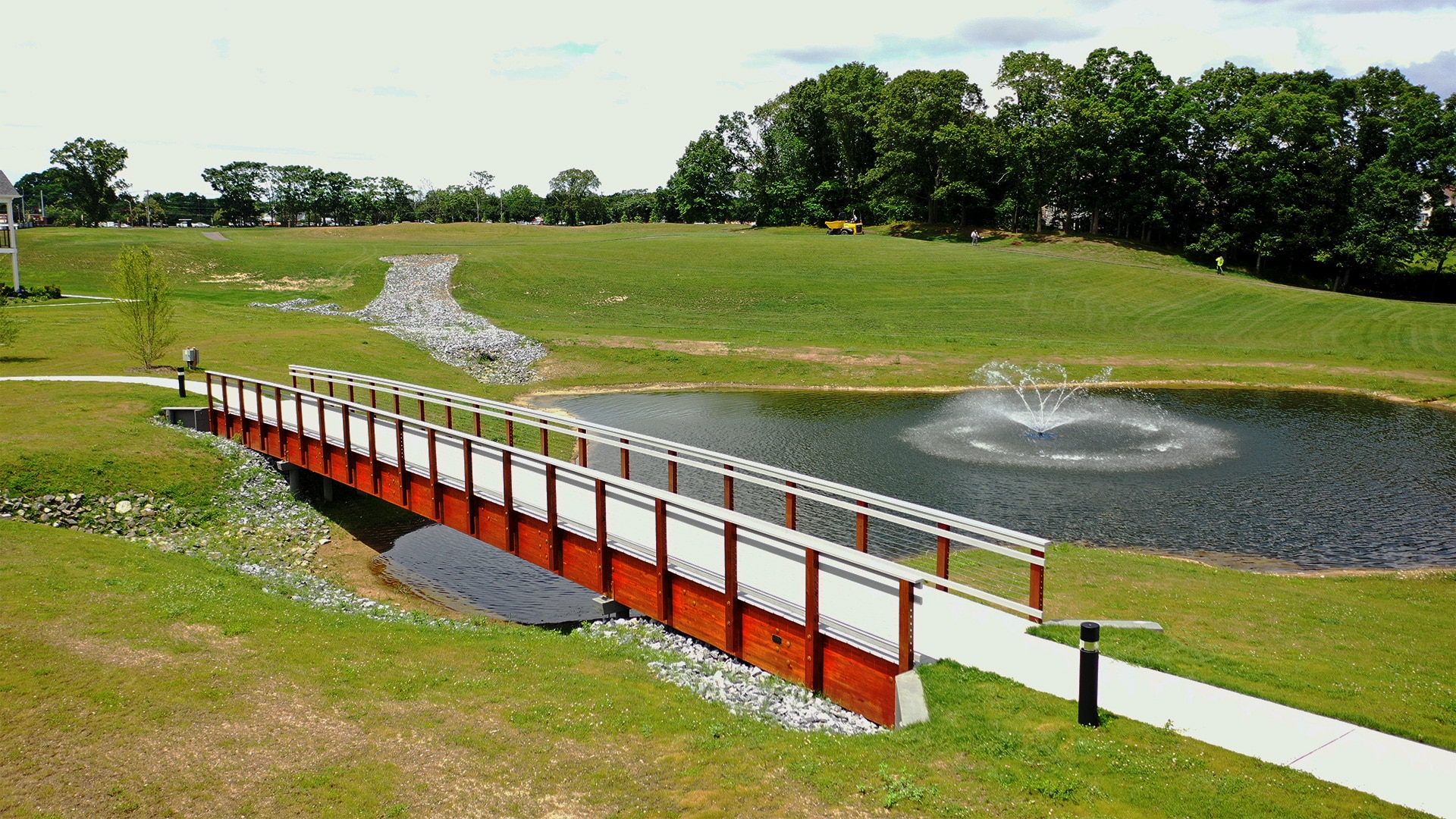
Strategically positioned to ensure smooth transitions between greens, the golf cart bridges enhance the flow of play while offering golfers breathtaking views of the surrounding wetlands. Each bridge is constructed with high-performance materials and fortified with YBC's Premium Coatings with our Legacy Series of bridges, ensuring resistance to moisture, UV exposure, and daily use.
Golf Cart Bridges
- Width:
- 10’ (9’ Clear)
- Length:
- 140’
- Height:
- 13' above grade
- Capacity:
- 5 TON GVW
- Construction:
- Deck Level
- Span Type:
- Multiple & Repetitive Spans
- Span Lengths:
- (1) 20', (12) 10'
- Material:
- CCA/CA-C Treated Southern Yellow Pine
- Foundation:
- Timber Piles & Abutments (Acrylic/Polymer Coated where exposed)
- Stringers:
- SYP S4S Timber (Acrylic/Polymer Coated where exposed)
- Deck System:
- 1-½” Timber Deck
- Curbing System:
- 5.5” Curb Installed on 3.5” Blocks
- Crossing:
- Lake
Golf Cart Bridges: Operations, Pace of Play & Player Experience
Pace of Play as a Design Metric
The shortest route is not always the best route--particularly when it compromises safety, views, or turf health. YBC's cart bridge alignments manage the choreography of groups: limiting cross-traffic, spacing pinch points, and smoothing vertical curves so carts maintain predictable speed. Over the course of a day, fewer hesitations at crossings translate into minutes saved per group and a smoother cadence across the tee sheet.
Cart Geometry & Turning Radii
Turning radii, slope transitions, and approach widths are dialed for modern electric carts and utility vehicles. Gentle, continuous grades support accessibility and protect turf at ramp interfaces. Where approaches meet playing surfaces, YBC coordinates with the superintendent to place wear-tolerant turf and path materials, minimizing rutting and edge unraveling.
Structural Composure & Visual Calm
Bridges frame the landscape. The structural rhythm--stringers, diaphragms, and rail profiles--reads as a clean, repeating cadence. Color selection lowers visual mass at the periphery and keeps the golfer's focus on the line of play. The result is visual calm: infrastructure that does its work without calling attention to itself.
Weather Resilience & Seasonal Movements
Thermal expansion, moisture cycles, and wind loads all shape detailing. Slip-resistant surfaces remain grippy even after light rain. Expansion joints are coordinated with railing and decking to avoid distracting gaps. In high-exposure locations, hardware specification and lateral bracing ensure confident performance during storm events.
Quiet Underfoot, Quiet in Use
The acoustic experience matters. Timber under composite or timber decking yields a warm, dampened sound that suits the course's serene character. By tuning fastener patterns and bearing supports, YBC eliminates squeaks and rattles associated with inferior systems.
Boardwalks & Waterside Plaza
Enhancing the Golfing Experience
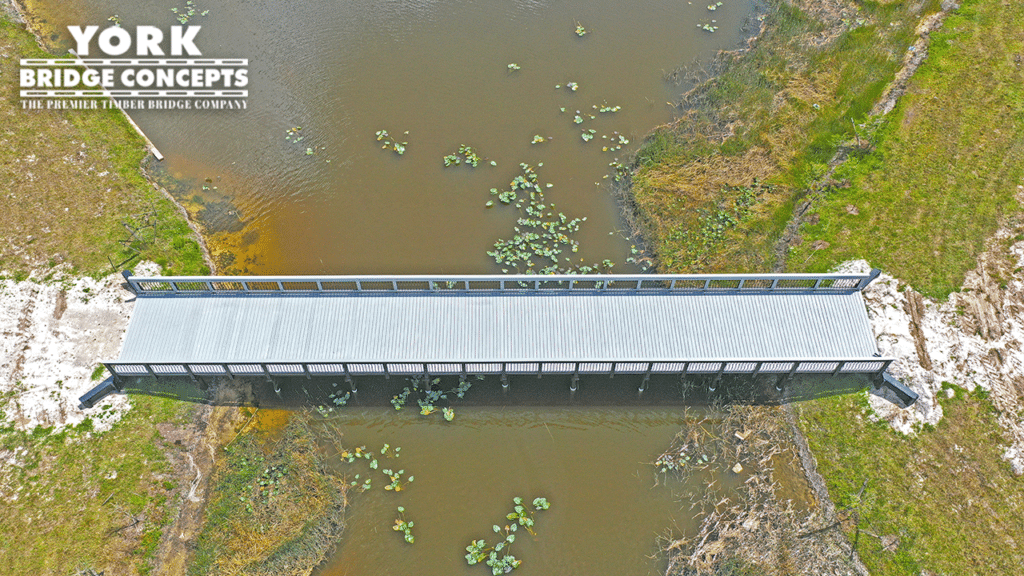
In addition to bridges, YBC constructed expansive 1049-foot boardwalks that guide players and visitors through the course's clubhouse and breathtaking waterside areas. These boardwalks serve as scenic pathways, offering serene views of the meticulously maintained greens and water features.
The waterside plaza, a focal point of relaxation and social gathering, was designed to complement Heritage Shores' signature aesthetics. Whether serving as a viewing area or a transition space, the plaza enhances the overall ambiance, providing golfers and spectators with an immersive outdoor experience.
Boardwalk
- Width:
- 10’ (9’ Clear)
- Length:
- 1049’
- Height:
- 8' above grade
- Capacity:
- 85 PSF
- Construction:
- Deck Level
- Span Type:
- Repetitve Span
- Span Lengths:
- 10' Spans
- Material:
- CCA/CA-C Treated Southern Yellow Pine & IPE Hardwood
- Foundation:
- Timber Piles & Abutments (Acrylic/Polymer Coated where exposed)
- Stringers:
- SYP S4S Timber (Acrylic/Polymer Coated where exposed)
- Deck System:
- 1-½” Timber Deck
- Handrail:
- Decero™ Wire Rope Design Series with Hardwood Rail Cap
- Crossing:
- Lake
- Features:
- (2) Wideouts
Boardwalks & Waterside Plaza: Programming, Wayfinding & Amenity Value
The 1,049-Foot Promenade
The boardwalks at Heritage Shores do more than connect points A and B--they define an amenity corridor. Players, walkers, and spectators enjoy uninterrupted waterside views, curated sightlines back to the clubhouse, and access to seating nooks that double as vantage points during events. By spreading foot traffic across a defined corridor, the course preserves sensitive edges and enhances habitat protection.
Waterside Plaza as Social Heart
The waterside plaza functions as a social condenser: a comfortable, flexible stage for pre-round gatherings, scoring announcements, junior clinics, and evening receptions. Furnishing zones are organized for easy reconfiguration--two-top conversations on weekdays, banquet layouts for tournament dinners, branded activations for sponsor showcases. Integrated power at select locations A/V needs without extension cord clutter.
Wayfinding & Nighttime Ambience
Discreet directional cues--rail-mounted markers, low-glare bollards, and clubhouse-facing identifiers--keep guests oriented from first arrival to final putt. Night lighting is deliberately warm and shielded, preserving reflection quality on water while minimizing spill beyond the path. The ambiance complements the Heritage Shores brand: welcoming, composed, and quietly premium.
Accessibility with Intention
Where boardwalk slopes interface with grade, transitions are smoothed to align with accessibility guidelines. Landing intervals, handrail returns, and surface textures were selected to provide confident footing for all users--players with pushcarts, grandparents attending junior events, and operations staff managing deliveries or event setups.
Bulkheads
Protecting & Defining Water Features In Golf Course Design
Water features play a crucial role in golf course design, serving both aesthetic and strategic functions. To preserve these elements, YBC installed durable timber bulkheads that stabilize the course's shoreline, preventing erosion and maintaining structural integrity.
Built with robust marine-grade materials, these bulkheads are engineered to withstand fluctuating water levels while enhancing the course's visual appeal. The natural finishes integrate seamlessly with the surrounding landscape, reinforcing Heritage Shores' commitment to sustainability.
Bulkheads: Shoreline Stability, Habitat, & Maintenance Access
Defining the Edge without hardening the experience
Bulkheads protect shorelines from erosion and wave action while maintaining a crisp, course-appropriate edge. YBC uses timber systems that read as natural additions rather than intrusive hardscapes. The visual datum they establish helps the eye interpret the water's line against the greens and fairways, enhancing depth perception on approach shots without appearing severe.
Engineered for Hydrological Realities
Design considers seasonal water level fluctuations, groundwater dynamics, and storm surge. Tie-back spacing, deadman anchoring (where applicable), and wall batter are engineered to resist lateral pressures while distributing loads efficiently into the soil. Weep holes or drainage features relieve hydrostatic pressure behind the wall and protect backfill integrity.
Habitat Sensitivity
Where feasible, planting pockets and micro-shelves at the toe encourage native wetland vegetation. This softens the edge, improves ecological function, and supports water quality by slowing overland flow. The result is a living system that performs physically and ecologically, supporting both the course and its resident wildlife.
Maintenance & Long-Term Serviceability
Bulkheads are detailed for efficient inspections. Access points for visual checks, standardized hardware sizes, and replaceable facing elements simplify periodic upkeep. Clear documentation supports the superintendent's annual planning--budgeting for small, predictable tasks instead of facing unexpected major repairs.
Sustainable Golf Course Design with YBC Innovation
York Bridge Concepts believes in building infrastructure that enhances sustainability while preserving the beauty of golf course landscapes. The Heritage Shores project reflects our commitment to eco-conscious construction practices:
- Sustainably sourced materials minimizes environmental impact
- Minimal site disruption preserves the natural surroundings.
- Durable protective coatings extend longevity, reducing maintenance costs.
- Engineered design solutions ensure lasting structural integrity.
By prioritizing sustainability, YBC delivers projects that not only elevate golf course aesthetics but also contribute to their long-term viability.
Construction Methodology, Environmental Stewardship & Quality Assurance
Deck-Level (Top-Down) Construction
Working over wetlands and shorelines demands care. YBC's deck-level construction techniques minimize ground disturbance by building from above, staging materials on the structure itself as it progresses. This approach protects sensitive soils and vegetation, reduces temporary access impacts, and limits restoration scope after completion.
Erosion & sediment Control
Silt fencing, inlet protection, and stabilized staging pads are planned in concert with the superintendent and local requirements. The team monitors BMPs throughout construction, adjusting placements as site conditions evolve. Protection measures remain in place until vegetation reestablishes and inspection benchmarks are met.
quality at Every Step
From material certification to connection torque checks and coating thickness verification, YBC QA/QC framework ensures that what's designed is what's designed is what's built. Field crews record as-built conditions, including member sizes, hardware types, and protective treatments. These records become part of the owner's maintenance library, supporting life-cycle planning.
Coordination with Club Operations
Construction near active play is choreographed to limit interruptions. Windowed work periods, temporary routing plans, and clear golfer communications reduce friction. Where nighttime work is advantageous, lighting and noise protocols are implemented to respect neighbors and wildlife.
Safety culture
Job hazard analyses, lift plans, and daily toolbox talks create a clear safety rhythm. Staging, rigging, and material handling are designed around actual field conditions, not idealized assumptions, so crews can execute efficiently without shortcuts.
- Dean Dubbe & David CarroWe found the folks at YBC to be professional, polite, and eager to help out in areas outside of their contract. Their office was quick to respond to our concerns and field changes that occurred. Their field crews were cooperative, knowledgeable and considerate. All of the YBC crews kept a clean and organized site, which was very important to us as we had a functioning community around the area of work. We would whole-heartedly recommend YBC for any and all such work and will call no one but York Bridge Concepts™ for any similar work on future projects that we have."
Development Director, Brookfield Residential
Partnering With York Bridge Concepts for Exceptional Golf Course Bridges
As the industry's leading premium golf course bridge builder, York Bridge Concepts specializes in crafting timber infrastructure that enhances golf course design without compromising strength or sustainability. Our expertise extends to:
- Golf cart bridges for seamless course navigation
- Vehicular bridges built to HS20 standards or greater
- Boardwalks that integrate into scenic landscapes
- Waterside plazas for relaxation and engagement
- Bulkheads for water feature preservation
Heritage Shores stands as a testament to our dedication to designing and building structures that complement the artistry of the sport while ensuring long-term-functionality.
Lifecycle Value, Total Cost of Ownership & Warranty Mindset
Building for the Long Game
Heritage Shores is an investment in experience--and experience accrues over years. By combining durable materials, thoughtful detailing, and a service-oriented posture, YBC reduces the frequency and intensity of disruptive maintenance cycles. The course benefits form predictable budgeting and more playable days per year.
Total Cost of Ownership (TCO)
While first cost matters, the real economy emerges over the service life. Timber's embodied energy advantages, efficient install, and ease of in-place component replacement lower bot carbon and cost over time. Composite wear surfaces in high-traffic zones protect structure beneath, further extending service life. The owner pays less to keep assets in peak condition--and members and guests enjoy consistent quality.
Inspection & Care Plan
A structured inspection cadence--seasonal visual checks and periodic comprehensive reviews--keeps small issues small. Simple practices like clearing debris from drainage paths, spot-treating nicks in coatings, and verifying fastener tension in the highest-load areas compound into major lifespan gains. YBC provides checklists and training so the facilities team can maintain confidence year-round.
warranty & Support
YBC's support goes beyond handoff. Clear lines of communication, documented finish systems, and part specifications streamline any future component orders. When improvements are desired--adding lighting, expanding seating at the plaza, or integrating new wayfinding--YBC's knowledge base helps the owner iterate gracefully without compromising the original design logic.
Experience The Heritage Shores Difference
The transformation of Heritage Shores is a shining example of how thoughtful golf course design can enhance both the player experience and the landscape's natural beauty. With timber bridges, boardwalks, bulkheads, and a scenic plaza, this project showcases YBC's ability to seamlessly merge craftsmanship with sustainability.
If you're looking for a trusted golf course bridge builder to enhance your next project, York Bridge Concepts is ready to bring your vision to life. Contact us today to learn more about our eco-friendly bridge solutions for golf courses.
Frequently Asked Questions
How do timber bridge perform in a golf environment with constant moisture and sun?
Modern, pressure-treated timber paired with premium coatings and compatible fasteners performs exceptionally well in waterside settings. Strategic detailing--drip edges, ventilation paths, and concealed fasteners--keeps moisture form lingering. Select composite components at the wear layer further reduce maintenance while preserving the warm visual character of timber.
Will HS20-44 capacity change the look or feel of the vehicular bridge?
HS20-44 dictates structural capacity, not necessarily bulk. With intelligent member sizing, hidden reinforcements where needed, and a disciplined rail profile, the bridge reads visually light while meeting robust performance demands. Users experience a smooth, confident crossing without noticing the engineering working under the deck.
Can the boardwalk and plaza support events?
Yes. The boardwalk corridor and plaza were planned with event loads and flexible furniture layouts in mind. Power access, circulation clearances, and subtle wayfinding allow for clinics, receptions, and sponsor activations without ad-hoc improvisation.
How is wildlife considered during design and construction?
Pre-design surveys identify habitat zones, migratory paths, and sensitive edges. Boardwalk alignments and bulkhead details then incorporate planting pockets and refuge segments where feasible. Construction sequencing avoids critical breeding periods, and nighttime lighting is shielded and calibrated to limit ecological disruption.
What does maintenance typically look like?
Routine tasks include periodic washing, vegetation trimming around approaches, spot inspections for coatings, and verification of drainage paths. Many owners schedule an annual "infrastructure day" to handle small items all at once--simple, predictable, and cost-effective.
Can lighting be added later?
Absolutely. Conduit provisions and mounting locations can be planned in advance or retrofitted with minimal disruption. YBC favors low-glare, warm temperature fixtures that preserve night-sky quality while providing comfortable visibility.
How does this infrastructure influence pace of play?
By clarifying circulation and removing hesitation points, bridges and boardwalks help groups move more fluidly from green to tee. Over a full tee sheet, small per-group efficiencies add up to meaningful time savings and more consistent round durations.
What if future routing changes require new crossings or modifications?
The Decero™ process documents design logic and component standards, making future modifications straightforward. Because timber systems are inherently adaptable, extensions, re-alignments, or amenity upgrades can be integrated without scrapping proven elements.
Create Your Legacy Today
Discover the intersection of strength, durability, and environmental responsibility with York Bridge Concepts. Let's build a bridge to the future together.
All Feature Projects
What's Best: A Culvert Or A Timber Bridge?
What Is The Best Span Type For My Project?
Which Load Capacity I Need?
How Do I Cross An Environmentally Sensitive Area?
How Do I Create A Landmark?
How Long Does A Timber Bridge Last?
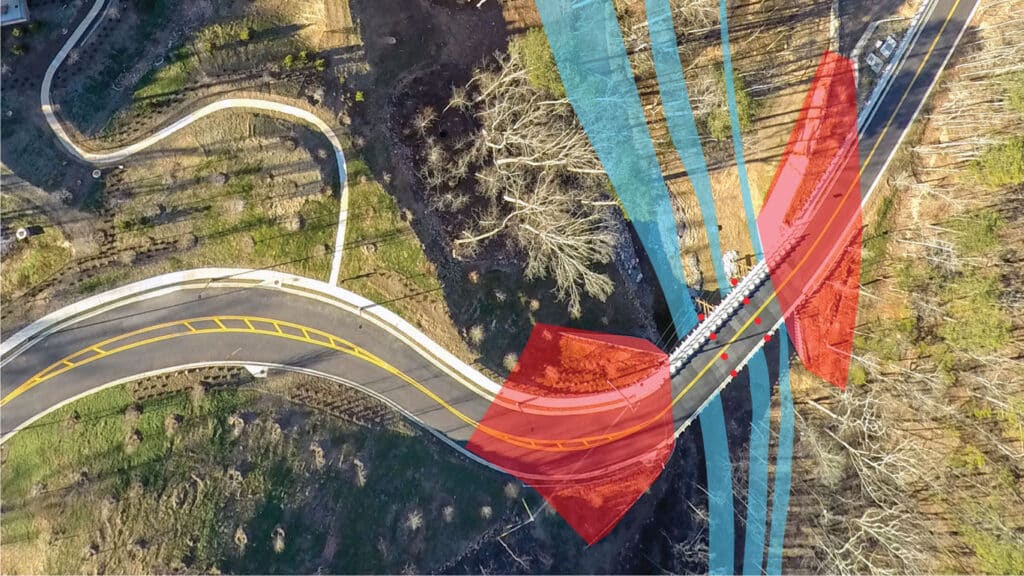
Culvert Or Bridge
If you're considering using a culvert for your crossing project. Click below to understand the best fit for your project.
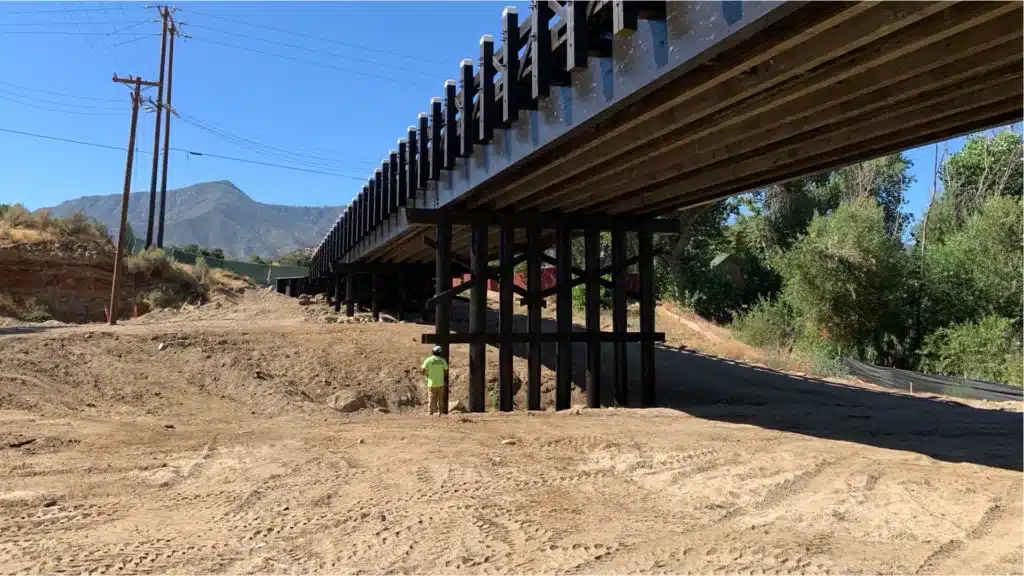
Spanning Solutions
Spanning a crossing is one of the most important aspects of your crossing project. Find the best solution for your crossing needs.
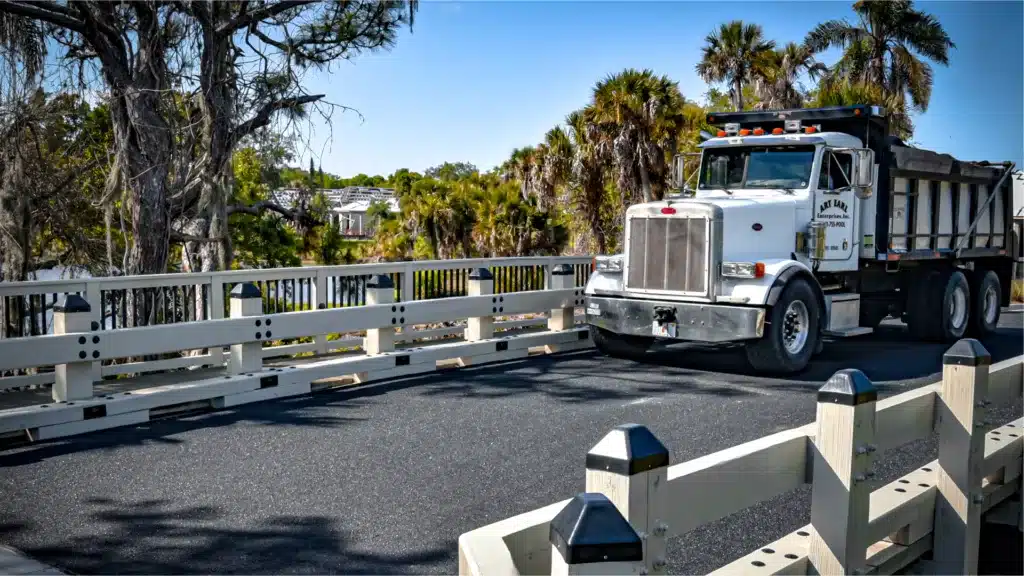
Uses & Capacities
The load capacity of a timber bridge may surprise you. See specs for different loads and uses that will help your decision-making process.