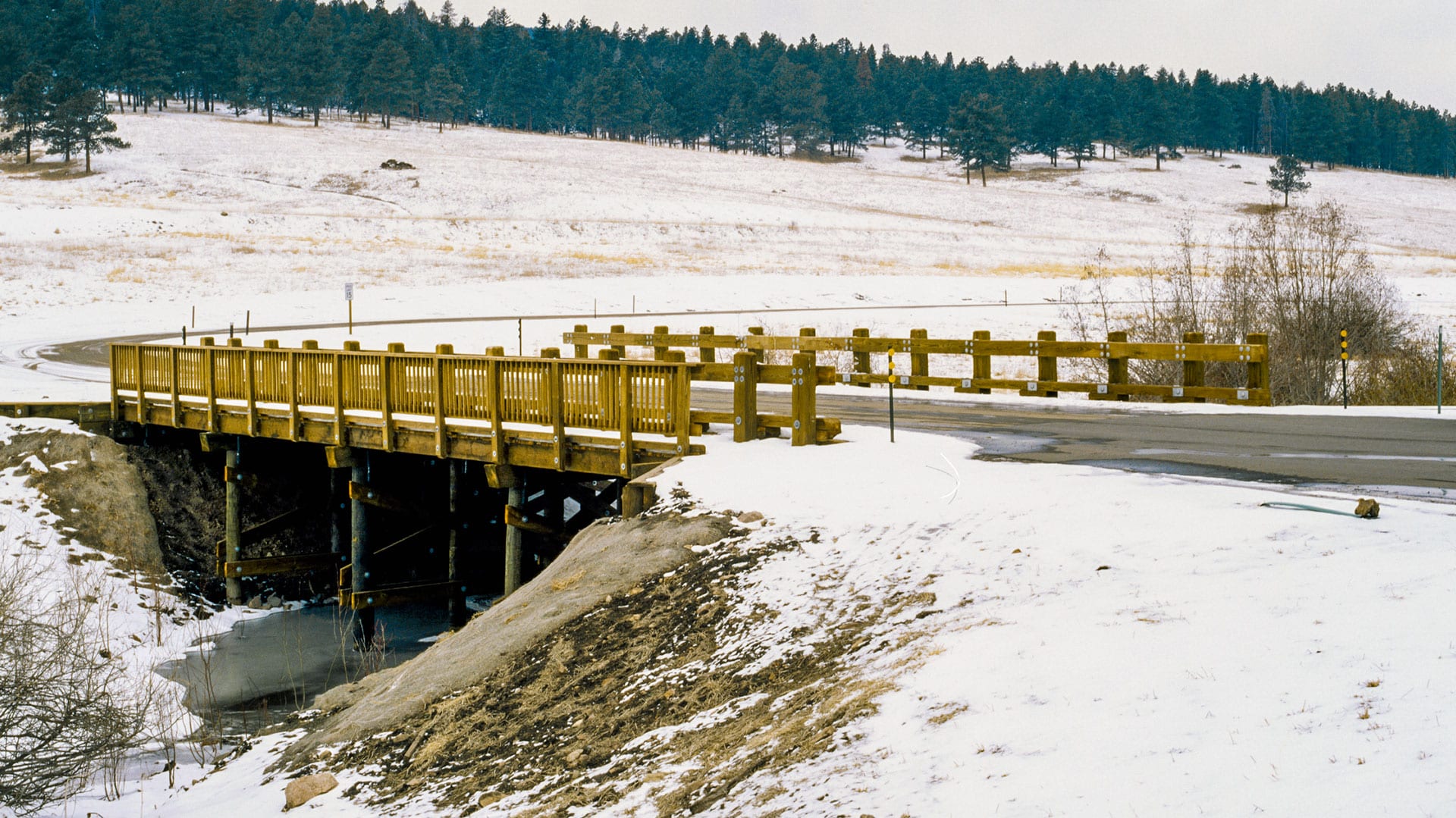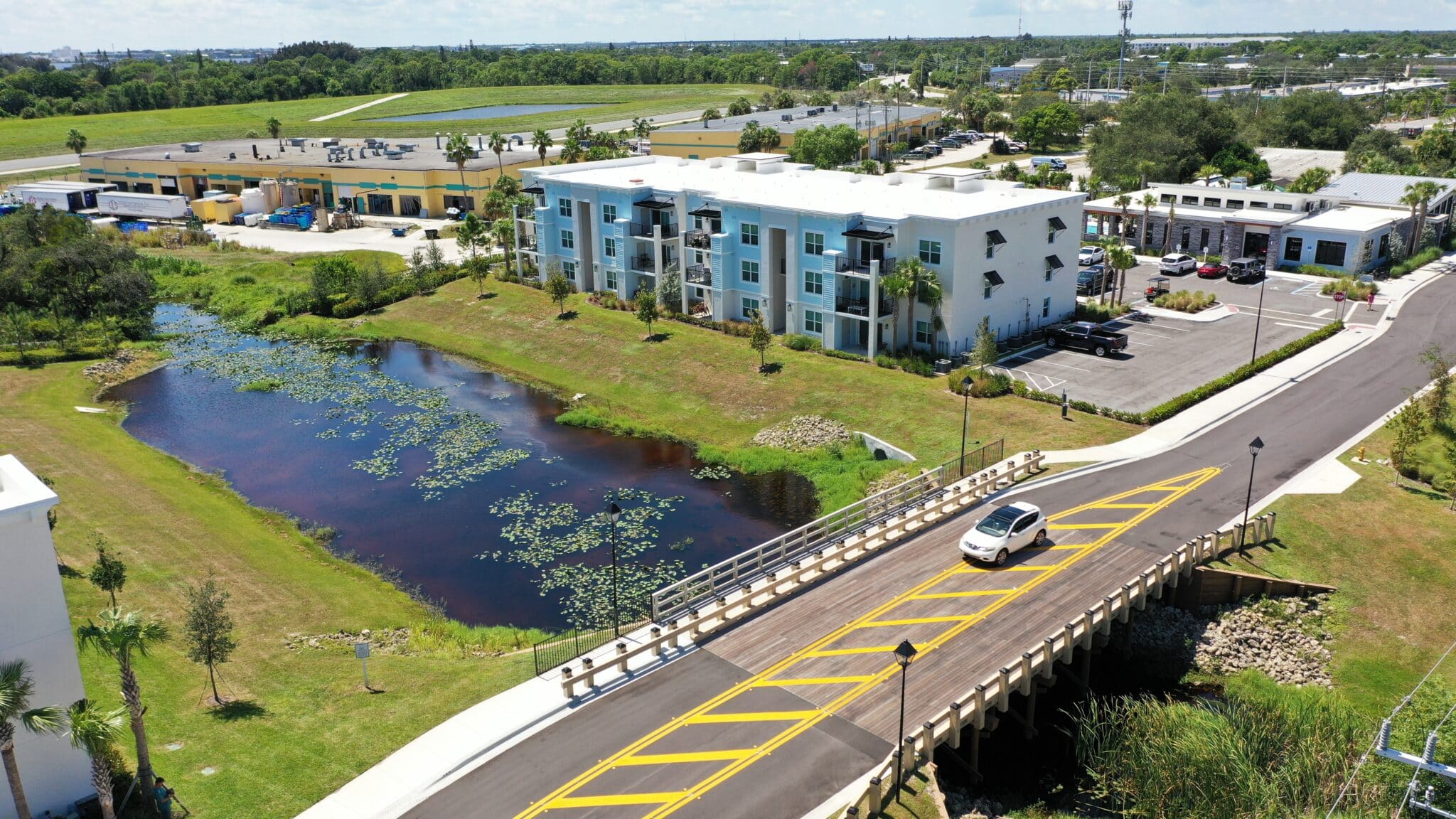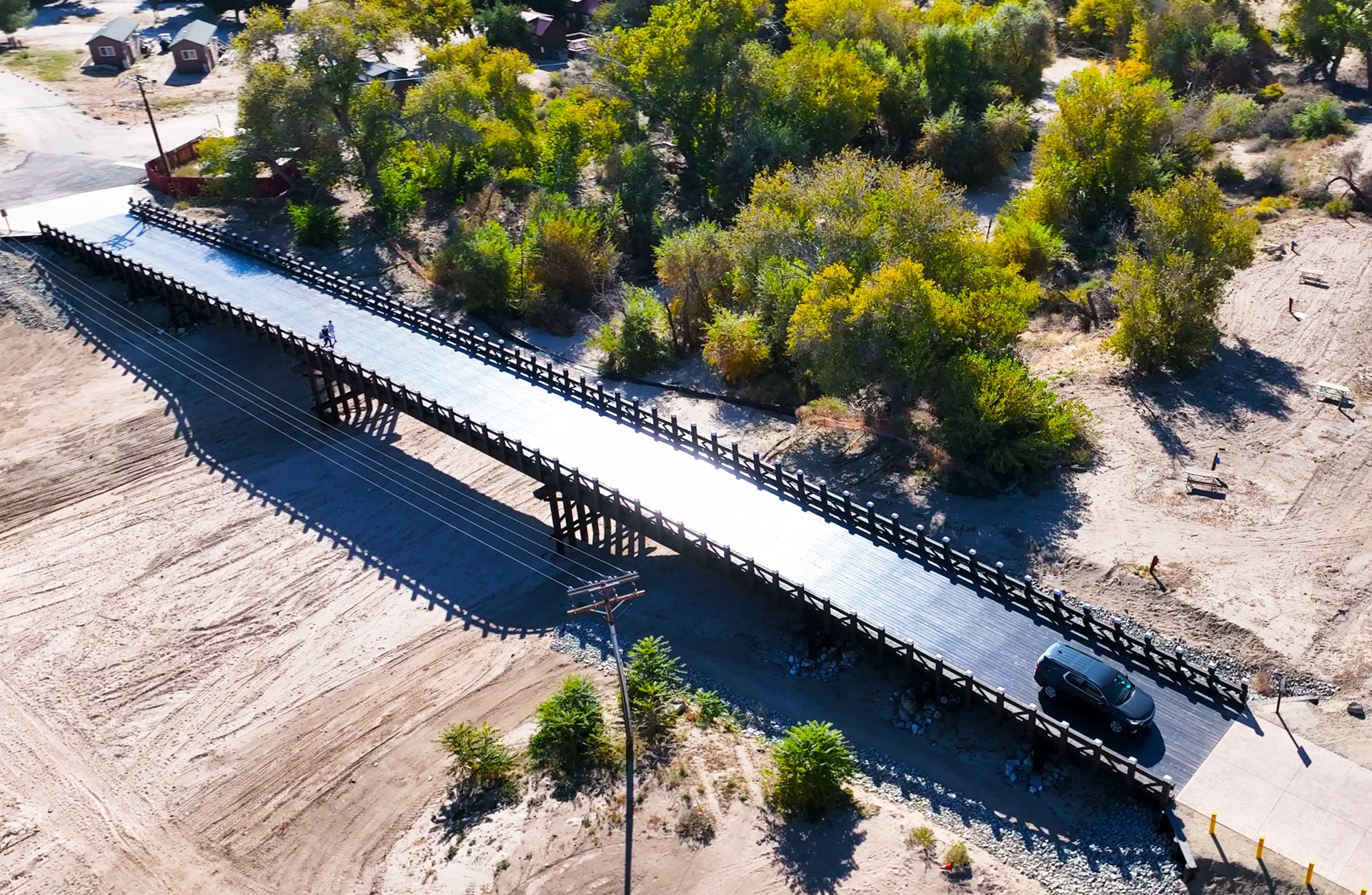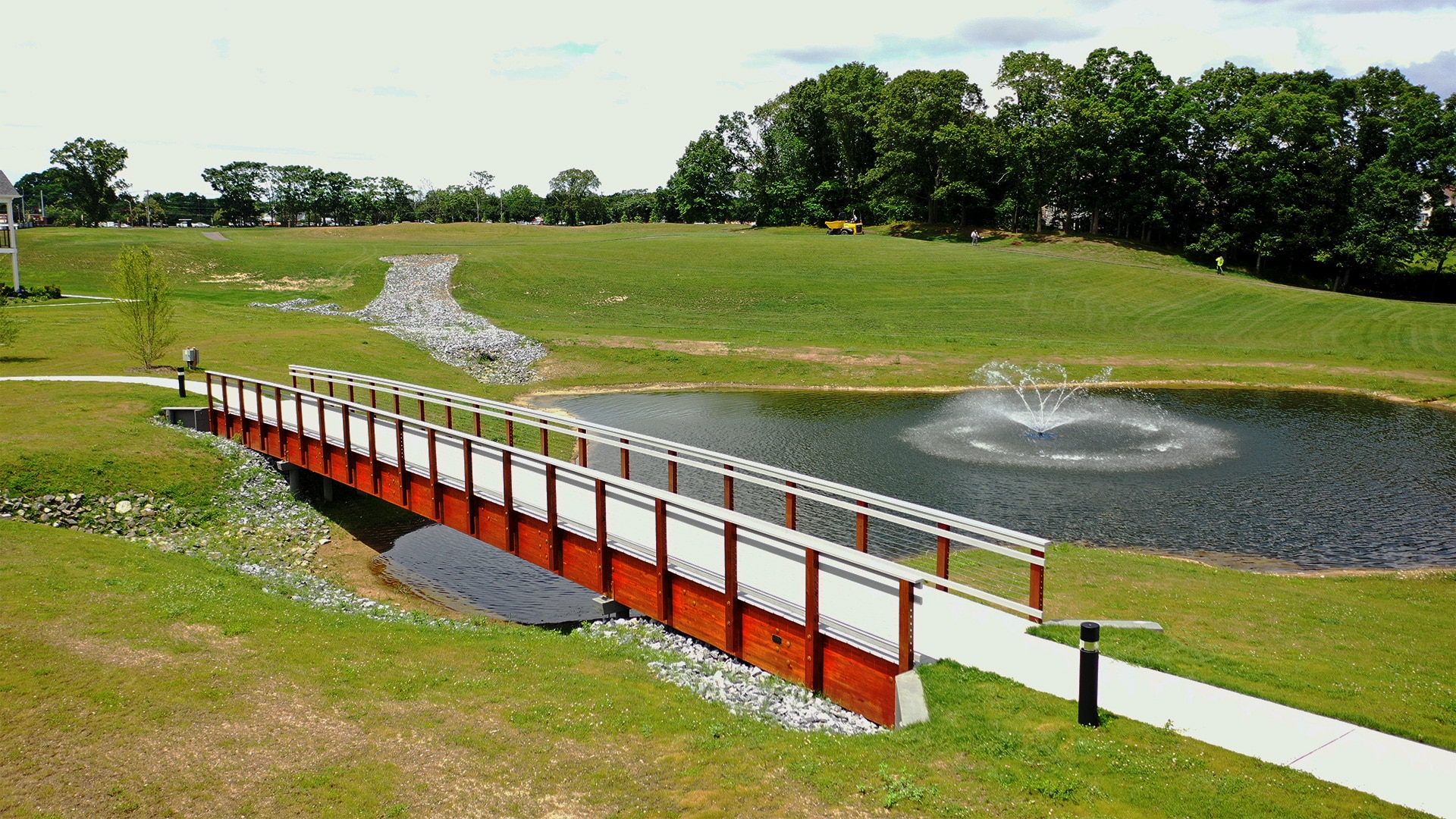
Hanahan Recreation Complex Vehicular Bridge – Hanahan, SC

Marketing CoordinatorAvenue Collection, Featured, Repetitive Span, South Carolina, Vehicular Bridges

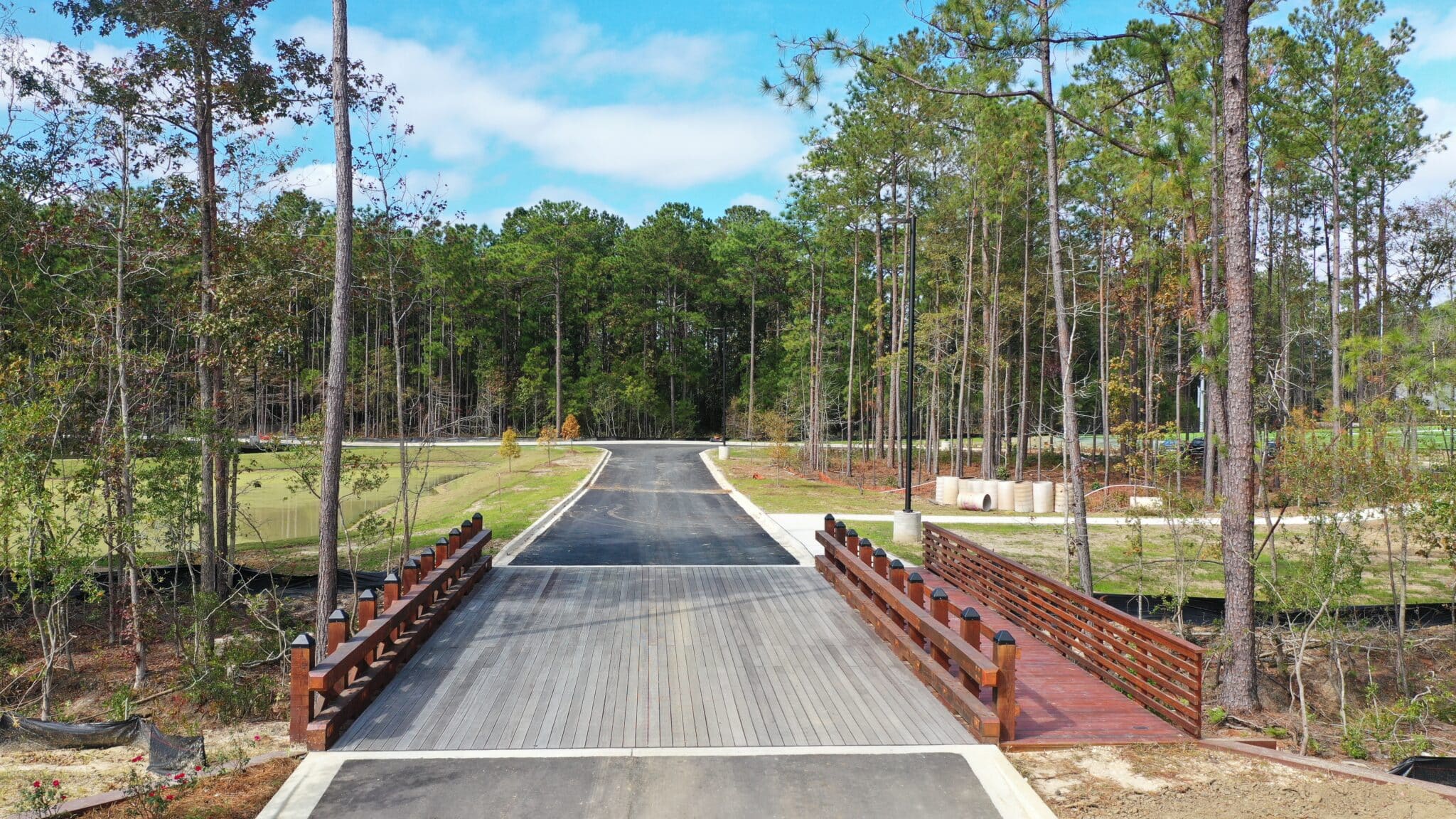
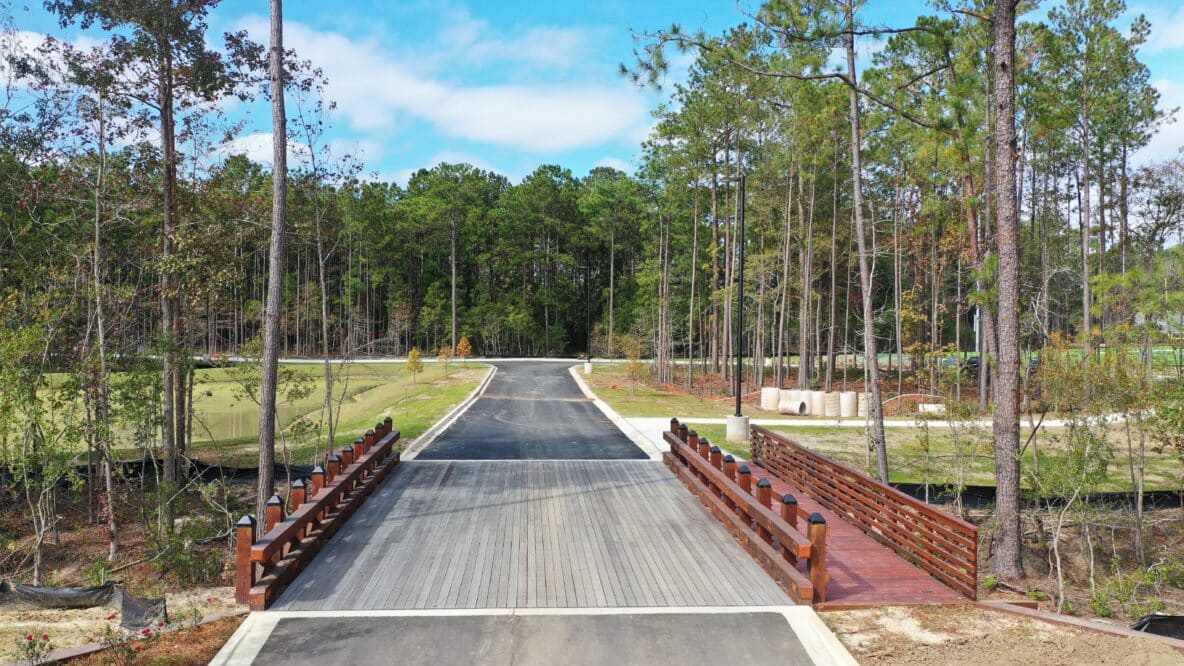
Hanahan Recreation Complex Timber Vehicular Bridge entryway picture in Hanahan, SC

Connecting The Hanahan Community

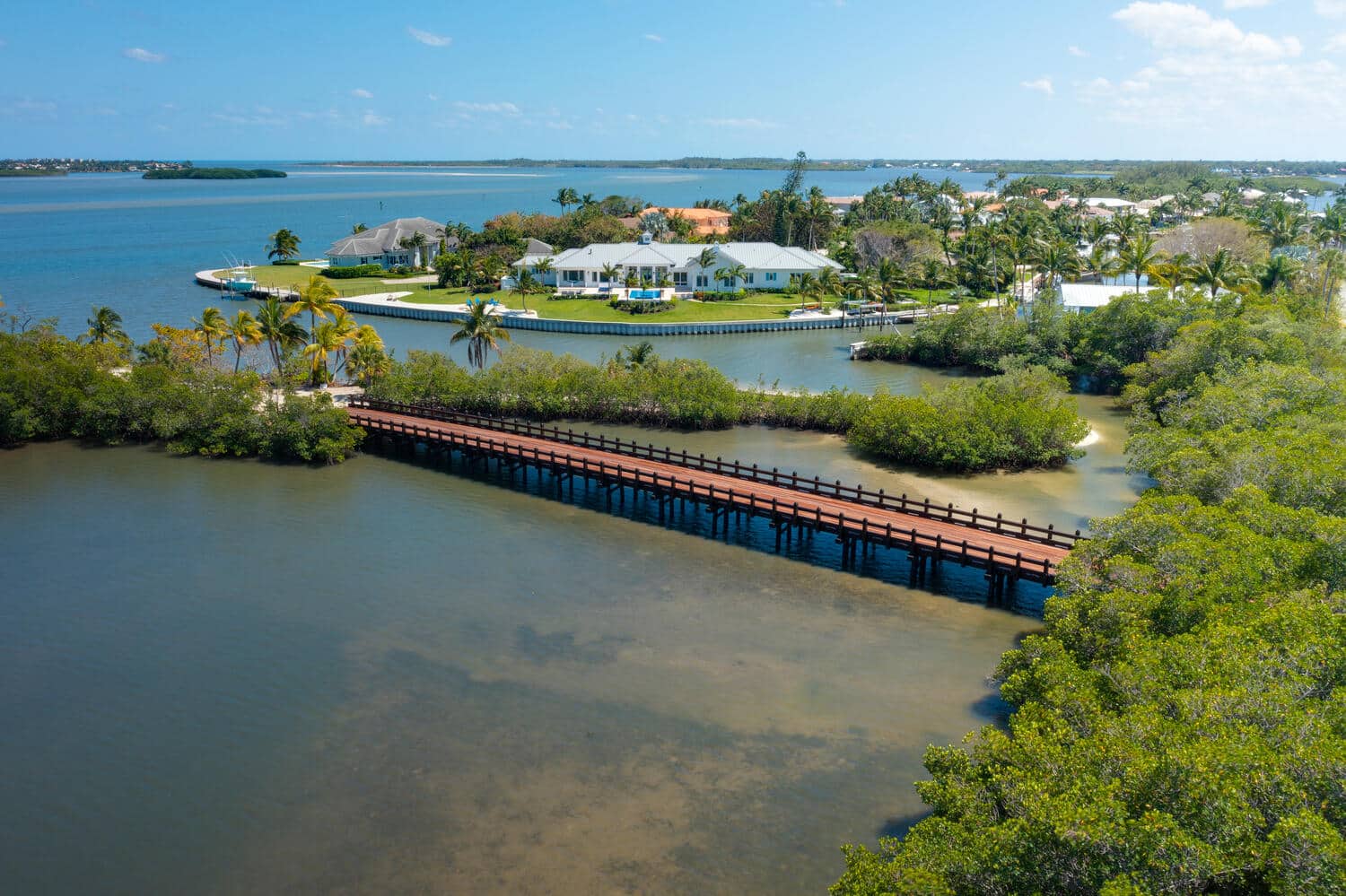
York Bridge Concepts Hanahan Recreation Vehicular Timber Bridge.

At the heart of the picturesque Hanahan Recreational Facility in South Carolina lies a groundbreaking marvel - the Double Vehicular with Attached Pedestrian Timber Bridge by York Bridge Concepts. This timber bridge, combines functionality with artistry, and is set to redefine the landscape and offer a seamless connection for both vehicular and pedestrian traffic.

Project Context & Goals: A Community Connector Built for Real Life

The Hanahan Recreational Facility serves a wide spectrum of users--little-league teams, seniors' walking groups, weekend runners, families with strollers, city staff moving equipment, and emergency responders who need dependable access when seconds matter. The bridge's program was shaped by three guiding goals:

  • Unify the site with intuitive circulation. Cars, carts, and pedestrians should each have a predictable path with minimal crossover and easy wayfinding from parking to fields, courts, and pavilions.
  • Deliver robust capacity with an inviting character. Meet HS20-44 vehicular loading and 90-PSF pedestrian loading while preserving the warmth and human scale that timber provides in a park setting.
  • Minimize lifecycle friction. Specify finishes, details, and drainage that keep routine maintenance simple, quick, and budget friendly--so the bridge looks great season after season.

A successful community bridge does more than cross water; it choreographs arrival, movement, and memory. That choreography begins at the design table and continues through construction practices and long-term care, aligning City objectives with resident experience.

Why Timber for a Recreational Hub 
Timber offers a rare combination of structural capacity, speed of installation, and visual compatibility with natural spaces. It introduces a calm, non-industrial presence along water edges and open lawns, and it can be detailed to perform quietly under vehicles while feeling comfortable underfoot for walkers and joggers. With modern treatments, connection protection, and well-managed drainage, timber's service life and lifecycle cost are compelling--especially when community pride, photography, and place-making matter.

Specifications


  • Vehicular Width:
  • 26' (24'-6" clear)
  • Pedestrian Width:
  • 8’ (6’-10” clear)
  • Length:
  • 45’
  • Height:
  • 6’ (above grade)
  • Capacity:
  • HS20-44
  • Construction:
  • From Ground
  • Span Type:
  • Repetitive Span
  • Material:
  • CCA Treated Southern Yellow Pine & Jatoba Hardwood
  • Foundation:
  • Timber Piles (Acrylic Coated where exposed)
  • Stringers:
  • Rough Sawn Timber (Translucent Coated where exposed)
  • Vehicular Deck System:
  • 1” Hardwood Deck
  • Pedestrian Deck System:
  • 1.5” Timber Deck (Translucent Coated where exposed)
  • Guide Rail:
  • Decero™ Classic Design Series
  • Handrail:
  • Decero™ Horizontal Design Series
  • Crossing:
  • Wetland

New call-to-action

Hanahan's Recreation Hub: Why The Bridge Matters

Hanahan's recreation district is more than a place to park and play--it's a civic stage. Youth sports, weekend fitness classes, seasonal festivals, and community meet-ups all converge here. A double vehicular bridge with an attached pedestrian section does something deceptively simple yet transformational: it turns disconnected activity zones into a cohesive, intuitive experience. The new crossing declutters traffic pinch points, reduces conflict areas between cars and pedestrians, and creates predictable circulation patterns that make arriving, exploring, and returning home feel effortless.

For families hustling between fields and pavilions, the attached pedestrian way provides a comfortable, protected route with clear sightlines. For maintenance crews and emergency vehicles, HS20-44 loading means reliable access no matter the season. And for the City, centralized connectivity lowers operational friction--less time coordinating detours or managing temporary closures, more time focused on programming and service.

A thoughtfully designed timber bridge doesn't just "get you over" water or low-lying ground; it animates the park edge. It establishes a visual landmark people use for wayfinding ("meet by the bridge"), subtly guides foot traffic along natural desire lines, and upgrades the overall sense of place with warm, natural materials that belong in an outdoor amenity. That's what this crossing achieves for Hanahan.


Circulation Strategy: Everyday vs. Event Mode

Recreation sites live two lives: the everyday (after-school practice, morning walks) and event mode (tournaments, festivals, fun runs). The Hanahan bridge supports both.

  • Everyday Operations. The double vehicular lanes keep approach movements smooth and reduce hesitation at entries. The attached pedestrian section pulls people into a safe, parallel corridor that "reads" correctly at first glance.
  • Event Mode Surge. When parking fills and foot traffic spikes, the bridge's geometry and sightlines help prevent pedestrian "eddies" and driver confusion. Temporary event signage can be clipped to rail posts or placed at approaches without visual clutter, since the bridge's line are clean and consistent.
  • Service & Emergency Access. HS20-44 capacity ensures confidence for service trucks, utility vehicles, or emergency apparatus that must cross regardless of weather or attendance.

Parking Interface & Desire Lines 
The most intuitive routes are the ones people already want to take. The bridge aligns with those natural desire lines--minimizing fencing and redirect signs--and links the most used parking clusters to the most used fields. The result is shorter dwell time at decision points, fewer cross-flows, and a calmer site overall.

Conflict Reduction with Clear Hierarchies
A simple hierarchy--vehicles where vehicles belong, people where people belong--removes ambiguity. Rail height, curb edges, decking texture, and approach flares all support that hierarchy. The bridge doesn't rely on enforcement to work; it relies on good geometry.

YBC Creates Strength In Sustainability

York Bridge Concepts takes pride in introducing a bridge that not only stands out in design, but also in sustainability. The repetitive span timber design marries strength, durability, and rich aesthetics. YBC created a timeless solution that speaks to both longevity and environmental consciousness.

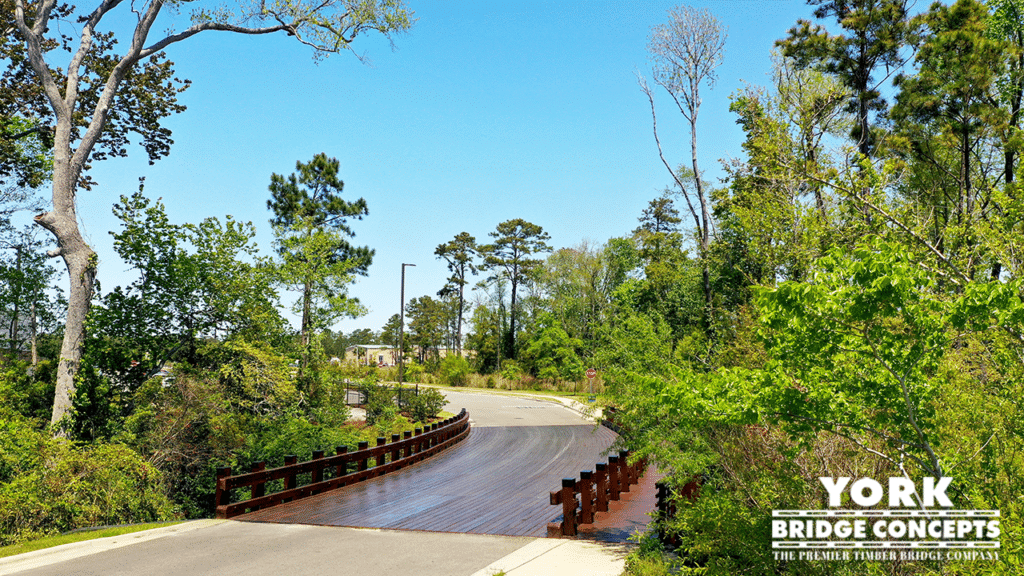
Hanahan Vehicular with an attached pedestrian bridge built by York Bridge Concepts in Hanahan, SC

The Design-Engineer-Build Advantage

York Bridge Concepts brings a unified, Design-Engineer-Build approach to community infrastructure. Instead of handing ideas off from one vendor to another, YBC keeps concept, engineering, detailing, fabrication, and installation aligned from day one. The result is fewer surprises, cleaner communication, and a bridge that feels like it was born to sit exactly where it sits.

What that means for Hanahan:

  • Purpose-built geometry. The repetitive span layout is tuned to the site's topography and hydrology aligning foundations with stable soils, respecting clearances, and managing approaches for both vehicles and pedestrians.
  • Material harmony. The warmth of timber sits comfortably in a natural recreation setting, while coatings and treatments elevate durability and reduce lifecycle maintenance.
  • Coordinated details. From guide rails to handrail pickets and post caps, aesthetic details were considered with the same rigor as load paths and connection design, so the bridge reads as a complete idea--structurally sound and visually coherent.

In community spaces, aesthetics and performance share the same spotlight. YBC's integrated method ensures neither has to step out of it.


Reading the Ground: Geotechnical & Subsurface Considerations

A great bridge begins beneath your feet. Subsurface investigations inform foundation type, depth, and spacing to match the site's soils and anticipated settlements. In recreation settings with variable fill near fields and parking, foundations are designed for uniform performance so ride quality stays smooth and approach joints don't telegraph bumps as seasons change.

Hydrology & Freeboard

Recreational campuses often sit near floodplains or drainage ways. The repetitive span layout respects hydraulic conveyance with smart pier positioning and adequate freeboard over design events. Drainage patterns at approaches are graded to keep water moving away from structural seats and bearing lines.

Foundation Options, Tuned to Site

  • Driven pile foundations for consistency and speed where subsurface allows.
  • Spread footings on improved subgrade where soils support it and access constraints favor shallow work.
  • Hybrid solutions where utilities, root zones, or environmental buffers suggest a lighter footprint.

Whichever path fits, the detailing protects connections from splash and debris, and scour awareness is built into inspection routines.

Built To Meet the Demands of Vehicular Traffic

Engineered to perfection, our bridge boasts an HS20-44 vehicular loading capacity. This means it's not just a bridge; it's a reliable thoroughfare capable of handling heavy traffic demands with ease. The design ensures a smooth and secure passage for vehicles, enhancing the overall connectivity of the Hanahan Recreational Facility.

Image

Engineering The Crossing: Load Paths, Redundancy & Ride Quality

Behind the elegant silhouette is a meticulously engineered framework that delivers day-to-day comfort and long-term safety.

Load Path Clarity. Vehicular loads are introduced through the driving surface into the superstructure and distributed across repetitive spans. Connections are detailed to transfer forces efficiently without introducing problematic stress concentrations. The result is a quiet, stable ride that feels confident and controlled.

Redundancy Where It Counts. Repetition in spans an members helps distribute loads and offers natural redundancy. If a component requires maintenance, the system's overall behavior remains predictable-a hallmark of resilient bridge design.

Deflection & Vibration Control. Thoughtful member sizing and connection strategies minimize deflection and perceptible vibration. For drivers, that translates into a composed crossing; for pedestrians in the attached section, it means a comfortable walk with minimal motion feedback.

Drainage & Surface Performance. Roadway cross-slope and surface detailing prevent nuisance ponding while protecting substructure components. The walking surface receives similar attention, directing water away from high-traffic zones and protecting finishes.

Approach Transitions. Smooth transitions at abutments reduce the "bump" at bridge entries, improving ride quality and lowering future maintenance on approach pavements.

In short, the bridge feels as good as it looks--and it will keep doing so as traffic ebbs and flows with the community's rhythm.


Structural System, Deck-Level Construction & Ride Quality Details

Superstructure Strategy: Strength You Don't Have To Think About

Member sizing, connection patterns, and span rhythm are coordinated to distribute loads without chatter. That's not just about safety--it's about comfort. Drivers recognize stability subconsciously, and pedestrians feel that composure as a steady platform underfoot.


Deck-Level (Top-Down) Construction

In active parks, intrusion matters. A deck-level sequence uses the structure itself as the working platform wherever feasible, which helps:

  • Reduce ground disturbance near play areas and plantings.
  • Shorten closures and keep daily life moving.
  • Maintain better housekeeping and site neatness for residents.


Surface Assemblies & Joints

Approach transitions are detailed to reduce the "thump" at the threshold. Where composite or hardwood wear surfaces are specified, fastener patterns and expansion gaps are calibrated to local climate so surfaces stay true across temperature swings. Traction targets are selected to balance surefootedness with cleanability.


Guardrail & Curb Logic

Vehicle barriers are tuned to loading, while the pedestrian side receives graspable handrails and picket or wire-rope infill that repsects sightlines. The combination protects the walking corridor without turning it into a tunnel.


Acoustics & Vibration

Quiet bridges feel higher quality. Connection detailing reduces rattle. Member proportions limit vibration amplitudes into a range that most users won't perceive, even during synchronized pedestrian movement (team photos, group crossings).

Image

Safe and Secure Pedestrian Experience

Safety is paramount, and our bridge doesn't compromise. The attached pedestrian section is meticulously designed to support a uniform load of 90 pounds per square foot (PSF). This ensures a secure and comfortable walking experience for visitors, adding an extra layer of assurance to the recreational space.

Pedestrian Safety by Design: Separation, Sightlines & Comfort

Attaching a pedestrian section directly to a vehicular bridge is not only space-efficient-it's safer when done right. The Hanahan bridge leverage physical separation, visual cues, and predictable alignment to create a walking experience that feels intuitive from the very first step.

  • Physical Separation. The walking deck stands apart from the vehicular lane with a defined curb or barrier and a dedicated handrail system. This simple choice lowers the likelihood of accidental encroachment.
  • Sightlines & Visibility. Clear, unbroken views allow walkers to read the path ahead and allow drivers to stay aware of pedestrian presence without visual clutter or blind corners.
  • Human-Scale Detailing. Horizontal pickets, comfortable graspable rails, and the warm tactility of timber make the space inviting. Walkers naturally slow down and stay engaged--key to safety in family-heavy recreation zones.
  • Surface Traction. Thoughtful surface selection supports traction in both dry and wet conditions and helps maintain a comfortable, non-glare appearance in bright coastal sun.

The 90 PSF uniform live load rating supports crowd moments--think team photos, post-game meetups, or families pausing to watch the water. Safety isn't just a calculation; it's a feeling designed into every decision.


Pedestrian Comfort, Wayfinding & Programming

Comfort in the Details

Shade patterns, rail cap ergonomics, and the warmth of timber invite slower, safer movement. Subtle tonal contrasts between deck and rail help depth perception for all ages, supporting universal design.


Wayfinding: Know Where You're Going at a Glance

Approach geometry lines up your view of destinations--fields, courts, playgrounds--so the bridge becomes a visual cue. Optional medallions or discreet color bands near landings can align with City branding and field numbering, reinforcing orientation without sign clutter.


Programming the Bridge

Because the pedestrian way offers a generous, clear corridor, it doubles as an edge for programming: banner days, team send-offs, or charity walks. The handrail posts accommodate temporary decor without damaging finishes. With thoughtful rules (no tape on coated rails; use clip-on hardware), the bridge supports community life without sacrificing longevity.


Rest & Pause Zones Nearby

Where alignment permits, benches or seat-walls just off the landings create natural pause points that keep the walking corridor free. These spots becoming informal meet ups--"I'll see you at the bridge"--cementing the structure as a social anchor.

Hanahan Vehicular pedestrian section built by York Bridge Concepts in Hanahan, SC

Aesthetics that Inspire

Beyond its structural excellence, our timber bridge is a work of art. Crafted with an eye for design, it seamlessly blends into the natural surroundings of the Hanahan Recreational Facility. The warm and inviting aesthetics of timber create an atmosphere that complements the facility's overall ambiance, making it not just a structure but an integral part of the landscape with our hardwood decking and Decero designed guide rails and handrails.

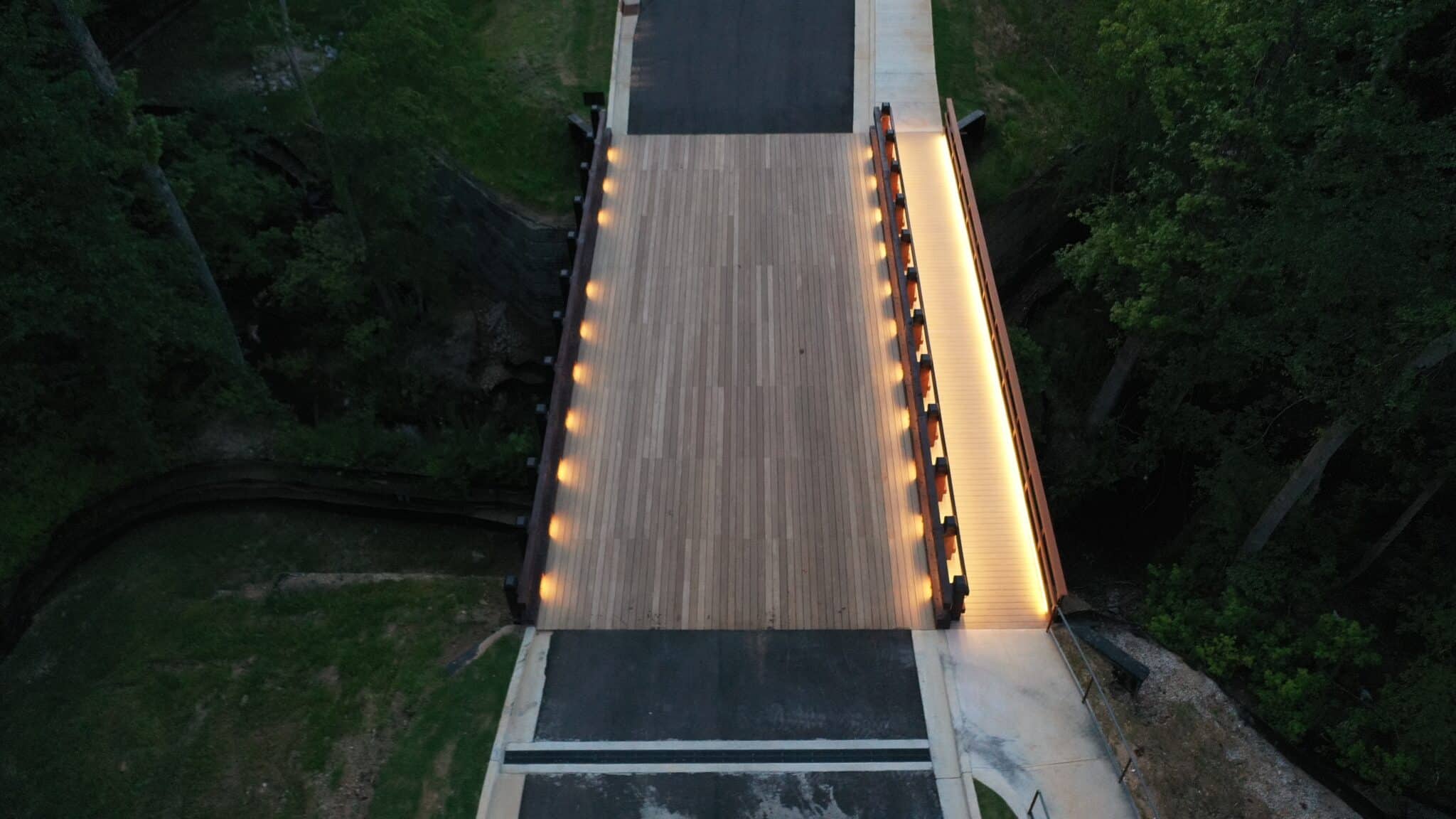
Composed by Day, Confident by Night

A bridge that disappears after sunset is a missed opportunity. Optional low-glare, shielded lighting--rail-integrated or deck-adjacent--extends utility for evening practices and events. The lighting plan emphasizes vertical surface visibility (seeing people) over raw horizontal foot-candles (seeing only pavement), which improves perceived safety.


Glare Control & Dark-Sky Sensitivity

Fixtures are aimed and shielded to protect the night sky avoid light trespass into natural areas. Warmer color temperatures keep the park ambience relaxed and photogenic.


Seasonal Identity

Because the bridge reads as a clean, elegant line, subtle seasonal accents--holiday stringing with approved clips, civic-color banners--feel intentional, not ad hoc. The key is attachment discipline: defined clip types and anchor points prevent finish damage.


Aesthetic Coherence: Timber Warmth, Elegant Lines, Lasting Finish

A beautiful outdoor place deserves infrastructure with presence. The Hanahan bridge blends a modern, streamlined profile with time-honored timber craft. The repetitive span rhythm creates a visual cadence as you approach; handrail lines read clean and confident; post caps add a tailored finish; and the overall palette feels rooted in the Lowcountry landscape.

Material Palette Options. YBC's timber expertise pairs naturally with hardwood or composite decking options, and curated coatings that bring depth to the substructure while letting the superstructure's wood grain speak for itself. The interplay of tones--subdued structural hues and warmer walking surfaces--delivers contrast without shouting.

Nighttime Character. Thoughtful integration of lighting (if chosen by the owner) reinforces safety and extends the bridge's utility into the evening. Subtle, shielded fixtures preserve the night sky and maintain the park's calm ambience while guiding users with a gentle glow.

Photogenic by Design. Landmarks earn their reputation because people want to capture them. The Hanahan crossing is framed for pictures without staging--clean lines, material richness, and human-scale details that make every snapshot feel polished.

YBC's Commitment to Sustainability

York Bridge Concepts is dedicated to sustainable practices. Our timber is sourced responsibly, adhering to the highest environmental standards like the FSC. By choosing our bridge, you're not just investing in infrastructure; you're contributing to the preservation of our natural resources.

Sustainability In Action: Responsible Timber & Low-Impact Delivery

Sustainability begins with material choice and continues through construction and maintenance. Timber is a renewable, responsibly sourced structural material that stores carbon over its service life. When paired with efficient coatings, connection protection, and smart drainage, it delivers excellent performance with a notably light environmental touch.

Responsible Sourcing. YBC works with suppliers who meet rigorous environmental standards (including FSC options when specified), supporting forest stewardship and long-term resource health.

Low-Impact Construction. Wherever site conditions allow, YBC emphasizes methods that minimize disturbance to soils and vegetation around the crossing. Staging, equipment selection, and access planning are all mapped to protect the recreational environment that residents love.

Lifecycle Thinking. Durable finishes and protected connections simplify maintenance, which extends the service life and reduces replacement frequency. Fewer interventions over time mean lower resource consumption and fewer disruptions to the community.

Enduring Beauty, Less Waste. Well-detailed timber ages gracefully. When maintenance is necessary, targeted refinishing can refresh appearance without wholesale replacement--avoiding unnecessary material waste.

Sustainability isn't a line item; it's a discipline woven through design decisions, construction practices, and long-term stewardship.


Sustainability, Lifecycle & Carbon Thinking

Lifecycle Wins Start on Day Zero

Sustainability is not just materials; it's the sum of design, construction, and maintenance choices that reduce waste and extend life.

  • Material Efficiency. Repetitive spans and standardized connections minimize off-cuts and make future replacement predictable.
  • Protected Connections. Keeping water away from bearing lines and fasteners drastically slows deterioration, shrinking lifetime material throughout.
  • Refinish, Don't Replace. When wear shows at high-traffic edges, targeted refinishing refreshes appearance without discarding functional structure.


Carbon Literacy for Civic Projects

Timber stores carbon during service life; responsible sourcing supports forest stewardship. Pair that with light-touch construction and simplified future maintenance, and the emissions profile compares favorably to many heavy, extractive alternatives--especially meaningful in parks where environmental education is part of the mission.


Hanahan vehicular decking with pedestrian bridge built by York Bridge Concepts in Hanahan, SC

A Bridge Tailored to Your Vision

Understanding that each project is unique, our Double Vehicular with Attached Pedestrian Timber Bridge offers customization options. From finishes to architectural details, we collaborate closely with our clients to ensure the bridge seamlessly integrates with the vision for the Hanahan Recreational Facility.

Customization Pathways: From Concept Sketch to Signature Detail

Every community has its own character. In Hanahan, that character is welcoming, family-centric, and outdoors-forward. YBC's customization menu helps the City and its partners dial in details that feel unmistakably "Hanahan."

Handrail Systems. Choose from horizontal pickets for a modern profile, vertical pickets for a heritage look or wire infill options where unobstructed views take priority. Cap profiles, post spacing, and trim accents are coordinated to keep the look cohesive.

Decking Choices. Composite and hardwood options offer different balances of aesthetics, traction, and maintenance. YBC helps owners select the right surface for anticipated traffic volumes, sun exposure, and desired color palette.

Color & Coatings. Substructure tones in deeper grays or earth hues pair beautifully with warm deck finishes. Post caps in black or complementary metallics add a crisp punctuation point to the rail line.

Brand Touches. Laser-cut medallions, subtle logo plates, or municipal color accents can be integrated tastefully where desired--keeping the bridge civic-proud without overpowering the natural setting.

Approach Landscaping. While YBC focuses on the bridge itself, thoughtful plantings and path alignments at approaches complete the experience. Native grasses, low shrubs, and shade-casting trees frame the crossing and invite visitors to linger.

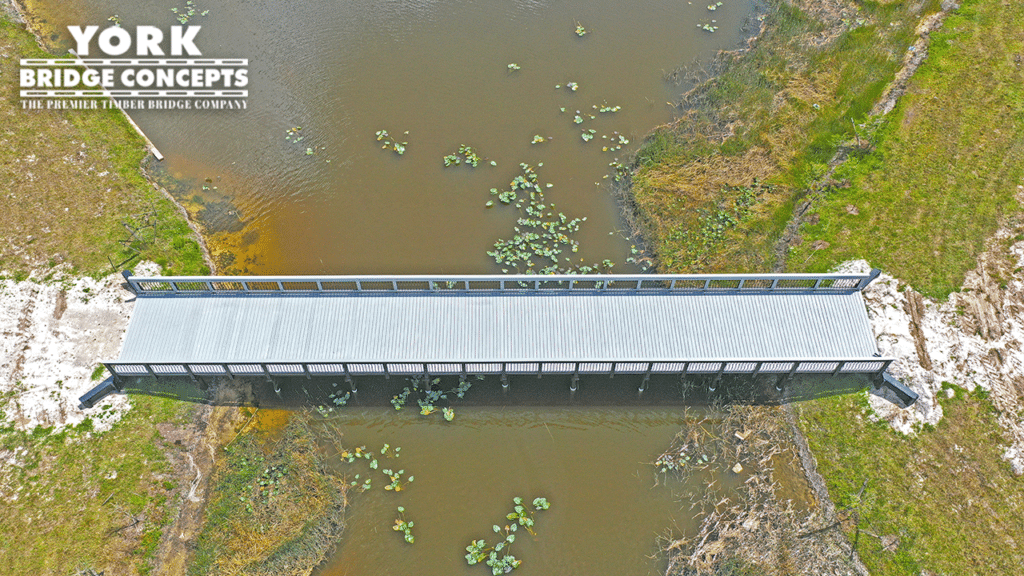
Hanahan vehicular bridge bird's eye view built by York Bridge Concepts

More Than A Crossing

The Hanahan Recreational Facility is on the brink of a transformative journey with the introduction of York Bridge Concepts' innovative timber bridge. It's more than a passage; it's a statement, a commitment to sustainable infrastructure, and an enhancement to the overall recreational experience.

Elevate your master planned recreational space with a bridge that marries strength, sustainability, and aesthetics. 

Contact York Bridge Concepts today and be a part of the bridge set to become an iconic feature of the Hanahan Recreational Facility.


Community Outcomes: Access, Safety, Pride & Programming

Community infrastructure earns its keep by delivering benefits people can feel. This bridge moves the needle in four ways:

  1. Access. Direct, dependable routes for vehicles and pedestrians lower arrival friction and improve event operations. Parents with stroller, athletes with gear, and seniors out for a walk all enjoy simpler mobility.
  2. Safety. Predictable circulation and clear separation reduce conflict points. Emergency access remains reliable regardless of season or event load.
  3. Pride. A bridge with signature presence signals that the City invests in quality--residents notice, visitors remember, and word spreads.
  4. Programming. The bridge becomes a backdrop for community events--photo days, holiday lighting, walk-a-thons--adding flexibility to how the site can be used year-round.

When infrastructure is this well considered, it becomes more than a line on a capital plan. It becomes part of the city's identity.

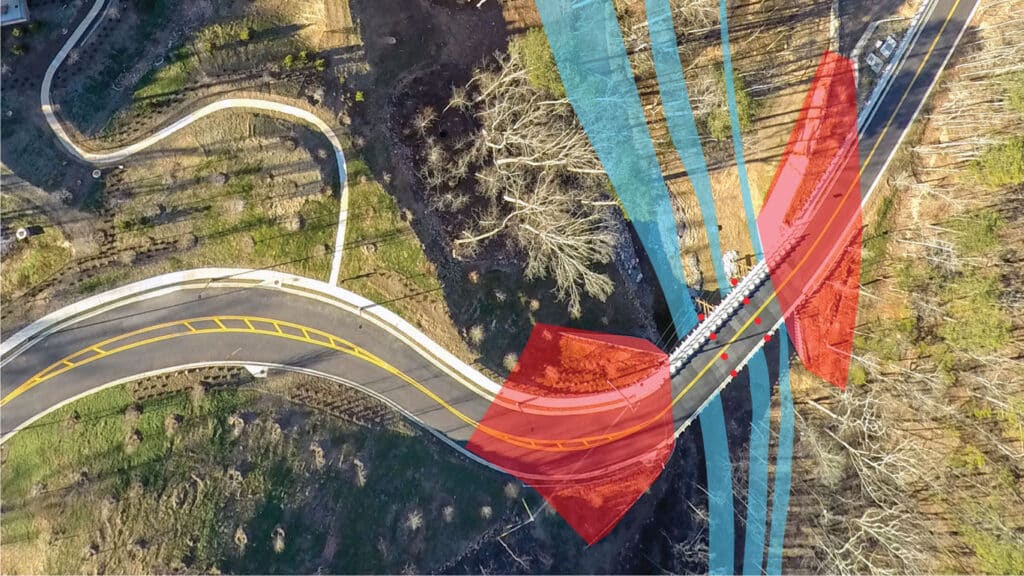
Hanahan vehicular bridge built by York Bridge Concepts in Hanahan, SC

Construction Approach: Building with Care Around People & Nature

Recreation facilities stay busy--even during construction seasons. YBC sequences work to reduce disruptions with clear detours, tight staging footprints, and coordination with City staff and program calendars. The team prioritizes safety zones, signage, and communication so residents always know what's happening and when. Equipment selection balances capability with maneuverability, minimizing turf damage and limiting compaction near tree roots and trail edges.

Where water or drainage features are nearby, erosion and sediment controls protect downstream quality. Materials are staged thoughtfully, and daily site housekeeping keeps the area neat and visitor-friendly. The goal is simple: deliver a landmark with the lightest possible footprint on community life.


Permitting & Compliance: A Friction-Smart Strategy

Municipal projects often intersect with permitting related to waterways, floodplains, utilities, and ADA considerations. YBC's experience with multi-stakeholder projects means design packages anticipate the questions reviewers will ask: hydraulic clearances, flood conveyance, surface slopes, handrail geometry, detectable warnings at landings, and approach alignments that maintain accessibility without compromising the site's character.

By addressing issues early, the team reduces the ping-pong effect between reviewers and designers, keeping schedules dependable and surprises rare.


Image

Operations & Maintenance: A Simple Plan that Works

Longevity is a function of design decisions, user behavior, and maintenance discipline. YBC's recommended O&M plans typically include:

  • Seasonal inspections for surface wear, fastener tightness, joint movement, and surface traction.
  • Drainage checks to confirm water is flowing where it should and not lingering on deck surfaces.
  • Finish touch-ups where high-traffic edges or sun-exposed zones begin to show wear--quick wins that keep the bridge looking new.
  • Documentation updates so staff know what was done, when, and why--critical for predictive maintenance.

A little consistency goes a long way. With a sensible plan, the bridge remains as impressive on year ten as it was on day one.


Procurement, Permitting, O&M Pro Tips & Tech Specs Snapshot

Procurement Pathways: Clarity, Speed, Accountability

Cities have different procurement frameworks; YBC's integrated Design-Engineer-Build approach adapts to them.

  • Single-Contract Delivery. One accountable partner from concept through installation reduces handoffs and RFIs, often compressing schedules and lowering change-order risk.
  • Pre-Construction Services. Early soils review, hydrology coordination, and permitting checklists prevent surprises; constructability input sharpens budgets before fieldwork begins.
  • Owner Visibility. Milestone reviews and site walks keep stakeholders aligned without drowning staff in technical minutiae.


Permitting: Friction-Smart Submittals

A tidy package anticipates reviewer priorities--flood conveyance, freeboard, ADA slopes and landings, handrail geometry, detectable warnings, and utility clearances. Clear drawings with concise narratives shorten review cycles and minimize ping-pong between agencies.


Operations & Maintenance Pro Tips (Beyond the Basics)

You already have a simple plan above--here are "power-user" habits we recommend:

  1. Season Quick-Scans. After heavy weather or big events assign a 10-minute walk to log surface traction, litter at scuppers, and any scrape marks at approaches. Small fixes now prevent bigger repairs later.
  2. Edge Discipline. Where carts or temporary barricades risk rubbing finishes, use protective bumpers or defined "no-touch" zones.
  3. Fastener "Listen Test." YBC will come if you ever hear a new rattle. Tightening a connection early is cheap insurance against broader wear.
  4. Finish Touch-Up Kit. Keep a small, labeled kit on hand for nicks on high-exposure edges. Same-day touch-ups maintain the appearance and seal the system before moisture can intrude.
  5. Document the Micro. Add photos to maintenance logs. Visual history helps future staff understand trends and prioritize budget.


Owner Training & Handover

At closeout, YBC can provide a consultation on drawings, finishes, fastener schedules, inspections, and next steps. A quick consultation equips facilities staff to spot what matters and ignore what doesn't.


Technology Options (If Desired)

  • Counters & Beacons. Non-intrusive pedestrian counters or Bluetooth beacons can quantify usage by hour/day to inform programming and lighting schedules
  • Smart Lighting. Occupancy-sensitive dimming curbs energy use while keeping the bridge welcoming after dusk.
  • QR-Enabled Feedback. Discreet QR plaques at landings link to a City page for resident feedback or event info--community engagement without clutter.


Budgeting & Cost-of-Ownership

Every capital project includes both build cost and care cost. Timber's advantage is not only first cost but also the modularity of care--you can refresh surfaces and components surgically instead of launching full rebuilds. Routine attention (seasonal scans, targeted refinishing) is predictable and minimally disruptive to programming.

Mini Tech Specs Snapshot (Owner-Friendly)

  • Vehicular Loading: HS20-44 (per project documents)
  • Pedestrian Loading: 90 PSF uniform
  • Span Strategy: Repetitive spans tuned to site hydrology and soils.
  • Foundations: Driven piles per geotechnical findings.
  • Superstructure: Engineered timber members with protected connections.
  • Decking: Composite or hardwood options; traction targeted for wet/dry conditions.
  • Rails: Vehicle barrier on drive lanes; graspable pedestrian handrail with picket or wire-rope infill.
  • Drainage: Cross-slope and scupper logic to avoid ponding; approach grading to move water way from bearing points.
  • Lighting (Optional): Shielded, low-glare fixtures; dark-sky aware aiming; warm CCT.
  • Finishes: Coating system calibrated for UV exposure and proximity to water; touch-up protocol provided at closeout.
  • Maintenance: Seasonal inspections; fastener checks; targeted refinish at high-wear zones; logbook with photo history.


What Success Looks Like A Year From Now

  • Parents and kids naturally choose the pedestrian way without being told.
  • Drivers glide on and off the bridge with minimal brake-tap hesitation.
  • Staff handle small finish touch-ups in minutes, not days.
  • Photos of teams, families, and community events almost always feature the bridge by choice, not by chance.
  • The City hears fewer questions about "how do I get from here to there," because the bridge answers those questions by design.

Accessibility & Universal Design: Welcome To Everyone

Accessibility is a design value, not a checklist. The Hanahan bridge design philosophy embraces:

  • Approach grades that keep walking comfortable for a broad range of users.
  • Continuous handrails that are graspable and consistent through transitions.
  • Surface choices that maintain traction even when damp, with minimal glare in bright conditions.
  • Wayfinding clarity, so the route "reads" correctly at a glance, even for first-time visitors.

When infrastructure is universally welcoming, participation rates go up--and that's the point of public spaces.


Risk Management: Resilience & Readiness

Parks are dynamic. Storms roll through, crowds surge, and life happens. Resilient infrastructure begins with conservative design assumptions, robust connections, and drainage that respects how the site actually behaves in heavy weather. It continues with clear operational protocols for temporary closures, quick assessment checklists, and relationships with maintenance partners who can respond rapidly when needed.

The best risk management is designed-in and supported by simple, repeatable practices.

Frequently Asked Questions (Owner/Stakeholder Ready)

Is timber strong enough for vehicular loading?

Yes. When engineered and detailed correctly, timber bridges can meet common roadway loading standards like HS20-44 while offering advantages in constructability and aesthetics.

How does the attached pedestrian section improve safety?

Physical separation, handrail systems, and sightline management keep users in the right space and reduce conflict points with vehicles.

What about maintenance compared to other materials?

All bridges need care. With modern finishes, protected connections, and good drainage, timber can deliver competitive lifecycle performance with targeted, low-disruption maintenance.

Can the finish colors be customized?

Absolutely. Substructure and superstructure finishes, rail accents, and post caps can be coordinated to match civic branding or blend seamlessly with the site.

How long will it take to build?

Schedules depend on site conditions and phasing, but integrated Design-Engineer-Build delivery typically streamlines timelines by reducing handoffs.

Is the bridge adaptable in the future?

Yes. YBC can plan for lighting, signage, or technology upgrades and can coordinate replacement of surface components without overhauling the structural system.

Resident's Journey: A Mini Story

It's Saturday morning. Families arrive for back-to-back soccer matches. The new bridge pulls traffic into a simple loop--no guesswork, no bottlenecks. Parents park, kids shoulder backpacks, and everyone naturally moves to the attached pedestrian way. Handrails guide them along; the deck feels solid under foot; and a cool breeze follows the water below. After the games, the same bridge becomes a backdrop for photos, then a quiet walkway for afternoon joggers. Later, under a soft evening glow, it hosts a charity walk. One bridge-- multiple modes, moods, and memories--woven into the everyday fabric of Hanahan.

Create an amazing experience for your local park:


GET YOUR QUOTE

All Feature Projects


What's Best: A Culvert Or A Timber Bridge?

Understand the considerations you should make before choosing your crossing method.

What Is The Best Span Type For My Project?

See how creative scoping, design, & usage work to create the perfect spanning solution for your project.

Which Load Capacity I Need?

Understand the different load capacities for usage that are needed for your project.

How Do I Cross An Environmentally Sensitive Area?

Learn how YBC crosses protected areas with our Deck-Level Construction.

How Do I Create A Landmark?

Create a memorable icon for your development project with a YBC Legacy Timber Bridge.

How Long Does A Timber Bridge Last?

Extend the lifespan of your timber bridge to over 75 years using these guidelines, material selection, protection & maintenance practices.


Placeholder Image

Culvert Or Bridge

If you're considering using a culvert for your crossing project. Click below to understand the best fit for your project.
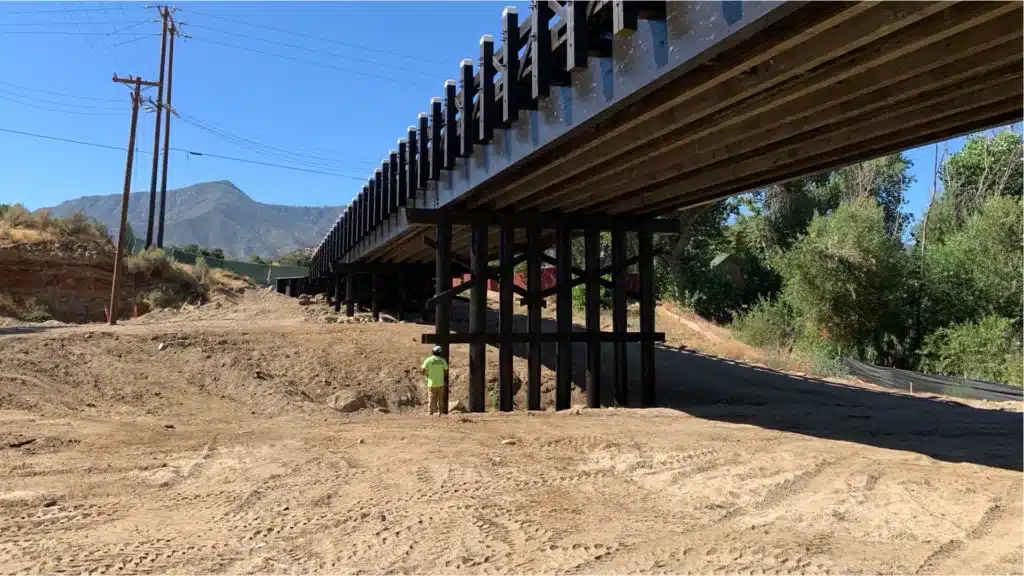
Culvert Or Bridge
Placeholder Image

Spanning Solutions

Spanning a crossing is one of the most important aspects of your crossing project. Find the best solution for your crossing needs.
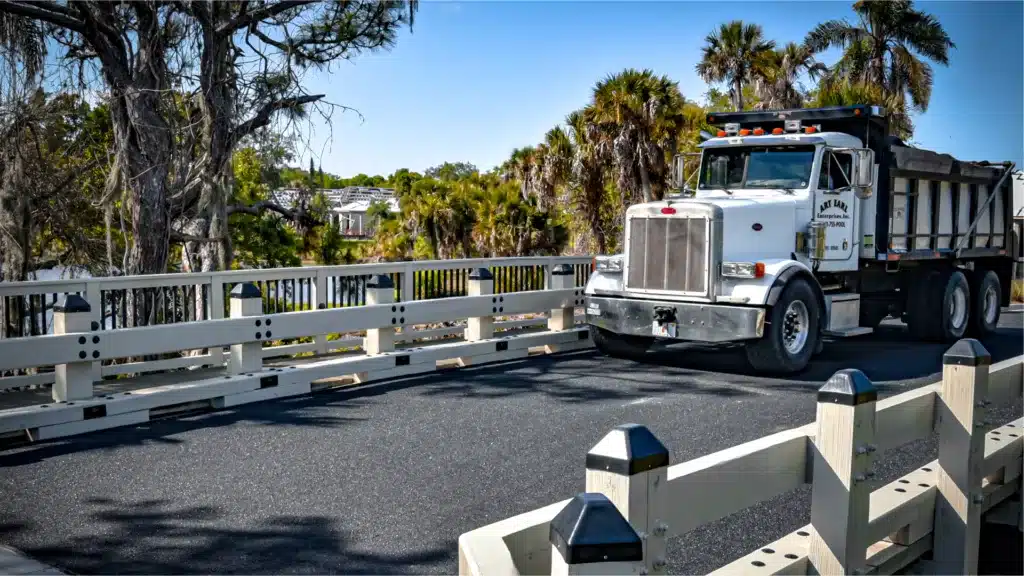
Spanning Types
Placeholder Image

Uses & Capacities

The load capacity of a timber bridge may surprise you. See specs for different loads and uses that will help your decision-making process.

Bridge Loads & Usages