Black Locust Wood

Naturally Durable Hardwood for Sustainable Timber Bridge Construction

Selecting the right wood species is one of the most important decisions in bridge design.

The performance, durability, maintenance requirements, appearance, and longevity of a timber bridge are all influenced by the materials chosen. Among North America’s most remarkable hardwoods, Black Locust has earned a reputation for exceptional strength, natural decay resistance, and long-term performance in demanding outdoor environments.

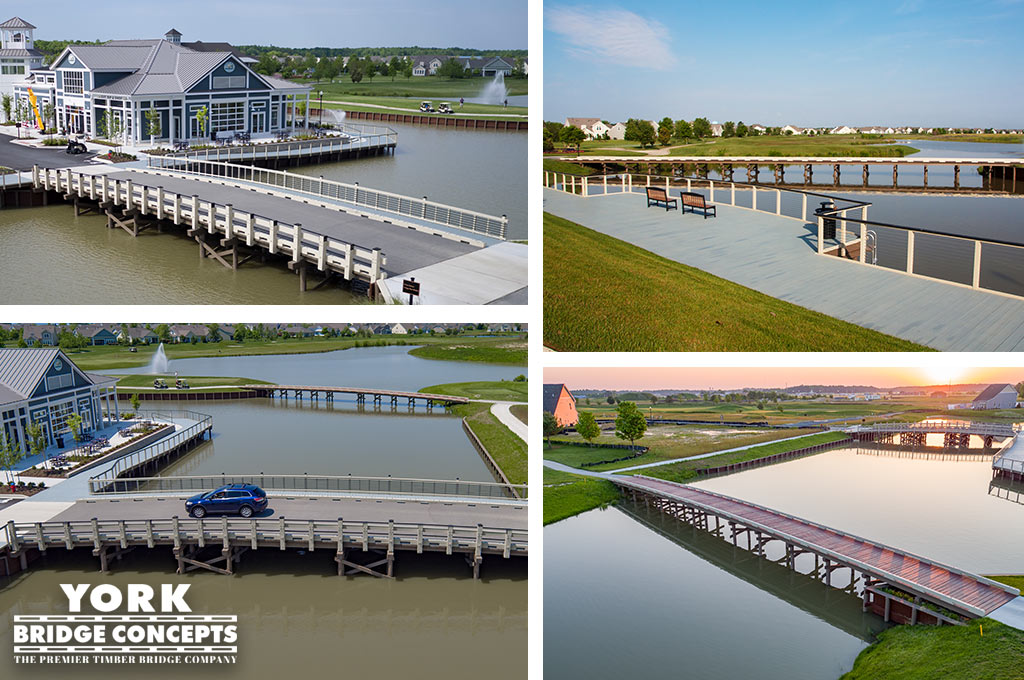
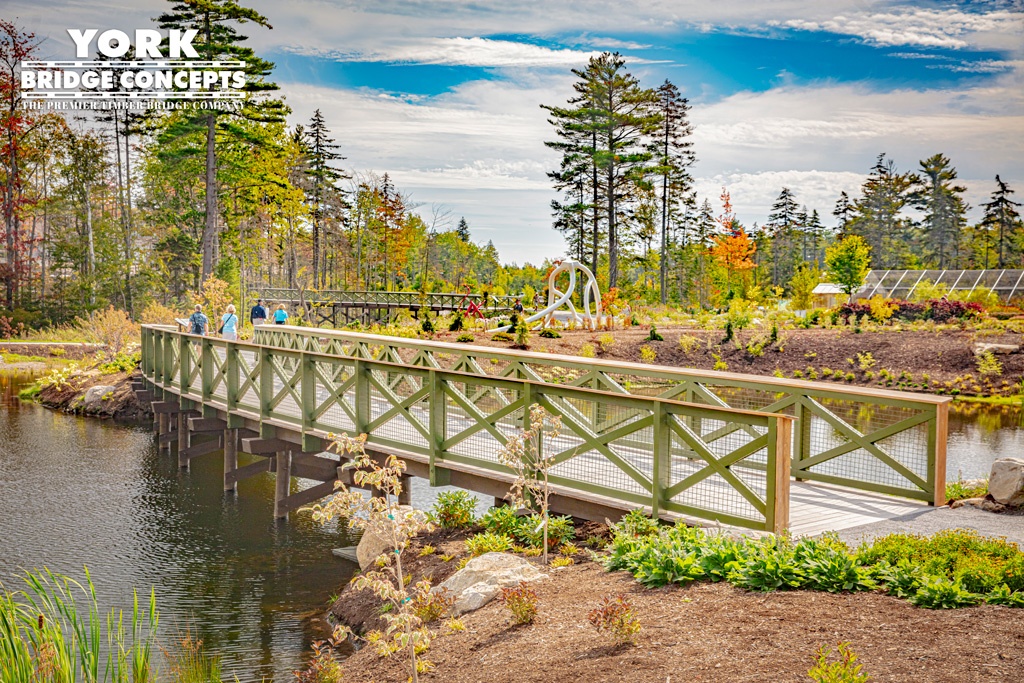
At York Bridge Concepts, Black Locust is incorporated into select bridge applications where its unique characteristics provide both structural and aesthetic advantages. Whether used for pedestrian bridges, boardwalks, decking, or architectural features, Black Locust offers a naturally durable alternative that complements YBC’s commitment to sustainable infrastructure and timeless craftsmanship. YBC has featured Black Locust in projects such as the Discovery Bridge at Coastal Maine Botanical Gardens and the Heritage Shores boardwalk and bridge system.

What Is Black Locust Wood?

Black Locust (Robinia pseudoacacia) is a North American hardwood recognized for its exceptional natural durability and resistance to decay.

Unlike many exterior wood products that require chemical treatment for outdoor use, Black Locust contains naturally occurring compounds within its heartwood that help resist:

  • Decay
  • Moisture damage
  • Insect attack
  • Weathering

Because of these characteristics, Black Locust has been used for generations in demanding outdoor applications including bridges, marine structures, fencing, boardwalks, and heavy timber construction.

Why Black Locust Is Ideal for Bridge Construction

Bridge materials must perform under some of the harshest environmental conditions.

They are continually exposed to:

  • Rain
  • Snow
  • UV radiation
  • Moisture
  • Freeze-thaw cycles
  • Heavy pedestrian traffic
  • Changing temperatures

Black Locust performs exceptionally well under these conditions because of its combination of strength and natural durability.

Key benefits include:

  • Exceptional decay resistance
  • High structural strength
  • Long service life
  • Low maintenance requirements
  • Renewable domestic hardwood
  • Beautiful natural appearance

These characteristics make Black Locust particularly well suited for bridges located within parks, wetlands, waterfronts, botanical gardens, and environmentally sensitive landscapes.

Natural Durability Without Chemical Treatment

One of Black Locust’s greatest advantages is its natural resistance to decay.

Unlike pressure-treated lumber that relies on preservative treatments, Black Locust contains naturally durable heartwood that performs exceptionally well in exterior applications without chemical treatment. This makes it an attractive choice for environmentally sensitive projects where minimizing chemical exposure is a priority.

Benefits include:

  • Reduced environmental impact
  • Lower maintenance
  • Excellent longevity
  • Natural weather resistance
  • Sustainable material selection
Exceptional Strength

Black Locust is one of the strongest hardwoods native to North America.

Its excellent mechanical properties make it suitable for demanding structural and architectural applications where durability and strength are essential. Engineers have long recognized Black Locust for its high compressive strength, stiffness, and wear resistance, making it an excellent material for pedestrian bridges and specialty timber structures.

Sustainable Material for Modern Infrastructure

As communities increasingly prioritize sustainable construction, Black Locust continues to gain attention as a renewable domestic hardwood.

Environmental advantages include:

  • Renewable resource
  • Domestic sourcing
  • Carbon storage
  • Reduced transportation impacts
  • Lower embodied carbon compared with many conventional materials

Because it is harvested within North America, Black Locust can often reduce transportation distances compared to imported tropical hardwoods while providing excellent long-term performance.

Beautiful Aging Characteristics

One of the reasons architects and landscape designers appreciate Black Locust is the way it matures over time.

As the wood naturally weathers, it develops a distinguished patina that complements parks, botanical gardens, trails, waterfronts, and natural landscapes.

Rather than appearing artificial, Black Locust ages gracefully, helping bridges feel like an organic extension of their surroundings.

Black Locust for Pedestrian Bridges

Pedestrian bridges frequently benefit from Black Locust because they place greater emphasis on both aesthetics and user experience.

Applications include:

  • Botanical gardens
  • Nature preserves
  • Parks
  • Greenways
  • Community trails
  • Educational campuses
  • Eco-tourism destinations

The Discovery Bridge at Coastal Maine Botanical Gardens demonstrates how Black Locust can contribute to a bridge that blends seamlessly into a sensitive natural environment while providing long-term durability.

Black Locust for Boardwalk Construction

Boardwalk systems often operate within some of the most demanding environmental conditions.

Moisture, humidity, standing water, and heavy pedestrian traffic all require materials capable of long-term performance.

Black Locust has become an excellent choice for:

  • Wetland boardwalks
  • Coastal pathways
  • Nature trails
  • Observation platforms
  • Waterfront promenades

Its natural decay resistance makes it particularly well suited for these applications while reducing long-term maintenance requirements.

Featured Projects Utilizing Black Locust

Coastal Maine Botanical Gardens

YBC’s Discovery Bridge serves as an architectural centerpiece while crossing sensitive wetland environments within one of New England’s premier botanical gardens.

Black Locust contributes both durability and natural beauty that complements the surrounding landscape.

Heritage Shores

Located within a premier golf community, Heritage Shores features boardwalks, pedestrian bridges, golf cart bridges, and vehicular crossings where carefully selected timber materials help create an inviting and environmentally responsible destination.

Black Locust & Sustainable Bridge Design

Material selection plays a major role in sustainable infrastructure.

Black Locust supports environmentally responsible bridge construction through:

  • Renewable harvesting
  • Long service life
  • Reduced replacement frequency
  • Natural decay resistance
  • Lower lifecycle maintenance
  • Domestic sourcing

These characteristics align with York Bridge Concepts’ philosophy of designing infrastructure that balances performance, longevity, and environmental stewardship.

Pairing Black Locust With Deck-Level Construction™

Material selection is only one part of sustainable bridge construction.

York Bridge Concepts also utilizes its proprietary Deck-Level Construction™ methodology to minimize impacts during installation.

Benefits include:

  • Reduced wetland disturbance
  • Protection of vegetation
  • Reduced soil compaction
  • Preservation of natural habitats
  • Improved environmental stewardship

When combined with naturally durable materials such as Black Locust, this construction approach helps create bridges that respect both the built and natural environments.

Applications for Black Locust Wood

Black Locust is well suited for projects including:

Botanical Gardens

Providing durable pedestrian infrastructure within highly landscaped environments.

Parks & Recreation

Supporting trails, boardwalks, and pedestrian bridges.

Nature Preserves

Creating environmentally sensitive access through protected landscapes.

Wetland Crossings

Offering natural durability within moisture-rich environments.

Eco-Tourism Destinations

Enhancing visitor experiences while preserving natural resources.

Golf Communities

Providing attractive boardwalks and pedestrian connections.

Educational Campuses

Creating outdoor learning environments through sustainable infrastructure.

Why Choose York Bridge Concepts?

For more than 40 years, York Bridge Concepts has carefully matched materials to the unique demands of every project.

Clients choose YBC because of our:

  • More than 9,000 bridges built
  • Design-Engineer-Build™ methodology
  • Expertise in premium timber materials
  • Sustainable construction practices
  • Proprietary Deck-Level Construction™ process
  • In-house engineering capabilities
  • Nationwide and international experience

By combining high-performance materials such as Black Locust with innovative engineering and environmentally responsible construction, we create bridges that are designed to perform beautifully for generations.

Building With Nature’s Strength

Black Locust represents the best of what natural materials can offer.

Strong.

Durable.

Sustainable.

Beautiful.

Whether incorporated into a pedestrian bridge, boardwalk, botanical garden crossing, or custom architectural feature, Black Locust helps create infrastructure that performs exceptionally while blending harmoniously with the surrounding landscape.

At York Bridge Concepts, thoughtful material selection is part of our commitment to designing bridges that connect people, protect the environment, and stand the test of time.