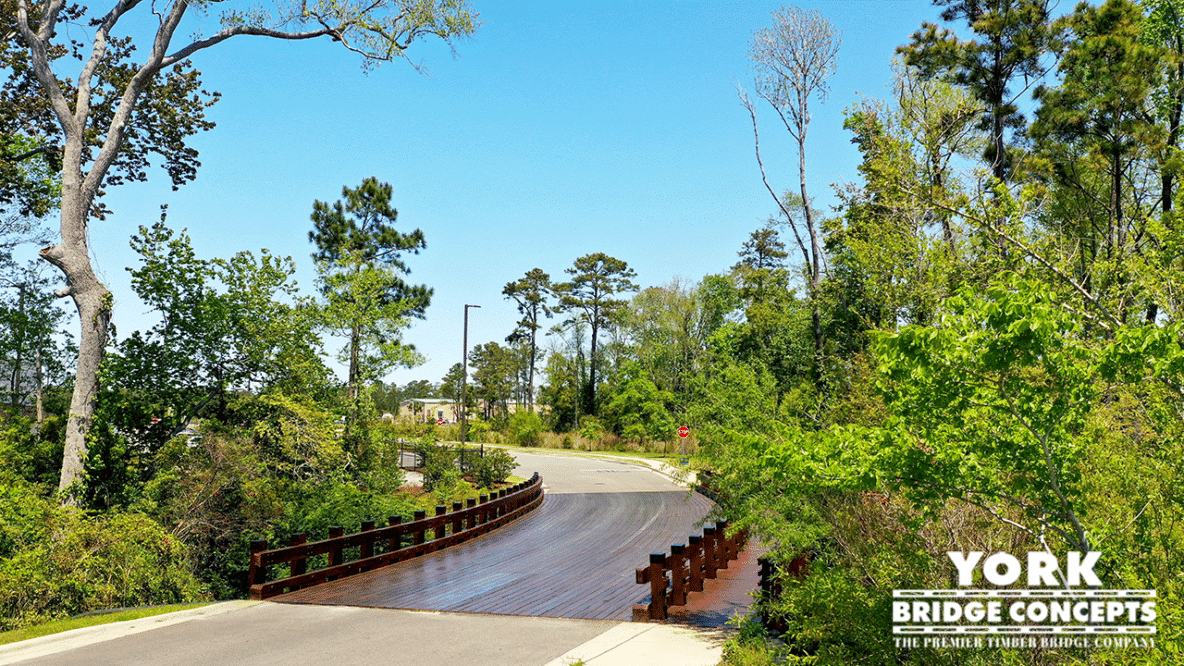
Mixed-Use Development Bridges
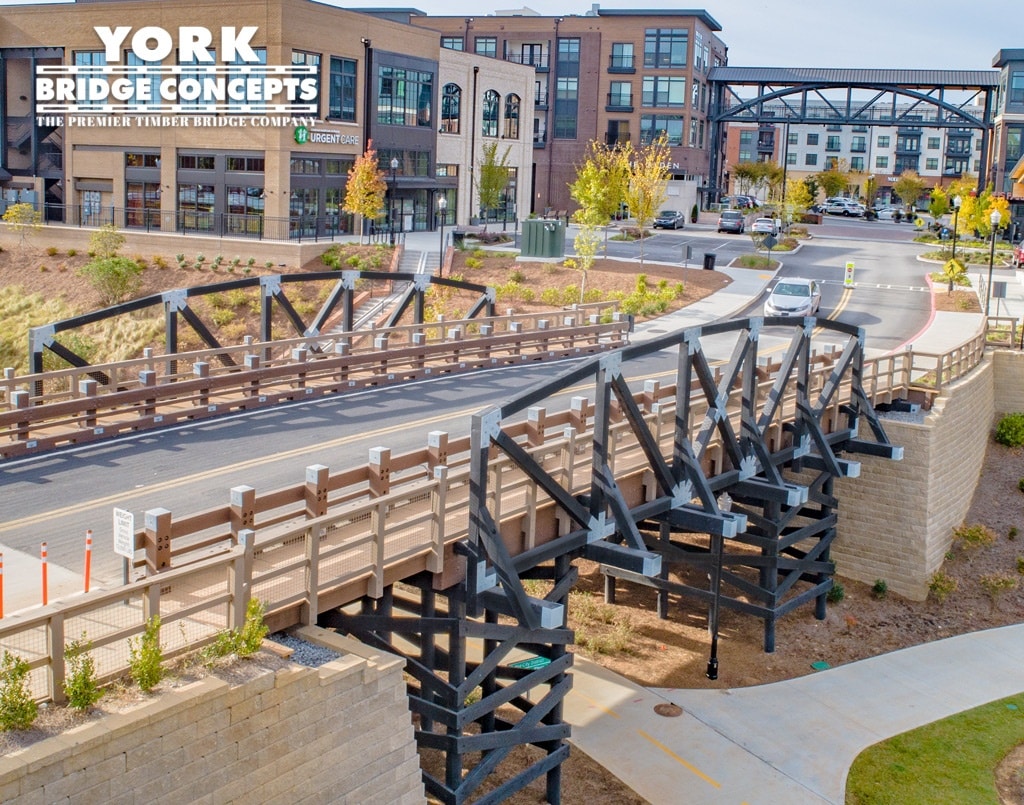
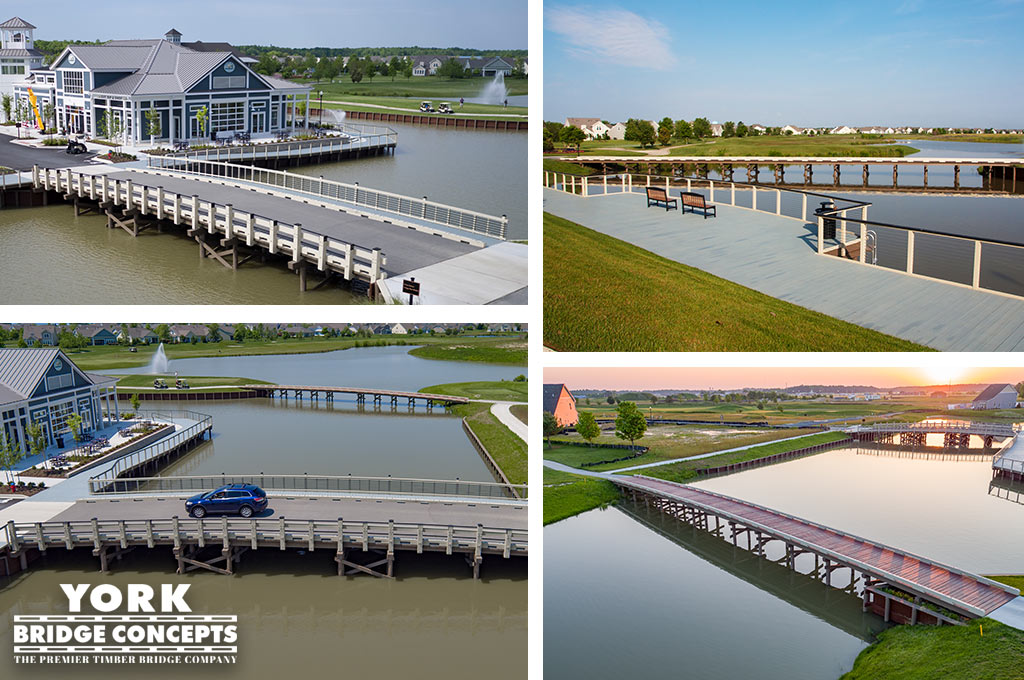
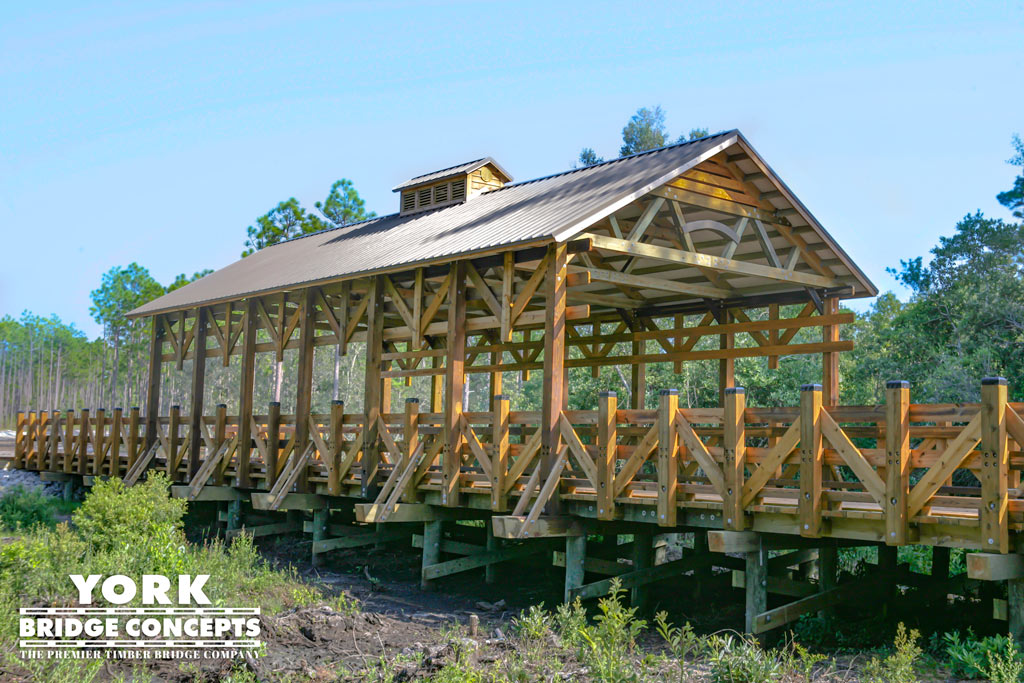
Today’s mixed-use developments are designed to create vibrant, walkable destinations where people can live, work, shop, dine, and gather in one connected environment. As these communities continue to evolve, infrastructure plays a critical role in shaping the overall experience. Custom timber bridges, boardwalks, and pedestrian connections improve mobility while becoming defining architectural features that reinforce the identity of the development.
For more than 40 years, York Bridge Concepts (YBC) has specialized exclusively in designing and constructing custom timber bridge systems for mixed-use developments throughout North America. Through our integrated Decero™ Design-Engineer-Build™ process and proprietary Deck-Level (Top-Down) Construction™ methodology, we create sustainable infrastructure that enhances connectivity, protects natural environments, and delivers lasting architectural value. YBC has designed bridge systems for mixed-use communities ranging from urban redevelopment projects and lifestyle centers to waterfront districts and master-planned developments.
Why Bridges Matter in Mixed-Use Developments
Successful mixed-use developments depend on seamless movement between residential, retail, office, hospitality, and recreational spaces.
Custom timber bridges help connect:
- Residential neighborhoods
- Retail districts
- Restaurants and entertainment venues
- Office campuses
- Hotels and resorts
- Public parks
- Greenway trail systems
- Parking facilities
- Community gathering spaces
- Waterfront amenities
Rather than acting solely as transportation infrastructure, bridges become landmarks that encourage exploration, increase walkability, and create memorable experiences for residents and visitors alike.
Designing Walkable Communities
Walkability has become one of the most important characteristics of modern development.
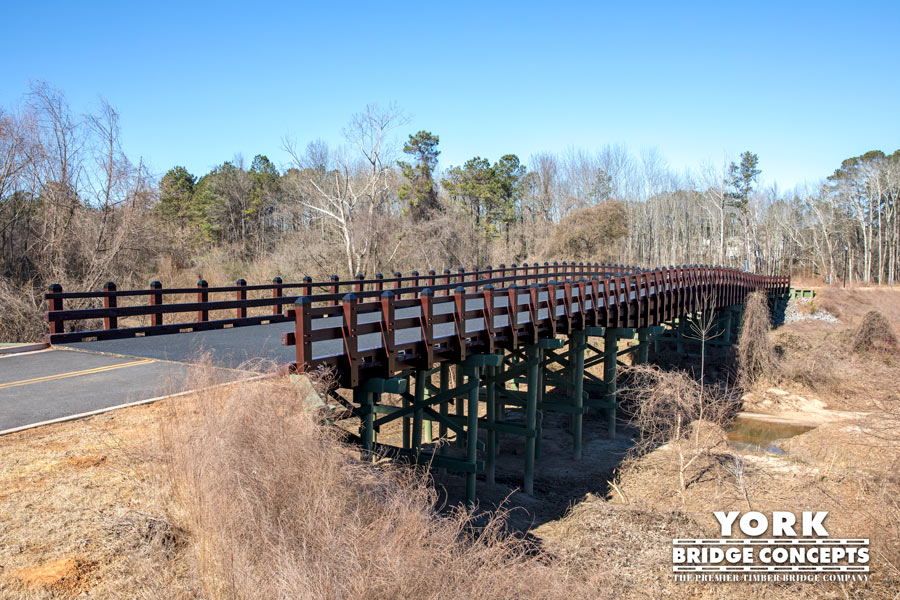
Timber bridges help reduce barriers by providing safe, attractive crossings over:
- Lakes
- Streams
- Wetlands
- Stormwater features
- Floodplains
- Roadways
- Utility corridors
- Landscaped water features
These connections encourage walking and cycling while helping reduce dependence on vehicles throughout the development.
Pedestrian Bridges for Mixed-Use Communities
Pedestrian bridges often serve as the backbone of a mixed-use development’s circulation network.
Applications include:
- Public plazas
- Retail promenades
- Waterfront districts
- Community parks
- Residential amenities
- Outdoor gathering areas
- Entertainment districts
- Campus-style developments
Every bridge is custom engineered to accommodate anticipated pedestrian traffic while enhancing the architectural vision of the project.
Vehicular Bridges That Create Signature Entrances
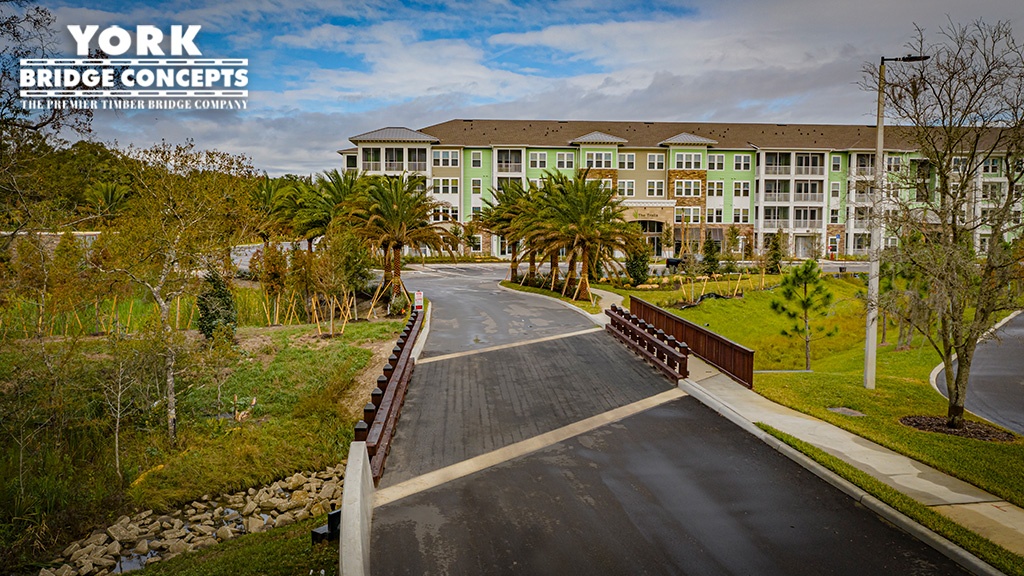
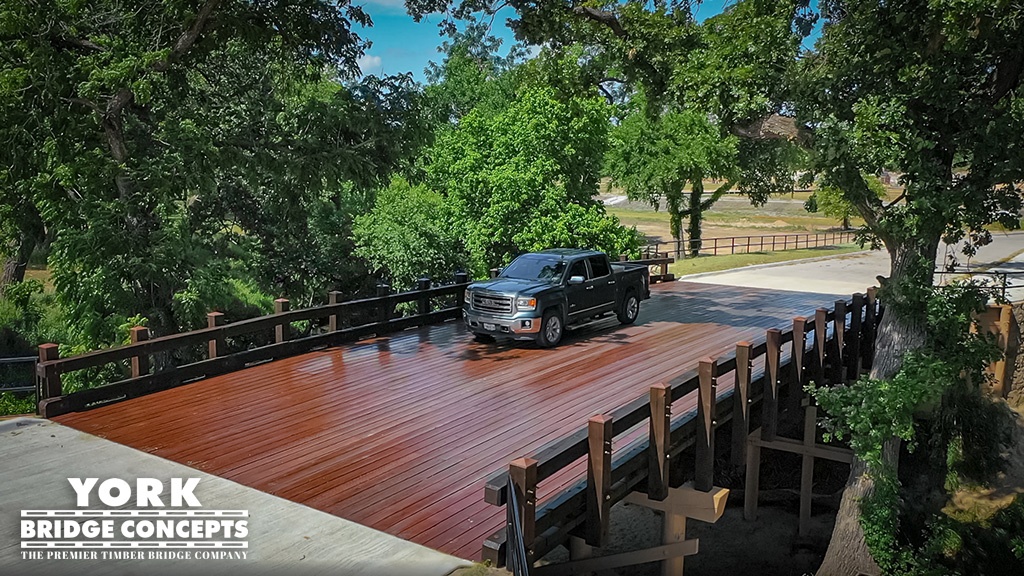
Many mixed-use developments incorporate custom vehicular bridges that establish a strong first impression.
YBC designs bridges for:
- Community entrances
- Primary access roads
- Hotel and resort arrivals
- Commercial districts
- Residential gateways
- Internal roadway systems
Depending on project requirements, bridges can be engineered for HS20-44 loading and, where applicable, HL-93 loading criteria, safely supporting passenger vehicles, emergency responders, maintenance equipment, and service traffic.
Boardwalks That Activate Waterfront Spaces
Mixed-use developments frequently incorporate lakes, ponds, wetlands, rivers, and coastal environments into their master plans.
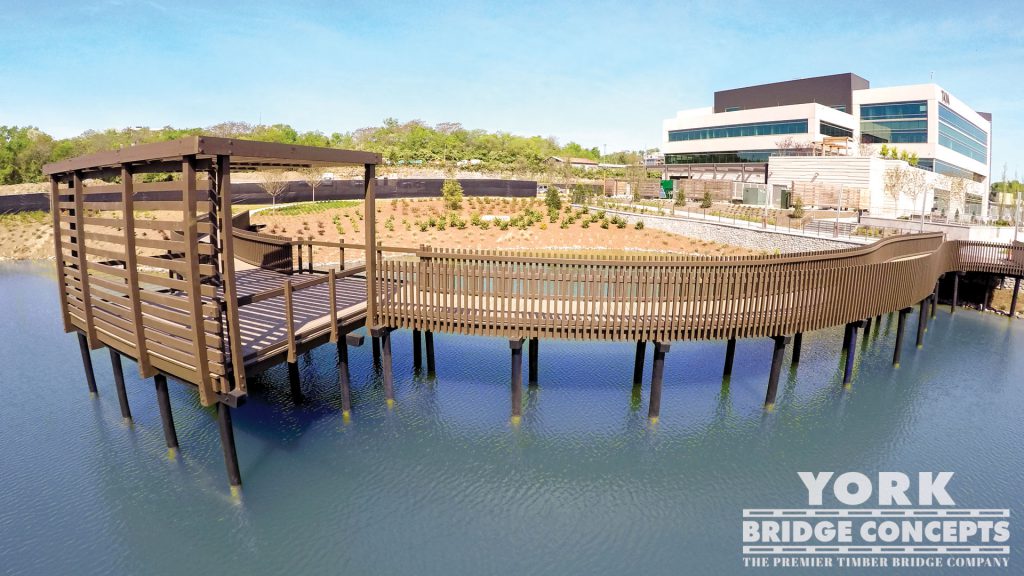
Elevated timber boardwalks provide access while preserving these natural features.
Applications include:
- Waterfront promenades
- Marina districts
- Wetland parks
- Outdoor dining areas
- Public gathering spaces
- Community trails
- Observation decks
- Fishing piers
These structures encourage year-round outdoor activity while strengthening the connection between people and the surrounding landscape.
Architecture That Enhances Property Value
Infrastructure should contribute to the identity of a development—not simply provide access.
York Bridge Concepts works closely with developers, architects, and landscape architects to create bridges that complement surrounding buildings and public spaces.
Customization options include:
Premium Rail Systems
- Heavy timber railings
- Scenic wire mesh systems
- Horizontal rail designs
- Decorative steel panels
- Cable railing systems
Decking Options
- Southern Yellow Pine
- Tropical hardwood decking
- Composite decking
- Recycled Plastic Lumber (RPL)
Architectural Enhancements
- Decorative lighting
- Premium stains
- Acrylic polymer coatings
- Custom post caps
- Community branding elements
- Integrated landscaping
These features help every bridge become a memorable part of the overall development.
Sustainable Infrastructure for Modern Development
Environmental responsibility has become an essential consideration for today’s developers.
York Bridge Concepts’ proprietary Deck-Level (Top-Down) Construction™ methodology minimizes construction impacts by allowing crews to progressively build from the completed bridge deck.
Benefits include:
- Reduced wetland disturbance
- Minimal soil compaction
- Less vegetation removal
- Fewer temporary construction roads
- Reduced habitat disruption
- Lower restoration requirements
This low-impact construction approach is especially valuable for developments incorporating lakes, wetlands, greenways, and conservation areas into their master plans.
Engineered for Long-Term Performance
Mixed-use developments require infrastructure designed to perform for decades under continuous public use.
Every YBC bridge is engineered using:
- Premium structural timber
- Engineered glulam members
- Corrosion-resistant hardware
- Advanced protective coatings
- Site-specific structural engineering
- Durable decking systems
Combined with routine inspections and preventative maintenance, YBC bridges are designed with an anticipated 75+ year design life, helping developers maximize long-term value while reducing lifecycle costs.
Ideal Applications
York Bridge Concepts partners with developers across numerous mixed-use environments, including:
- Lifestyle centers
- Town centers
- Urban redevelopment districts
- Transit-oriented developments
- Waterfront developments
- Residential and retail communities
- Hospitality destinations
- Entertainment districts
- Office campuses
- Master-planned communities
Each bridge is designed to support both the operational needs and the architectural vision of the project.
Why Timber Is the Ideal Material
Timber offers unique advantages for mixed-use developments.
Benefits include:
- Warm architectural appearance
- Renewable building materials
- Lower embodied carbon
- Natural carbon storage
- Excellent strength-to-weight ratio
- Design flexibility
- Long service life
- Seamless integration with natural landscapes
These characteristics help developments achieve sustainability objectives while creating memorable public spaces that stand apart from conventional infrastructure.
Why Choose York Bridge Concepts?
Since 1985, York Bridge Concepts has focused exclusively on custom timber bridge systems.
Our integrated Decero™ Design-Engineer-Build™ process includes:
- Site evaluation
- Master planning collaboration
- Structural engineering
- Architectural coordination
- Material selection
- Environmental permitting support
- On-site construction
- Quality assurance
- Long-term maintenance planning
With more than 9,000 bridges completed, YBC has earned a reputation for creating infrastructure that strengthens communities, enhances property values, and supports sustainable development. Our experience across residential, commercial, hospitality, and municipal markets enables us to deliver bridge solutions that seamlessly integrate into today’s most successful mixed-use developments.
Create Connected Places That Inspire
The best mixed-use developments are remembered not just for their buildings, but for the experiences they create. Thoughtfully designed bridges and boardwalks encourage people to explore, gather, and engage with the spaces around them. York Bridge Concepts delivers custom timber infrastructure that transforms mixed-use developments into connected, walkable destinations built for generations.
- All
- Alabama
- Architectural-Design
- Arizona
- Avenue Collection
- Boardwalks
- Bridge Education
- Bridge Types
- California
- Case Study
- Classic
- Colorado
- Commercial Bridges
- Community Designed Projects
- Connecticut
- Construction Techniques for Wood Bridges
- Contemporary Series
- Covered Bridges
- Culvert vs Bridge
- Delaware
- Eco-Tourism Bridges
- Environmental Benefits of Wooden Bridges
- Environmental Mitigation
- Extreme Grades
- Featured
- Floodplain
- Florida
- Free Span Bridge
- Georgia
- Golf Cart Bridge Designs
- Golf Cart Bridges
- Idaho
- Illinois
- International
- Lakes
- Locations
- Louisiana
- Maine
- Maryland
- Massachusetts
- Master Planned Community
- Michigan
- Missouri
- Mixed-Use Development
- Montana
- Multiple Crossings
- Multiple Span
- New Hampshire
- New Jersey
- New York
- North Carolina
- Ohio
- Oklahoma
- Overpasses
- Pedestrian Bridge Designs
- Pedestrian Bridges
- Pennsylvania
- Popular Articles
- Prefabricated Bridges For Sale
- Private Collection
- Repetitive Span
- Retail Developments
- Short Span Timber Bridges
- South Carolina
- Span Types
- Streams
- Tennessee
- Texas
- The LiNK
- Timber Bridge Designs
- Timber vs Steel
- Types of Wood Bridges
- Uncategorized
- Vehicular Bridge Designs
- Vehicular Bridges
- Virginia
- Waterside Collection
- West Virginia
- Wetland Conservation Conservation Bridges