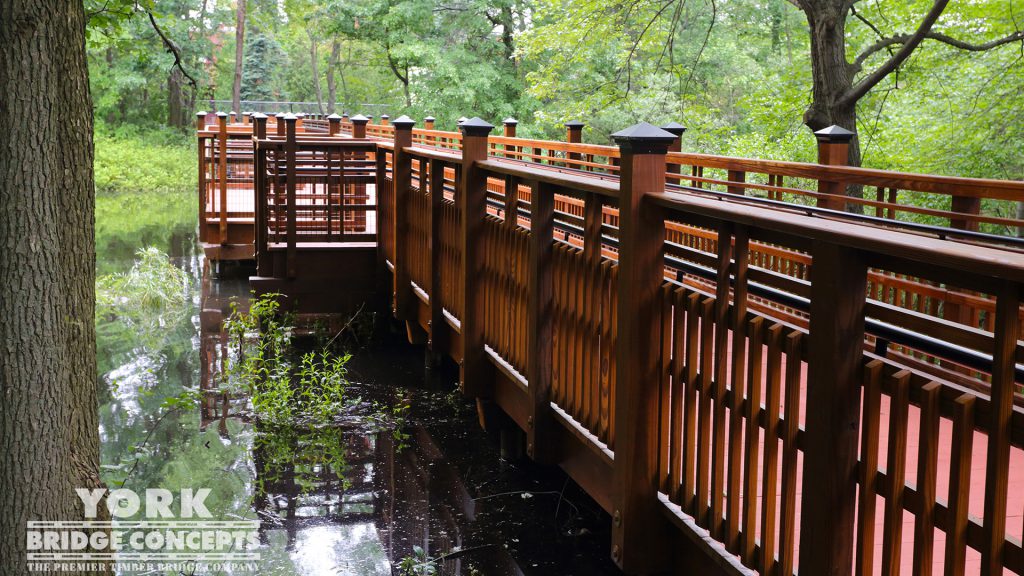
Perkins School for the Blind Pedestrian Bridge – Watertown, MA

York Bridge ConceptsBoardwalks, Massachusetts, Pedestrian Bridges, Repetitive Span

Perkins School for the Blind Pedestrian Bridge – Watertown, MA | York Bridge Concepts - Timber Bridge Builders

A legacy Structure by York Bridge Concepts Connecting Purpose, Accessibility, & Design

Bridging Education and the Environment

In the historic heart of Watertown, Massachusetts, where learning and legacy intertwine, the Perkins School for the Blind has stood for nearly two centuries as a global leader in education and accessibility. The campus--home to generations of students, educators, and innovators--now features another lasting landmark: a Legacy Series Pedestrian Bridge designed, engineered, and built by York Bridge Concepts.

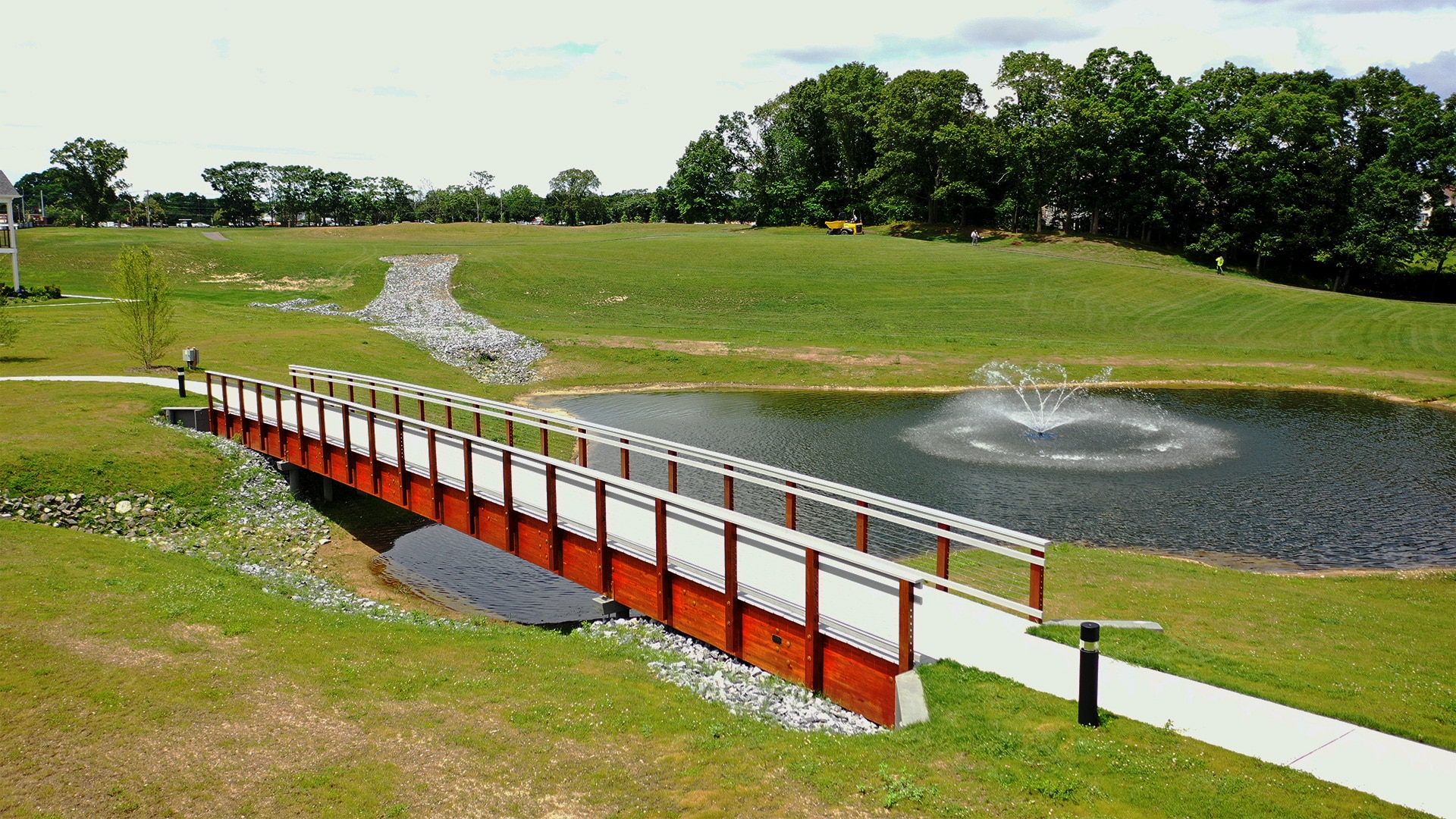
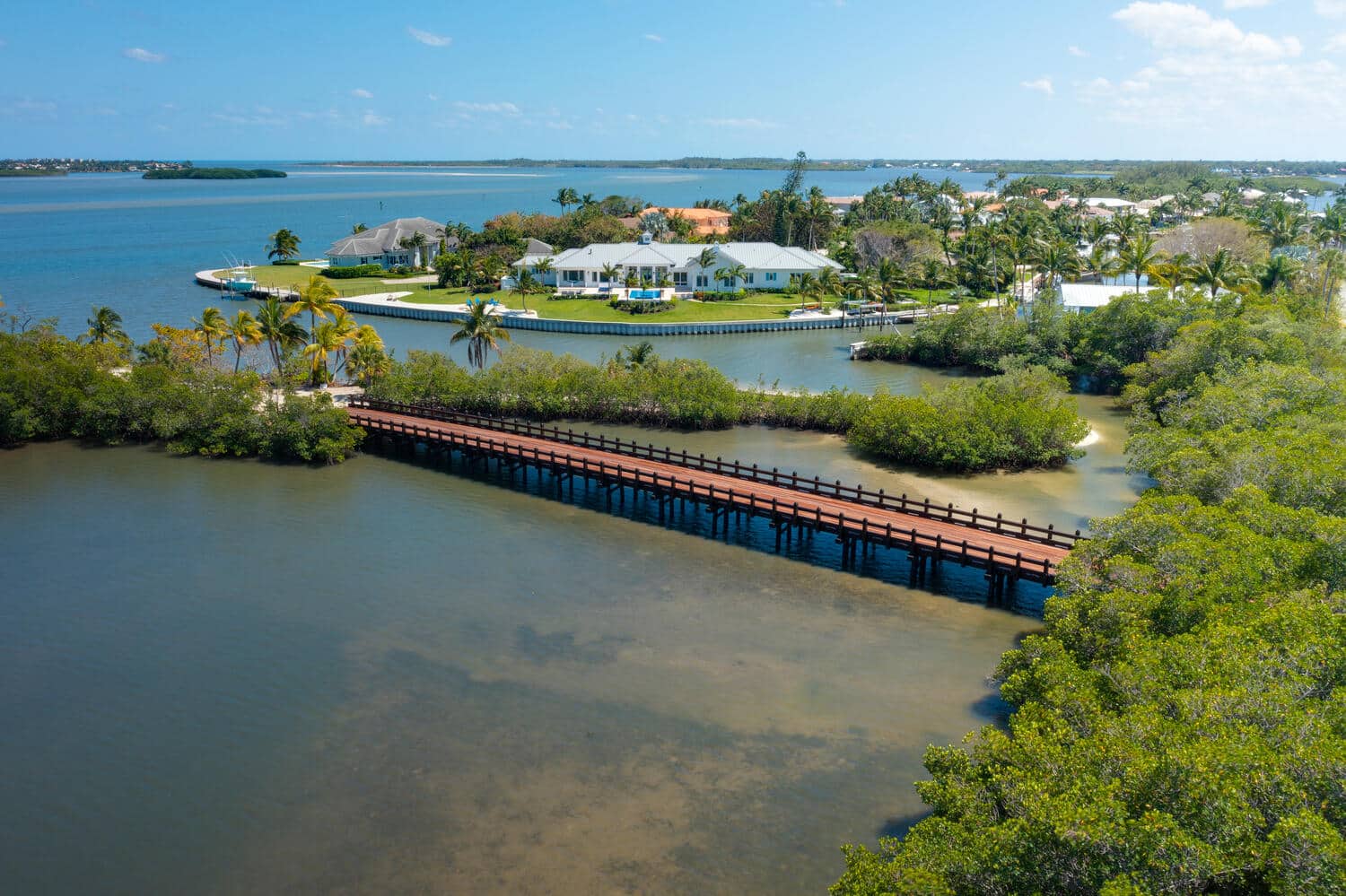
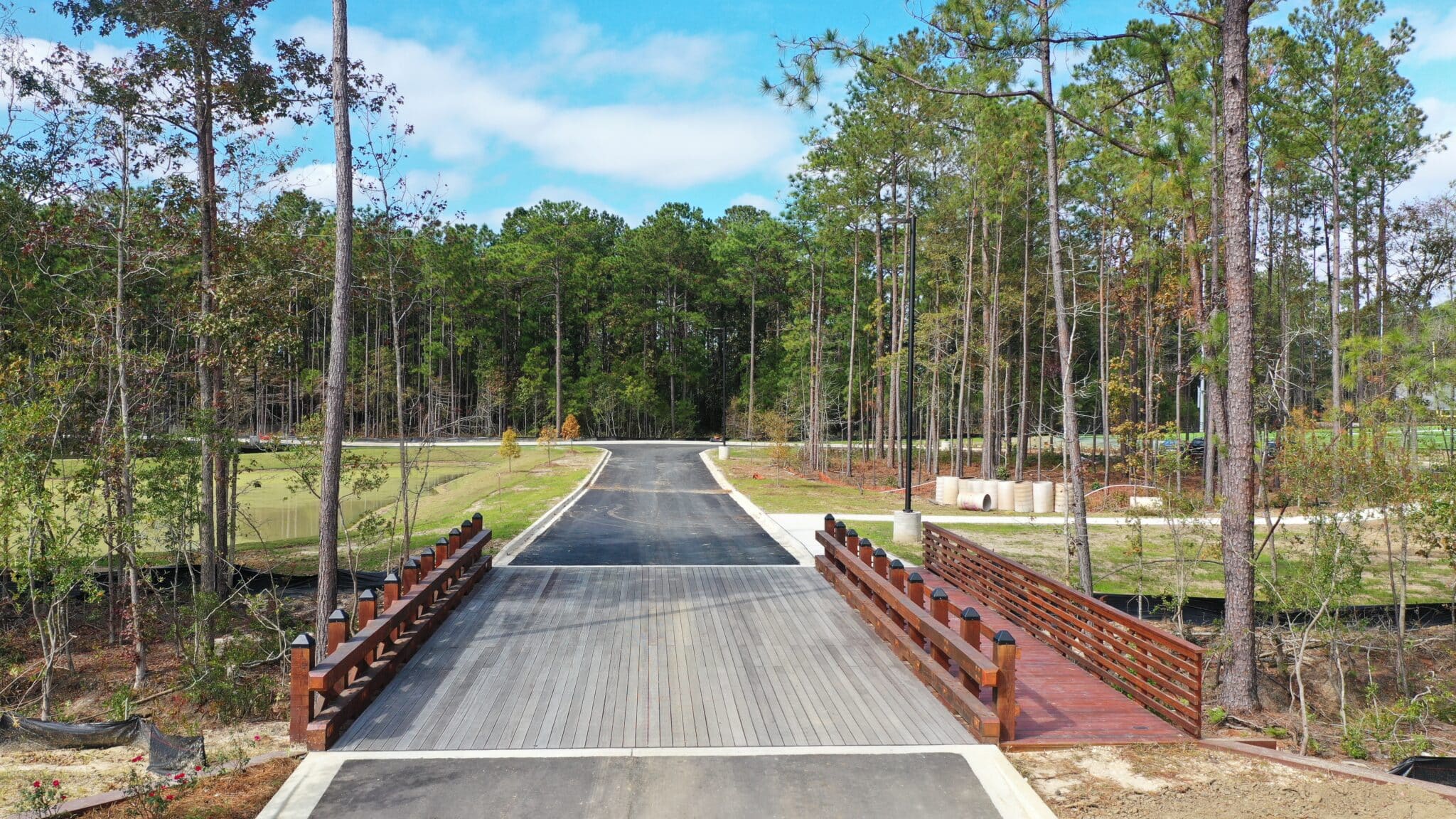
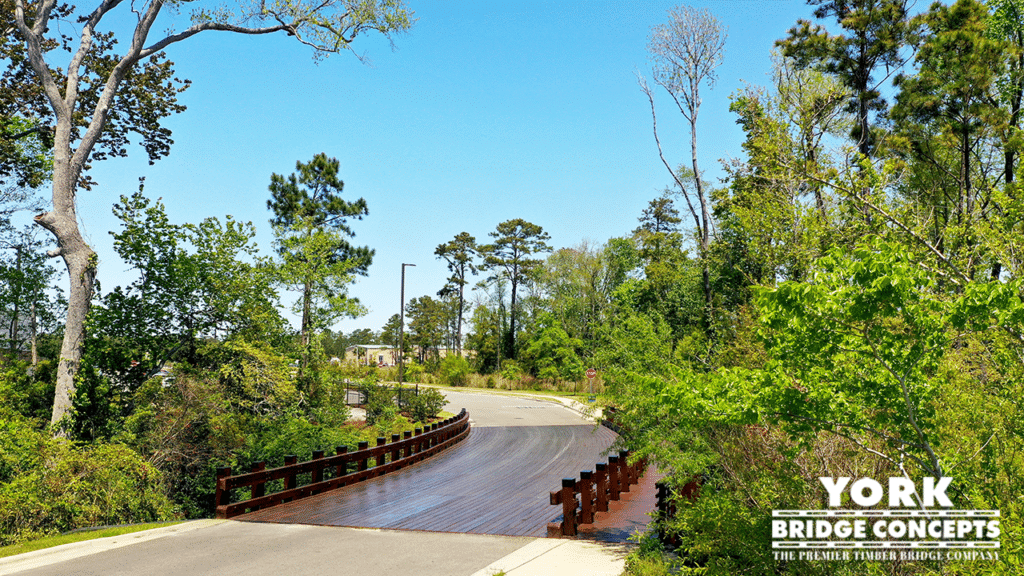
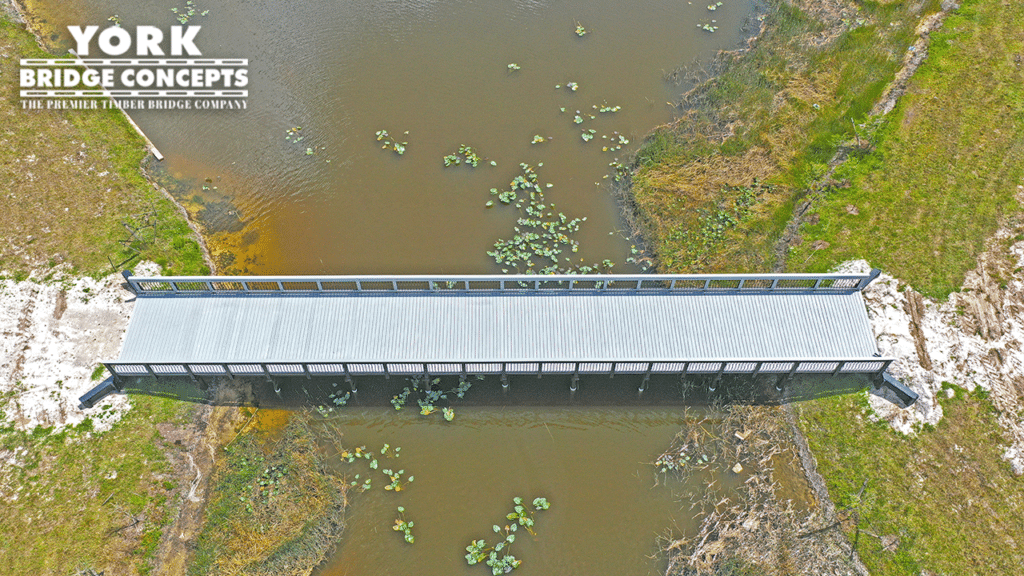
Spanning 182 feet in length and 13 feet above grade, this custom timber bridge gracefully crosses a quiet lake nestled within the school grounds. Serving as a connective artery between academic halls and recreation areas, it provides safe, intuitive, and beautiful access for students, faculty, and visitors alike.

For Perkins, accessibility has always been more than compliance--it's a philosophy of inclusion. For YBC, bridge building is more than engineering--it's artistry in motion. Together, these visions converge in a structure that unites natural beauty, craftsmanship, and universal design.


Download the Spec Sheet

New call-to-action

Bridging Education & the Environment

In the historic heart of Watertown, Massachusetts, where learning and legacy intertwine, the Perkins School for the Blind has stood for nearly two centuries as a global leader in education and accessibility. The campus--home to generations of students, educators, and innovators--now features another lasting landmark: a Legacy Series Pedestrian Bridge designed, engineered, and built by York Bridge Concepts.

Spanning 182 feet in length and 13 feet above grade, this custom timber bridge gracefully crosses a quiet lake nestled within the school grounds. Serving as a connective artery between academic halls and recreation areas, it provides safe, intuitive, and beautiful access for students, faculty, and visitors alike.

For Perkins, accessibility has always been more than compliance--it's a philosophy of inclusion. For YBC, bridge building is more than engineering--it's artistry in motion. Together, these visions converged in a structure that unites natural beauty, craftsmanship, and universal design.


Perkins School For The Blind Pedestrian Bridge Built by York Bridge Concepts in Watertown, MA

The Vision: Connection through Design

The Perkins campus is characterized by its rich architectural history and natural landscapes. When the school envisioned a new pedestrian bridge to enhance connectivity across the lake, they sought a design that would complement their historic grounds while ensuring safety, durability, and aesthetic harmony.

YBC's Legacy Series became the perfect fit. Its handcrafted timber design, defined by Southern Yellow Pine (SYP), precision joinery, and rich surface finishes, evokes timelessness and warmth--qualities deeply aligned with Perkins' heritage of care and education.

Core Design Intent
  • Seamless Campus Integration: The bridge connects two vital areas of the Perkins campus--linking academic buildings to open spaces where students engage in outdoor activities, reflection, and recreation.
  • Accessible and Inviting: With gentle slopes, wide walkways, and smooth decking, the structure ensures safe passage for pedestrians and mobility aids alike.
  • Aesthetic Harmony: A cedar-stained finish over SYP harmonizes with the wooded shoreline, while black metal post caps and timber picket handrails add architectural contrast.
  • Environmental Sensitivity: Built using YBC's proprietary Deck-Level Construction, the bridge was installed without disturbing the lakebed or surrounding ecosystems.

This approach ensured that both natural and built environments coexist in balance--echoing Perkins' mission to foster connection, learning, and awareness through design.


Perkins School for The Blind Pedestrian Bridge built by York Bridge Concepts in Watertown, MA

A Legacy Series Masterpiece

YBC's Legacy Series is known nationwide for blending structural endurance with artisan character. Each element of the Perkins bridge embodies this philosophy--crafted to last for generations while reflecting the natural charm of its surroundings.

Defining Features
  1. Cedar Stain Finish Over Southern Yellow Pine (SYP): 
    The rich, amber-toned cedar stain enhances the SYP's natural grain, imbuing the bridge with warmth and texture. Beyond aesthetics, the coating provides essential protection from moisture and UV exposure--critical in New England's variable climate.

  2. Timber Picket Handrails: 
    Handcrafted timber pickets ensure security and tactile familiarity. The vertical rhythm of the pickets guides users intuitively across the span--an important feature for a school dedicated to the visually impaired.

  3. Black Metal Post Caps: 
    The bridge's posts are adorned with black composite caps, offering sleek visual contrast while protecting the timber ends from weathering--marrying form and function seamlessly.

  4. Acrylic-Polymer Coated Decking 
    the wear surface is treated with an acrylic-polymer coating, providing superior traction, longevity, and minimal maintenance. The coating also reflects light softly, helping visually impaired users sense spatial continuity without glare.

  5. 13 Feet Above Grade: 
    The elevated profile not only accommodates the lake's natural contours but also provides a serene overlook, allowing students to experience the environment from a safe, elevated perspective.

  6. 182-Foot Length: 
    Designed as a multi-span pedestrian bridge, its gentle curvature and proportionate spans allow it to feel continuous and fluid--mirroring the natural movement of the lake below.


Perkins School for the Blind Legacy Pedestrian Bridge in Watertown, MA built by York Bridge Concepts

The Design-Engineer-Build Approach

Every YBC project is guided by its proprietary Decero™ Design-Engineer-Build process--meaning "from zero." This process ensures that each structure is conceptualized, engineered, and constructed form the ground up with no off-the-shelf components, guaranteeing a bespoke solution for every site and client.

1. Conceptual Design

YBC's design team collaborated with the Perkins School's facilities management and landscape architects to understand the campus circulation patterns, accessibility standards, and visual preferences. The design phase emphasized creating a bridge that not only connects two sides of the campus but also encourages interaction with the natural landscape.

2. Engineering Excellence

The structure was engineered for an 85 PSF pedestrian live load, ensuring stability and performance even under heavy use. YBC's engineers modeled the bridge using advanced software to predict load paths, deflection, and material stresses, ensuring compliance with all relevant ASTM and AASHTO standards.

3. Sustainable Material Selection

Southern Yellow Pine was chosen for its high strength-to-weight ratio, resilience under compression, and natural compatibility with protective coatings. Each timber element was treated and coated to resist moisture, fungal decay, and UV degradation, extending the bridge's lifecycle far beyond standard expectations.

4. Deck-Level Construction

The Perkins bridge was constructed using YBC's Deck-Level (Top-Down) Construction technique, minimizing environmental disturbance. By building directly from the bridge deck outward rather than from below, YBC eliminated the need for heavy equipment entering sensitive areas around the lake. This method preserved surrounding vegetation, prevented soil compaction, and maintained water clarity throughout construction.

5. Finishing and Quality Control

Each component was pre-fabricated and pre-finished in YBC's controlled facility, ensuring precise tolerances and consistency. Onsite assembly was executed efficiently, with attention to detail extending to fastener alignment, joint sealing, and handrail installation--all hallmarks of YBC's craftsmanship.


Perkins School for the Blind Legacy bridge accessibility built by York Bridge Concepts in watertown, MA

Accessibility and Inclusivity by Design

At the Perkins School for the Blind, designing for accessibility isn't an afterthought--it's the foundation. YBC approached this project with empathy and precision, ensuring every student, regardless of ability, experiences freedom of movement and connection.

Key Accessibility Features
  • Smooth Transitions: Gentle grade approaches and flush decking prevent trip hazards and ease wheelchair navigation.
  • Tactile Guidance: The handrail system offers continuous contact and consistent spacing to assist those navigation.
  • Contrasting Finishes: Subtle tonal differences between deck, rails, and posts provide visual cues for those with low vision, aiding depth perception.
  • Non-Slip Surface: The acrylic-polymer deck coating ensures traction in all weather conditions, vital for a campus bridge used year-round.
  • Quiet Structural Performance: YBC's precision joinery minimizes vibration and noise underfoot, allowing users to focus on sensory orientation rather than auditory distractions.

Together, these elements transforms the bridge from a simple connector into a sensory experience--inviting, safe, and empowering.


Perkins School for the Blind Legacy pedestrian bridge built by York Bridge Concepts over wetlands in Watertown, MA

Environmental sensitivity & Sustainable Impact

As with all York Bridge Concepts projects, sustainability guided every decision--from material sourcing to installation methodology.

Preserving the Lake Ecosystem

The bridge's Deck-Level Construction method avoided the need for scaffolding or in-water piling during assembly, ensuring zero intrusion into the lakebed. Temporary platforms and minimal equipment were used to protect the shoreline's fragile ecosystem.

During the build, sediment control measures were implemented, and daily inspections ensured compliance with Massachusetts environmental regulations. The result was a bridge installed without disturbing wildlife habitats or altering water quality--a core YBC principle in every environmentally sensitive site.

Sustainable Materials
  • Renewable Timber Source: Southern Yellow Pine is a fast-growing, renewable resource sourced from certified sustainable forests.
  • Low-VOC Coatings: The cedar stain and acrylic polymer coating were chosen for their environmentally friendly, low-emission formulations.
  • Longevity as Sustainability: YBC's design philosophy prioritizes durability. By extending the lifecycle of each bridge, long-term material consumption and replacement frequency are drastically reduced.
Aesthetic & Environmental Balance

From every angle, the Perkins bridge reflects YBC's belief that beauty and sustainability coexist. Its timber textures blend seamlessly with the tree line, while its linear geometry mirrors the calm horizon of the lake--becoming a natural extension of the landscape itself.


Perkins School for the Blind Legacy Pedestrian bridge built by York Bridge Concepts in Watertown, MA

Engineering Strength Meets Architectural Grace

Beyond its appearance, the Perkins bridge stands as a testament to YBC's structural ingenuity. Each beam, connection, and fastener has been selected and installed to deliver exceptional performance.

Structural Highlights
  • Load Design: Engineered for an 85 PSF pedestrian loading standard, capable of supporting maintenance vehicles and emergency access as required.
  • Span Optimization: Multiple spans distribute load evenly across substructures, minimizing deflection and vibration.
  • Foundation Integrity: Designed for stability in variable soil conditions, with deep timber piling anchored beyond frost depth.
  • Moisture Management: Hidden weep holes and sealed joints prevent water intrusion--protecting internal wood fibers and extending lifespan.
  • Fastening System: Galvanized hardware and concealed fasteners provide long-term corrosion resistance and a clean aesthetic.

Each of these components reinforces YBC's philosophy: form follows function--but both are elevated through craftsmanship.


Perkins School for the Blind Legacy Bridge handrail with wire mesh inset built by York Bridge Concepts in Watertown, MA

Craftsmanship Rooted in Legacy

What sets the Legacy Series apart is YBC's devotion to handcrafted detail. Each bridge is shaped not just by tools and plans but by a deep respect for tradition, material, and place.

On the Perkins bridge, the timber handrails and pickets are meticulously finished to invite human touch. The subtle curve of the rails aligns with natural sightlines, while the spacing between pickets provides safety without obstruction. The black post caps act as finishing accents, completing a design that feels both modern and timeless.

Inside YBC's workshop, artisans prepare each timber element by hand--planning, sanding, staining, and sealing--before it ever reaches the site. It's this dedication to craftsmanship that gives YBC bridges their unmistakable identity: warm, human, and enduring.


Perkins Pedestrian Bridge grab rail and timber picket inset and handrail built by York Bridge Concepts in Watertown, MA

enhancing the Perkins Experience

The completion of this bridge redefined campus connectivity. Students now enjoy a direct route across the lake, transforming a once-divided landscape into an integrated environment that encourages outdoor learning, recreation, and reflection.

Benefits to the Perkins Community
  • Enhanced Accessibility: Provides a safe, ADA-compliant crossing for all students and faculty.
  • Increased Connectivity: Links academic and recreational zones, improving circulation throughout the campus.
  • Aesthetic Enrichment: Enhances the visual appeal of the campus landscape with natural materials and thoughtful proportions.
  • Educational Inspiration: Serves as a living example of sustainable engineering and environmental stewardship.
  • Community Pride: A new symbol of Perkins' commitment to inclusion, safety, and innovation.

For a school whose mission is to empower individuals through learning and independence, this bridge stands as both a literal and symbolic passage--from one side to another, from limitation to opportunity.


The Power of Timber In Modern Bridge Design

Timber remains one of the most sustainable and versatile materials in modern construction. Its carbon sequestration properties, combined with modern treatment methods, make it an ideal choice for pedestrian and community bridges.

Advantages of Timber Bridges
  • Renewable Resource: Timber is naturally replenishable, making it the most sustainable structural material available.
  • Aesthetic Warmth: Wood's organic texture enhances the visual harmony of parks, campuses, and natural settings.
  • Low Embodied Energy: Timber bridges require significantly less energy to produce compared to steel or concrete.
  • Adaptability: Modular and customizable, timber bridges can be designed for varied spans, loads, and site conditions.
  • Reduced Carbon Footprint: YBC's recent Life Cycle Assessment (LCA) conducted with Greenly confirmed that YBC's timber bridges emit up to 80% less CO2 than conventional alternatives.

At Perkins, these principles are fully realized--a sustainable structure that elevates the natural environment and supports an inclusive mission.


Perkins School for the Blind in Watertown, MA built by York Bridge Concepts

Maintenance & Longevity

Through inherently durable, every YBC bridge is designed for ease of maintenance. The acrylic-coated deck minimizes wear, and the cedar stain provides UV protection. Routine inspections ensure early detection of surface wear or environmental impact.

YBC also offers its BridgeCare™ Maintenance Program, providing scheduled maintenance, cleaning, and protective re-coatings to maintain structural and aesthetic integrity over decades.

In Massachusetts' variable climate--marked by snow, rain, and summer humidity--these preventive measures ensure the bridge remains beautiful, safe, and strong for generations of Perkins students to come.


A Bridge That Embodies Legacy

The Perkins School for the Blind Pedestrian Bridge is more than infrastructure--it's a physical embodiment of connection, inclusion, and heritage. It demonstrates what happens when timeless craftsmanship meets modern sustainability, and when functional engineering meets empathy-driven design.

Every detail--from the cedar stain glinting in the morning light to the smooth handrails guiding each step--was conceived to enhance the human experience. For York Bridge Concepts, this project represents the essence of its mission: to create structures that honor both people and the planet.


Client Collaboration & Shared Vision

York Bridge Concepts worked closely with Perkin's facilities planners, accessibility consultants, and landscape designers to ensure every design element served both aesthetic and functional goals.

This collaboration reflects a shared belief: infrastructure is not merely a convenience--it's a statement of values. Through open communication and meticulous planning, YBC ensured that the bridge not only met engineering standards but embodied Perkins' legacy of access, learning, and leadership.


The Lasting Impact

Today, as students cross the bridge--whether guided by hand, cane, or companion--they experience the environment in new ways. The sound of water beneath the decking, the tactile warmth of timber, and the subtle slope of the approach all combine into a sensory landscape that fosters confidence and connection.

The bridge has quickly become a landmark of movement and meaning--a reminder that thoughtful design can unite form, function, and feeling.


FAQs

What materials were used in the Perkins School Pedestrian Bridge?

The bridge is constructed primarily from Southern Yellow Pine, finished with a cedar stain. It includes black metal post caps, timber picket handrails, and acrylic-polymer coated decking.

How does the bridge accommodate accessibility?

The design features gentle slopes, continuous handrails, tactile cues, and non-slip decking--ensuring inclusive access for all users.

What environmental considerations were made during construction?

YBC used its Deck-Level Construction method to minimize ground disturbance and protect the lake ecosystem. Sustainable materials and low-VOC coatings further reduced environmental impact.

What is the bridge's load rating?

The structure is designed for an 85 PSF pedestrian live load, compliant with AASHTO standards for public pedestrian use.

How long will the bridge last?

With proper maintenance and YBC's BridgeCare™ program, the bridge's service life can exceed 50 years, maintaining both structural and aesthetic integrity.


GET YOUR QUOTE

All Feature Projects


What's Best: A Culvert Or A Timber Bridge?

Understand the considerations you should make before choosing your crossing method.

What Is The Best Span Type For My Project?

See how creative scoping, design, & usage work to create the perfect spanning solution for your project.

Which Load Capacity I Need?

Understand the different load capacities for usage that are needed for your project.

How Do I Cross An Environmentally Sensitive Area?

Learn how YBC crosses protected areas with our Deck-Level Construction.

How Do I Create A Landmark?

Create a memorable icon for your development project with a YBC Legacy Timber Bridge.

How Long Does A Timber Bridge Last?

Extend the lifespan of your timber bridge to over 75 years using these guidelines, material selection, protection & maintenance practices.
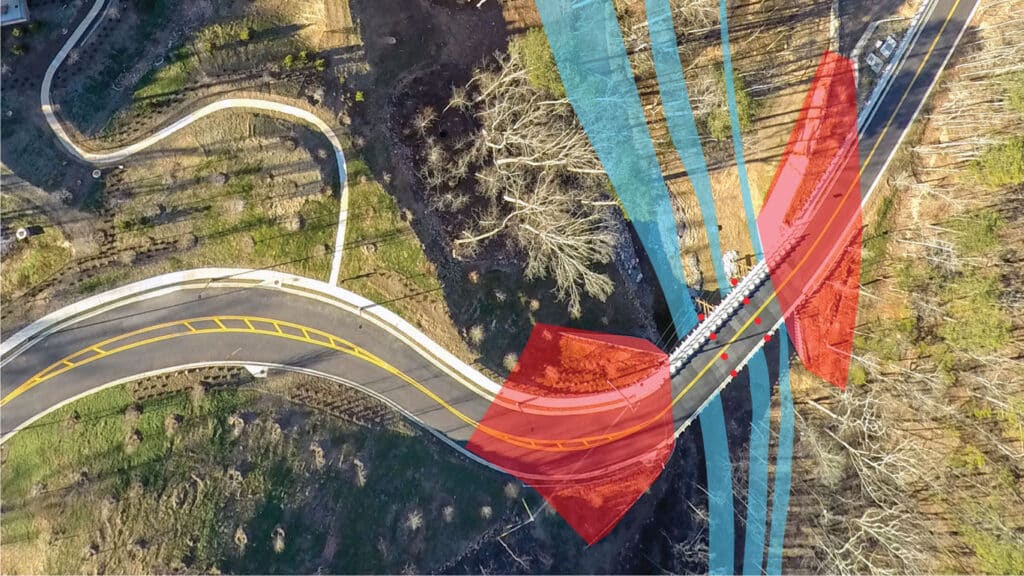


Placeholder Image

Culvert Or Bridge

If you're considering using a culvert for your crossing project. Click below to understand the best fit for your project.

Culvert Or Bridge
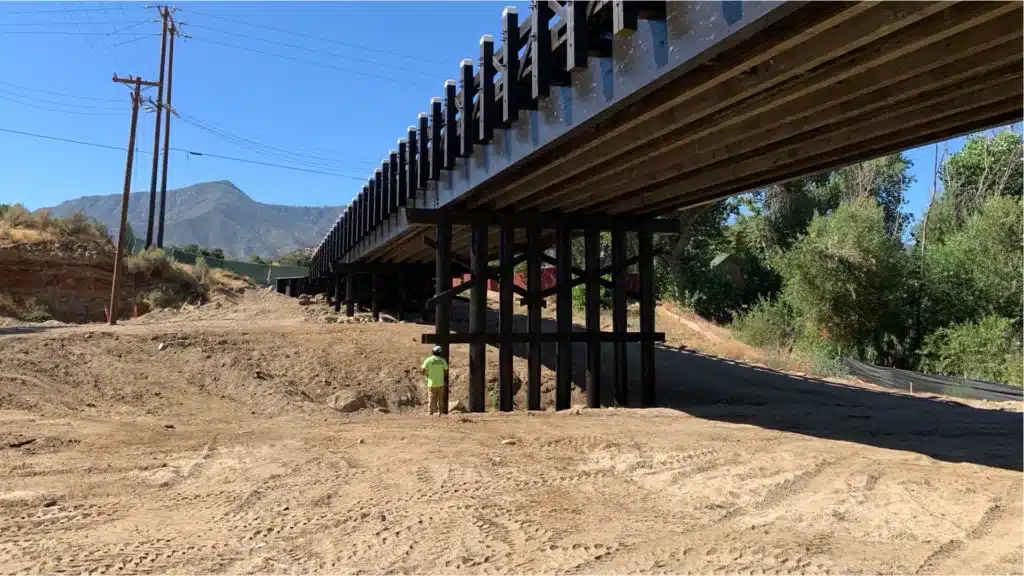
Placeholder Image

Spanning Solutions

Spanning a crossing is one of the most important aspects of your crossing project. Find the best solution for your crossing needs.

Spanning Types
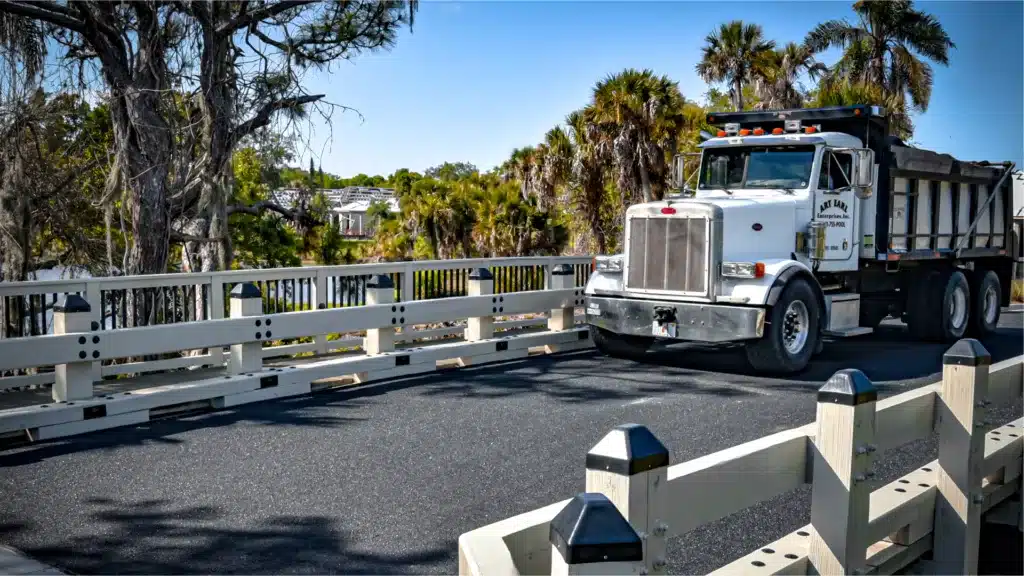
Placeholder Image

Uses & Capacities

The load capacity of a timber bridge may surprise you. See specs for different loads and uses that will help your decision-making process.

Bridge Loads & Usages