

February 27, 2023
Nature Bridges
Nature has a remarkable way of connecting people—to landscapes, wildlife, waterways, and one another. A thoughtfully designed nature bridge allows visitors to experience these environments without disturbing the ecosystems that make them special. Whether crossing wetlands, streams, forests, ravines, or conservation areas, custom timber bridges create safe, sustainable pathways that blend seamlessly into the natural landscape while protecting the environment below.
For more than 40 years, York Bridge Concepts (YBC) has specialized exclusively in designing and constructing custom timber bridge systems that strengthen the connection between people and nature. With more than 9,000 bridges completed throughout North America and internationally, YBC combines engineering excellence, environmental stewardship, and timeless craftsmanship through our integrated Decero™ Design-Engineer-Build™ process and proprietary Deck-Level (Top-Down) Construction™ methodology. Our nature bridges are designed to preserve ecosystems while creating memorable outdoor experiences for generations to come.
What Is a Nature Bridge?
A nature bridge is more than a structure that crosses an obstacle—it is an extension of the landscape itself.
Nature bridges are designed to:
- Preserve sensitive ecosystems
- Improve pedestrian accessibility
- Connect parks and trail systems
- Protect wetlands and waterways
- Minimize environmental disturbance
- Encourage outdoor recreation
- Support environmental education
- Create immersive experiences in nature
Rather than dominating the environment, these bridges become part of it.
Designed to Blend Into the Landscape
Every York Bridge Concepts bridge is engineered to complement its surroundings.
Our design process considers:
- Existing topography
- Native vegetation
- Waterways
- Wildlife habitat
- Scenic views
- Visitor circulation
- Accessibility requirements
- Environmental regulations
- Long-term stewardship
This site-specific approach allows every bridge to feel like a natural extension of the landscape instead of an interruption.
Nature Bridges for Parks & Recreation
Public parks increasingly rely on custom timber bridges to improve access while protecting valuable natural resources.
Applications include:
- Municipal parks
- State parks
- National recreation areas
- Nature preserves
- Botanical gardens
- Wildlife refuges
- Environmental education centers
- Outdoor classrooms
These bridges encourage exploration while preserving the beauty that attracts visitors in the first place.
Trail Bridges That Connect Outdoor Adventures
Many hiking, cycling, and multi-use trails require crossings over streams, ravines, wetlands, or uneven terrain.
York Bridge Concepts designs trail bridges that connect:
- Hiking trails
- Greenways
- Mountain bike systems
- Nature paths
- Rail trails
- Community trail networks
- Forest preserves
- Adventure recreation destinations
Timber bridges allow trail systems to expand while minimizing long-term impacts on the surrounding environment.
Boardwalks Through Sensitive Ecosystems
Some landscapes are best experienced from above.
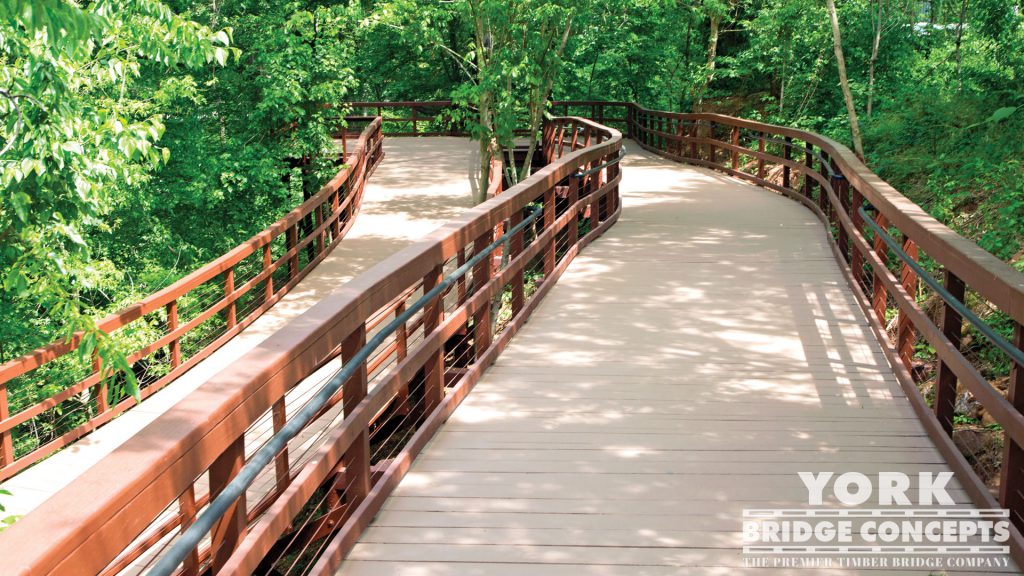
Elevated timber boardwalks provide environmentally responsible access through:
- Wetlands
- Marshes
- Mangrove forests
- Coastal habitats
- Floodplains
- Riparian corridors
- Wildlife observation areas
- Nature reserves
By elevating visitors above sensitive vegetation, boardwalks help reduce erosion, soil compaction, and habitat disturbance while preserving natural water movement.
Bridges for Eco-Tourism Destinations
Nature-based tourism continues to grow as communities invest in outdoor recreation and conservation.
Nature bridges enhance:
- Wildlife viewing
- Birdwatching areas
- Scenic overlooks
- Forest preserves
- National parks
- Coastal parks
- Resort nature trails
- Conservation properties
These structures improve accessibility while encouraging visitors to engage more deeply with the surrounding landscape.
Sustainable Construction That Protects Nature
Protecting the environment begins long before a bridge is complete.
York Bridge Concepts’ proprietary Deck-Level (Top-Down) Construction™ methodology allows construction crews to progressively build from the completed bridge deck rather than operating heavy equipment beneath the structure.
Benefits include:
- Reduced wetland disturbance
- Minimal soil compaction
- Protection of native vegetation
- Preservation of wildlife habitat
- Fewer temporary construction roads
- Reduced restoration requirements
This low-impact construction process helps preserve the ecosystems that nature bridges are designed to celebrate.
Sustainable Timber for Natural Environments
Timber is uniquely suited for projects where environmental stewardship is a priority.
Advantages include:
- Renewable building materials
- Natural carbon storage
- Lower embodied carbon than many conventional bridge materials
- Excellent strength-to-weight ratio
- Warm, organic appearance
- Long service life
- Seamless integration with natural landscapes
These qualities make timber one of the most environmentally responsible choices for park and conservation infrastructure.
Premium Materials Built for the Outdoors
Nature bridges must withstand changing weather, seasonal flooding, UV exposure, and continuous public use.
York Bridge Concepts offers premium material options including:
Structural Systems
- Southern Yellow Pine
- Douglas Fir
- Engineered glulam members
Decking Options
- Premium timber decking
- Tropical hardwood decking
- Composite decking
- Recycled Plastic Lumber (RPL)
Protective Systems
- Corrosion-resistant hardware
- Advanced acrylic polymer coating systems
- Moisture-management detailing
Combined with routine inspections and preventative maintenance, YBC bridges are designed with an anticipated 75+ year design life.
Architectural Designs Inspired by Nature
Every landscape deserves a bridge that reflects its character.
Customization options include:
- Heavy timber rail systems
- Scenic wire mesh railings
- Horizontal rail designs
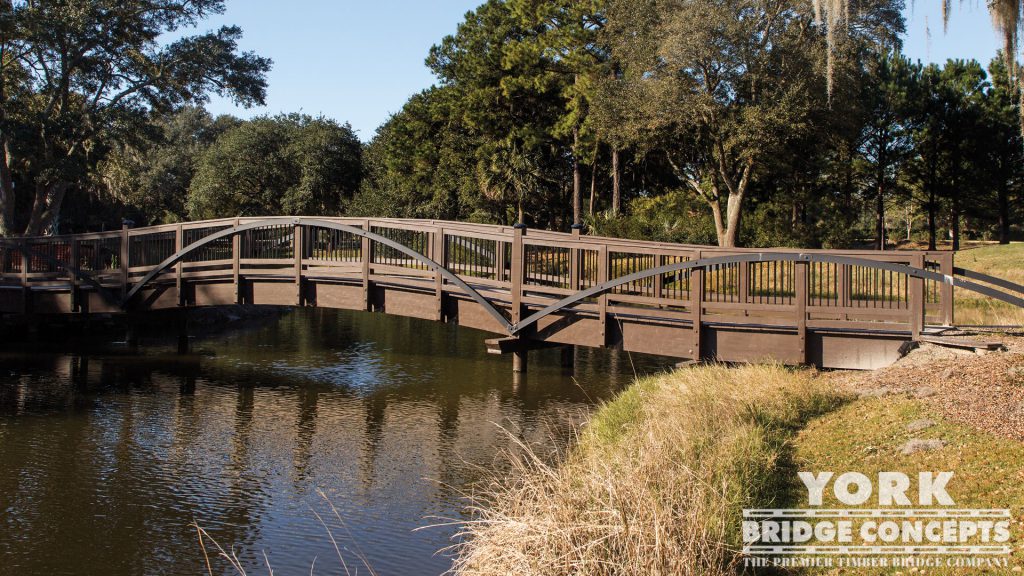
- Curved bridge alignments
- Trussed bridge designs
- Covered bridge elements
- Scenic overlooks
- Observation platforms
- Interpretive signage
- Premium stain finishes
These design features create bridges that become memorable destinations while preserving the natural beauty of the environment.
Ideal Applications
Nature bridges are frequently used for:
- State parks
- National parks
- Conservation areas
- Wildlife refuges
- Botanical gardens
- Community parks
- University campuses
- Eco-tourism destinations
- Greenway systems
- Mountain recreation areas
- Residential communities with preserved open space
- Environmental education centers
Each bridge is engineered to enhance access while respecting the landscape it serves.
Why Choose York Bridge Concepts?
Since 1985, York Bridge Concepts has focused exclusively on designing and building custom timber bridge systems.
Our integrated Decero™ Design-Engineer-Build™ process includes:
- Site evaluation
- Environmental coordination
- Structural engineering
- Custom bridge design
- Material selection
- On-site construction
- Quality assurance
- Long-term maintenance planning
With more than 9,000 bridges completed, YBC has partnered with municipalities, parks departments, conservation organizations, developers, landscape architects, and engineers to create bridges that strengthen the relationship between people and the outdoors. Our commitment to sustainable construction, premium materials, and innovative engineering helps preserve natural environments while delivering infrastructure that inspires exploration.
Connecting People With Nature
The best nature bridges do more than span a creek or wetland—they invite people to slow down, explore, and appreciate the landscapes around them. Whether your project involves a trail system, park, conservation area, botanical garden, or eco-tourism destination, York Bridge Concepts delivers custom timber bridges engineered to protect the environment while creating meaningful outdoor experiences for generations.
- All
- Alabama
- Architectural-Design
- Arizona
- Avenue Collection
- Boardwalks
- Bridge Education
- Bridge Types
- California
- Case Study
- Classic
- Colorado
- Commercial Bridges
- Community Designed Projects
- Connecticut
- Construction Techniques for Wood Bridges
- Contemporary Series
- Covered Bridges
- Culvert vs Bridge
- Delaware
- Eco-Tourism Bridges
- Environmental Benefits of Wooden Bridges
- Environmental Mitigation
- Extreme Grades
- Featured
- Floodplain
- Florida
- Free Span Bridge
- Georgia
- Golf Cart Bridge Designs
- Golf Cart Bridges
- Idaho
- Illinois
- International
- Lakes
- Locations
- Louisiana
- Maine
- Maryland
- Massachusetts
- Master Planned Community
- Michigan
- Missouri
- Mixed-Use Development
- Montana
- Multiple Crossings
- Multiple Span
- New Hampshire
- New Jersey
- New York
- North Carolina
- Ohio
- Oklahoma
- Overpasses
- Pedestrian Bridge Designs
- Pedestrian Bridges
- Pennsylvania
- Popular Articles
- Prefabricated Bridges For Sale
- Private Collection
- Repetitive Span
- Retail Developments
- Short Span Timber Bridges
- South Carolina
- Span Types
- Streams
- Tennessee
- Texas
- The LiNK
- Timber Bridge Designs
- Timber vs Steel
- Types of Wood Bridges
- Uncategorized
- Vehicular Bridge Designs
- Vehicular Bridges
- Virginia
- Waterside Collection
- West Virginia
- Wetland Conservation Conservation Bridges
June 18, 2020
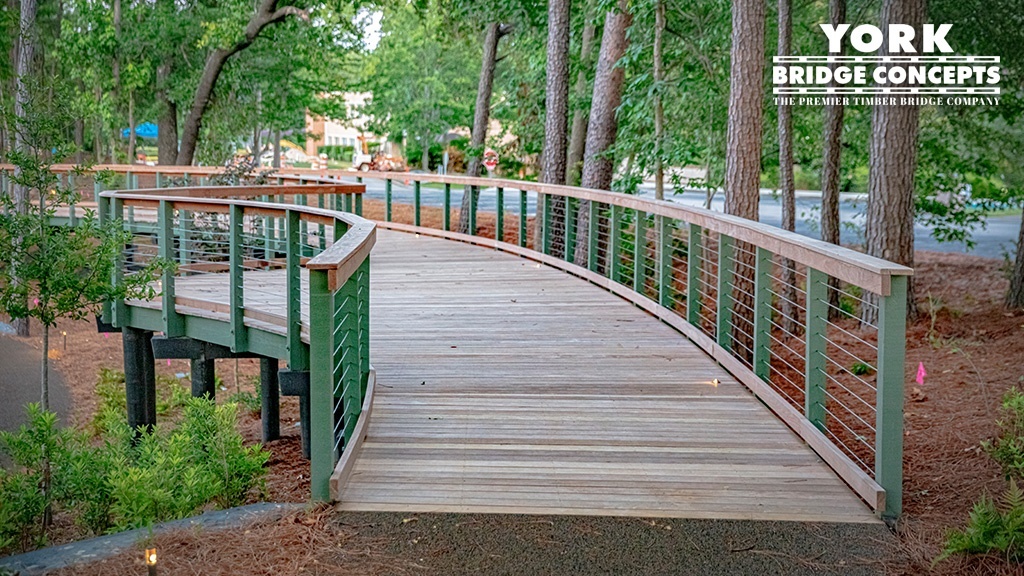
View images, video, and specs of this project.
October 23, 2019
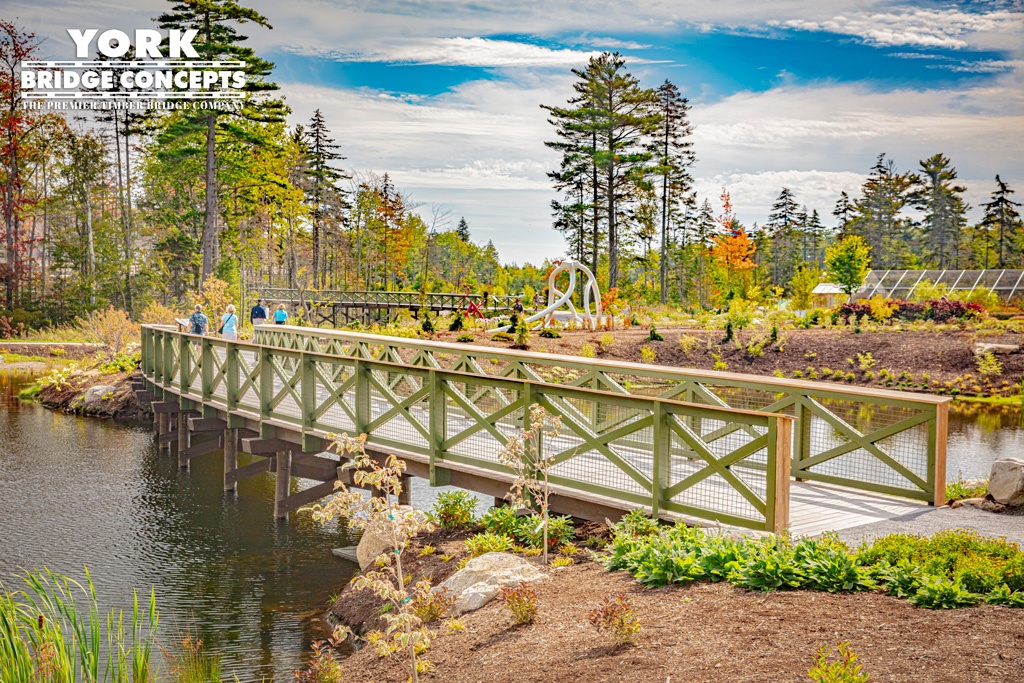
York Bridge Concepts’ Discovery Bridge at Coastal Maine Botanical Gardens redefines park infrastructure with a stunning timber span over wetlands.
August 14, 2018
June 19, 2018
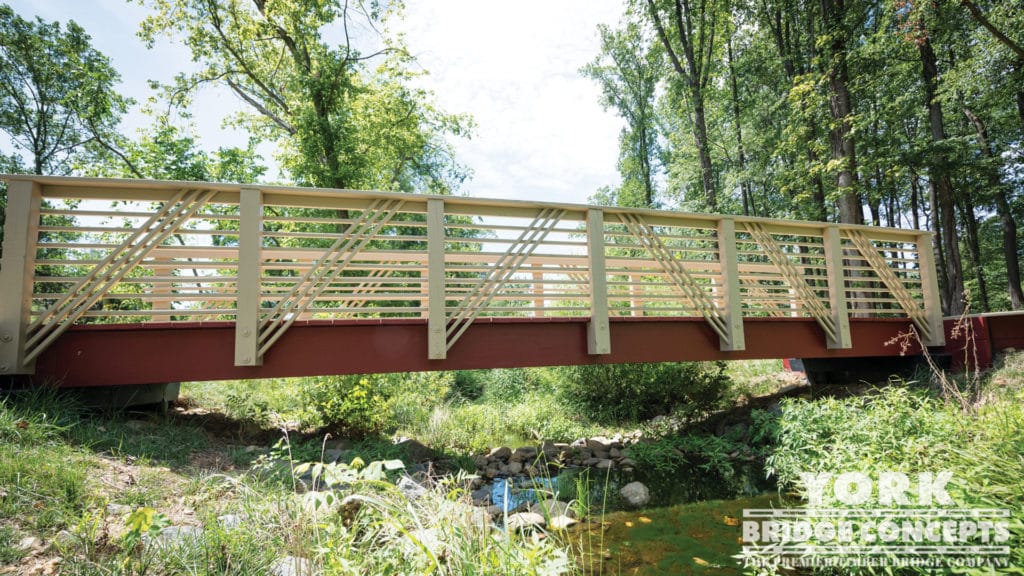
Discover how York Bridge Concepts' timber pedestrian bridge in Falls Church, VA enhances connectivity, sustainability, and stream restoration.
June 19, 2018
View images & specs of this project.
June 18, 2018
June 18, 2018
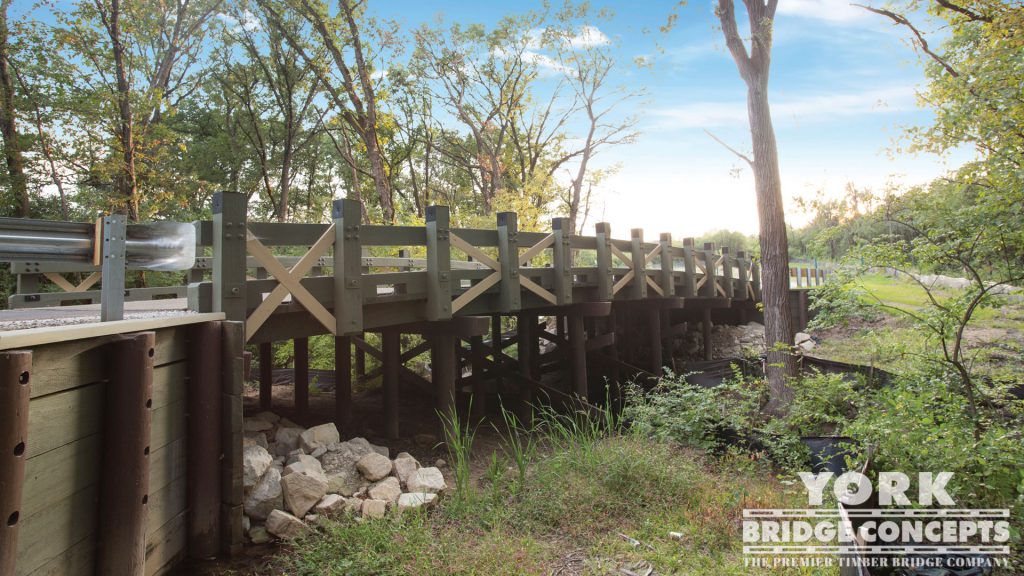
The Camp Bullfrog Vehicular Bridge is more than a pathway; it is a symbol of sustainable progress, ensuring that future generations can continue to enjoy the beauty of Willow Springs for years to come.
June 18, 2018


