February 6, 2025

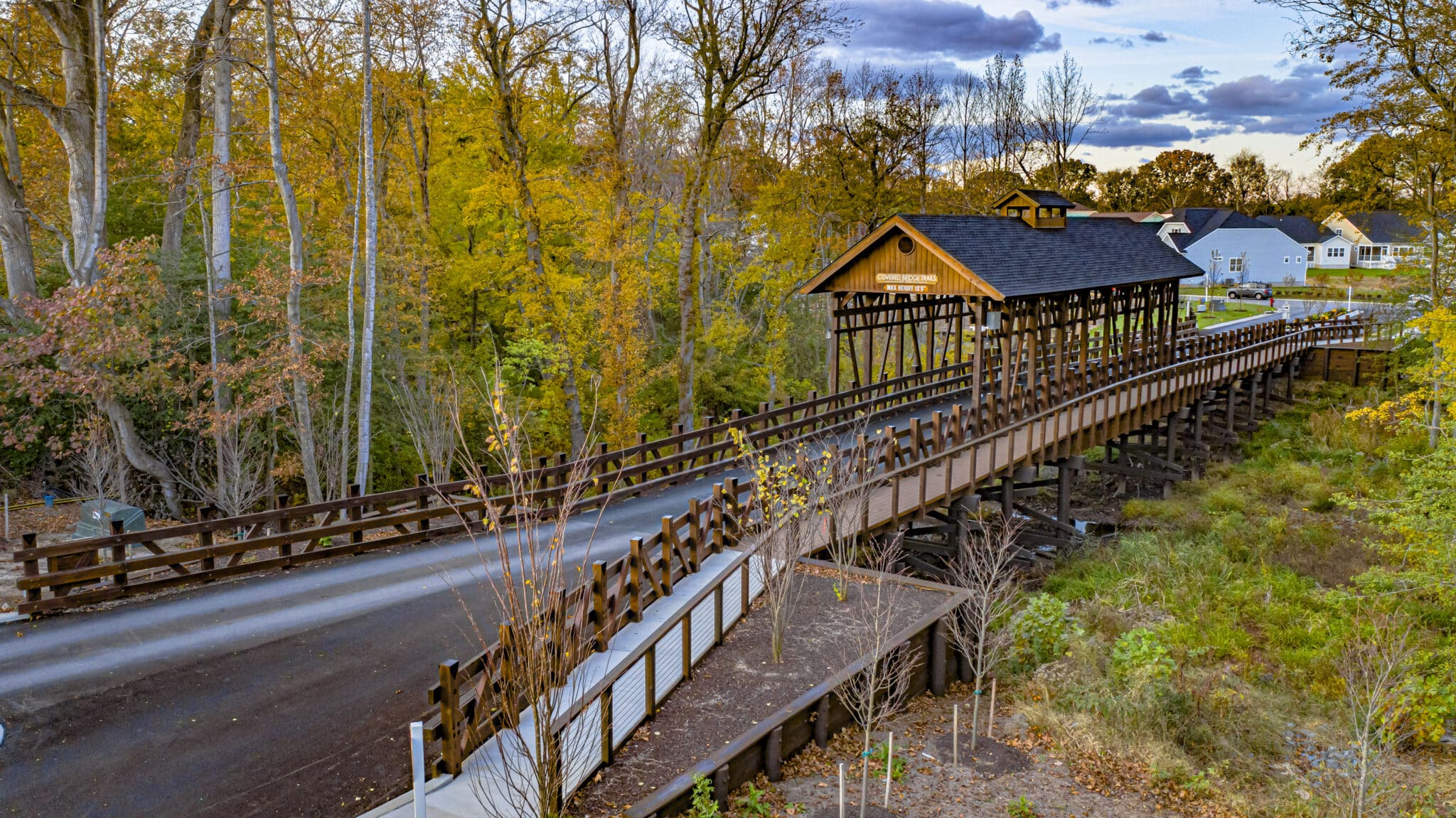
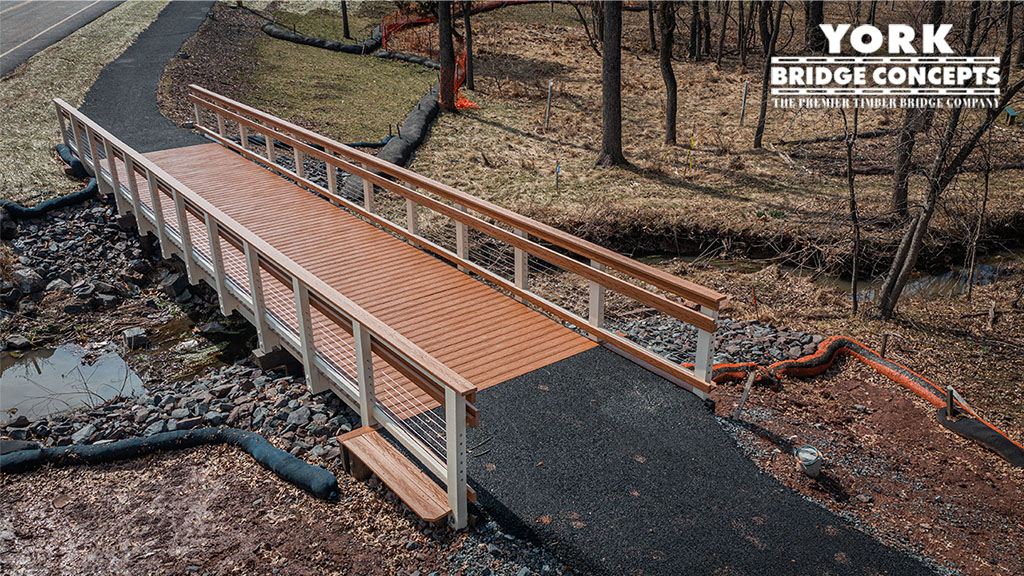
Timber bridges and boardwalks, particularly those built using YBC’s top-down construction method, offer a sustainable, cost-effective, and resilient alternative to traditional infrastructure.


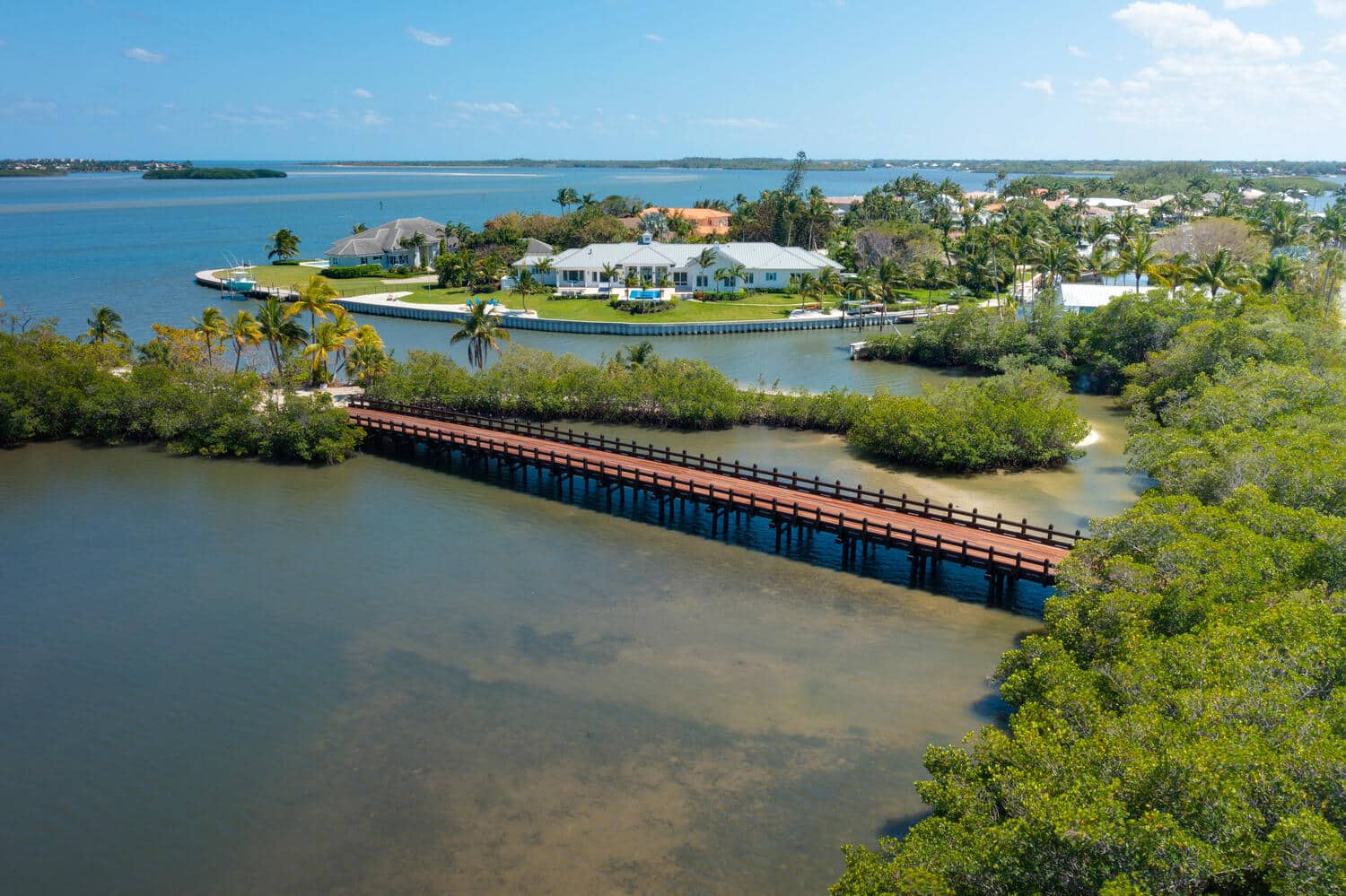
Wetlands are among the most valuable ecosystems on Earth, providing natural flood protection, improving water quality, supporting biodiversity, storing carbon, and creating habitat for countless species of wildlife. As communities continue to grow, the challenge is finding ways to improve accessibility without compromising these fragile environments. Custom timber bridges and elevated boardwalks offer an environmentally responsible solution, allowing infrastructure to coexist with nature while preserving the ecological functions that wetlands provide.
For more than 40 years, York Bridge Concepts (YBC) has specialized exclusively in designing and constructing custom timber bridges and boardwalks for environmentally sensitive environments. With more than 9,000 bridges completed throughout North America, YBC combines engineering expertise with sustainable construction through our integrated Decero™ Design-Engineer-Build™ process and proprietary Deck-Level (Top-Down) Construction™ methodology. Our approach helps minimize environmental disturbance while delivering beautiful, durable infrastructure designed to serve communities for generations.
Wetlands are areas where water covers or saturates the soil for all or part of the year, creating unique ecosystems that support specialized plants and wildlife.
Common wetland environments include:
These ecosystems perform essential environmental functions by filtering pollutants, reducing flood impacts, recharging groundwater, stabilizing shorelines, and providing habitat for fish, birds, amphibians, and other wildlife.
Healthy wetlands provide significant environmental and community benefits.
They help:
Because of these ecological benefits, wetlands are protected through federal, state, and local environmental regulations that encourage low-impact development practices.
Traditional road construction often requires grading, fill material, and significant disturbance to wetland soils.
Elevated timber bridges provide an alternative by allowing infrastructure to span sensitive areas rather than replacing them.
Benefits include:
By elevating infrastructure above wetlands, timber bridges help maintain the ecological processes that keep these environments healthy.
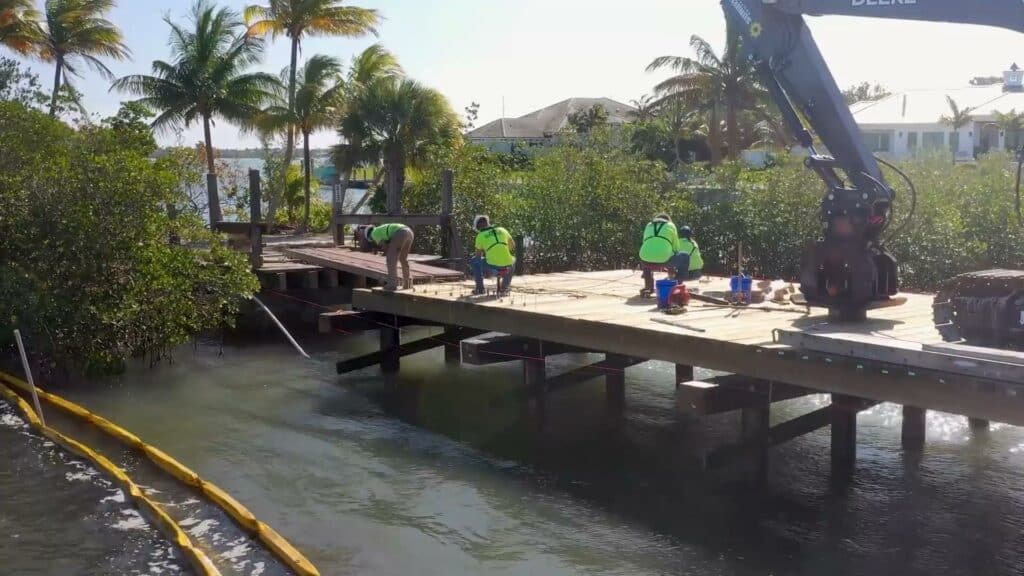
One of York Bridge Concepts’ greatest innovations is our proprietary Deck-Level (Top-Down) Construction™ methodology.
Rather than requiring heavy equipment to travel through wetlands, crews progressively construct the bridge from the completed deck surface.
This approach helps reduce:
Because equipment remains on the bridge during much of construction, surrounding ecosystems remain largely undisturbed. This methodology can also support smoother permitting by aligning with the goals of agencies that prioritize minimizing impacts to wetlands.
Timber is uniquely suited for projects in environmentally sensitive locations.
Advantages include:
Rather than visually dominating the landscape, timber bridges complement wetlands, forests, parks, and waterfront environments.
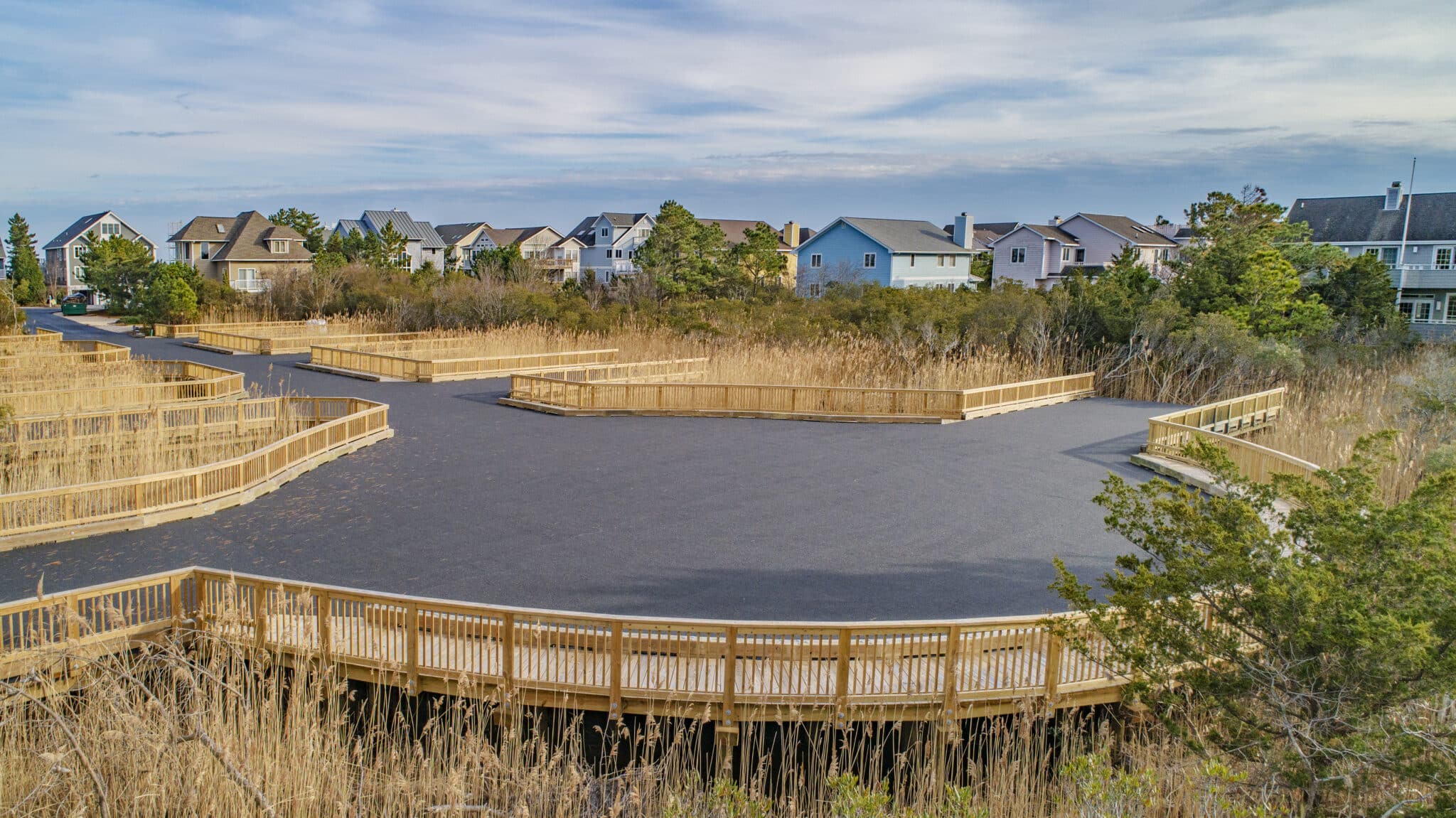
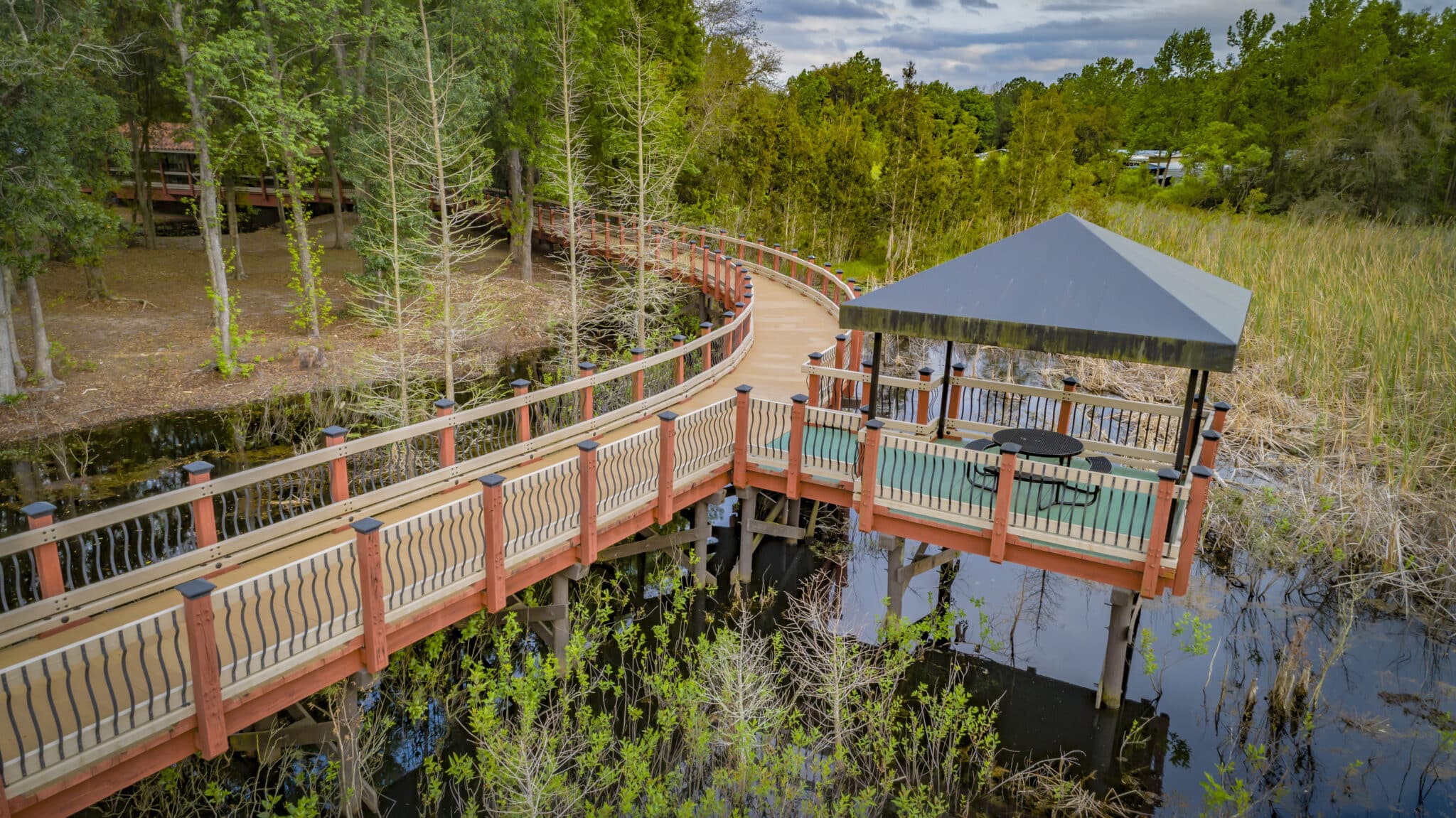
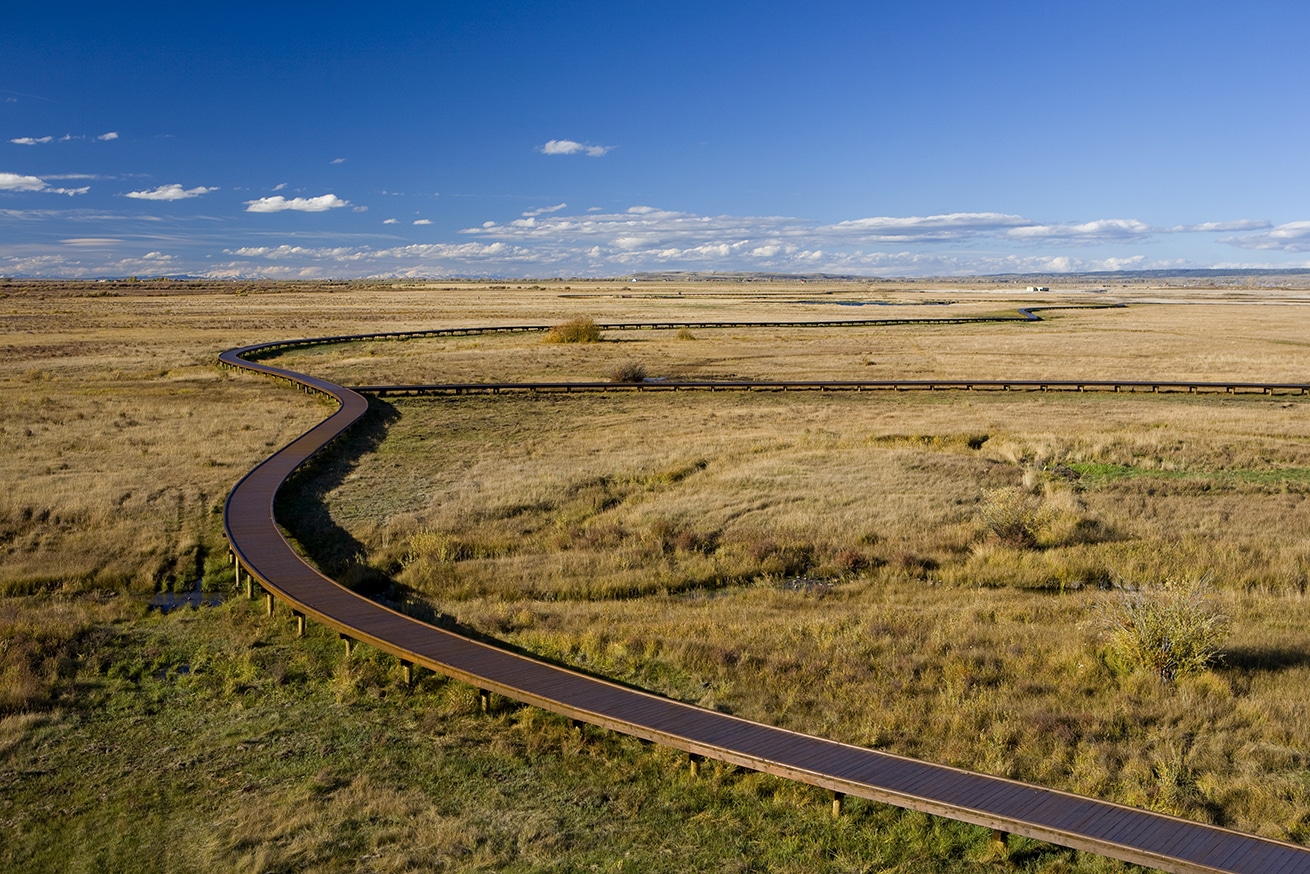
Elevated timber boardwalks allow visitors to experience wetlands without damaging the ecosystems beneath them.
Applications include:
Elevated boardwalks help protect sensitive vegetation while improving accessibility for visitors. Best practices also encourage maintaining light penetration and natural water movement beneath elevated structures.
Wetlands often separate neighborhoods, resorts, parks, and commercial developments from the transportation infrastructure they require.
York Bridge Concepts designs custom vehicular bridges for:
Depending on project requirements, bridges may be engineered to satisfy HS20-44 loading requirements and, where specified, HL-93 criteria.
York Bridge Concepts has completed numerous projects that demonstrate environmentally responsible wetland bridge construction.
Representative projects include:
These projects demonstrate how custom timber bridges can balance infrastructure needs with environmental stewardship.
Wetland environments require materials engineered to withstand continuous moisture and changing environmental conditions.
York Bridge Concepts utilizes:
Combined with routine inspections and preventative maintenance, YBC bridges are designed with an anticipated 75+ year design life.
No two wetlands are identical.
Every project begins with evaluating:
This site-specific engineering process allows every bridge to perform reliably while respecting the surrounding ecosystem.
Since 1985, York Bridge Concepts has focused exclusively on custom timber bridge systems.
Our integrated Decero™ Design-Engineer-Build™ process includes:
With more than 9,000 bridges completed, YBC has extensive experience designing pedestrian bridges, vehicular bridges, and boardwalks that protect wetlands while improving accessibility. Our proprietary Deck-Level (Top-Down) Construction™ process, sustainable material selection, and project-specific engineering make us a trusted partner for developments located within environmentally sensitive landscapes.
Successful infrastructure should enhance both communities and the natural environments around them. Thoughtfully engineered timber bridges and elevated boardwalks provide safe, long-lasting access while protecting the wetlands that improve water quality, reduce flooding, support wildlife, and enrich outdoor experiences. Whether your project involves a park, residential community, nature preserve, waterfront development, or public trail, York Bridge Concepts delivers custom wetland bridge solutions engineered for sustainability, durability, and timeless architectural beauty.
This website uses cookies
We use cookies to personalise content and ads, to provide social media features and to analyse our traffic. We also share information about your use of our site with our social media, advertising and analytics partners who may combine it with other information that you’ve provided to them or that they’ve collected from your use of their services.
Cookies are small text files that can be used by websites to make a user's experience more efficient.
The law states that we can store cookies on your device if they are strictly necessary for the operation of this site. For all other types of cookies we need your permission. This means that cookies which are categorized as necessary, are processed based on GDPR Art. 6 (1) (f). All other cookies, meaning those from the categories preferences and marketing, are processed based on GDPR Art. 6 (1) (a) GDPR.
This site uses different types of cookies. Some cookies are placed by third party services that appear on our pages.
You can at any time change or withdraw your consent from the Cookie Declaration on our website.
Learn more about who we are, how you can contact us and how we process personal data in our Privacy Policy.
Please state your consent ID and date when you contact us regarding your consent.