Your Legacy Begins Here
Every crossing environment has a story waiting to be told, and at York Bridge Concepts, we're here to help you tell it with a beautiful timber bridge. As pioneers in top-down construction, we invite you to join us in creating a legacy that transcends time. Together, let's build structures that not only withstand the test of time but also become enduring symbols of environmental stewardship.
Bodies Of Water Crossings
Embark on a journey across the waters with York Bridge Concepts. Our top-down construction methodology allows us to create stunning crossings with timber that not only span bodies of water but also become iconic landmarks. From concept to completion, we engineer structures that stand as a testament to both human ingenuity and environmental responsibility.
Options Are Listed Below
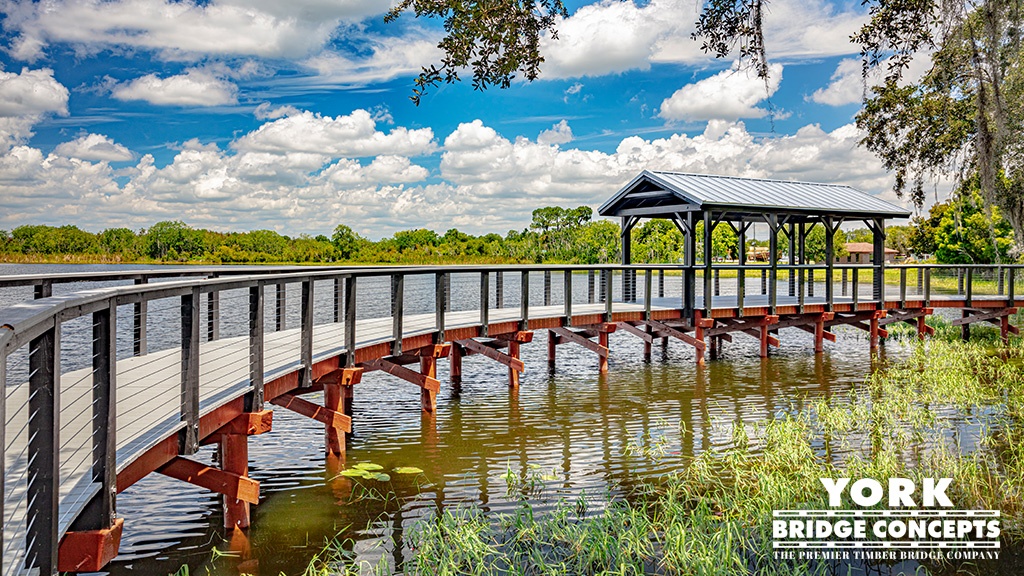
Lakes
Redefine lakeside beauty with our integrative bridges enhancing the tranquil fresh-water landscapes.
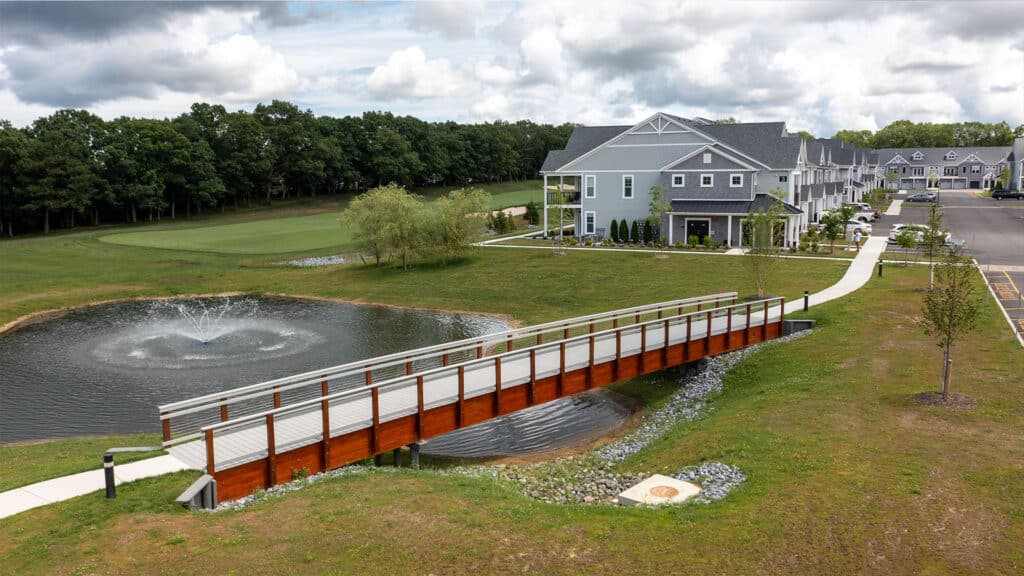
Ponds
Transforming ponds into picturesque settings becomes a unique and tranquil experience.
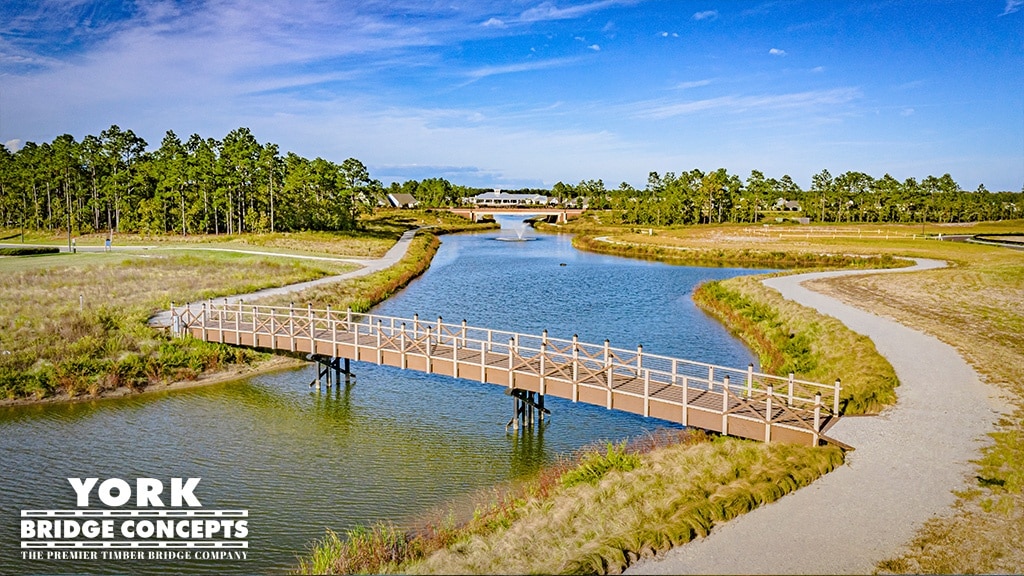
Rivers
Creating bridges that span majestic rivers that respect and preserve their ecological significance.
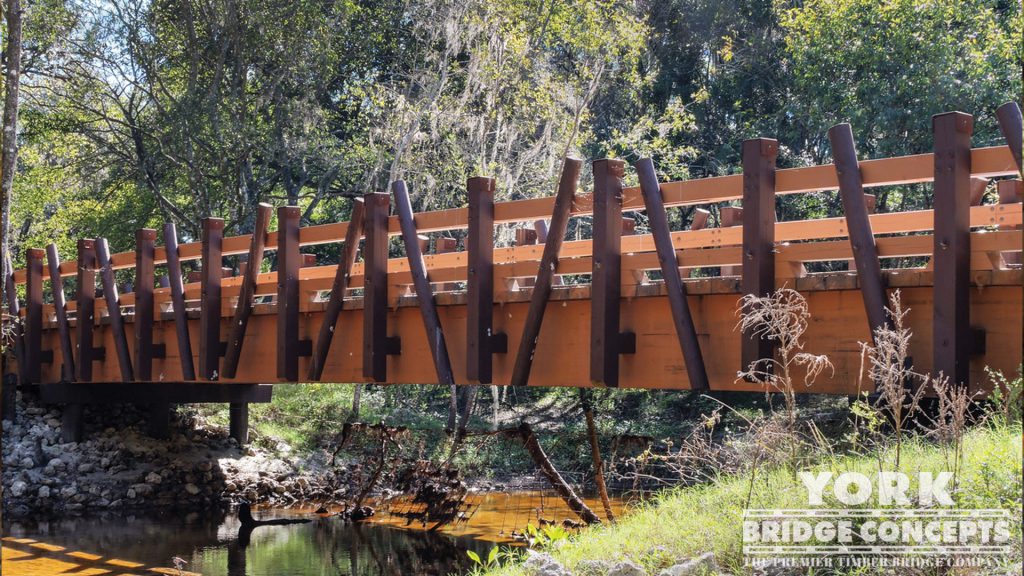
Streams
Enhance the charm of a babbling stream that allows you to connect intimately with the ecosystem.
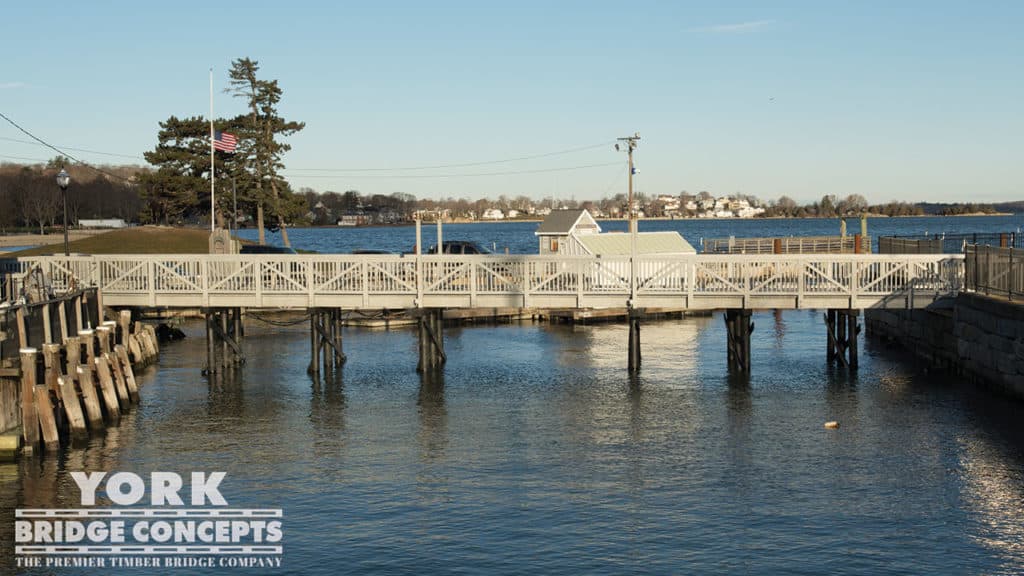
Saltwater
Enjoy the shorelines with a durable and aesthetically pleasing structure that withstands the elements.
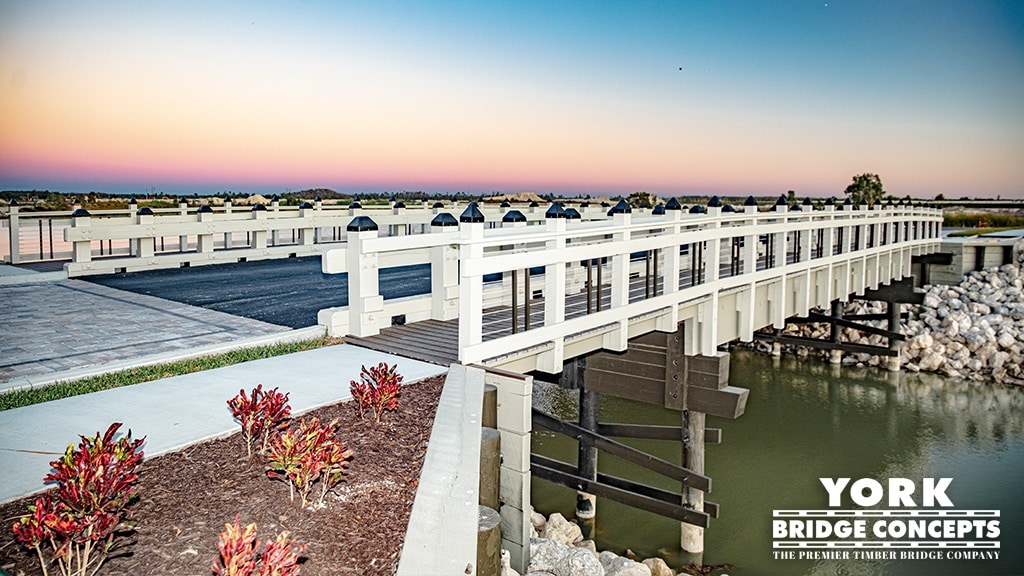
Canals & Inlets
Discover the adventure of these man-made waterways that leave an indelible impression.
Bodies of Water Crossing
Bodies of water present a wide range of challenges that must be addressed through thoughtful, site-specific bridge design. From seasonal flooding to fluctuating water levels and sediment transport, timber bridges must be engineered with flexibility and durability in mind. Proper consideration of load distribution, anchoring, and substructure design ensures long-term performance even in dynamic water environments.
Timber bridge solutions for aquatic crossings may include open-span or multi-span designed, supported by pilings or abutments that allow for unimpeded water flow beneath the structure. For locations subject to significant hydrological changes, such as rivers with variable flood stages or lakes that undergo drawdowns, flexible design elements like integrated expansion joints and floating access points may be introduced.
Material selection is also critical when building over bodies of water. Southern Yellow Pine treated with protective systems like oil-based coatings or acrylic-polymer finishes can withstand moisture, UV exposure, and biological decay. In saltwater applications--such as tidal inlets or brackish canals-coatings, pile wraps, composite materials, and corrosion-resistant hardware ensure longevity and structural stability.
Bridges over water must also consider environmental impacts. Construction techniques such as top-down installation help protect fish habitats, benthic organisms, and aquatic vegetation. Incorporating open-bottom designs allows for natural light penetration, supporting the biological needs of the aquatic ecosystem.
Ultimately, timber bridges offer a low-impact, visually harmonious alternative to concrete and steel options. They provide durable and cost-effective solutions that enhance natural aesthetics while ensuring ecological compatibility with surrounding bodies of water.
Wetland Crossing Environments
Navigating the intricate ecosystems of wetlands demands a delicate touch. York Bridge Concepts' top-down construction approach is the answer to your wetland crossing environment. We seamlessly integrate our crossings into wetland landscapes, offering a harmonious blend of functionality and ecological sensitivity. Witness the beauty of wetlands untouched, with YBC leading the way.
Wetland Types Are Listed Below
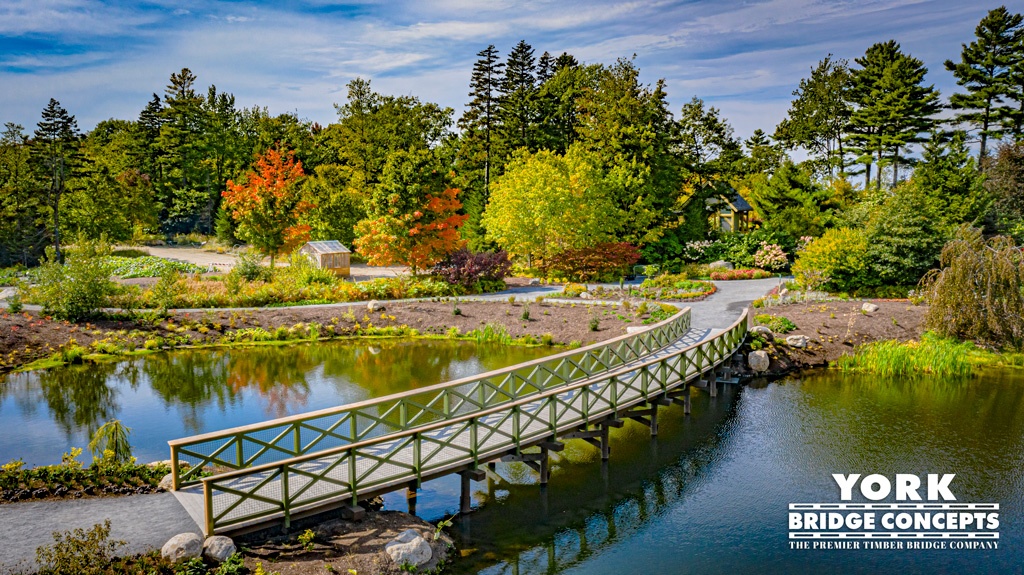
Wetlands
Harmonize with the delicate ecosystems of wetlands with crossings that enhance your experience.
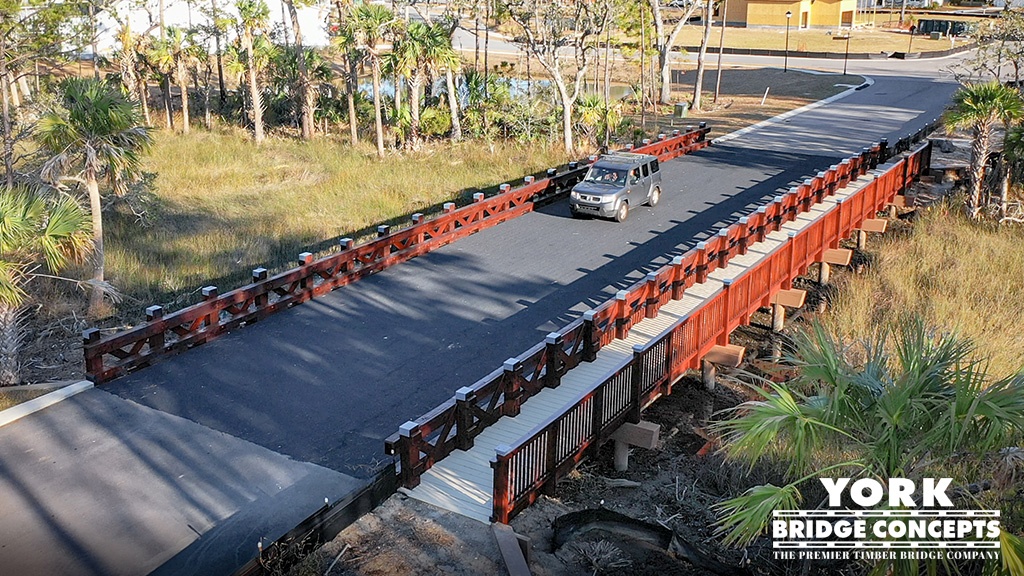
Floodplains & easements
Resilient solutions that mitigate the impact of flooding & environmental considerations.
Wetland Crossing Environments
Wetlands are among the most environmentally sensitive areas to cross, requiring specialized engineering and construction methods that preserve their function and ecological value. Whether the goal is to connect trails, link neighborhoods, or provide vehicle access through protected floodplains, the design of timber bridges in wetlands must prioritize minimal environmental disruption.
One of the most effective strategies for wetland bridge construction is top-down installation. This approach allows for construction to proceed from above, using the bridge itself as a working platform to reduce ground disturbance. This is especially important in areas with soft, saturated soils that are susceptible to compaction, which can disrupt hydrology and damage root systems.
Preserving natural water flow is also a primary objective in wetland environments. Bridge foundations are often designed to allow water to move freely underneath, preventing the buildup of stagnant water or the redirection of flow, which could alter the wetland's ecological balance. Strategically placed pilings or abutments keep the structure elevated, allowing the area beneath the bridge to function as it would naturally.
Designing for wetlands also includes accommodating seasonal changes. In many areas, water levels fluctuate throughout the year. Timber bridges must be engineered to perform under both dry and inundated conditions. Adequate clearance, robust substructure elements, and rot-resistant materials are all part of a successful long-term design.
York Bridge Concepts' timber bridges are especially suited for wetland applications due to their lighter structural footprint, fabrication capabilities, and customizable installation methods. These attributes allow projects to meet both engineering standards and regulatory requirements while preserving the beauty and biodiversity of wetland environments.
overpass Crossing Environments
Connecting communities and facilitating smooth transportation is at the core of our roadway projects. York Bridge Concepts' top-down construction ensures minimal disruption to existing roadways while maximizing efficiency. Our timber bridges become integral parts of the landscape, enhancing connectivity without compromising environmental integrity.
Overpass Types Are Listed Below
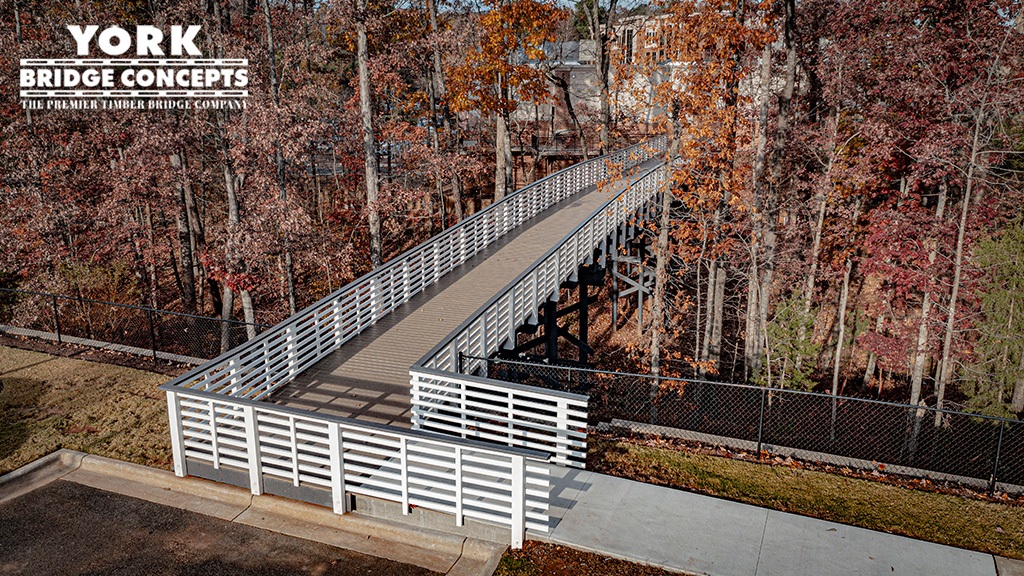
Overpasses
Crafted overpasses that seamlessly integrate into urban landscapes with minimal environmental impact.
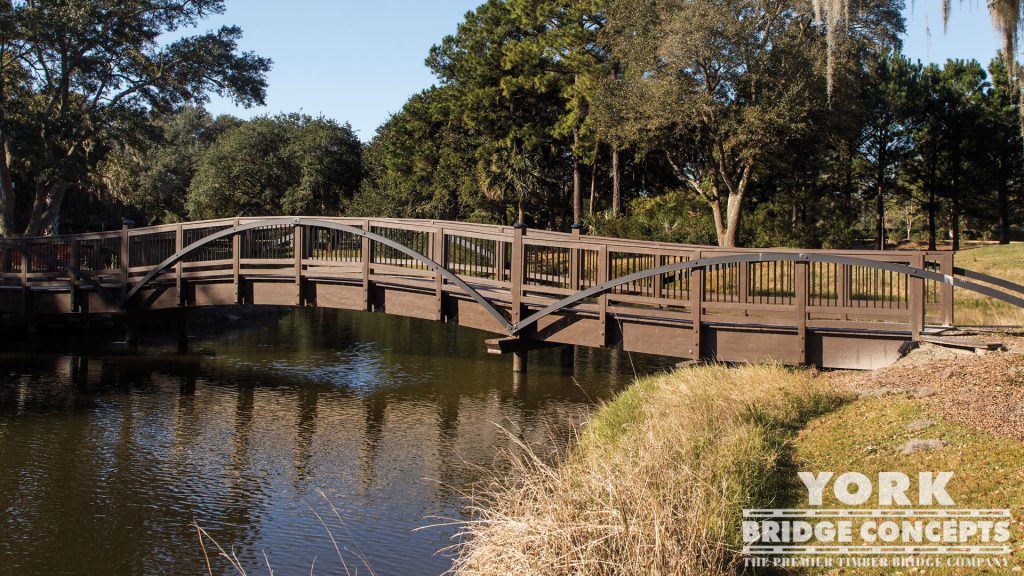
Multi-Use Trails
Blending nature and accessibility to bring harmonious passages for outdoor enthusiasts.
Overpass Crossing Environments
Overpass environments--such as bridges crossing roadways, rail lines, or active transportation corridors--require precise coordination, engineering compliance, and minimized disruption to the area below. YBC meets these challenges by constructing each bridge entirely on-site, ensuring site-specific adaptation and real-time decision-making.
Unlike prefabricated system that require crane lifts or long closures, our method allows for modular progression--each component built and installed in sequence without mass lifting. This approach enables our crews to coordinate directly with municipalities, utility providers, or contractors to work around existing traffic flow and infrastructure.
Overpass bridges must meet stringent design and safety standards, including vertical clearance, live load capacity, and fall protection. We incorporate features such as non-slip decking, protective railings, and optional lighting--all constructed and installed in the field to ensure alignment with actual site conditions.
Our engineered timber systems offer several advantages for overpass applications. Timber's natural visual warmth contrasts favorably with steel or concrete overpasses, enhancing the surrounding environment instead of creating visual clutter. Timber surfaces also remain cooler than concrete or metal in direct sun, improving comfort and safety for pedestrians and cyclists.
Because YBC build on-site, we can make adjustments as necessary to account for utility lines, elevation changes, or aesthetic preferences, ensuring the bridge meets not just the engineering specs, but also the functional and visual needs of the community it serves.
Unique & Designed Environments
Connecting communities and facilitating smooth transportation is at the core of our roadway projects. York Bridge Concepts' top-down construction ensures minimal disruption to existing roadways crossing environments while maximizing efficiency. Our structures become integral parts of the landscape, enhancing connectivity without compromising environmental integrity.
Options Are Listed Below
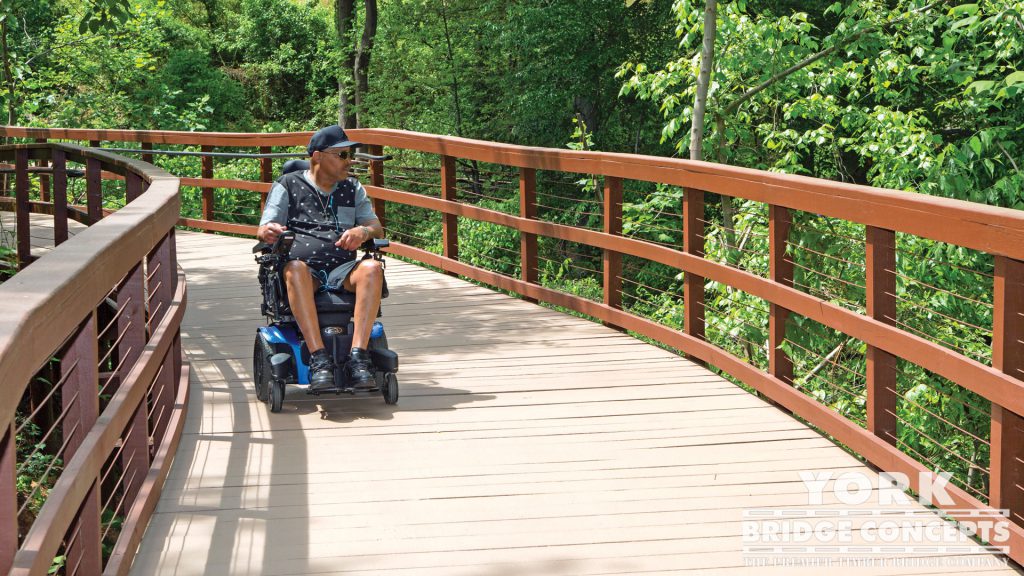
Unique & Designed Environments
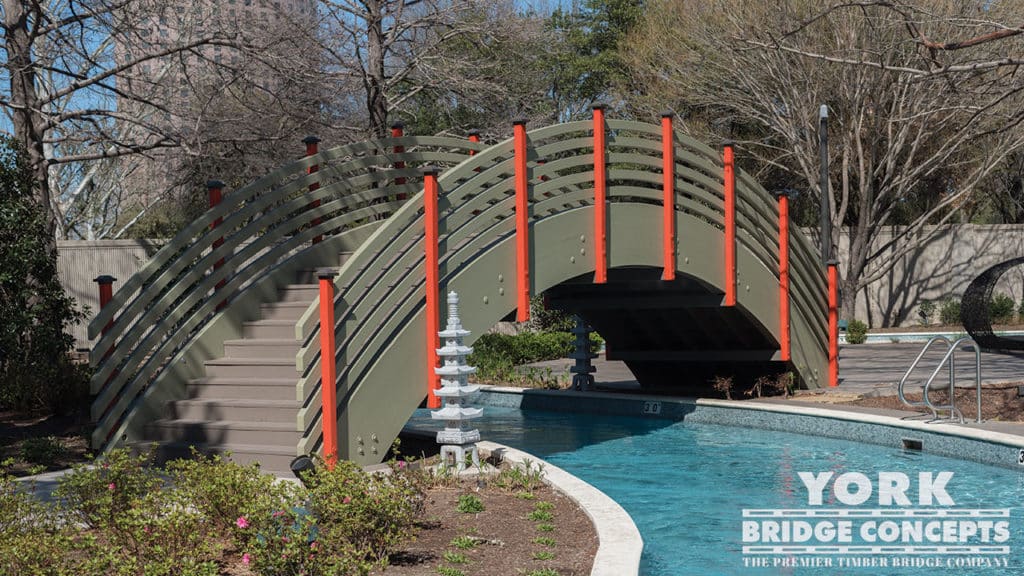
Distinctive environments such as parks, botanical gardens, planned communities, and corporate campuses often call for more than a functional crossing--they require a design that serves as an architectural feature. York Bridge Concepts specializes in crafting these signature timber bridges entirely on-site, where every element is shaped to reflect the surrounding design vision.
Because no components are prefabricated, we retain complete flexibility to build bridges that contour to natural slopes, adapt to tree canopies, or align with stonework and landscape features. Curved spans, custom railings, accent lighting, and integrated elements like planters or seating can all be crafted in the field, ensuring a precise and intentional fit.
Our Decero™ Design Methodology allows clients to personalize the bridge's look through rail styles, deck patterns, finish colors, and trim details. Once the design is finalized, our builders bring the vision to life step by step--adjusting for minor grading changes or field conditions that can't be predicted on paper.
For designed environments with strong branding or aesthetic objectives, site-built timber bridges deliver elegance and adaptability. Whether nestled into a wooded garden or crossing a manicured water feature in a luxury development, these bridges elevate the experience for users while maintaining structural integrity and environmental responsibility.
On-site construction also facilitates close collaboration with landscape architects, civil engineers, and owners allowing changes and refinements to be made in real time--something not possible with pre-made systems.
Extreme Grades
Conquer challenging terrain that gracefully navigates extreme grades, ensuring aesthetics and functionality.
Designed Environments
Bringing an artistic vision to life that seamlessly integrates form and function in perfect harmony.
Sensitive Crossing Environments
Connecting communities and facilitating smooth transportation is at the core of our roadway projects. York Bridge Concepts' top-down construction ensures minimal disruption to existing roadways while maximizing efficiency. Our structures become integral parts of the landscape, enhancing connectivity without compromising environmental integrity.
Sensitive Crossing Environments
Sensitive environments include areas of ecological, cultural, or historic significance. Building in these locations demands a careful and respectful approach--one that avoids disruption while still achieving functional access. York Bridge Concepts constructs every bridge on-site using techniques that minimize impact and ensure compatibility with the land's unique constraints.
In these settings, access is often limited, and heavy machinery is discouraged or prohibited. Our field crews use hand-operated equipment, small-scale machinery, and strategic staging to build bridges with the least possible disturbance. Soil compaction, tree root damage, and erosion are actively avoided through controlled movement, temporary matting, and protective barriers.
When working near endangered species habitats, archaeological features, or conservation easements, we tailor our methods to comply with environmental regulations and agency oversight. This might include specialized anchoring systems like helical piles, vibration monitoring during pile driving, or erosion and sediment control measures maintained throughout the project.
Timber's natural aesthetics and low environmental footprint make it a preferred material for these contexts. All construction is executed with full transparency, and in many cases, environmental consultants are present during installation to ensure compliance.
On-stied construction also supports the cultural sensitivity o f projects on or near tribal lands or heritage landscapes. Structures can be aligned with natural contours, sited to avoid sacred areas, and built with materials and finishes that complement the environment.
By building in-place, we offer unmatched precision, accountability, and stewardship--qualities essential for projects that must coexist respectfully with the land, water, and history beneath them.
Create Your Legacy Today
Discover the intersection of strength, durability, and environmental responsibility with York Bridge Concepts. Let's build a bridge to the future together.
