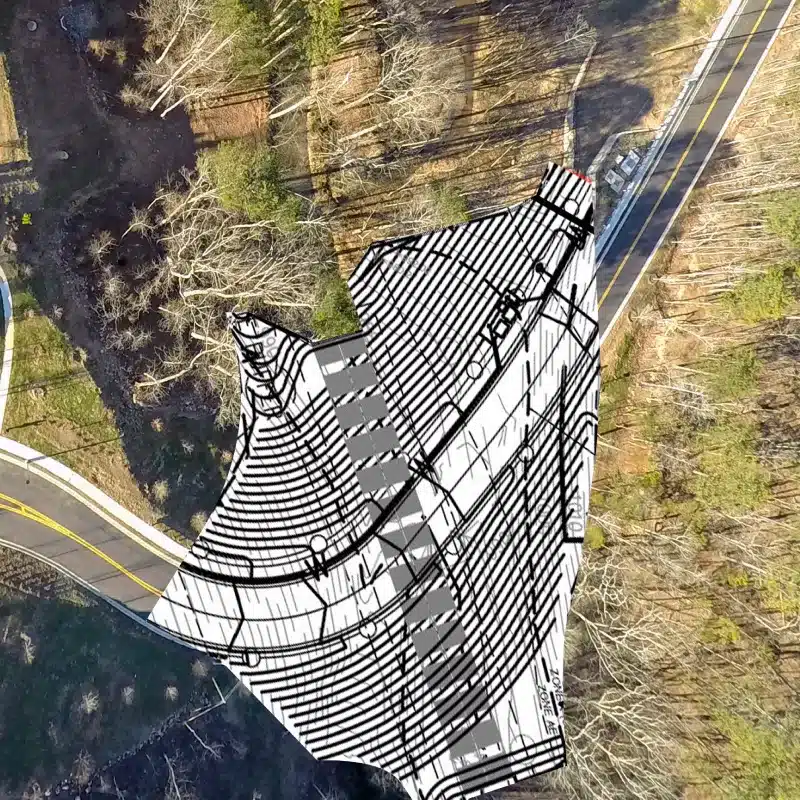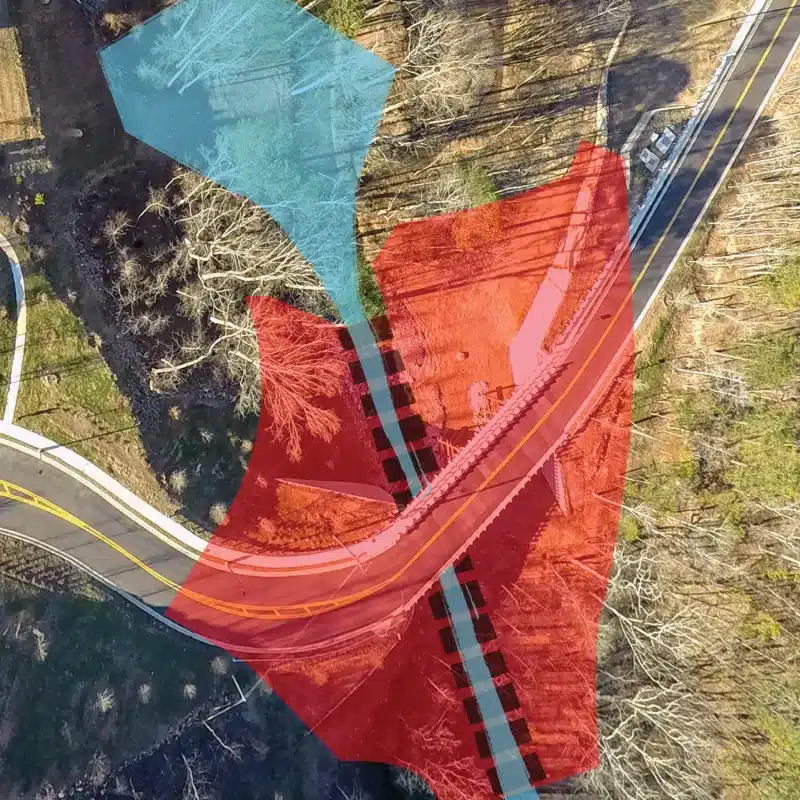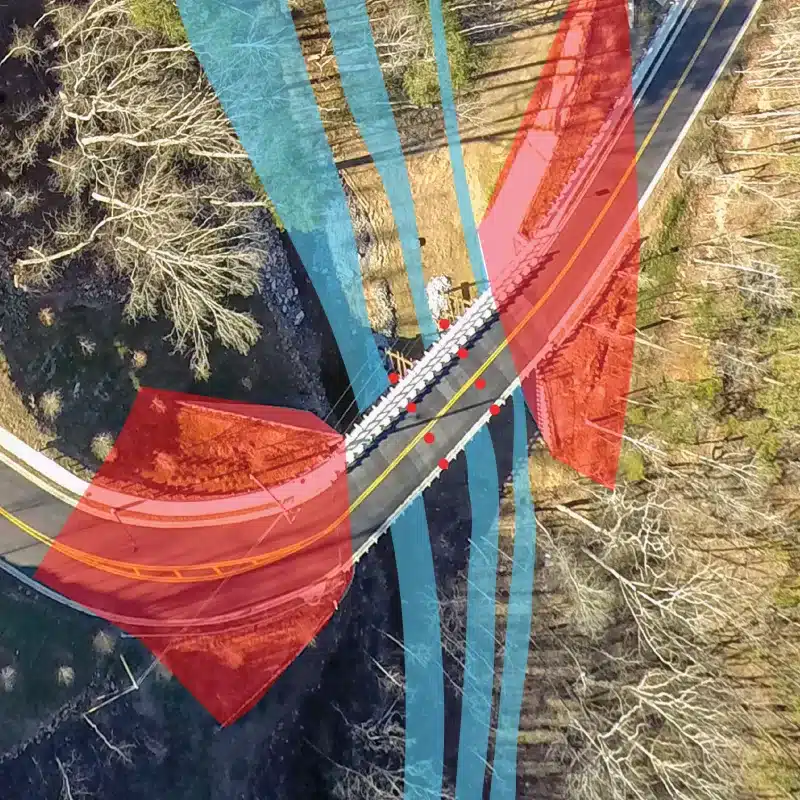
[cs_content _p=’39408′][cs_element_section _id=”1″ ][cs_element_layout_row _id=”2″ ][cs_element_layout_column _id=”3″ ][cs_element_headline _id=”4″ ][cs_content_seo]CASE STUDY\n\n[/cs_content_seo][cs_element_headline _id=”5″ ][cs_content_seo]when is a bridge better than a culvert?\n\n[/cs_content_seo][cs_element_headline _id=”6″ ][cs_content_seo]Inspired Living Project\n\n[/cs_content_seo][cs_element_button _id=”7″ ][cs_content_seo]tell us about your project\n\n[/cs_content_seo][/cs_element_layout_column][/cs_element_layout_row][/cs_element_section][cs_element_section _id=”8″ ][cs_element_layout_row _id=”9″ ][cs_element_layout_column _id=”10″ ][cs_element_headline _id=”11″ ][cs_content_seo]CASE STUDY\n\n[/cs_content_seo][cs_element_headline _id=”12″ ][cs_content_seo]when is a bridge better than a culvert?\n\n[/cs_content_seo][cs_element_headline _id=”13″ ][cs_content_seo]Inspired Living Project\n\n[/cs_content_seo][cs_element_button _id=”14″ ][cs_content_seo]tell us about your project\n\n[/cs_content_seo][/cs_element_layout_column][/cs_element_layout_row][/cs_element_section][cs_element_section _id=”15″ ][cs_element_layout_row _id=”16″ ][cs_element_layout_column _id=”17″ ][cs_element_headline _id=”18″ ][cs_content_seo]When a Bridge Reduces Environmental Impacts & Satisfies Water Flow Restrictions Better than a Culvert\n\n[/cs_content_seo][cs_element_text _id=”19″ ][cs_content_seo]Our vehicular project, Inspired Living, shows how a bridge reduces impacts on the environment and water flow. The bridge was built 40 feet above a floodplain to enter a senior living community. Originally, this project was considered to have several culverts installed rather than a bridge. However, with costs of mitigation included, the culvert project budget was going to be significantly higher than a bridge project. There was also significant fill required to raise the road nearly 20 feet in elevation to be above the 100-year flood level. Even with this planned increase in elevation, the 100-year flood flow test was not passed, and the culvert option was eliminated. The final and accepted bridge solution reduced the impacts by 50,763 square feet, limiting environmental impacts to erosion control under the bridge and the fill areas to the bridge end only. The natural flow is left uninhibited, and the area of flood impacts was limited to two 18-inch piling faces, ultimately increasing the flow clearance by 237 square feet within the flood area.\n\n[/cs_content_seo][cs_element_gap _id=”20″ ][cs_element_layout_div _id=”21″ ][cs_element_layout_row_2 _id=”22″ ][cs_element_layout_column_2 _id=”23″ ][cs_element_headline _id=”24″ ][cs_content_seo]20’\n\n[/cs_content_seo][cs_element_headline _id=”25″ ][cs_content_seo]ABOVE FLOOD LEVEL\n\n[/cs_content_seo][/cs_element_layout_column_2][cs_element_layout_column_2 _id=”26″ ][cs_element_headline _id=”27″ ][cs_content_seo]62%\n\n[/cs_content_seo][cs_element_headline _id=”28″ ][cs_content_seo]IMPACT REDUCTION\n\n[/cs_content_seo][/cs_element_layout_column_2][cs_element_layout_column_2 _id=”29″ ][cs_element_headline _id=”30″ ][cs_content_seo]$150K\n\n[/cs_content_seo][cs_element_headline _id=”31″ ][cs_content_seo]COST REDUCTION\n\n[/cs_content_seo][/cs_element_layout_column_2][cs_element_layout_column_2 _id=”32″ ][cs_element_headline _id=”33″ ][cs_content_seo]123%\n\n[/cs_content_seo][cs_element_headline _id=”34″ ][cs_content_seo]INCREASE IN WATER FLOW\n\n[/cs_content_seo][/cs_element_layout_column_2][/cs_element_layout_row_2][/cs_element_layout_div][/cs_element_layout_column][/cs_element_layout_row][/cs_element_section][cs_element_section _id=”35″ ][cs_element_layout_row _id=”36″ ][cs_element_layout_column _id=”37″ ][cs_element_headline _id=”38″ ][cs_content_seo]culvert or bridge takeaways\n\n[/cs_content_seo][cs_element_text _id=”39″ ][cs_content_seo]Not only was the bridge project less expensive, but it also allowed a large amount of land to be left in its natural state, which is key to maintaining undisturbed ecological systems. In turn, this leads to reduced environmental risks or repercussions at the bridge and downstream.
When you are in the decision process of which crossing is the best fit a YBC timber bridge is an ideal solution for your project.\n\n[/cs_content_seo][/cs_element_layout_column][cs_element_layout_column _id=”40″ ][cs_element_video _id=”41″ ][/cs_element_layout_column][/cs_element_layout_row][/cs_element_section][cs_element_section _id=”42″ ][cs_element_layout_div _id=”43″ ][cs_element_layout_row _id=”44″ ][cs_element_layout_column _id=”45″ ][cs_element_layout_div_2 _id=”46″ ][cs_element_image _id=”47″ ][/cs_element_layout_div_2][cs_element_layout_div_2 _id=”48″ ][cs_element_headline _id=”49″ ][cs_content_seo]Original Culvert Proposal\n\nKeep this content short\n\n[/cs_content_seo][cs_element_text _id=”50″ ][cs_content_seo]The initial proposal for building a culvert for Inspired Living would have used a vast amount of materials and restricted access to underground utilities.\n\n[/cs_content_seo][/cs_element_layout_div_2][/cs_element_layout_column][cs_element_layout_column _id=”51″ ][cs_element_layout_div_2 _id=”52″ ][cs_element_image _id=”53″ ][/cs_element_layout_div_2][cs_element_layout_div_2 _id=”54″ ][cs_element_headline _id=”55″ ][cs_content_seo]Culvert Impacts & Flow Restriction\n\nKeep this content short\n\n[/cs_content_seo][cs_element_text _id=”56″ ][cs_content_seo]The culvert proposal was denied due to the large environmental impact, restrictive flow, and negate any wetland mitigation requirements.\n\n[/cs_content_seo][/cs_element_layout_div_2][/cs_element_layout_column][cs_element_layout_column _id=”57″ ][cs_element_layout_div_2 _id=”58″ ][cs_element_image _id=”59″ ][/cs_element_layout_div_2][cs_element_layout_div_2 _id=”60″ ][cs_element_headline _id=”61″ ][cs_content_seo]Bridge Impacts & Flow Restriction\n\nKeep this content short\n\n[/cs_content_seo][cs_element_text _id=”62″ ][cs_content_seo]The chosen solution proposed maximum flow, access to underground utilities, and minimal environmental footprint with sustainable materials – Win – Win.\n\n[/cs_content_seo][/cs_element_layout_div_2][/cs_element_layout_column][/cs_element_layout_row][/cs_element_layout_div][/cs_element_section][cs_element_section _id=”63″ ][cs_element_row _id=”64″ ][cs_element_column _id=”65″ ][x_custom_headline level=”h2″ looks_like=”h3″ accent=”false” class=”cs-ta-center man” style=”color: hsl(0, 0%, 100%);”]CASE STUDY:
When is a bridge better than a culvert?[/x_custom_headline][/cs_element_column][/cs_element_row][/cs_element_section][cs_element_section _id=”67″ ][cs_element_layout_row _id=”68″ ][cs_element_layout_column _id=”69″ ][cs_element_headline _id=”70″ ][cs_content_seo]Breakdown of why a timber bridge was chosen over a culvert\n\n[/cs_content_seo][cs_element_gap _id=”71″ ][/cs_element_layout_column][/cs_element_layout_row][cs_element_row _id=”72″ ][cs_element_column _id=”73″ ][cs_element_gap _id=”74″ ][cs_element_row_2 _id=”75″ ][cs_element_column_2 _id=”76″ ][cs_element_gap _id=”77″ ][/cs_element_column_2][cs_element_column_2 _id=”78″ ][cs_element_text _id=”79″ ][cs_content_seo]CULVERT\n\n[/cs_content_seo][/cs_element_column_2][cs_element_column_2 _id=”80″ ][cs_element_text _id=”81″ ][cs_content_seo]TIMBER BRIDGE\n\n[/cs_content_seo][/cs_element_column_2][/cs_element_row_2][cs_element_row_2 _id=”82″ ][cs_element_column_2 _id=”83″ ][cs_element_headline _id=”84″ ][cs_content_seo]Permitting\n\n[/cs_content_seo][cs_element_gap _id=”85″ ][/cs_element_column_2][cs_element_column_2 _id=”86″ ][cs_element_text _id=”87″ ][cs_content_seo]Failed 100-year flood test\n\n[/cs_content_seo][/cs_element_column_2][cs_element_column_2 _id=”88″ ][cs_element_text _id=”89″ ][cs_content_seo]Permitted\n\n[/cs_content_seo][/cs_element_column_2][/cs_element_row_2][cs_element_row_2 _id=”90″ ][cs_element_column_2 _id=”91″ ][cs_element_headline _id=”92″ ][cs_content_seo]Environmental Impacts & Mitigation\n\n[/cs_content_seo][cs_element_gap _id=”93″ ][/cs_element_column_2][cs_element_column_2 _id=”94″ ][cs_element_text _id=”95″ ][cs_content_seo]81,823 sq ft\n\n[/cs_content_seo][/cs_element_column_2][cs_element_column_2 _id=”96″ ][cs_element_text _id=”97″ ][cs_content_seo]31,060 sq ft
(reduced by 62%)\n\n[/cs_content_seo][/cs_element_column_2][/cs_element_row_2][cs_element_row_2 _id=”98″ ][cs_element_column_2 _id=”99″ ][cs_element_headline _id=”100″ ][cs_content_seo]Cost\n\n[/cs_content_seo][cs_element_gap _id=”101″ ][/cs_element_column_2][cs_element_column_2 _id=”102″ ][cs_element_text _id=”103″ ][cs_content_seo]$150K more than the bridge due to mitigation costs\n\n[/cs_content_seo][/cs_element_column_2][cs_element_column_2 _id=”104″ ][cs_element_text _id=”105″ ][cs_content_seo]Less expensive due to low environmental impact\n\n[/cs_content_seo][/cs_element_column_2][/cs_element_row_2][cs_element_row_2 _id=”106″ ][cs_element_column_2 _id=”107″ ][cs_element_headline _id=”108″ ][cs_content_seo]Maintenance & Risk\n\n[/cs_content_seo][cs_element_gap _id=”109″ ][/cs_element_column_2][cs_element_column_2 _id=”110″ ][cs_element_text _id=”111″ ][cs_content_seo]Limited to 192 sq ft of flow within flood area & caused rise in 100-yr flood elevation\n\n[/cs_content_seo][/cs_element_column_2][cs_element_column_2 _id=”112″ ][cs_element_text _id=”113″ ][cs_content_seo]Provides 429 sq ft of flow within flood area\n\n[/cs_content_seo][/cs_element_column_2][/cs_element_row_2][cs_element_row_2 _id=”114″ ][cs_element_column_2 _id=”115″ ][cs_element_headline _id=”116″ ][cs_content_seo]Aesthetics\n\n[/cs_content_seo][cs_element_gap _id=”117″ ][/cs_element_column_2][cs_element_column_2 _id=”118″ ][cs_element_text _id=”119″ ][cs_content_seo]Dirt & sod\n\n[/cs_content_seo][/cs_element_column_2][cs_element_column_2 _id=”120″ ][cs_element_text _id=”121″ ][cs_content_seo]Custom design options\n\n[/cs_content_seo][/cs_element_column_2][/cs_element_row_2][/cs_element_column][/cs_element_row][cs_element_layout_row _id=”122″ ][cs_element_layout_column _id=”123″ ][cs_element_gap _id=”124″ ][/cs_element_layout_column][/cs_element_layout_row][/cs_element_section][cs_element_section _id=”125″ ][cs_element_layout_div _id=”126″ ][cs_element_layout_row _id=”127″ ][cs_element_layout_column _id=”128″ ][cs_element_headline _id=”129″ ][cs_content_seo]Read This Article On Your Own Time\n\nDownload a PDF version of this article to review later & share with colleagues\n\n[/cs_content_seo][cs_element_button _id=”130″ ][/cs_element_layout_column][cs_element_layout_column _id=”131″ ][cs_element_headline _id=”132″ ][cs_content_seo]Watch A Webinar For A walkthrough\n\nA recorded webinar on considerations before choosing a crossing method\n\n[/cs_content_seo][cs_element_button _id=”133″ ][/cs_element_layout_column][cs_element_layout_column _id=”134″ ][cs_element_headline _id=”135″ ][cs_content_seo]Take a spec sheet to review project details\n\nReview our spec sheet for the Inspired Living Timber Bridge Project \n\n[/cs_content_seo][cs_element_button _id=”136″ ][/cs_element_layout_column][/cs_element_layout_row][/cs_element_layout_div][/cs_element_section][cs_element_section _id=”137″ ][cs_element_layout_row _id=”138″ ][cs_element_layout_column _id=”139″ ][cs_element_global_block _id=”140″ ][/cs_element_layout_column][/cs_element_layout_row][/cs_element_section][/cs_content]