Culvert Replacement with a Timber Bridge

Thousand Trails - Case Study

How York Bridge Concepts Restored Access to Thousand Trails RV Park Following Devastating Flash Flooding

Restoring Critical Infrastructure After Nature's Fury

Natural disasters can destroy infrastructure in a matter of hours. Roads disappear, culverts fail, and communities can become completely isolated until access is restored. For campgrounds, parks, residential communities, and municipalities, losing a single access road can immediately halt operations, prevent emergency response, and leave residents stranded.

Following severe flash flooding in Acton, California, Thousand Trails RV Park experienced exactly that scenario.

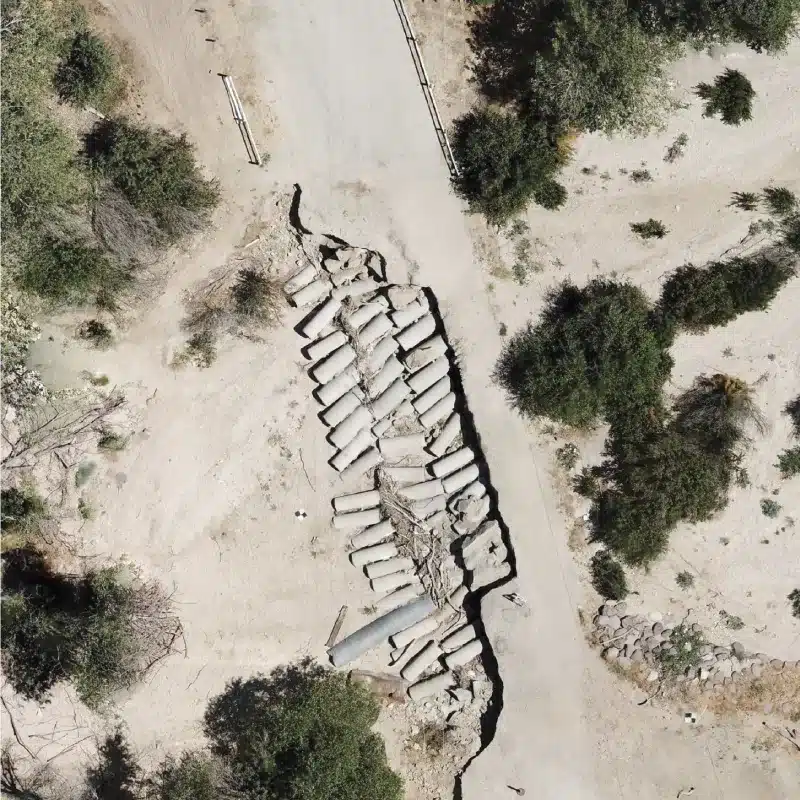
The park's existing culvert crossing was completely washed away, eliminating the only roadway connecting portions of the campground. Several recreational vehicles became isolated, operations were disrupted, and restoring access quickly became the highest priority.

Rather than rebuilding another vulnerable culvert, park ownership chose a permanent infrastructure solution that would better withstand future storm events.

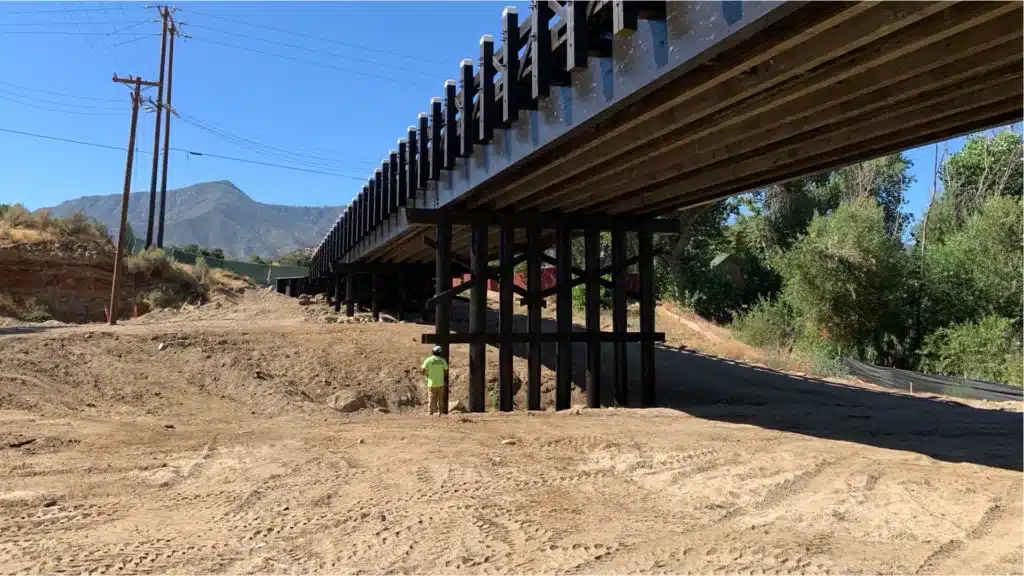
York Bridge Concepts designed and constructed a 320-foot multiple-span timber vehicular bridge that replaced the failed culvert crossing while significantly improving long-term resilience.

The result was far more than a replacement crossing—it was an investment in stronger infrastructure capable of supporting park operations for decades.

Project Overview

Location: Acton, California

Project Type: Culvert Replacement

Bridge Type: Multiple Span Timber Vehicular Bridge

Bridge Length: 320 Feet

Load Capacity: HS20-44

Construction Method: Deck-Level (Top-Down) Construction

Industry: RV Resort / Campground

Owner: Thousand Trails RV Park

When Culverts Fail

Culverts are often selected because they provide an economical way to move water beneath roadways. Under normal conditions they perform well, but extreme weather events reveal their limitations.

When floodwaters exceed design capacity, culverts can quickly become overwhelmed.

Common causes of culvert failure include:

  • Debris blockage
  • Scour beneath the roadway
  • Pipe collapse
  • Embankment washouts
  • Erosion around inlet and outlet structures
  • Undersized hydraulic capacity

Once these failures occur, entire roadways can disappear.

That is exactly what happened at Thousand Trails.

Flash flooding generated tremendous hydraulic forces that washed away the roadway surrounding the culvert. Instead of simply damaging the crossing, the flood completely removed the supporting embankment.

Without access, portions of the campground became unreachable.

For RV parks, this type of infrastructure failure creates immediate operational issues including:

  • Guests unable to enter or leave
  • Emergency vehicles unable to reach certain areas
  • Utility maintenance delays
  • Revenue loss from unusable campsites
  • Significant safety concerns

Replacing the culvert with another culvert would have recreated many of the same vulnerabilities.

A bridge offered a much better long-term solution.

Understanding the Challenge

Following the storm, Thousand Trails management faced several difficult questions.

How quickly could access be restored?

Would another flood simply destroy the replacement?

Could construction occur without causing even more environmental disruption?

Could the project move through permitting quickly?

Would heavy RV traffic require expensive concrete infrastructure?

These questions required an experienced bridge engineering partner capable of moving quickly while designing infrastructure intended to last decades rather than years.

York Bridge Concepts evaluated the site and determined that replacing the failed culvert with a multiple-span timber bridge would provide the most resilient, cost-effective solution.

Why Replace a Culvert with a Bridge?

Although culverts are common for smaller crossings, bridges offer several significant advantages when waterways experience large storm events.

Improved Water Flow

Unlike culverts, bridges leave the stream channel open.

This allows:

  • Higher flood capacity
  • Reduced debris accumulation
  • Lower hydraulic pressure
  • Improved natural water movement

Rather than forcing water through a confined pipe, bridges allow floodwaters to move naturally beneath the structure.

Reduced Risk of Washouts

Roadway washouts frequently occur because water builds pressure against embankments.

Bridge crossings eliminate much of this hydraulic pressure.

With fewer obstructions, water can pass beneath the bridge instead of attempting to force its way through a narrow culvert opening.

Better Environmental Performance

Replacing a culvert with a bridge often restores more natural stream function.

Benefits include:

  • Improved fish passage
  • Wildlife movement
  • Reduced sediment buildup
  • Better water quality
  • Healthier aquatic ecosystems

Long-Term Cost Savings

While culverts may appear less expensive initially, repeated maintenance and eventual replacement often make bridges the more economical solution over time.

Bridge infrastructure generally experiences:

  • Lower maintenance
  • Longer service life
  • Reduced flood damage
  • Greater resilience

The York Bridge Concepts Solution

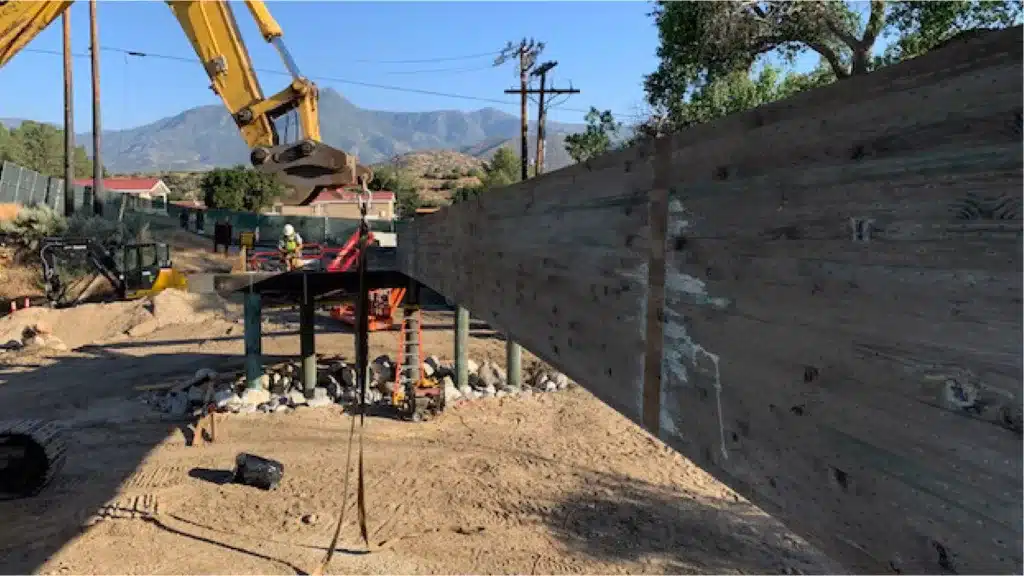
York Bridge Concepts designed a 320-foot repetitive-span timber bridge capable of safely carrying full vehicular traffic while restoring uninterrupted access throughout the campground.

Every aspect of the design focused on three objectives:

  • Restore access quickly
  • Minimize environmental disturbance
  • Provide infrastructure capable of withstanding future weather events

The completed bridge transformed a vulnerable crossing into dependable infrastructure engineered for long-term performance.

Why Timber Was the Right Choice

Many people automatically assume concrete or steel is the only option for vehicular bridges.

In reality, modern engineered timber bridges provide exceptional structural performance while offering several advantages over traditional materials.

For Thousand Trails, timber allowed construction crews to work efficiently in a sensitive environment while delivering an attractive structure that blended naturally into the campground.

Benefits included:

  • Faster construction
  • Lower environmental impact
  • Reduced equipment requirements
  • Attractive natural appearance
  • Excellent structural capacity
  • Long service life

Engineered for Heavy Vehicular Traffic

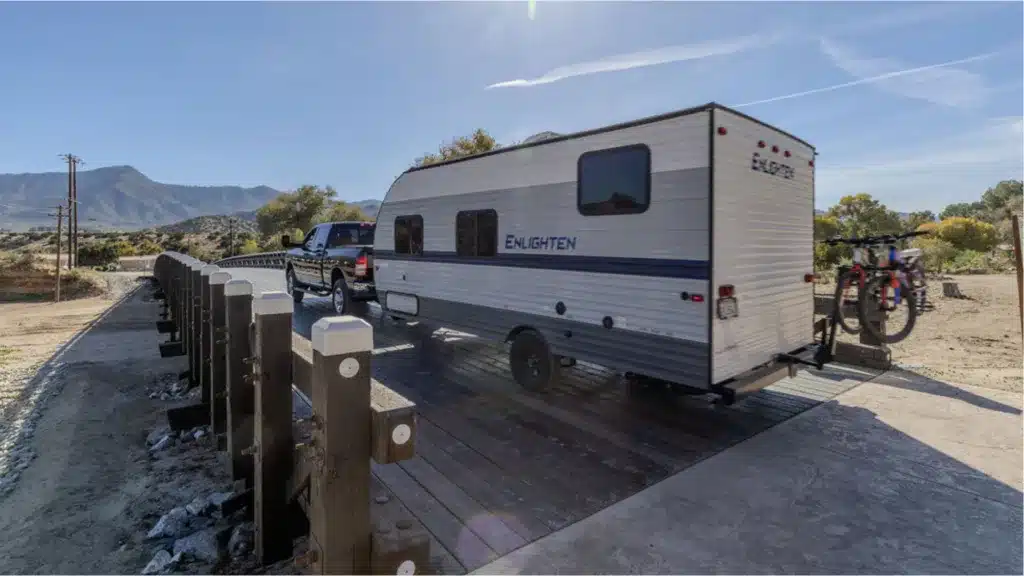
The Thousand Trails bridge was engineered to meet HS20-44 loading requirements, allowing it to safely accommodate:

  • Passenger vehicles
  • Maintenance trucks
  • Emergency vehicles
  • RV traffic
  • Service equipment

This ensures the crossing remains functional for daily operations as well as emergency access.

Deck-Level Construction: Building from the Top Down

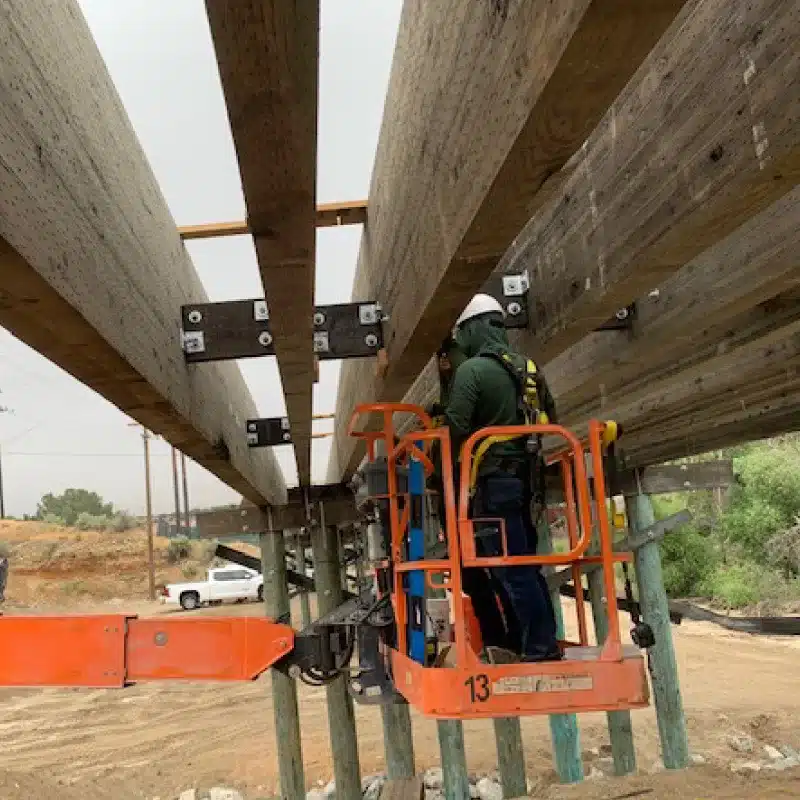
One of the defining characteristics of York Bridge Concepts projects is the company's proprietary Deck-Level Construction (Top-Down Construction) methodology.

Instead of bringing heavy equipment into waterways, construction progresses from the completed bridge deck itself.

As the bridge advances, equipment moves across the newly constructed deck rather than operating below.

This approach dramatically reduces environmental impacts.

Benefits include:

  • Minimal stream disturbance
  • Reduced wetland impacts
  • Less soil compaction
  • Fewer access roads
  • Faster installation
  • Improved worker safety

For environmentally sensitive locations like Thousand Trails, this construction method offers significant advantages over conventional bridge installation techniques.

Working Through the Approval Process

Emergency infrastructure projects often face a difficult balancing act.

Construction must begin quickly while still satisfying permitting requirements.

York Bridge Concepts worked closely with regulatory agencies and project stakeholders to streamline approvals without compromising safety or environmental compliance.

Because the project involved replacing damaged infrastructure, efficient coordination became essential.

Early collaboration helped accelerate:

  • Engineering review
  • Environmental coordination
  • Construction planning
  • Site logistics
  • Safety documentation

This cooperative approach helped move the project from concept to construction far faster than traditional infrastructure projects.

Multiple Span Design Advantages

The bridge utilizes a multiple-span repetitive design.

This approach offers numerous benefits for longer crossings.

Advantages include:

  • Excellent structural redundancy
  • Efficient material usage
  • Long-term durability
  • Easier maintenance
  • Cost efficiency
  • Flexible span lengths

Rather than relying on one extremely long span, repetitive spans distribute loads evenly throughout the structure while simplifying construction.

Built for Future Storm Events

Replacing the failed culvert solved the immediate problem.

Designing infrastructure capable of surviving future storms solved the long-term one.

The completed bridge significantly improves resilience by:

  • Allowing greater water flow
  • Reducing debris accumulation
  • Minimizing hydraulic pressure
  • Protecting roadway approaches
  • Reducing erosion risks

These improvements help decrease the likelihood of future access interruptions following severe weather.

Protecting the Natural Environment

One of the most important aspects of the project was minimizing impacts on the surrounding environment.

York Bridge Concepts emphasizes environmentally responsible construction through:

  • Deck-Level Construction
  • Reduced equipment access
  • Minimal stream disturbance
  • Preservation of existing vegetation
  • Smaller construction footprint

These practices help protect sensitive ecosystems while delivering durable infrastructure.

Restoring Guest Confidence

Infrastructure failures affect more than roads.

They affect visitor confidence.

Guests expect safe, reliable access throughout a campground.

By replacing the damaged crossing with a permanent timber bridge, Thousand Trails restored confidence among guests while improving the overall appearance of the property.

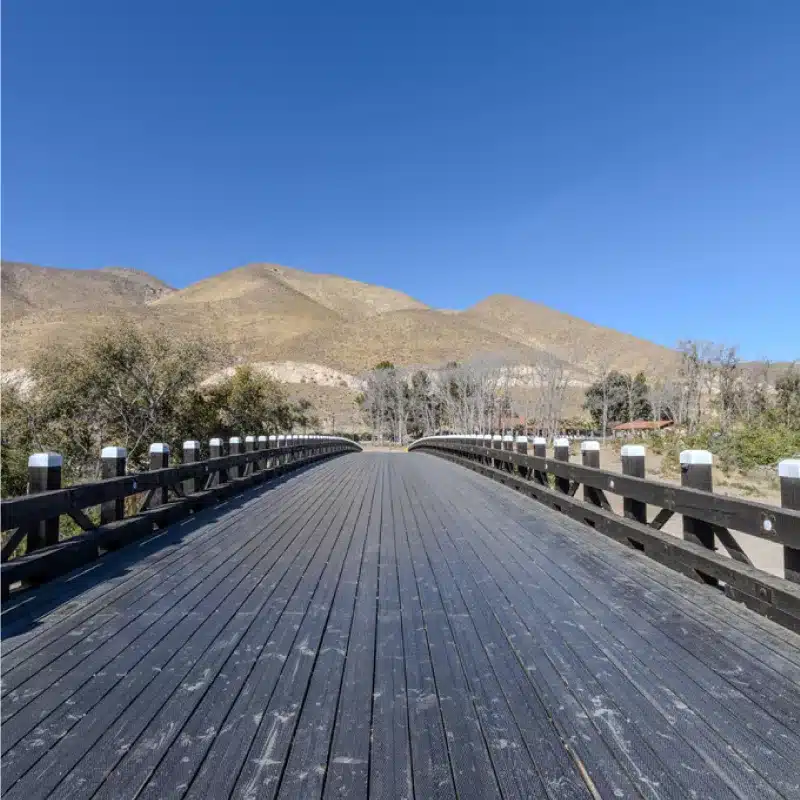
Today, visitors cross an engineered timber bridge that complements the campground's natural surroundings instead of driving across a vulnerable culvert.

The Results

The completed bridge delivered immediate and long-term benefits.

Restored Access

Guests, staff, and emergency vehicles regained dependable access throughout the campground.

Increased Safety

The new bridge provides a safe crossing designed for modern vehicular loading requirements.

Improved Resilience

Replacing the culvert significantly reduces the risk of future washouts during major storm events.

Enhanced Guest Experience

The timber bridge creates an attractive entrance feature while blending naturally into the surrounding landscape.

Lower Long-Term Maintenance

Compared to rebuilding another culvert crossing, the bridge provides improved durability and reduced maintenance requirements.

Why Campgrounds Are Choosing Timber Bridges

Across North America, campground owners increasingly choose engineered timber bridges instead of traditional culvert crossings.

Reasons include:

  • Better aesthetics
  • Faster installation
  • Environmental compatibility
  • Heavy vehicle capacity
  • Lower life-cycle costs
  • Natural appearance
  • Long service life

Whether serving RV parks, state parks, private resorts, or recreational communities, timber bridges continue to prove themselves as practical infrastructure investments.

Why Choose York Bridge Concepts?

For more than four decades, York Bridge Concepts has specialized in designing and constructing custom timber bridge systems throughout North America.

With more than 9,000 completed bridges, the company provides turnkey solutions that include:

  • Engineering
  • Design
  • Manufacturing
  • Construction
  • Project management
  • Installation

Every bridge is custom-designed to meet the site's unique environmental, aesthetic, and structural requirements.

Frequently Asked Questions

1Why replace a culvert with a bridge?
Bridges generally provide greater flood resilience, improved water flow, reduced erosion, and longer service life compared to culverts, particularly in areas prone to heavy rainfall.
2Can timber bridges support heavy vehicles?
Yes. York Bridge Concepts designs timber bridges to meet AASHTO loading requirements, including HS20-44 and HL-93 loading where required.
3Are timber bridges environmentally friendly?
Timber bridges typically have a lower embodied carbon footprint than comparable steel or concrete structures. York Bridge Concepts further minimizes environmental impacts through its Deck-Level Construction method, reducing disturbance to waterways and wetlands.
4How long do timber vehicular bridges last?
Properly engineered and maintained timber bridges can provide a design life exceeding 75 years, depending on environmental conditions, maintenance practices, and project specifications.
5Can a timber bridge replace an existing culvert?
Absolutely. Many owners replace undersized or repeatedly damaged culverts with timber bridges to improve hydraulic performance, increase resilience to flooding, and reduce long-term maintenance costs.

Restore Access with a Permanent Infrastructure Solution

When severe weather destroys critical infrastructure, rebuilding the same vulnerable crossing isn't always the best long-term investment.

As demonstrated by the Thousand Trails project in Acton, California, replacing a failed culvert with a custom-engineered timber bridge created a safer, more resilient, and environmentally responsible solution that continues to serve guests and park operations long after the floodwaters receded.

Whether you're replacing a washed-out culvert, restoring access after flooding, or planning a permanent infrastructure upgrade for a park, campground, municipality, or private development, York Bridge Concepts delivers turnkey timber bridge solutions engineered for strength, longevity, and sustainability.