Reinforced Polymeric Lumber (RPL)

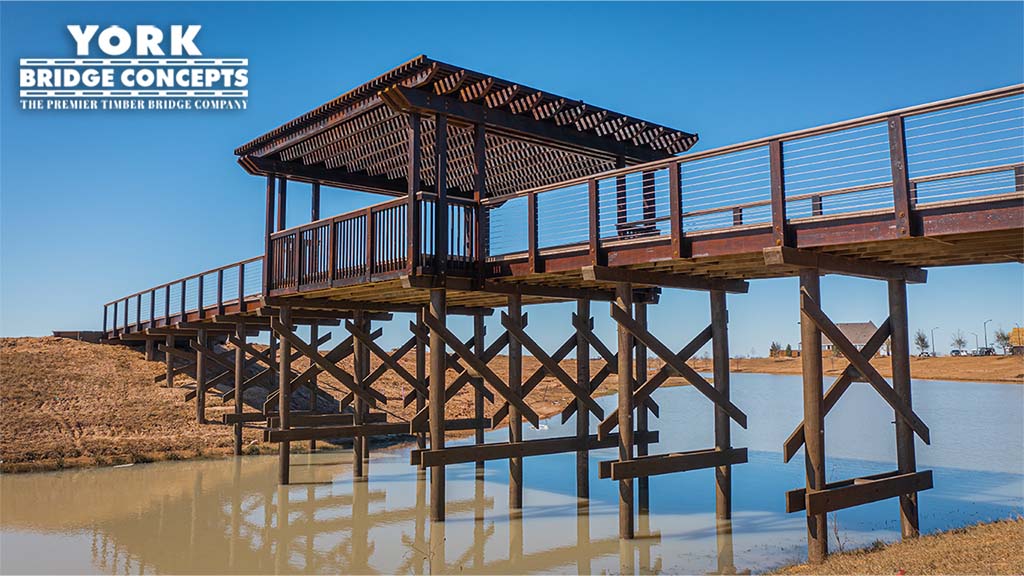
Reinforced Polymeric Lumber (RPL) is transforming modern timber bridge design by combining the sustainability and beauty of natural wood with the long-term durability of advanced recycled composite materials. At York Bridge Concepts (YBC), RPL is strategically incorporated into select hybrid bridge designs to improve structural performance, reduce maintenance, and extend service life while preserving the timeless appearance of timber architecture. Hybrid wood bridges combine RPL with traditional timber to increase strength, durability, and design flexibility for pedestrian and light vehicular applications.

Whether serving municipalities, parks, golf courses, resorts, universities, master-planned communities, or commercial developments, hybrid timber bridges featuring Reinforced Polymeric Lumber deliver an innovative solution that balances engineering performance with environmental stewardship.

What Is Reinforced Polymeric Lumber?

Reinforced Polymeric Lumber is an engineered structural material manufactured from recycled polymers and reinforcing materials. Unlike traditional wood products, RPL offers exceptional resistance to moisture, insects, decay, and weathering while maintaining impressive structural strength.

When combined with timber, RPL creates a hybrid bridge system that leverages the advantages of both materials:

  • Natural timber aesthetics
  • High structural performance
  • Increased durability
  • Reduced maintenance
  • Sustainable construction
  • Longer service life

The result is a bridge that maintains the warmth and character of wood while benefiting from the resilience of advanced composite technology.

Why York Bridge Concepts Uses RPL

At York Bridge Concepts, every bridge is engineered around the unique needs of the project. In applications where additional durability or structural performance is desired, Reinforced Polymeric Lumber can be incorporated into hybrid bridge systems.

Benefits include:

  • Enhanced load-bearing capability
  • Increased dimensional stability
  • Superior moisture resistance
  • Excellent resistance to rot and decay
  • Improved durability in harsh environments
  • Reduced long-term maintenance
  • Greater design flexibility

RPL is particularly valuable in demanding environments where bridges are exposed to constant moisture, changing weather conditions, or heavy pedestrian use. Hybrid bridges utilizing RPL can support pedestrian and light vehicular traffic while achieving longer spans with fewer intermediate supports.

Ideal Applications for RPL Hybrid Bridges

Hybrid timber bridges using Reinforced Polymeric Lumber are well suited for projects including:

  • Municipal parks
  • Nature preserves
  • Waterfront developments
  • Wetland crossings
  • Boardwalks
  • University campuses
  • Golf course bridges
  • Resort communities
  • Residential developments
  • Mixed-use communities
  • Commercial properties
  • Public trail systems

These projects benefit from the material’s ability to withstand challenging environmental conditions while preserving a natural architectural appearance.

Strength Meets Sustainability

One of the greatest advantages of Reinforced Polymeric Lumber is its environmental impact. Because RPL is manufactured using recycled polymer materials, it diverts plastic waste from landfills while reducing demand for virgin construction materials.

When combined with responsibly sourced timber, hybrid bridge systems provide an environmentally responsible infrastructure solution by offering:

  • Recycled structural materials
  • Reduced lifecycle maintenance
  • Extended service life
  • Lower environmental impact
  • Sustainable material selection
  • Preservation of natural landscapes

At York Bridge Concepts, these materials are paired with our proprietary Deck-Level (Top-Down) Construction methodology, which minimizes disturbance to wetlands, waterways, vegetation, and sensitive ecosystems during construction.

Long-Term Durability

Traditional bridge owners often seek solutions that minimize future maintenance costs. Reinforced Polymeric Lumber contributes to that objective through outstanding durability.

Advantages include:

  • Moisture resistance
  • Rot resistance
  • Insect resistance
  • Corrosion resistance
  • UV stability
  • Reduced cracking and splitting
  • Consistent structural performance

By integrating RPL into key structural components, hybrid timber bridges are engineered to perform reliably in challenging climates while maintaining their architectural integrity for decades. RPL components require minimal maintenance compared to traditional wood exposed to harsh environmental conditions.

Architectural Beauty Without Compromise

Although RPL enhances structural performance, the visual character of a York Bridge Concepts bridge remains rooted in natural timber craftsmanship.

Hybrid bridges can be customized with:

  • Heavy timber construction
  • Decorative timber rail systems
  • Wire mesh railings
  • Cable rail systems
  • Architectural pickets
  • Covered bridge designs
  • Scenic overlooks
  • Integrated lighting
  • Custom stain colors
  • Premium hardwood decking
  • Decorative post caps

Every bridge is individually designed to complement its surrounding environment while meeting project-specific engineering requirements.

Custom Engineered for Every Project

No two bridge projects are identical. York Bridge Concepts designs every hybrid bridge based on:

  • Site conditions
  • Environmental considerations
  • Bridge length
  • Required loading
  • Architectural goals
  • Owner preferences
  • Local code requirements
  • Future maintenance objectives

Our integrated design-build process allows architects, engineers, developers, and municipalities to collaborate with a single experienced partner from concept through construction.

Applications Across Multiple Industries

Hybrid timber bridges featuring Reinforced Polymeric Lumber are ideal for:

  • Municipal infrastructure
  • Parks and recreation
  • Landscape architecture
  • Civil engineering
  • Hospitality
  • Education
  • Residential development
  • Commercial development
  • Conservation organizations
  • Golf courses
  • Waterfront communities

Each project receives a fully customized solution designed to maximize structural performance, longevity, and aesthetic value.

The Future of Timber Bridge Construction

As infrastructure owners continue seeking sustainable, durable, and visually distinctive bridge solutions, Reinforced Polymeric Lumber is becoming an increasingly valuable component of modern timber bridge design.

York Bridge Concepts continues to lead the industry by combining innovative materials like RPL with decades of timber bridge engineering expertise, creating custom hybrid bridges that provide exceptional performance while preserving the timeless beauty of natural wood.