crafting A memorable setting for lakefront living at Lake arrowhead
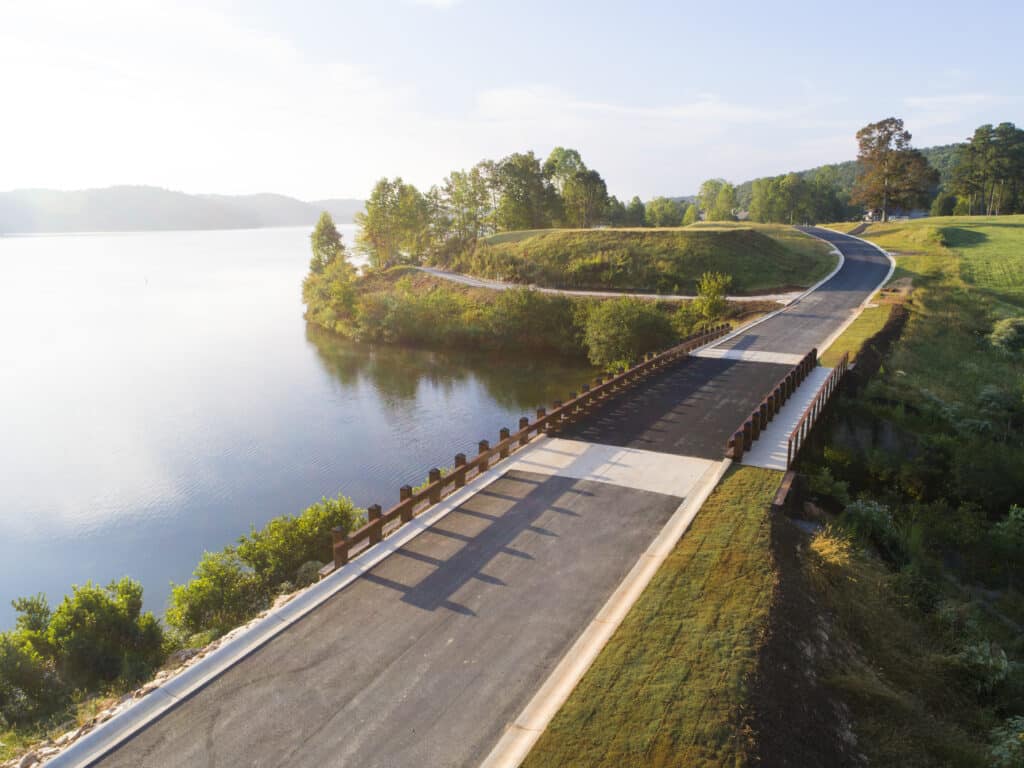
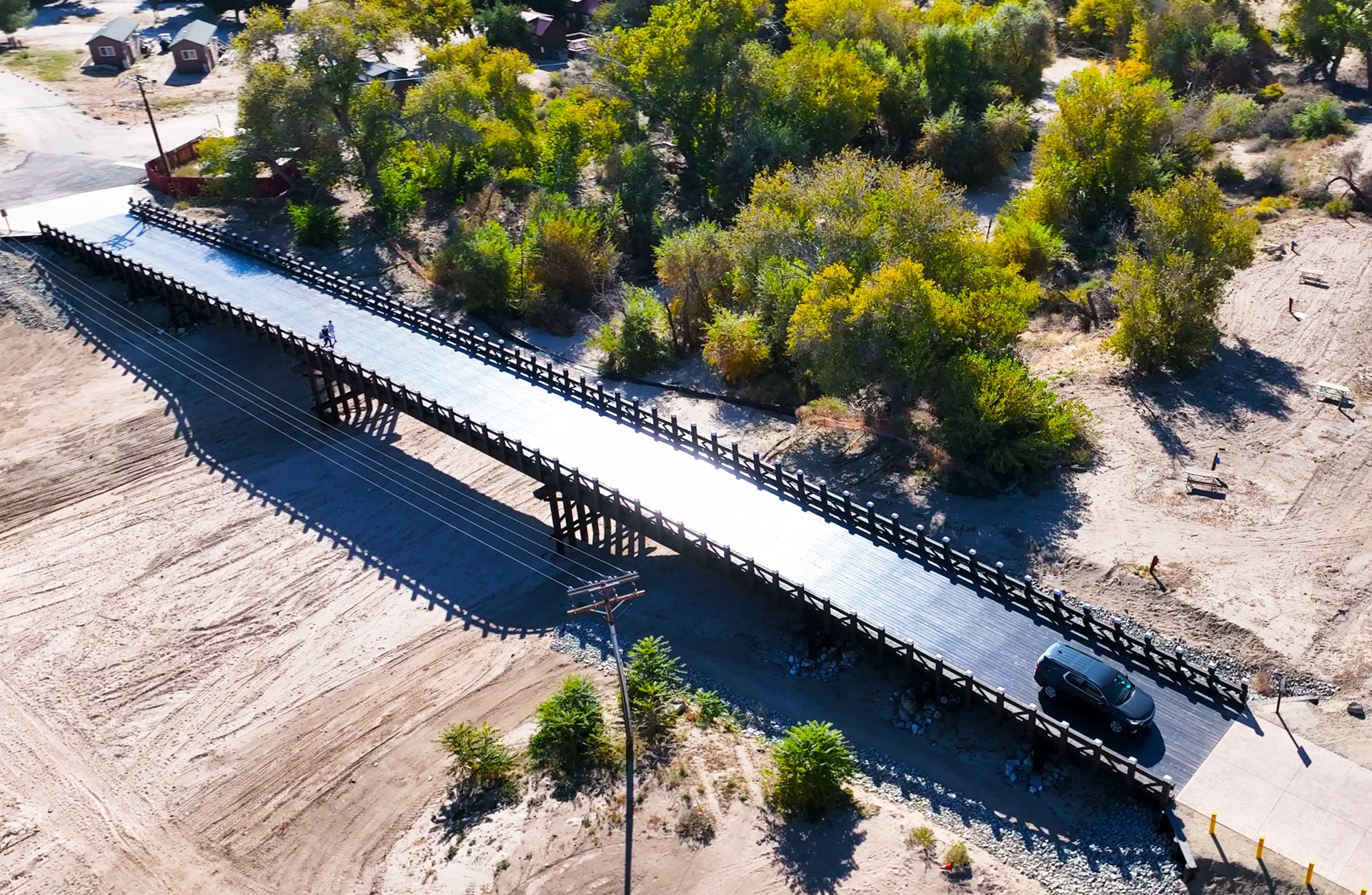
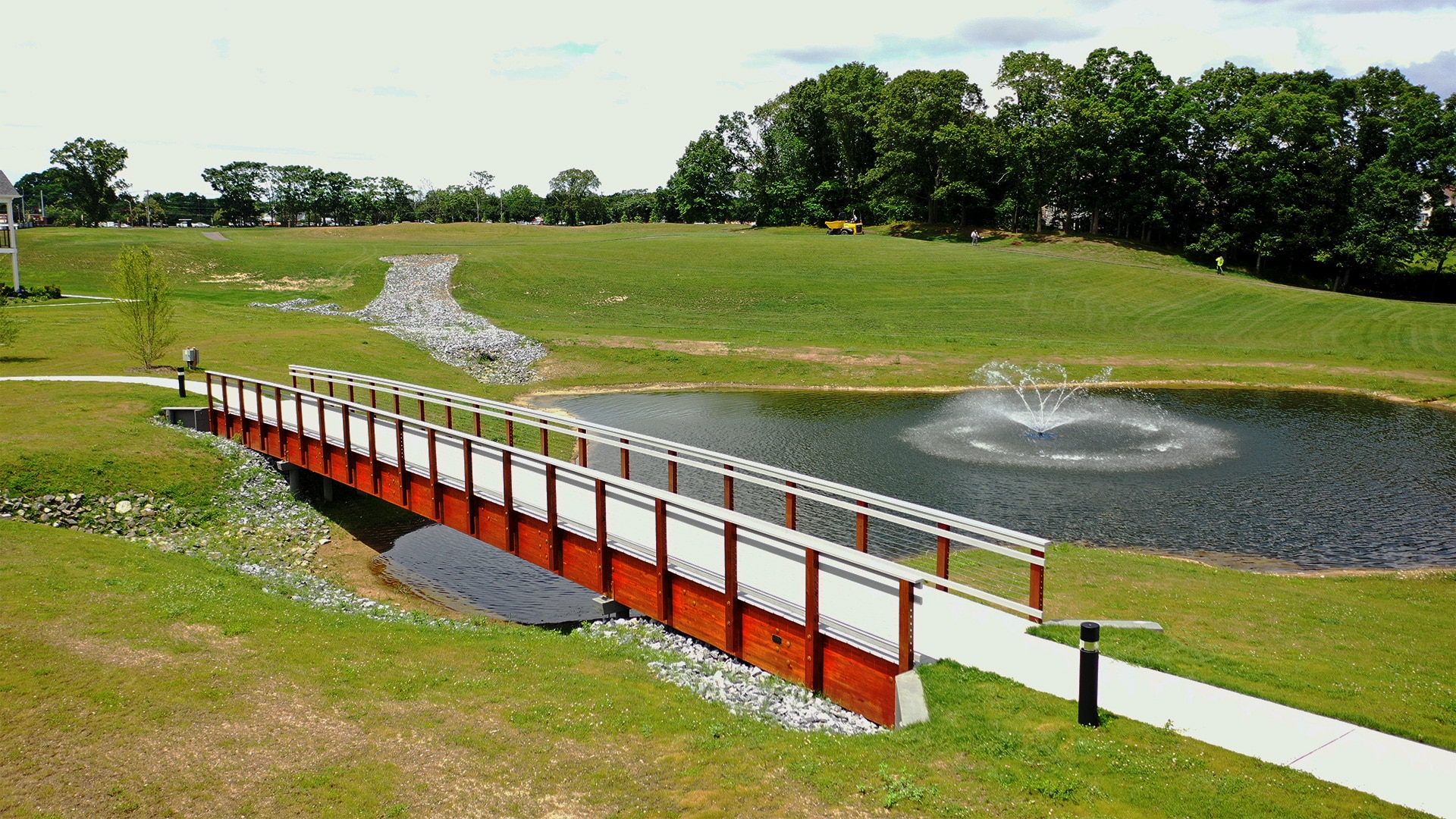
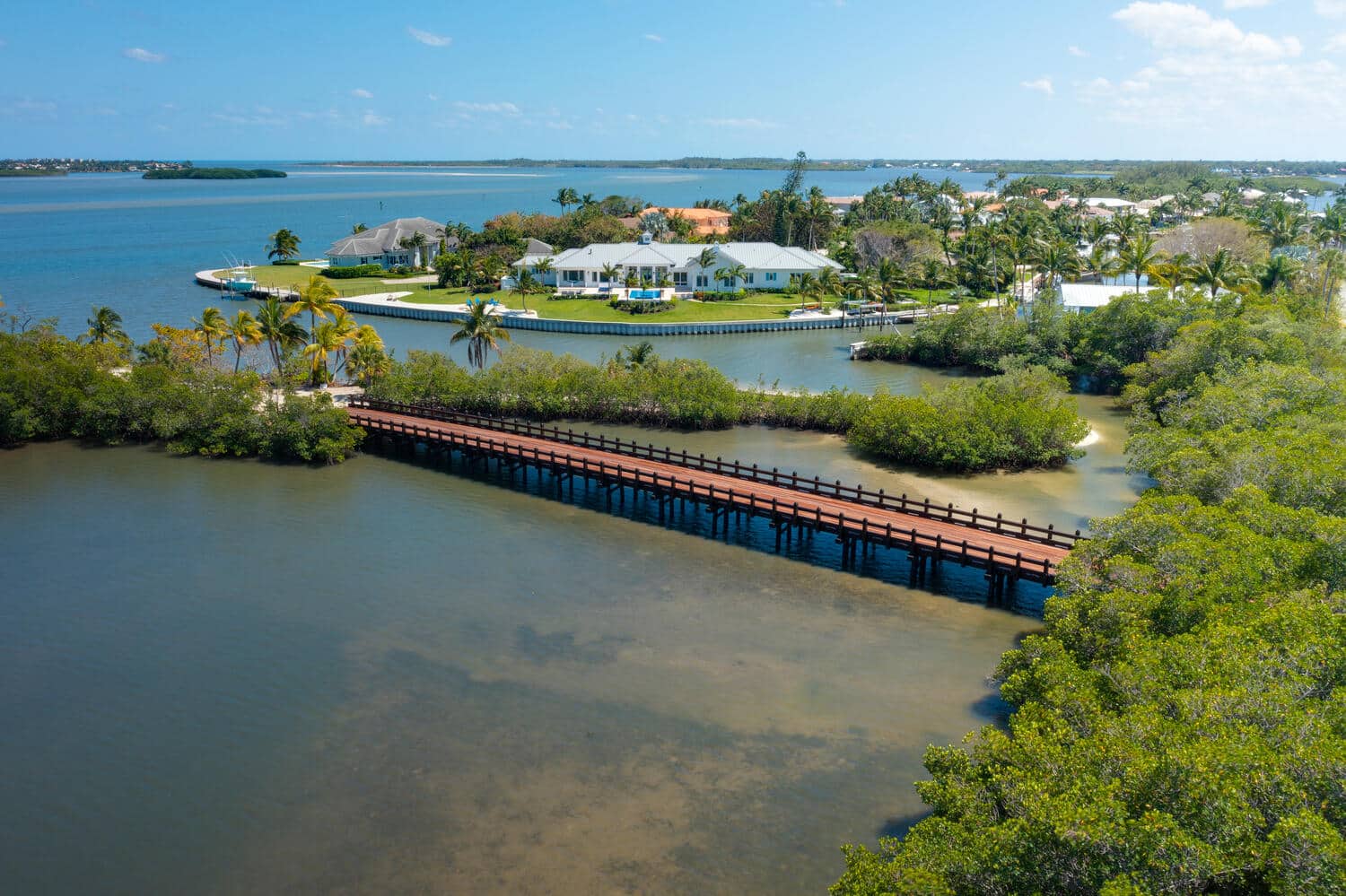
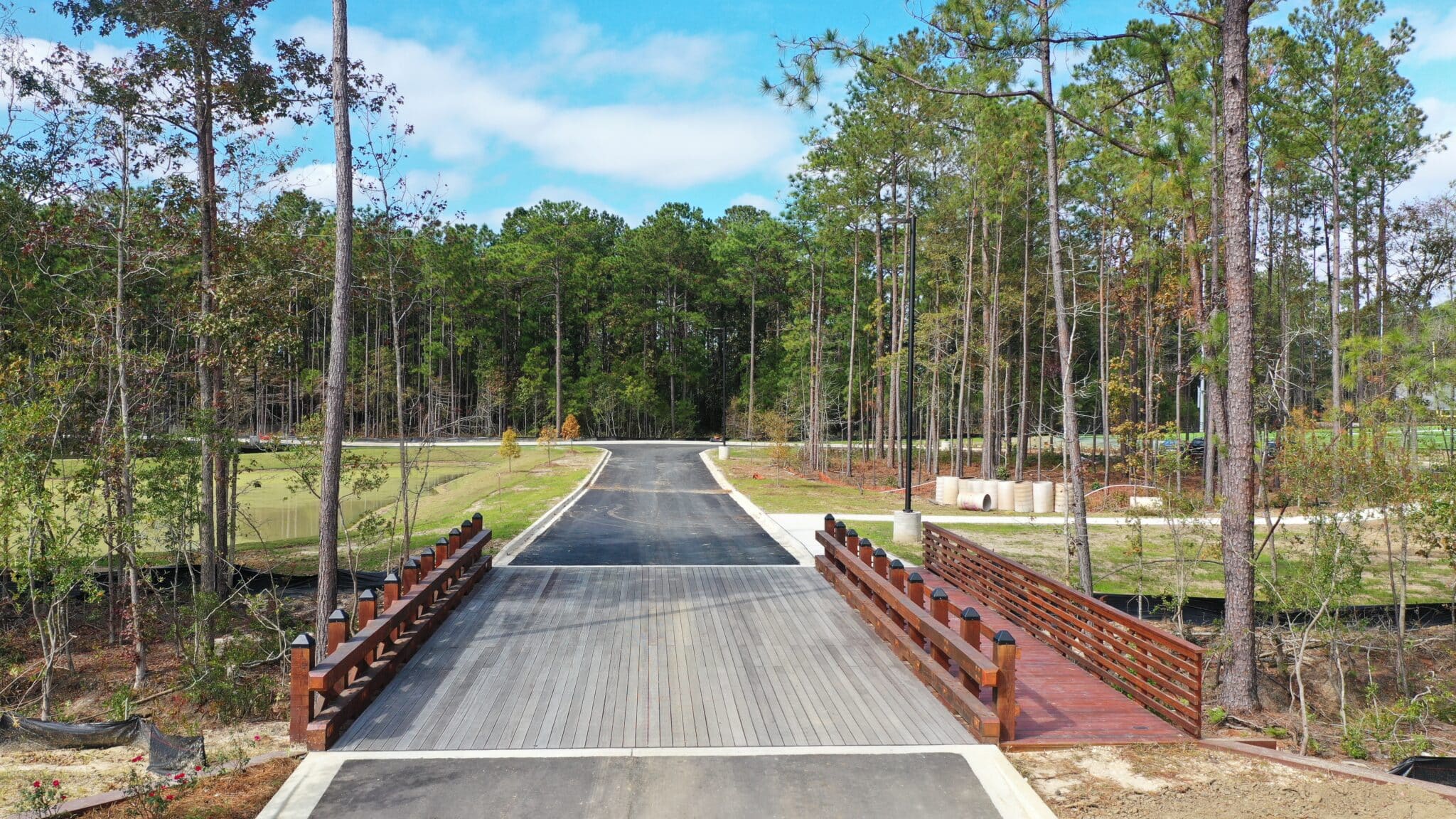
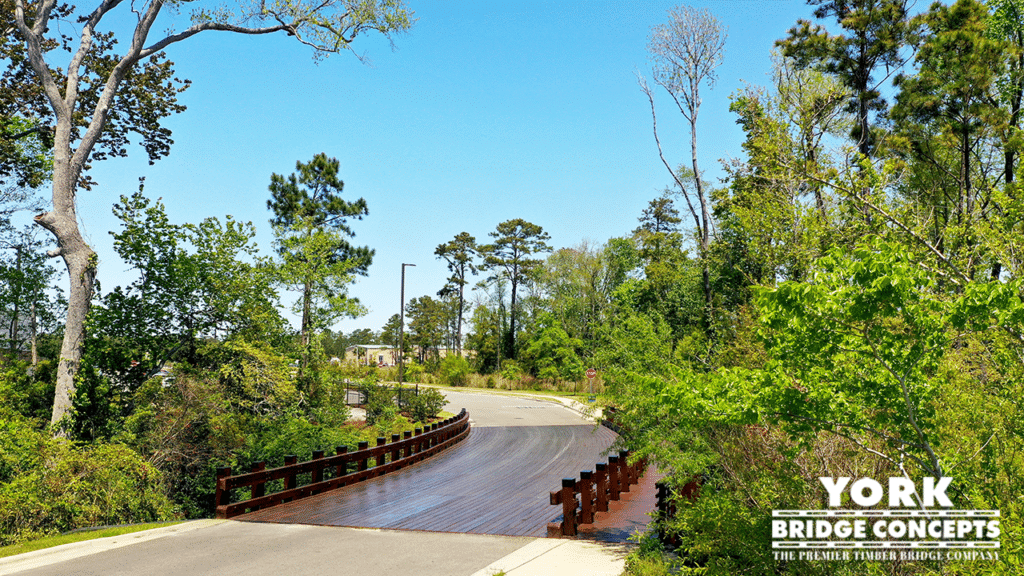
Welcome to the Lake Arrowhead community, where nature's beauty meets architectural excellence. Nestled at the base of the picturesque Blue Ridge Mountains, Lake Arrowhead offers an idyllic setting for lakefront living, combined with an array of outdoor activities and resort-style amenities. Central to this thriving community is our master-crafted timber vehicular bridge with an attached pedestrian section, designed to enhance both connectivity and aesthetics. This state-of-the-art bridge not only serves a practical purpose but also stands as a testament to exquisite craftsmanship and innovative engineering.
Specifications
- Vehicular Width:
- 24’ (22’5” clear)
- Pedestrian Width:
- 5’10”
- Length:
- 65'
- Height:
- 17' above grade
- Capacity:
- HS 20-44 / 85 PSF
- Construction:
- Ground Up
- Span Type:
- Free Span
- Material:
- CCA/CA-C Treated Southern Yellow Pine
- Foundation:
- Timber Piles & Abutments (Acrylic/Polymer Coated where exposed)
- Stringers:
- SYP Glulam Stringers (Translucent Coated where exposed)
- Vehicular Deck System:
- 6” Double Timber Deck
- Pedestrian Deck System:
- 1-½” Timber Deck
- Guard Rail:
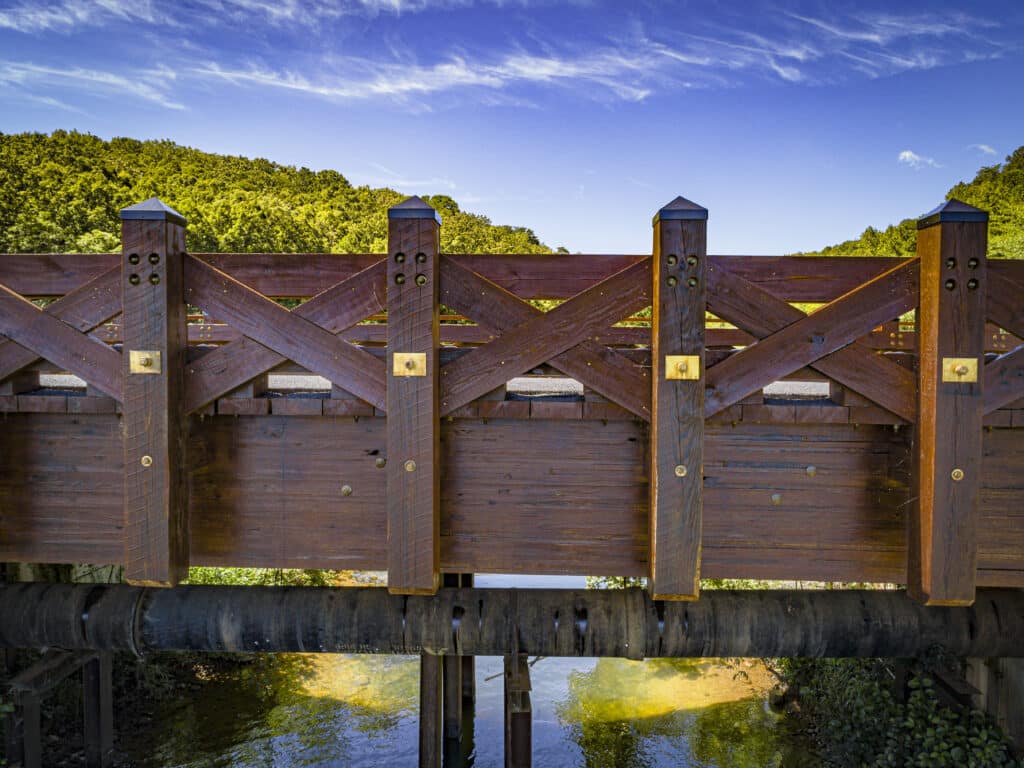
- Decero™ Classic X-Style Series
- Handrail:
- Decero™ Wire Rope Design Series
- Crossing:
- Flood Plain
enhancing the lakeside Lifestyle for the arrowhead community
Located just 40 minutes north of Atlanta, Lake Arrowhead is a gated and guarded mountain, lake, and golf community. It is uniquely situated around a pristine 540-acre spring-fed lake in the foothills of the Blue Ridge Mountains. Spanning over 8,000 acres of lush woodland, Lake Arrowhead offers an array of amenities and activities that promote an active, lakefront lifestyle.
At the center of this community is a York Bridge Concepts' Legacy crafted timber bridge. Residents enjoy miles of trails for hiking, biking, and leisurely walks, as well as access to well-maintained parks, recreational areas, and a vibrant social scene. This community is designed for those who cherish the great outdoors and a resort-like living experience.
Lake Arrowhead Construction & Engineering
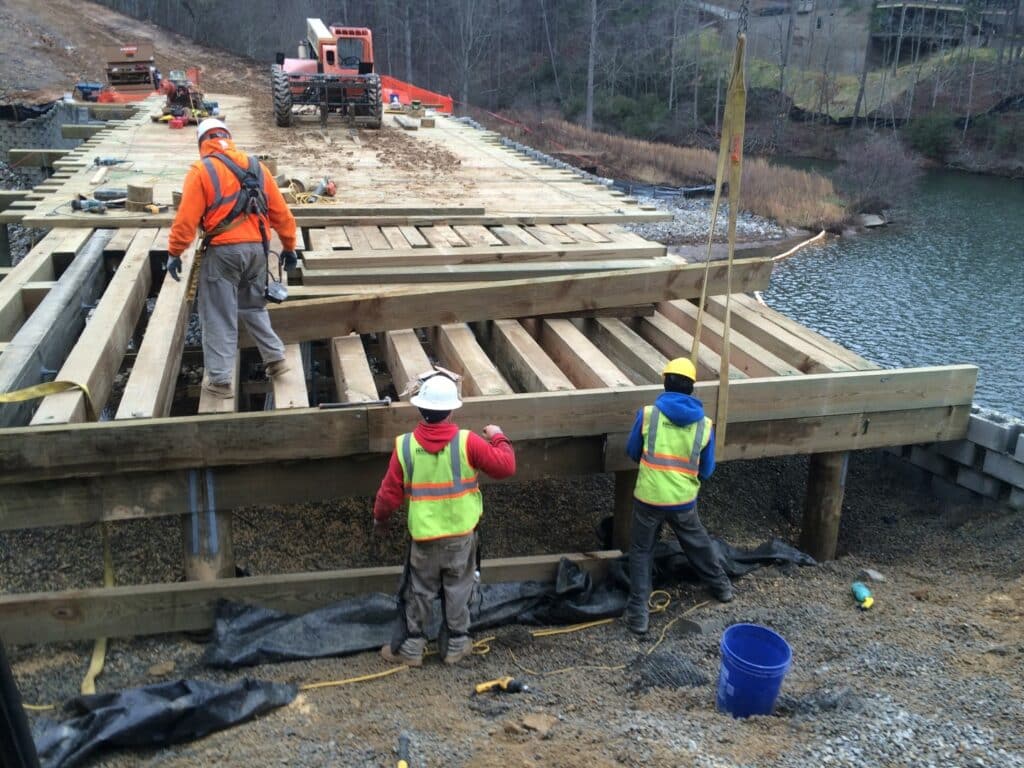
The construction of the timber vehicular bridge was a feat of precision and expertise. The York Bridge Concepts (YBC) field team demonstrated exceptional skill in setting the piling foundations amidst the remnants of the former bridge structure and existing pipelines. This complex task required meticulous planning and execution to ensure a flawless build. Every aspect of the construction process was handled with the utmost care, reflecting YBC's commitment to quality and safety. The successful completion of this bridge marks the third collaboration between York Bridge Concepts and the developers at Lake Arrowhead, underscoring a strong partnership built on trust and excellence.
Aesthetic and Material Details
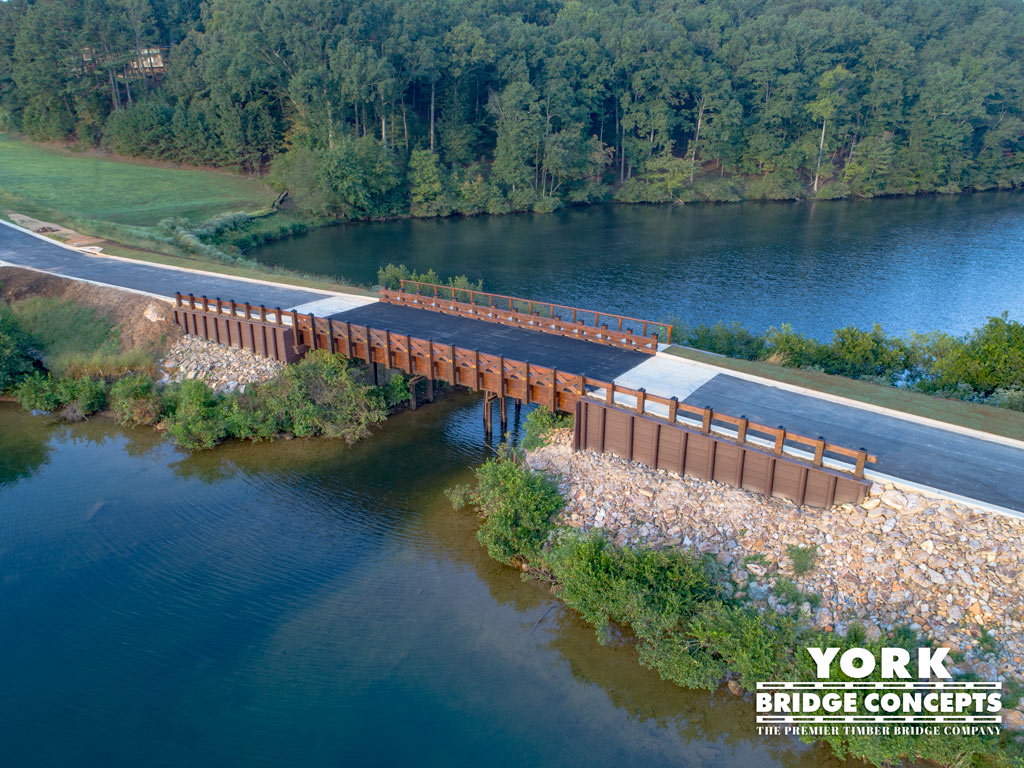
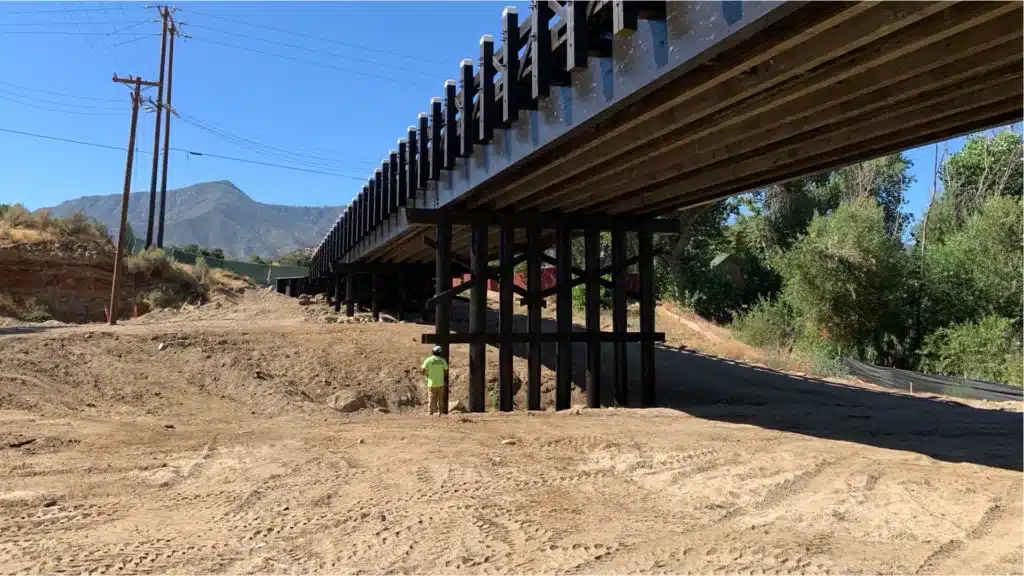
One of the standout features of the timber vehicular bridge is its stunning aesthetic. The bridge is imbued with a rich blend of translucent Cedar and Dark Oak hues, creating a harmonious color palette that complements the surrounding environment. The brown foundations that support the bridge wrap around the approaches, further enhancing its visual appeal. This thoughtful use of materials not only ensures durability but also integrates the bridge seamlessly into the natural landscape. The result is a structure that is both functional and beautiful, offering a unique blend of rustic charm and modern elegance.
Developer Partnerships and Community Growth
The construction of the vehicular bridge represents the latest milestone in the ongoing development of the Lake Arrowhead community. This is the third bridge built by York Bridge Concepts in partnership with developers in the area, highlighting a continued commitment to enhancing infrastructure and connectivity. Each project has contributed to the community's growth, providing essential links that facilitate movement and access. The bridges not only serve practical purposes but also add to the aesthetic value of the community, making Lake Arrowhead an even more desirable place to live.
End Goal: Creating Harmony for the lake arrowhead community
The timber vehicular bridge with an attached pedestrian section is more than just a crossing; it is a symbol of the Lake Arrowhead community's dedication to blending functionality with beauty. As the area continues to grow and evolve, this bridge stands as a testament to the power of innovative design and expert craftsmanship. Whether you are a resident or a visitor, the bridge is sure to leave a lasting impression, reflecting the spirit of Lake Arrowhead—where nature, community, and excellence come together in perfect harmony.
Bridge In Context: connecting water, woods & neighborhood Life
Set within a mountain-lake ecosystem that prizes quiet, views, and ecological balance, the Lake Arrowhead vehicular bridge with an attached pedestrian section plays a civic role far beyond simple conveyance. It choreographs how residents arrive, explore, and return home. Morning dog walkers use the pedestrian way to loop the shoreline before breakfast; mid-day, service vehicles cross efficiently without disturbing pontoon launches or community events; at dusk, families pause at the railing to watch alpenglow collect along the Blue Ridge ridgelines. A bridge in this setting must be equal parts engineering discipline and lived experience.
York Bridge Concepts (YBC) approaches such crossings as place-making tools. Span, alignment, rail geometry, and finish palette are selected not only to meet rigorous codes but also to complement the lake's textured greens and earth tones. The result is infrastructure that looks inevitable--like it has always belonged--yet quietly upgrades safety, mobility, and the daily rhythm of the neighborhood.
The Decero™ Design-Engineer-Build Philosophy
Behind the calm, composed aesthetic is a process that reduces risk and lifts quality from concept through completion. YBC's Decero™ (from scratch) methodology integrates:
- Discovery & Fit: Site walks, soil context, utilities mapping, and access constraints inform the envelope for pier locations, approach grades, and construction logistics.
- Concept to Criteria: Early sketches translate into criteria aligned to AASHTO-based guidelines for community roads and pedestrian live loads, with attention to curb separations and guardrail performance where pedestrian and vehicular movements run in parallel.
- Detailing for Longevity: Timber species selection, preservative systems, fastener alloys, coatings, and drainage paths are specified together to create a cohesive durability strategy.
- Constructability by Design: Field-proven details--bearing seats, scarf joints, deck screw patterns, railing connections--are tuned to install cleanly and perform reliably in a lakefront weather regime.
- Quality Close-Out & Handoff: Commissioning, inspection, and O&M guidance (see BridgeCare® below) align the owner's maintenance plan with the bridge's design intent.
Site Constraints & Foundation Strategy
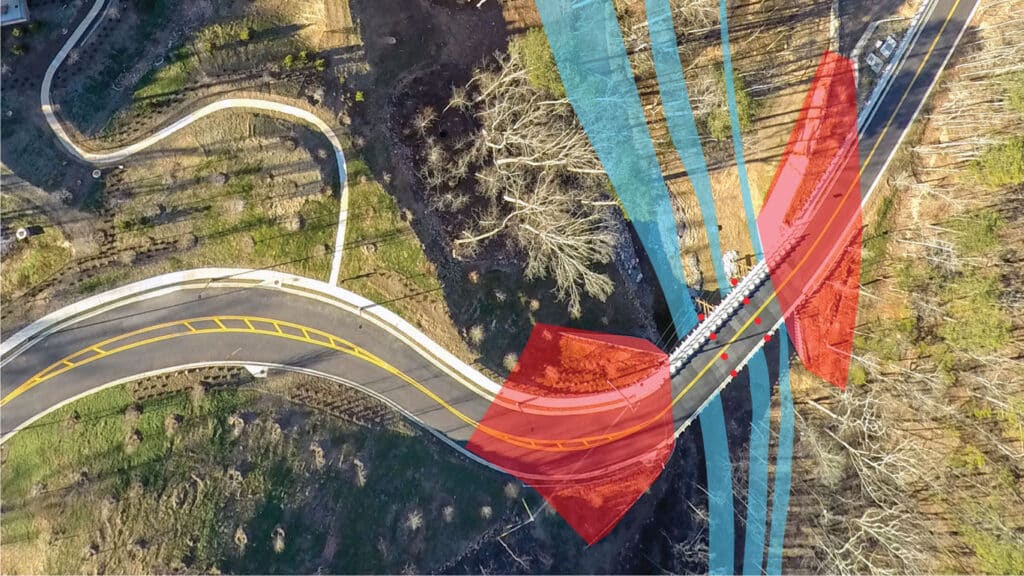
Lake communities are dynamic--shorelines rise and fall with seasonal precipitation, wind fetch can drive wave action, and underlying soils transition from competent glacial or alluvial materials to softer organics near the banks. The Lake Arrowhead setting added another layer: legacy infrastructure. The field team had to establish piling foundations amid remnants of the former bridge and along active pipelines. That called for:
- Selective Demo & Sondage: Probing to confirm extents of buried remnants, then surgical removal to avoid undermining stable soils and to maintain pipeline protection envelopes.
- Offset Pier Layouts: Adjusting pile groups and caps to miss known utilities while preserving the structural rhythm needed for an elegant superstructure.
- Scour-Conscious Detailing: Toe elevations, riprap where appropriate, and flow-friendly pier geometry to lower turbulence and extend foundation life.
This is the third successful collaboration between YBC and Lake Arrowhead's development team, and it shows: early coordination compressed unknowns, sequencing protected critical utilities, and the end result reads as simple despite the complexity underneath.
Superstructure, Deck, and Finish Palette
A bridge that must perform for vehicles while welcoming pedestrians demands a legible, layered structure:
- Primary Members: Engineered timber superstructure sized for community vehicular demand with appropriate dynamic allowances.
- Decking Strategy: A wear deck selected for traction, acoustical quiet, and clean drainage--essential in freeze-thaw seasons and during lake breezes that drive mist or dew.
- Attached Pedestrian Section: Slightly offset elevation with a protective curb and guard rail to visually and physically separate walkers from vehicles while maintaining views to the cove.
- Rail & Infill: Open-view guardrail profiles and infill patterns that feel secure without reading heavy--important for a lake that celebrates long sightlines and reflected light.
- Coatings & Color: The translucent Cedar and Dark Oak tones align with bark, duff, and shoreline timber, while brown foundations sweep into the approaches to ground the composition. Color choices are not merely decorative; they reduce visual mass, hide splash staining, and harmonize with seasonal change from spring leaf-out to winter dormancy.
The Pedestrian Experience: Comfort, Calm, and Clarity
On foot, the bridge feels intuitive. Slopes are gentle, deck boards are quiet under stride, and railing tops are sized to rest a palm or coffee cup as one lingers to watch fish beneath the surface. Wayfinding unfolds implicitly: the pedestrian way announces itself with a slightly different deck rhythm and, where desired, subtle bollard-scale lighting that preserves dark-sky values. Clear sight lines around curve points minimize conflict and help families with strollers or scooters feel at ease.
Construction Methodology: Deck-Level (Top-Down) Mindset
Lakefront ecosystems reward light footprints. YBC's deck-level (often called top-down) construction mindset limits heavy equipment in sensitive zones by:
- Sequencing piles and caps from stabilized margins toward mid-span.
- Using the growing bridge itself as a work platform for superstructure installation.
- Preferring controlled lifts over barge flotillas wherever practical to reduce wake risk and shoreline disturbance.
This approach is especially valuable where existing pipelines and legacy footings make conventional staging impractical. It shortens in-water duration, reduces turbidity potential, and keeps the project's environmental promise intact.
Environmental Stewardship & Lake Health
A spring-fed, 540-acre lake is a living system. During planning and buildout, the team prioritized:
- Runoff Discipline: Crowned deck and discreet scuppers shed water cleanly, away from pedestrian zones, with splash zones designed so that runoff does not concentrate fines at singular points.
- Materials & Preservatives: Modern timber preservatives are encapsulated by coatings to keep protection where it belongs--inside the fivers--and away from the water column.
- Vegetation Protection: Access routes avoid root zones of mature lakeside trees; temporary mats and phased restoration preserve ground structure and habitat.
- Wildlife Passage: Rail infill and under-bridge clearances respect bird flight paths and shoreline animal corridors, keeping daily patterns for heron, otter, and deer unimpeded.
Stewardship here means the lake looks unchanged to the casual eye--just safer, better connected, and calmer around the crossing.
Resilience: Weather, water, and Time
Mountain-adjacent weather demands a resilient posture:
- Storm Readiness: Bearing seats, hardware selections, and drainage paths are detailed to handle driving rain, gusting winds, and rapid temperature swings.
- UV & Moisture Management: The coating system balances UV resistance with breathable performance to let the timber manage seasonal moisture cycling without surface checking that compromises aesthetics.
- Serviceability Over Decades: Replaceable wear components--deck boards, fasteners, selected rail parts--mean the bridge can be renewed in place with minimal downtime, preserving the long-term asset value for the HOA and developer.
Operations, Maintenance & BridgeCare®
Operations & Maintenance (O&M) start day one. YBC's BridgeCare® guidance gives the owner a simple, recurring playbook:
- Quarterly Visuals: Walkthroughs to confirm rail tightness, deck fastener flushness, and clear scuppers.
- Seasonal Wash-Down: Low-pressure rinses after pollen peaks or leaf-drop to prevent organic acids from lingering on surfaces.
- Annual Coating Check: Touch-ups at wear points tops, curb edges--keep the finish envelope intact.
- Multi-Year Intervals: Plan for periodic re-coat cycles and minor hardware refresh to stay ahead of the elements.
Quick Glossary: O&M stands for Operations & Maintenance--the routine actions that keep a structure performing safely and looking its best.
Protecting the Wear Deck During Late-Stage Construction
When the bridge reaches substantial completion but still needs to support construction access for upstream amenities, the field team protects the finished wear deck with plywood overlay paths and controlled wheel loads. This keeps fasteners undisturbed, prevents point gouges, and delivers a pristine deck to residents on opening day.
Safety by Design
Safety is embedded in geometry and detail:
- Clear Separations: A protectively sized curb and guard between lanes and the pedestrian way create intuitive cues and physical defense.
- Surface Grip: Decking selected for slip resistance in both wet and dry conditions.
- Edge Discipline: Terminations at abutments are closed off neatly to avoid toe catches, and expansion gaps are sized to perform through temperature swings.
- Sight Triangles: Approach alignment and rail profiles respect driver and pedestrian sight lines at merge points.
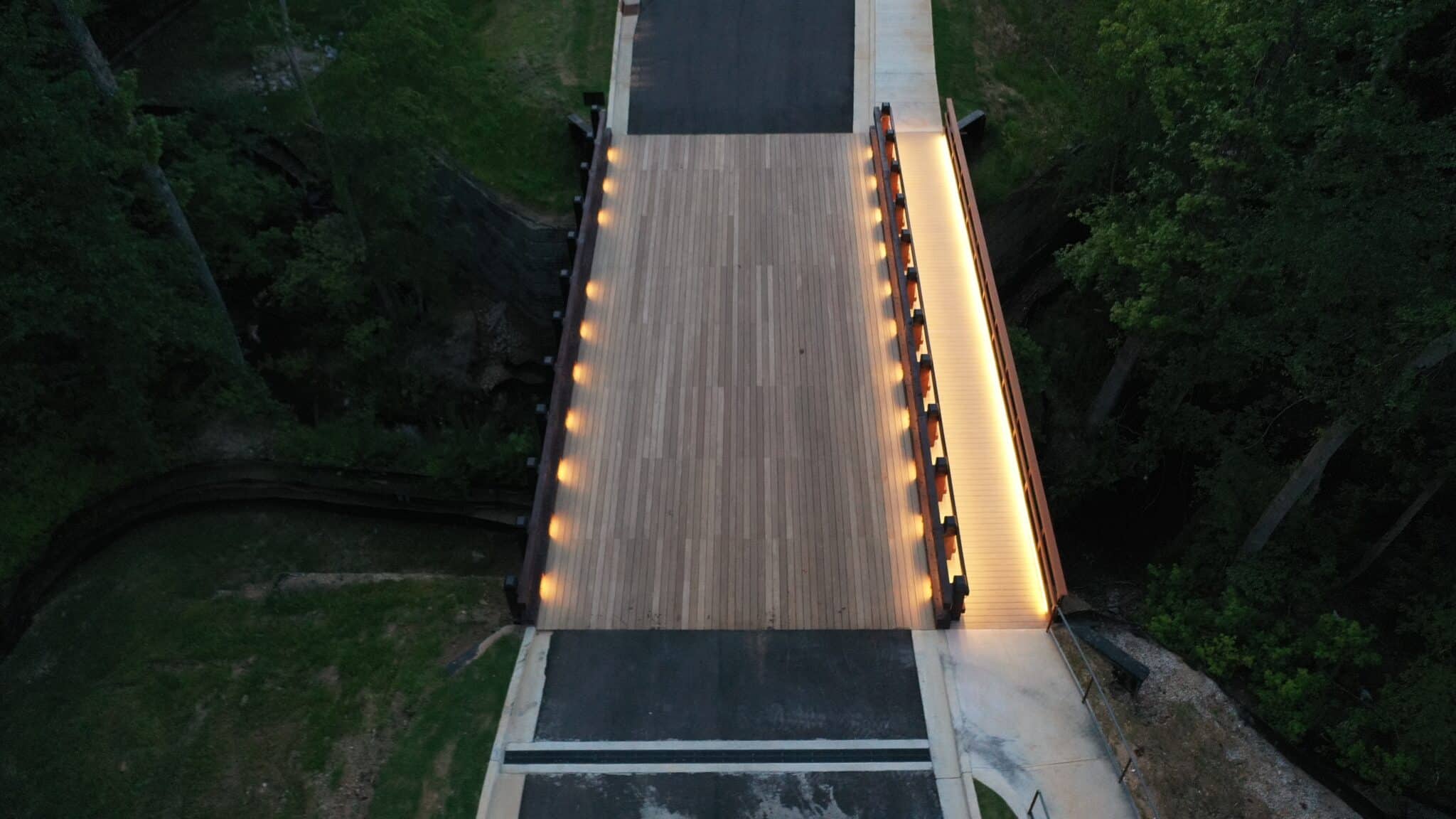
- Lighting Strategy: Where lighting is included, it favors low-glare, downward-focused fixtures to preserve dark skies while clarifying edges and transitions.
Mobility & Community Impact
The bridge shortens routes to amenities, flattens the learning curve for guests, and relieves pinch points during peak weekends. That has tangible effects:
- Fewer Conflict Points: Predictable crossings reduce ad-hoc foot traffic across vehicular lanes elsewhere.
- Better Event Flow: Seasonal festivals, regattas, and HOA gatherings can plan safe ingress/egress with strollers and coolers in tow.
- Everyday Convenience: Residents moving between neighborhoods, trailheads, and the clubhouse do so with fewer detours and pauses.
Over time, this clarity shows up as calmer driving behaviors, happier walkers, and neighborhoods that feel seamlessly tied together.
Approvals & Coordination
Lakefront work requires tight coordination with authorities and utility owners. Typical steps include:
- Utility Locates & Owner Clearances where pipelines run beneath approaches.
- Environmental Reviews aligning construction windows with lake health priorities.
- Roadway & Pedestrian Criteria confirming widths, loadings, and curb details per local jurisdiction standards.
- Inspections at milestones--foundations, superstructure, rail completion--so the record set aligns with what's built.
The repeat partnership between YBC and Lake Arrowhead's developer streamlined these checkpoints and reduced cycle time.
Construction Snapshot: From Mobilization to Ribbon-Cutting
- Mobilization & Controls: Staging set, silt protection, lake-edge protections, and access mats placed.
- Legacy Coordination: Expose, map, and treat remnants of the former crossing; confirm pipeline envelopes.
- Foundations: Install deck boards, set curbs that define the pedestrian edge, and lay out clean drainage paths.
- Superstructure: Place primary members, bracing, and diaphragms; align camber and bearing seats.
- Deck & Curb: Install deck boards, set curbs that define the pedestrian edge, and lay out clean drainage paths.
- Rails & Infill: Erect guard components and tension infills to spec.
- Coatings & Palette: Apply finish tones--translucent Cedar and Dark Oak--complete with brown foundation wrap at approaches.
- Ply-Down Protection: Place plywood tracks for any last construction access beyond substantial completion.
- Punch & Commissioning: Verify fasteners, coatings, scuppers, rail continuity, and signage.
- Handoff & BridgeCare® Orientation: Provide the owner with inspection schedules, coating touch-up guidance, and spare fasteners.
- Opening: A low-key ribbon cutting and an inaugural community walk reinforce the bridge as a shared asset.
Future-Ready Enhancements
Should the HOA or developer wish to add features later, the bridge is well-positioned for:
- Smart Counters: Passive pedestrian counters to understand trail usage and plan events.
- Interpretive Elements: Small plaques about the lake's spring-fed history, local flora/fauna, and the craft of timber bridge building.
- Trail Connectivity: Spur paths that extend the pedestrian network along quiet coves.
- Seasonal Lighting: Temporary, removable accents for holiday events that respect dark-sky values and avoid permanent glare.
Sustainability in Practice
Rather than leaning on slogans, this project demonstrates sustainability through craft:
- Material Efficiency: Engineered timber leverages high strength-to-weight ratio, lowering foundation demands and construction traffic at the shoreline.
- Low Embodied Energy Components: Timber, when responsibly sourced and preserved, stores carbon and installs with lighter equipment than many alternatives.
- Repairability: Replaceable wear layers and accessible fasteners enable in-place renewal rather than wholesale replacement.
- Operational Calm: Reduced detours and clearer circulation mean fewer idling vehicles around the lake core.
Resident-Centered details That Matter
- Quiet Underfoot: Timber dampens footfall and vehicle noise, keeping the lake soundscape intact.
- Hand-Pleasant Rails: Smooth tops that are comfortable to lean on, even in brisk shoulder seasons.
- No-Drama Drainage: Rain events appear and disappear without puddling at mid-span.
- Camera-Friendly Corners: Small bump-outs or widened points on the pedestrian way invite quick photos without blocking through movement.
FAQs: Lake Arrowhead Bridge
What makes a vehicular bridge with an attached pedestrian section suitable for a lake community?
It keeps walking routes safe, predictable, and scenic while consolidating vehicle crossings to a single, well-protected corridor, minimizing environmental footprint and operational congestion.
Is the pedestrian way comfortable for all ages?
Yes. The geometry favors gentle grades, quiet decking, and protective separation from vehicles, supporting strollers, scooters, and leisure walking alike.
How is the bridge protected from lake-environment wear?
A coordinated system of treatments--preservatives within the timber, high-performance coatings, and hardware specifications--works with good drainage and a maintenance plan to resist UV, moisture, and temperature swings.
What is O&M, and what does BridgeCare® include?
O&M stands for Operations & Maintenance. BridgeCare® outlines simple inspection intervals, seasonal wash-downs, coating touch-ups, and long-term renewal steps so the bridge stays safe and beautiful.
How did construction respect the lake utilities?
Top-down sequencing reduced in-water activity, and pile/abutment layouts were adjusted to miss existing pipelines and remnants of the old crossing, all under a tight environmental control plan.
Will the finishes fade or peel?
All coatings weather over time, but the palette and system were chosen for UV resistance and maintainability. Routine care keeps tones rich and surfaces protected.
Can the bridge accommodate community events?
The primary crossing serves daily needs; the pedestrian section provides a calm edge for photos, meet-ups, and festival strolls without impeding vehicles.
How are pedestrians protected from traffic?
A raised curb and guard create physical separation, while alignment and sight lines keep movements predictable. Where lighting is included, it's low-glare and pedestrian-scaled.
How This Bridge Elevates Property & Place
Well-designed bridges in resort-style communities do more than move people; they reinforce brand. For Lake Arrowhead, the bridge's clean lines, warm palette, and environmental discipline signal quality at every arrival--quietly increasing perceived value and strengthening the neighborhood's promise of lakefront living with mountain calm. It's signature that residents notice, guests remember, and the development team can point to with pride as the community continues to grow.
Closing Thought
Timber, finished with intention and engineered with care, remains the most human of bridge materials. At Lake Arrowhead--where translucent Cedar and Dark Oak hues mirror the shoreline, and brown foundations root the structure into the earth--the bridge proves a simple truth: when infrastructure respects its setting, it becomes part of the view people come here to enjoy.
All Feature Projects
What's Best: A Culvert Or A Timber Bridge?
What Is The Best Span Type For My Project?
Which Load Capacity I Need?
How Do I Cross An Environmentally Sensitive Area?
How Do I Create A Landmark?
How Long Does A Timber Bridge Last?
Culvert Or Bridge
If you're considering using a culvert for your crossing project. Click below to understand the best fit for your project.
Spanning Solutions
Spanning a crossing is one of the most important aspects of your crossing project. Find the best solution for your crossing needs.
Uses & Capacities
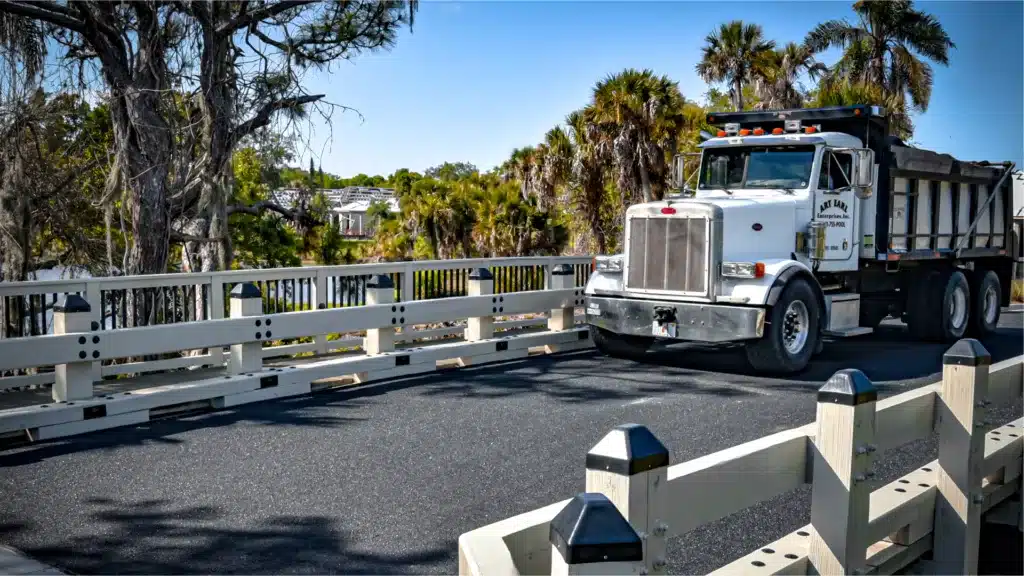
The load capacity of a timber bridge may surprise you. See specs for different loads and uses that will help your decision-making process.