Runnymede Farms Equestrian trail Bridges by York Bridge Concepts
A Legacy of Craftsmanship Meets Equestrian Heritage
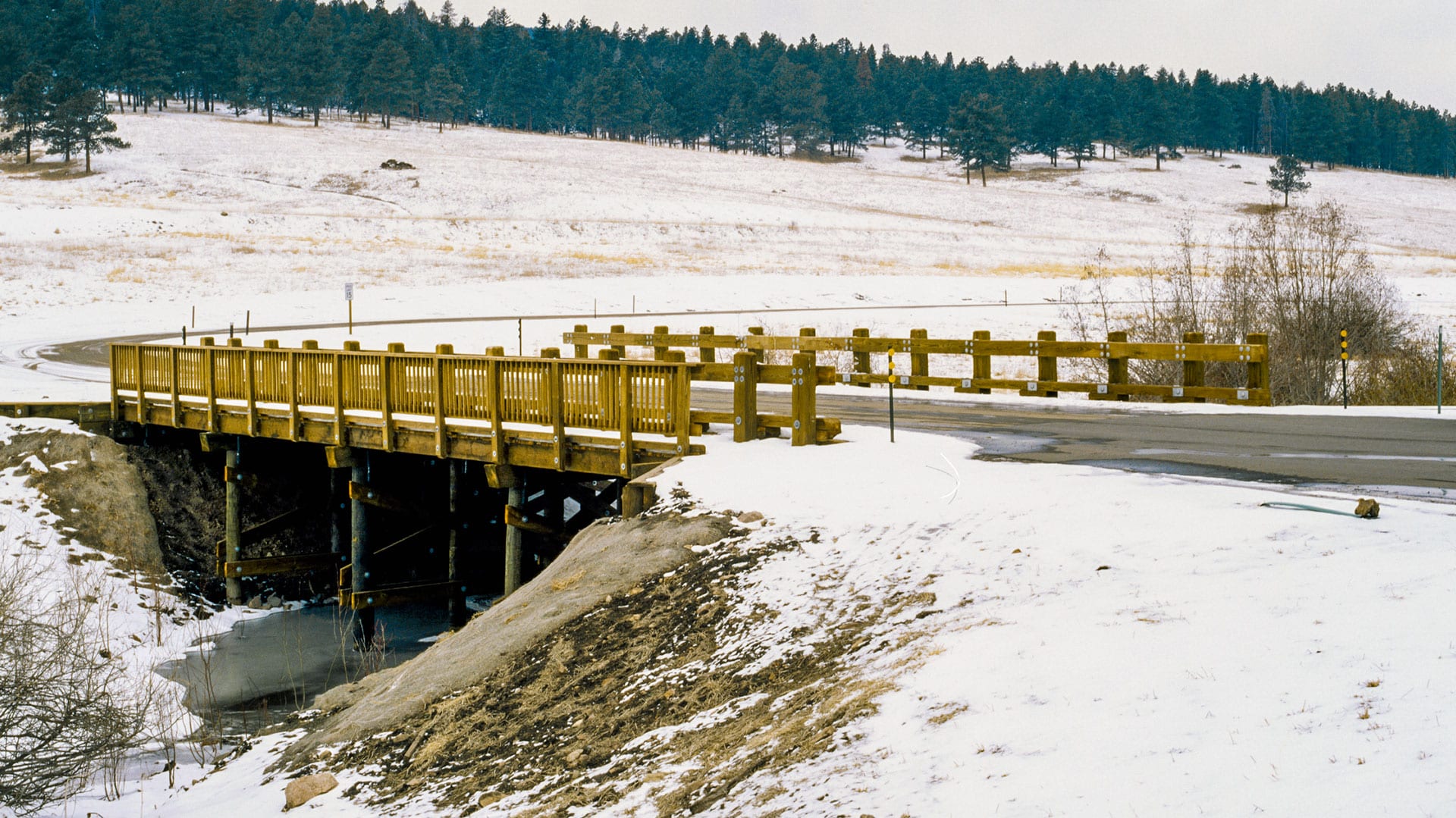
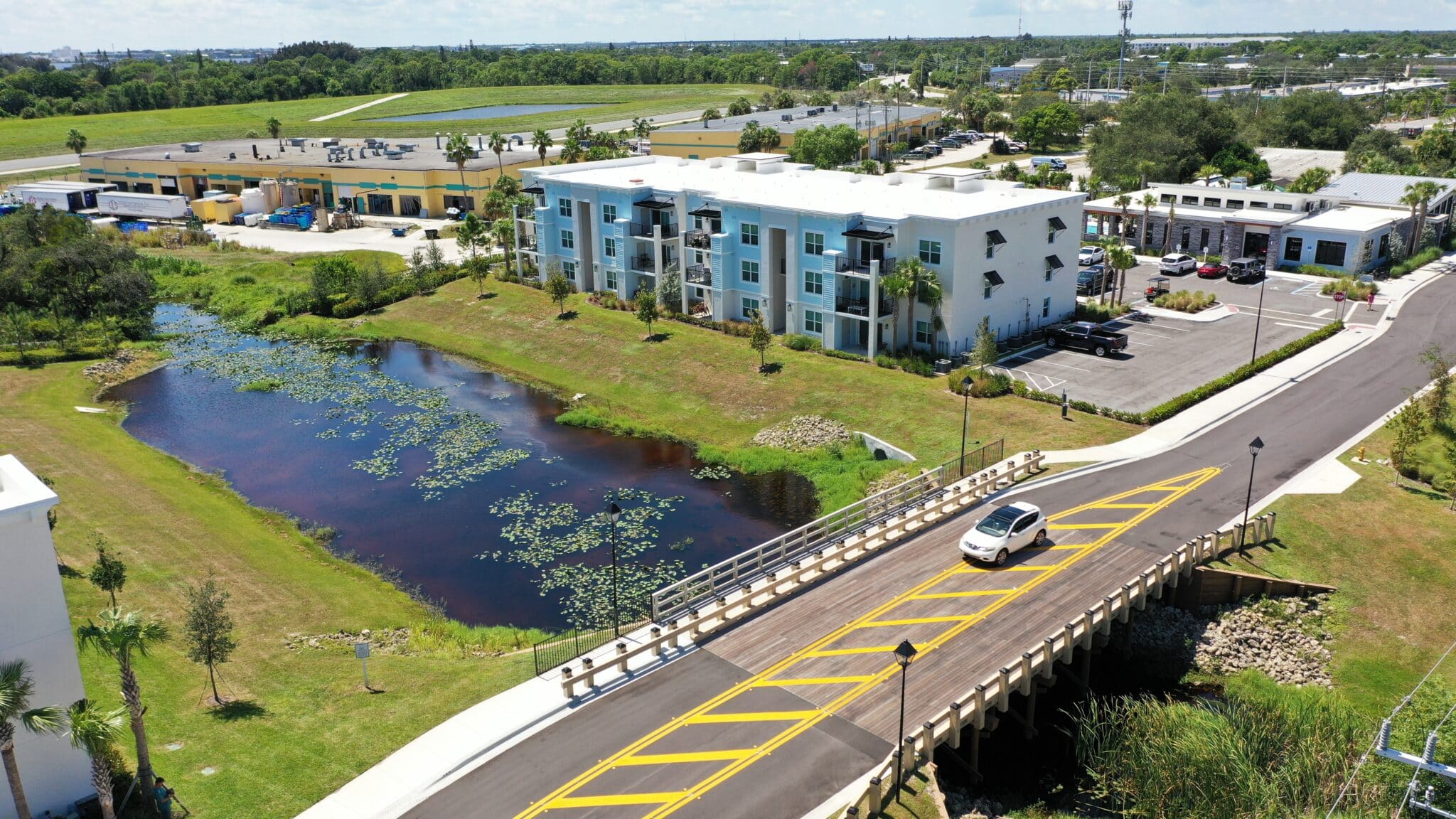
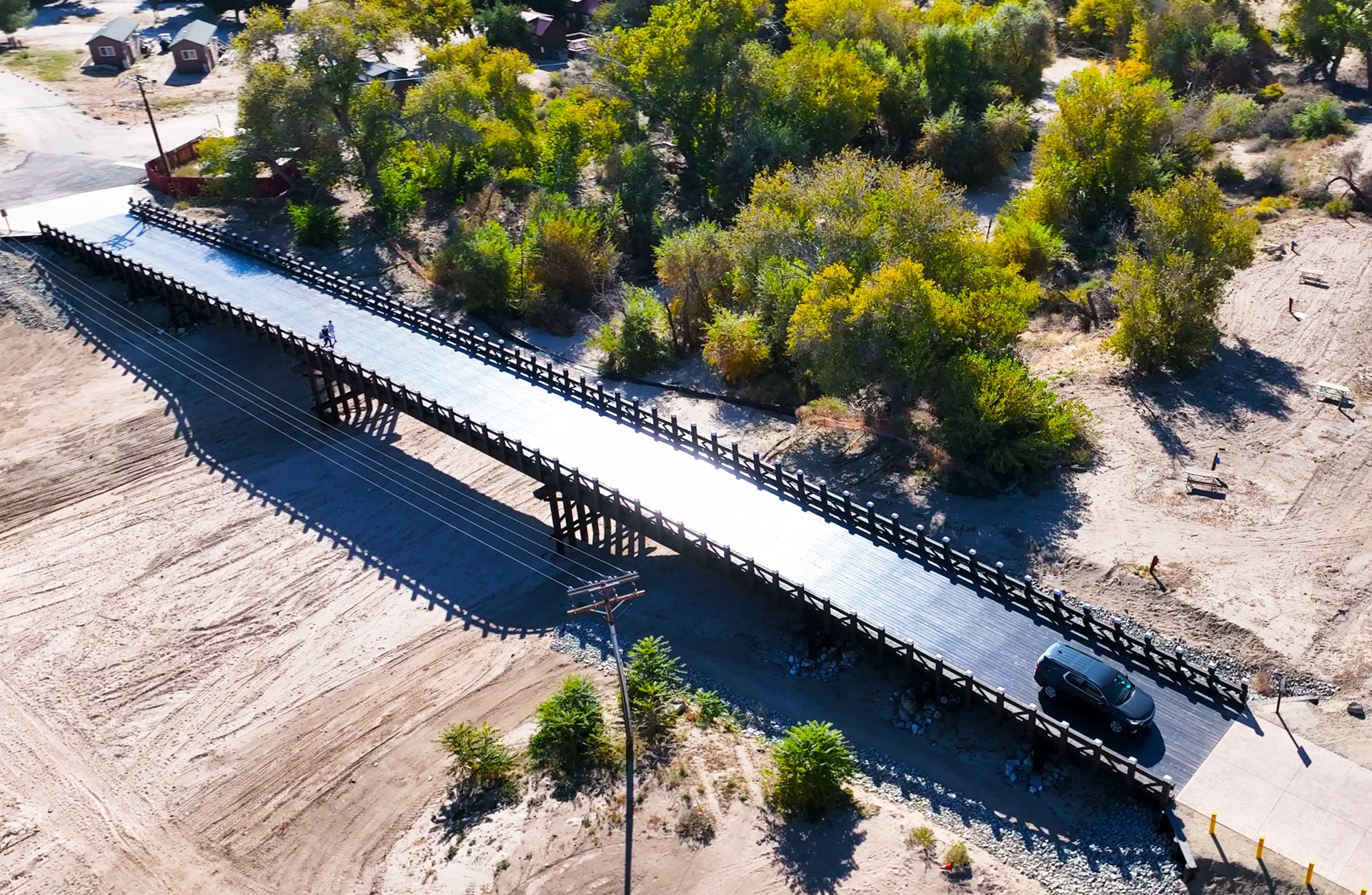
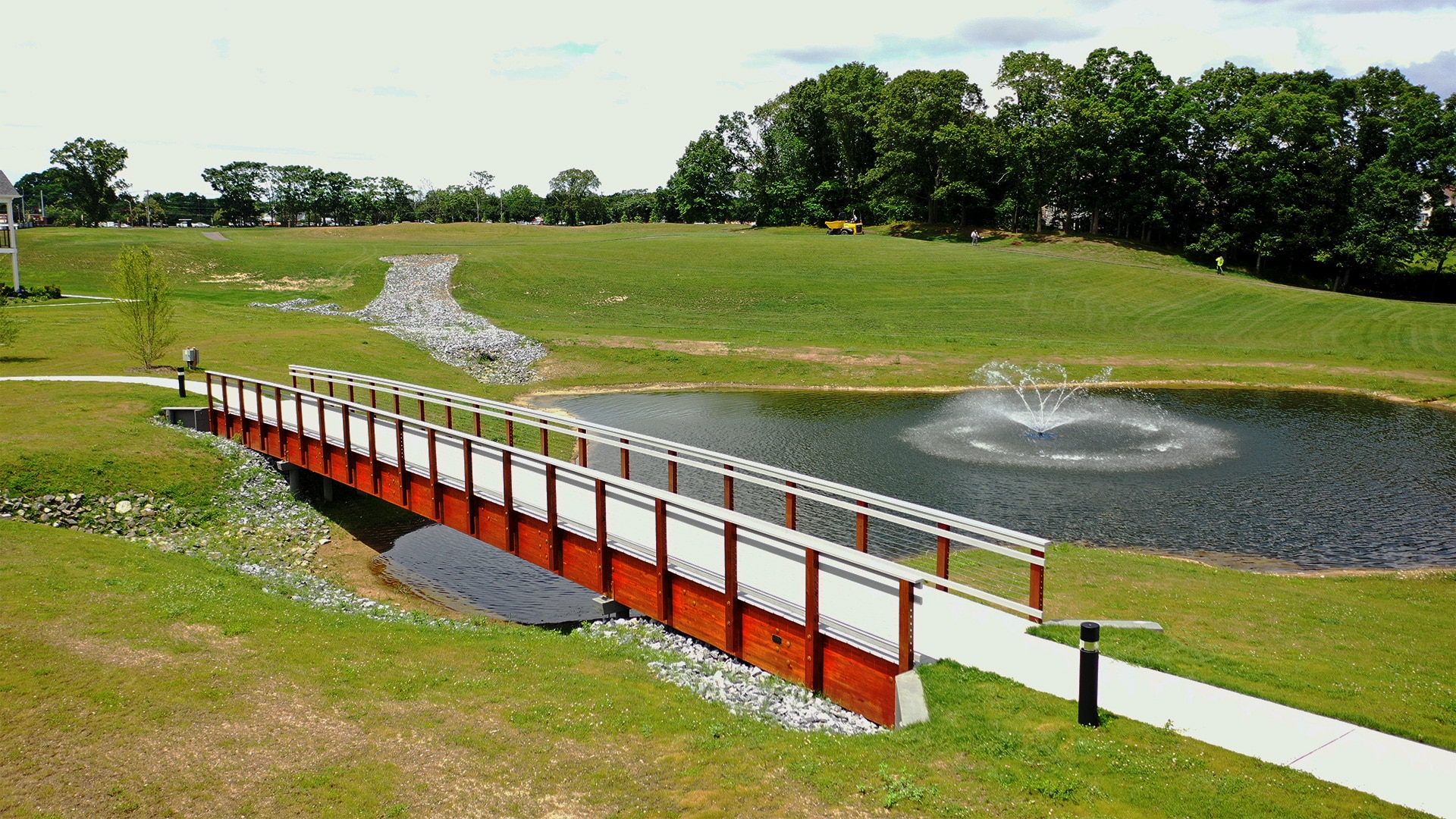
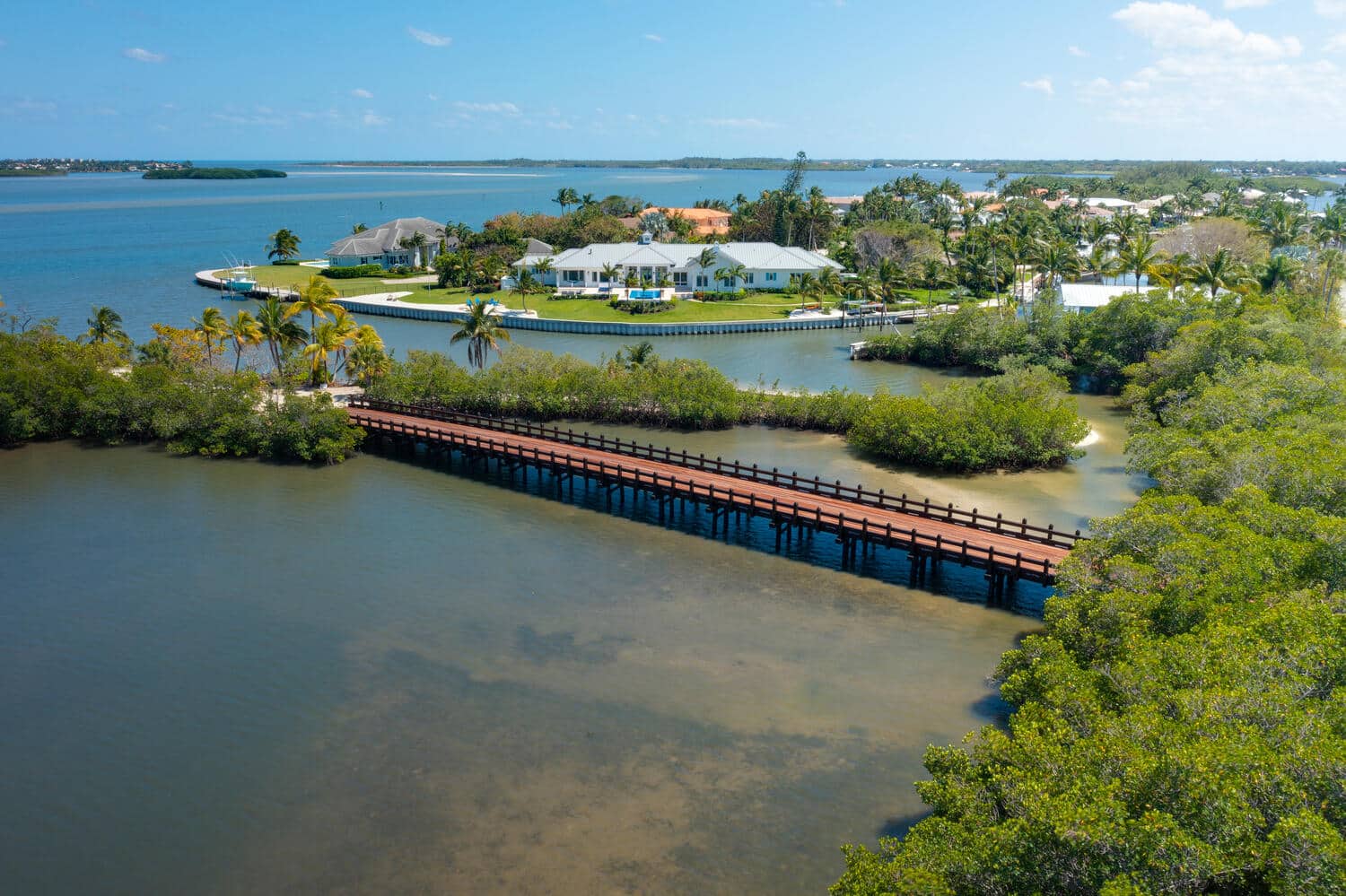
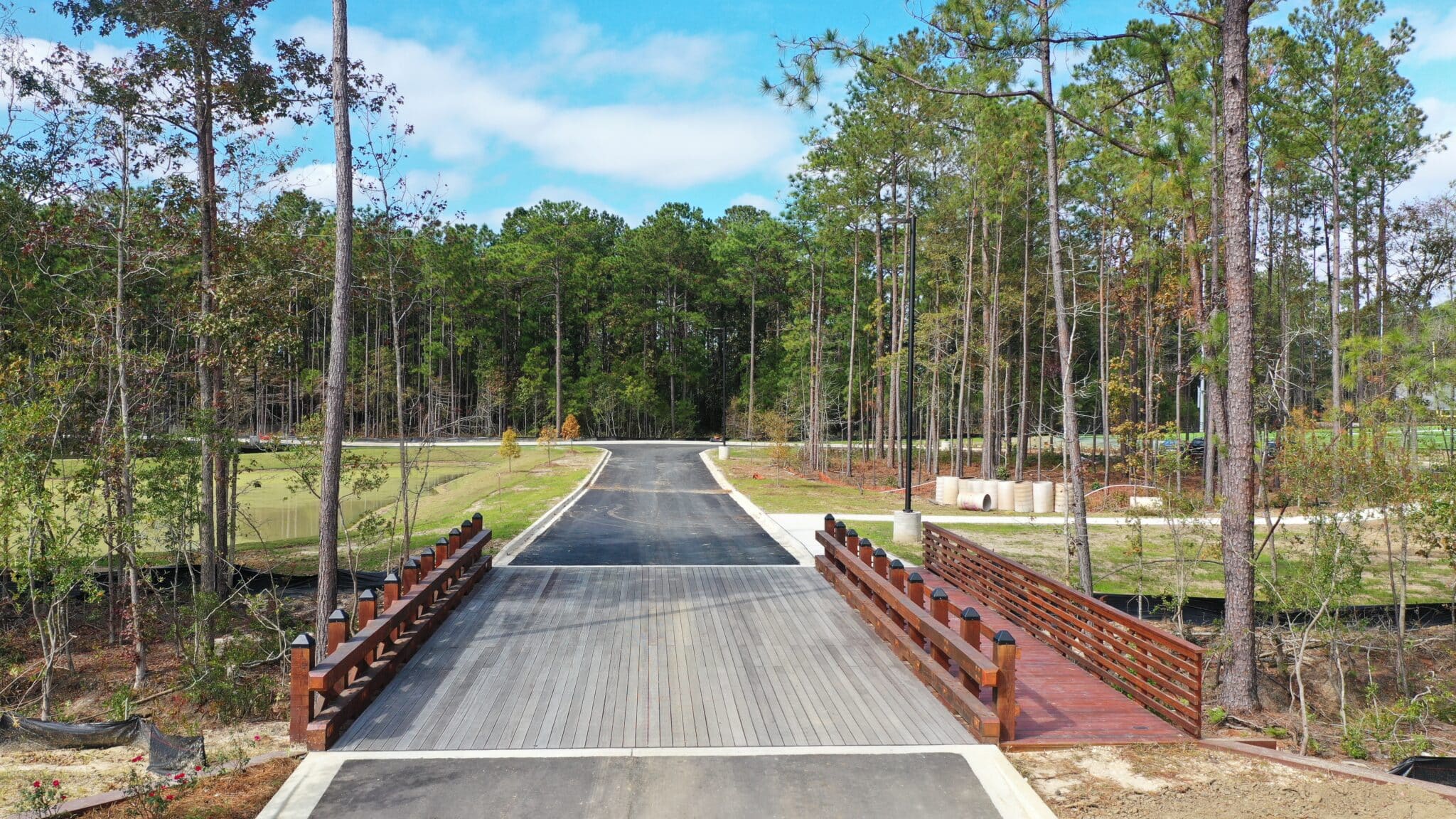
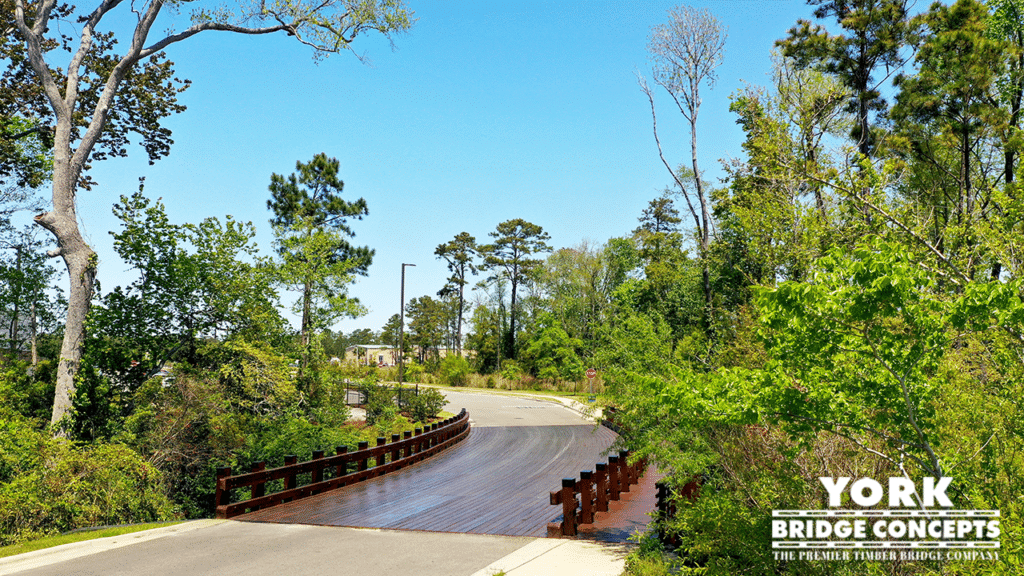
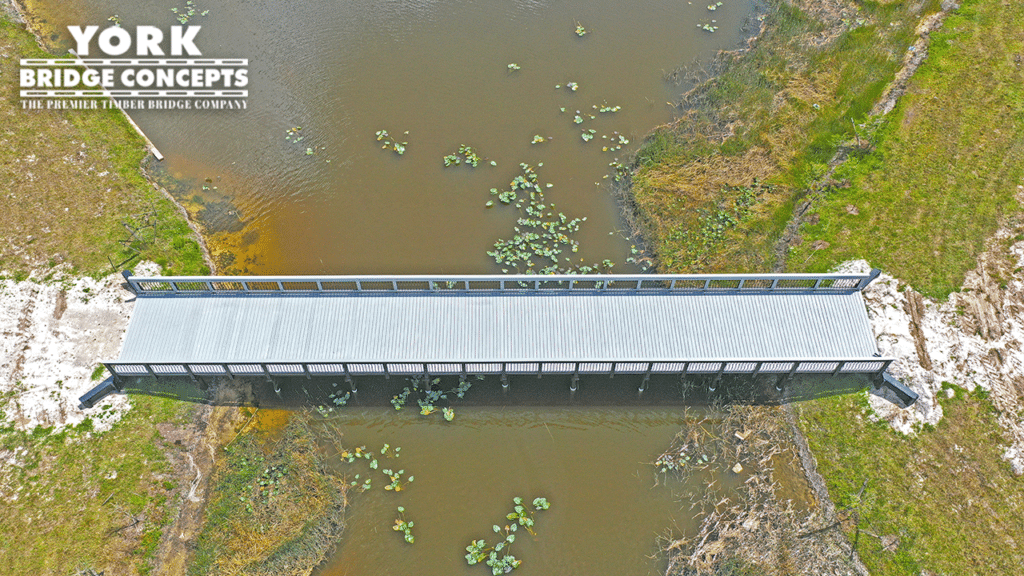
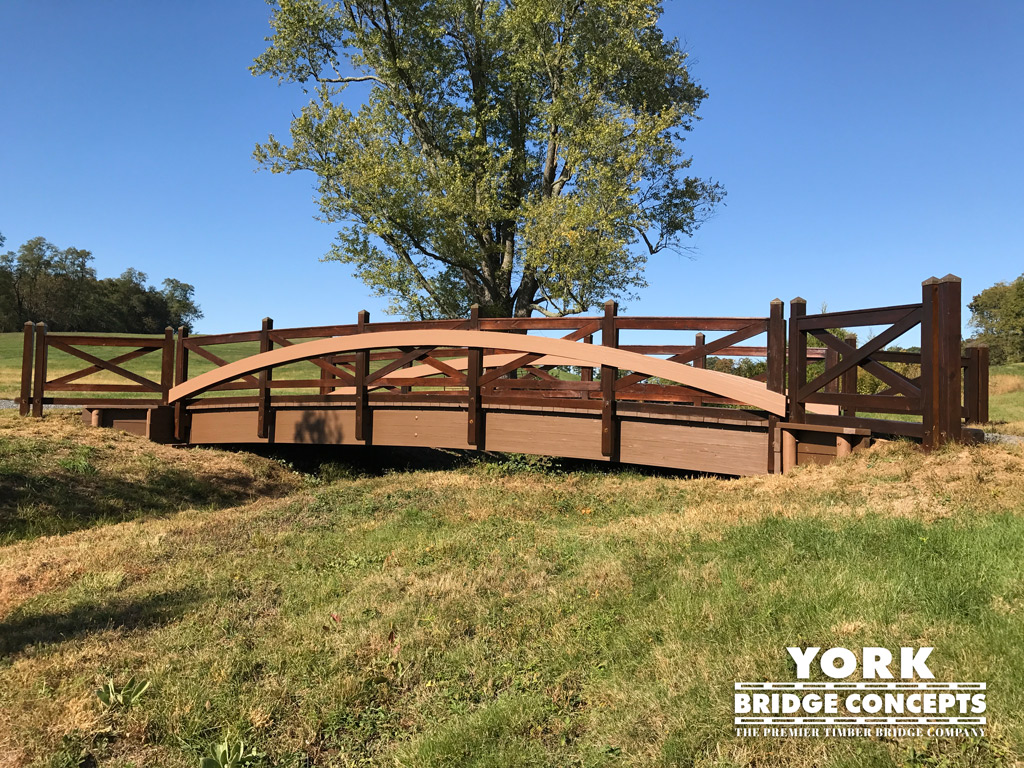
York Bridge Concepts has partnered with Runnymede Farms to build two Equestrian Trail Bridges, one spanning 40 feet and another spanning 25 feet -- both 14 feet wide. Located in the pastoral setting of Coatesville, Pennsylvania, Runnymede Farms represents a deep equestrian heritage where functionality, beauty, and performance meet. The farm's trails are designed for race and farm horses, farm equipment, and pedestrians, requiring infrastructure that is as strong and enduring as it is elegant. These York Timber Structures feature a natural and warm color palette that enhances the serene surroundings, blending seamlessly with the rolling Pennsylvania countryside. YBC is honored to have collaborated on such a timeless and purposeful project.
Specifications
- Width:
- 14’ (13’ Clear)
- Length:
- 40’ & 25’
- Height:
- 7' above grade
- Capacity:
- 100 PSF
- Construction:
- Ground Up
- Span Type:
- Free Span
- Material:
- CCA/CA-C Treated Southern Yellow Pine
- Foundation:
- Timber Piles & Abutments (Acrylic/Polymer Coated where exposed)
- Stringers:
- SYP Glulam Stringers (Acrylic/Polymer Coated where exposed)
- Deck System:
- 2-½” Timber Deck
- Handrail:
- Decero™ Glulam Arched Equestrian Design Series with (2) 10’ Extensions at Each Corner
- Crossing:
- Creek
Setting the Scene: The Spirit of Runnymede Farms
Runnymede Farms stands as one of Pennsylvania's premier equestrian estates, celebrated for its high-performance broses, meticulously maintained trails, and dedication to excellence in equestrian sport and care. The property's landscape weaves through gentle hills, open pastures, and forested corridors, forming an environment where human and horse coexist in perfect rhythm.
When Runnymede Farms sought to improve connectivity across its property, they needed trail bridges that not only supported daily equestrian activity but also upheld the elegance of the estate. The challenge was to design and build structures capable of bearing the load of horses, riders, and small farm vehicles, while retaining the natural beauty that defines the farm's identity. York Bridge Concepts rose to this challenge with its Decero™ Design-Engineer-Build process--a fully integrated, custom approach tailored for equestrian environments.
Understanding the Equestrian Environment
Designing for equestrian use requires a deep understanding of both animal behavior and environmental performance. Horses are powerful yet sensitive creatures--keenly responsive to footing, vibration, and visual cues. For Runnymede Farms, YBC designed bridge decks with precise traction ratings to prevent slippage and optimize hoof comfort. The deck planking, made of Southern Yellow Pine (SYP) and finished with a natural oil-based stain, provides both structural resilience and an organic appearance that reduces visual contrast, helping horses approach calmly and cross confidently.
The load design accounts for equestrian live loads, ensuring ample strength for mounted riders and small utility vehicles used for farm maintenance. The bridges were engineered to HS20-44 load equivalency, a common benchmark for robust equestrian and light-duty vehicular use.
In addition, YBC's Deck-Level Construction Method--a proprietary, low-impact technique--was utilized to protect the surrounding ecology and minimize disturbance to the trail's natural surface and vegetation.
Engineering Strength with Natural Grace
Both the 40-foot and 25-foot Runnymede Farm bridge exemplify York Bridge Concepts' Legacy Series, known for combining architectural detail with structural durability. Each bridge was crafted from pressure-treated Southern Yellow Pine, a renewable resource known for its exceptional strength-to-weight ratio and natural resistance to decay when properly treated.
YBC's engineers and craftsmen designed these bridges to balance weight capacity and longevity, incorporating double-stringer configurations for optimal load distribution. Hidden fasteners and recessed hardware ensure a clean aesthetic while maintaining long-term durability.
Every joint, connection, and fastener is designed to handle not only equestrian weight but also the natural movements of the structure as it expands and contracts with seasonal temperature and humidity changes--an essential consideration in Pennsylvania's four-season climate.
A Natural Aesthetic: Harmony with the Land
The aesthetic direction for the Runnymede bridges was driven by a desire to mirror the farm's natural palette--warm timber tones, rustic finishes, and organic textures. The bridges feature Legacy-style timber railings with square posts and flat top caps, designed to complement the pastoral beauty of Runnymede's surroundings. The color palette--a blend of honey, umber, and golden brown-was selected to harmonize with the sunlit meadows and wooded canopies that surround the trails.
As the bridges catch the light or morning and dusk, they appear almost as extensions of the landscape itself--a design philosophy at the heart of every YBC project. Each crossing invites both horse and rider into a tranquil experience, encouraging connection between land, structure, and movement.
Design-Engineer-Build: The Decero™ Process
YBC's proprietary The Decero™ Design-Engineer-Build process was central to this project's success. From concept to completion, YBC's in-house design, engineering, and construction teams collaborated with the Runnymede Farms project managers and landscape designers to deliver an equestrian infrastructure solution that is custom-built to site conditions.
1. Design Phase
The design process began with a topographic and hydrologic analysis of the trail corridors to determine span lengths, load requirements, and approach grades. Special attention was given to the approach transitions, ensuring a gentle incline and stable footing to prevent hesitation or stress in horses.
2. Engineering Phase
Using YBC's advanced structural modeling software, each bridge was engineered to meet AASHTO pedestrian and equestrian standards. The team modeled the structural dynamics under various live load conditions, confirming that deflection ratios remained well within comfort limits for equestrian use.
3. Build Phase
Construction was executed using Deck-Level (Top-Down) Construction, allowing YBC's crews to build entirely from above the deck surface. This method avoids unnecessary ground disturbance, preserving the root systems of native vegetation and preventing soil compaction--critical for maintaining the farm's drainage and ecosystem health.
Sustainable Timber engineering
Sustainability was a driving force behind the Runnymede project. YBC's use of Southern Yellow Pine, a domestically sourced renewable material, aligns perfectly with the farm's environmental values. Each timber component was treated with eco-friendly preservatives, ensuring longevity while minimizing chemical leaching into the soil and waterways.
In addition to renewable sourcing, the bridges themselves serve as carbon sinks--storing atmospheric carbon dioxide within the timber fibers for decades. Through YBC's collaboration with environmental assessment partners, such as Greenly, the firm continues to measure and validate the carbon benefits of timber bridge construction.
For Runnymede Farms, this means that their infrastructure not only connects the property but also contributes positively to its environmental footprint--a reflection of responsible land stewardship and progressive design.
Performance and Longevity
Both bridges were designed for multi-decade performance under regular equestrian and utility traffic. Key features include:
- HS20-44 load rating, ensuring safety for light-duty equipment and mounted riders.
- Oil-based coatings that protect against UV degradation while enhancing the wood grain.
- Hidden fastener systems to reduce corrosion and improve longevity.
- High-traction decking surface, designed for horseshoes and rubberized boots alike.
- Drainage detailing that prevents water retention and extends deck life.
Routine inspections and minimal maintenance--such as reapplication of surface treatments--will ensure that these bridges maintain structural and aesthetic excellence for decades to come.
Elevating Equestrian Experience Through Design
The Runnymede bridges are not merely crossings--they are design experiences that elevate the act of movement through the property. Each bridge introduces a moment of pause in the landscape--a visual and physical connection between rider and environment. As horses approach the timber span, the scent of natural wood and the feel of solid footing provide assurance and calm, enabling effortless passage.
This seamless blend of design, psychology, and engineering exemplifies YBC's holistic approach to equestrian bridge design, where every detail--from footing texture to sightlines--is engineered for confidence, beauty, and comfort.
Integrating Tradition with Innovation
York Bridge Concepts has long been associated with legacy craftsmanship, but what sets them apart is the integration of modern engineering tools and sustainable practices. For Runnymede Farms, traditional joinery techniques were paired with advanced structural modeling and precision cutting, ensuring both authenticity and performance.
This hybrid philosophy--traditional artistry supported by modern science--results in structures that carry forward the timeless character of wood while meeting contemporary expectations for safety, strength, and durability.
Safety, Functionality, and Rider Confidence
Safety is paramount in equestrian infrastructure. The bridges' width--14 feet--was chosen intentionally to provide ample space for mounted riders to cross comfortably, with room for two horses side-by-side or a small maintenance vehicle to pass. The handrail height and spacing comply with equestrian safety standards, ensuring visibility and containment without creating visual barriers that might spook a horse.
YBC's anti-slip decking pattern, combined with proper drainage and edge detailing, prevents moisture accumulation that can create hazardous conditions. In addition, the deck acoustics were optimized to minimize hollow sounds that may cause horse hesitation--a subtle yet critical aspect of equestrian bridge design.
Building Within a Living Landscape
Coatesville, PA is known for its rich soils, gentle streams, and diverse wildlife. YBC's Deck-Level Construction preserved these ecological assets. No heavy machinery entered the protected trail zones; instead, materials were lifted and installed directly from above. This approach prevented soil compaction, preserved root systems, and maintained natural hydrology--ensuring that Runnymede's trails remain vibrant and resilient.
Erosion control was carefully managed with silt fencing and biodegradable geotextiles, and all construction materials were staged in designated upland zones. Once complete, native groundcover was restored, allowing the bridges to blend into the environment as though they had always been there.
The Broader Vision: Bridging Community and Craft
At its core, the Runnymede Farms project reflects YBC's ongoing mission--to create bridges that connect people, animals, and landscapes through artistry and engineering. Each project extends beyond physical infrastructure, reinforcing a sense of place and belonging. For Runnymede, the bridges serve not only as trail connectors but also as symbols of commitment--to the farm's legacy, to environmental care, and to the timeless bond between human and horse.
Why Timber Bridges for Equestrian Applications?
At its core, the Runnymede Farms project reflects YBC's ongoing mission--to create bridges that connect people, animals, and landscapes through artistry and engineering. Each project extends beyond physical infrastructure, reinforcing a s
Equestrian bridges demand unique qualities--resilience, traction, acoustical comfort, and aesthetic integration. Timber, as a natural composite, meets these needs like no other material.
- Natural Resonance: Horses are calmer on wood than metal or concrete, as timber absorbs vibrations and sound.
- Thermal Neutrality: timber doesn't overheat or freeze, ensuring hoof comfort year-round.
- Repairability: Sections can be replaced without full reconstruction, ideal for long-term estate management
- Sustainability: Wood's renewable nature supports eco-conscious property owners.
- Aesthetic Unity: Timber blends visually into agricultural and equestrian landscapes, preserving rural character.
For Runnymede, choosing timber was as much a philosophical decision as a practical one--honoring tradition while embracing innovation.
The Equestrian Future: Sustainable trails & Safe Crossings
As equestrian communities grow and evolve, the need for durable, low-maintenance, and environmentally sensitive infrastructure becomes ever more critical. The Runnymede project stands as a model for future equestrian developments--proof that timber bridges can deliver unmatched performance while preserving the pastoral beauty that defines these spaces.
Through YBC's continuous innovation--exploring composite-enhanced components, sustainable stains and AI-assisted design modeling--the company is setting new benchmarks for what equestrian infrastructure can be.
A Bridge Between Heritage & Tomorrow
The Runnymede Farms Equestrian Trail Bridges embody everything York Bridge Concepts stands for--heritage craftsmanship, sustainable engineering, and timeless design. More than simple crossings, they are experiences: moments where nature, horse, and human intersect in harmony.
As riders move across these timber spans--hooves rhythmically striking the deck beneath a canopy of oaks--they are engaging with a bridge that carries the legacy of craftsmanship into the future. Through its partnership with Runnymede Farms, York Bridge Concepts continues to prove that true innovation is rooted in respect--for nature, for tradition, and for the enduring art of building with wood.
All Feature Projects
What's Best: A Culvert Or A Timber Bridge?
What Is The Best Span Type For My Project?
Which Load Capacity I Need?
How Do I Cross An Environmentally Sensitive Area?
How Do I Create A Landmark?
How Long Does A Timber Bridge Last?
Culvert Or Bridge
If you're considering using a culvert for your crossing project. Click below to understand the best fit for your project.

Spanning Solutions
Spanning a crossing is one of the most important aspects of your crossing project. Find the best solution for your crossing needs.

Uses & Capacities
The load capacity of a timber bridge may surprise you. See specs for different loads and uses that will help your decision-making process.