Bridging Innovation and Renewable Energy
The Solar Farms Project by York Bridge Concepts
A Testament to Sustainable Design
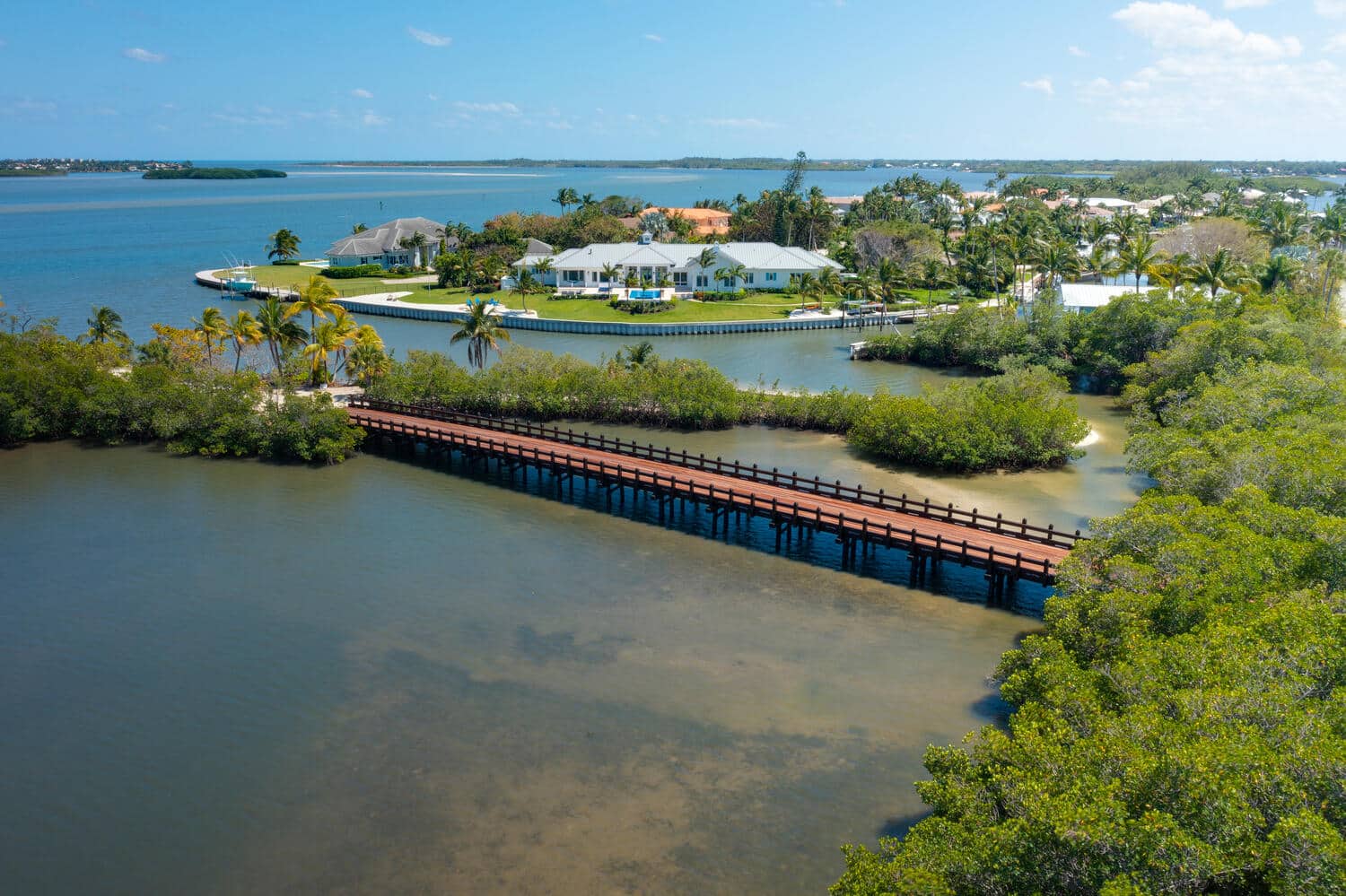
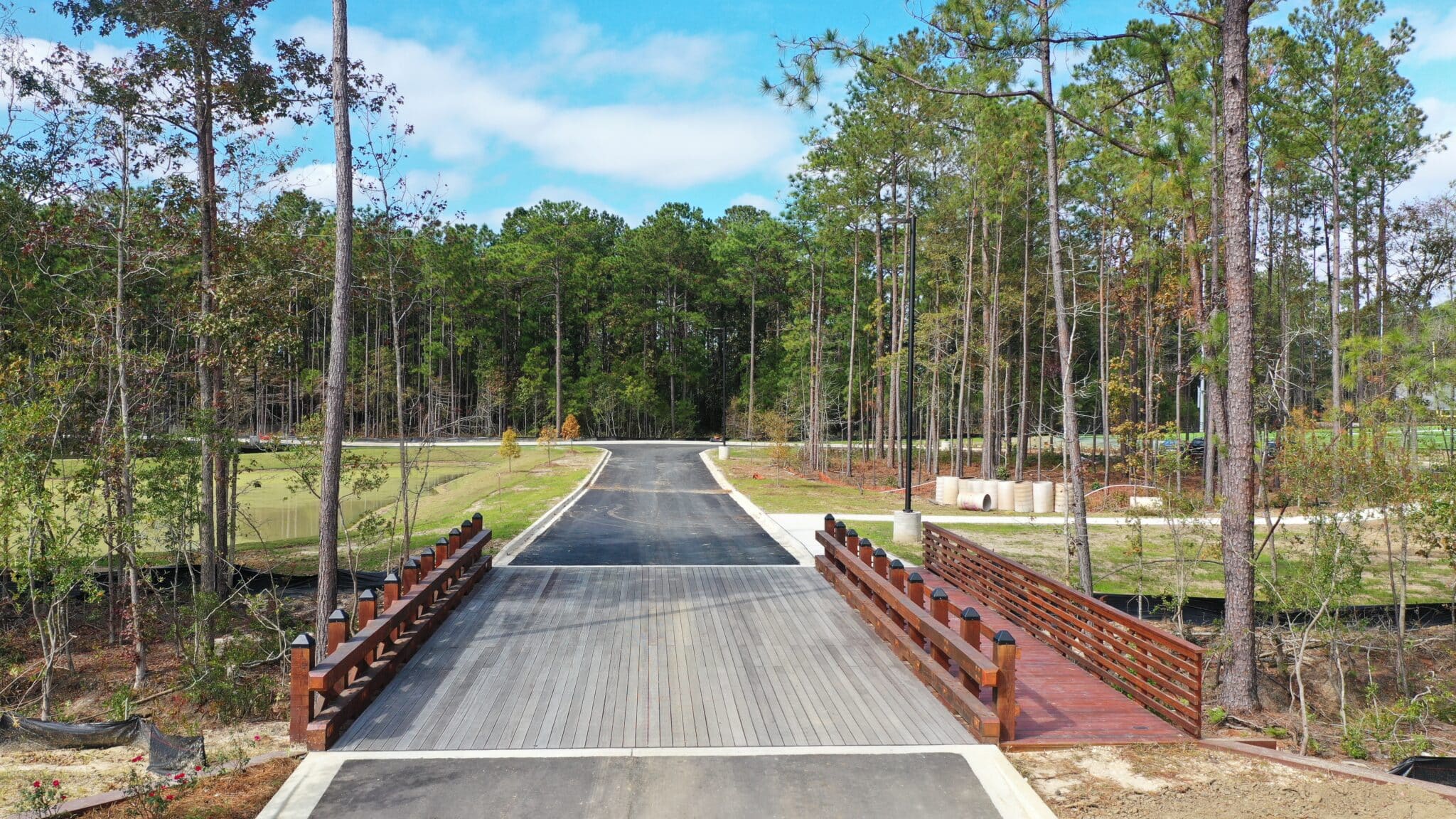
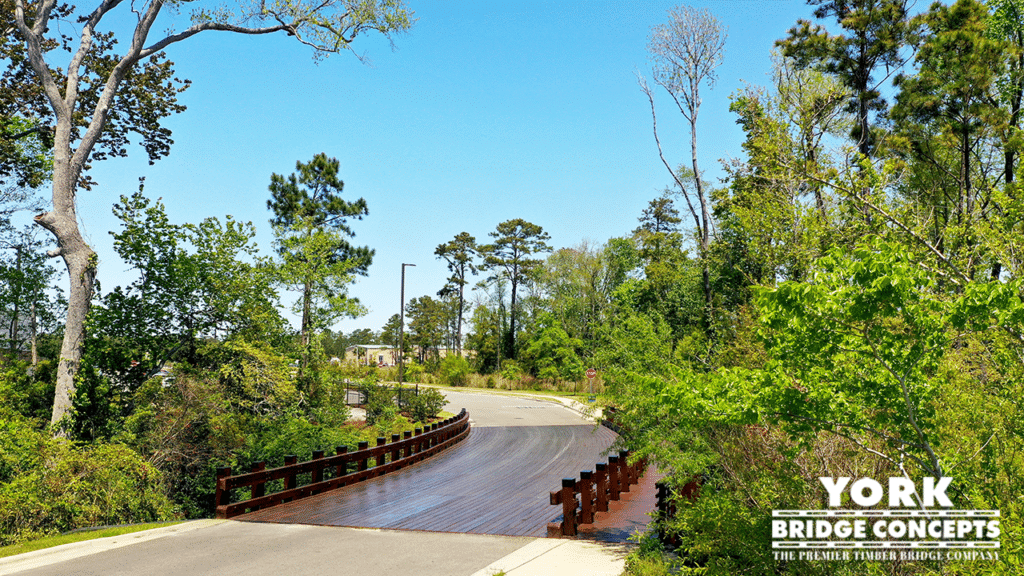
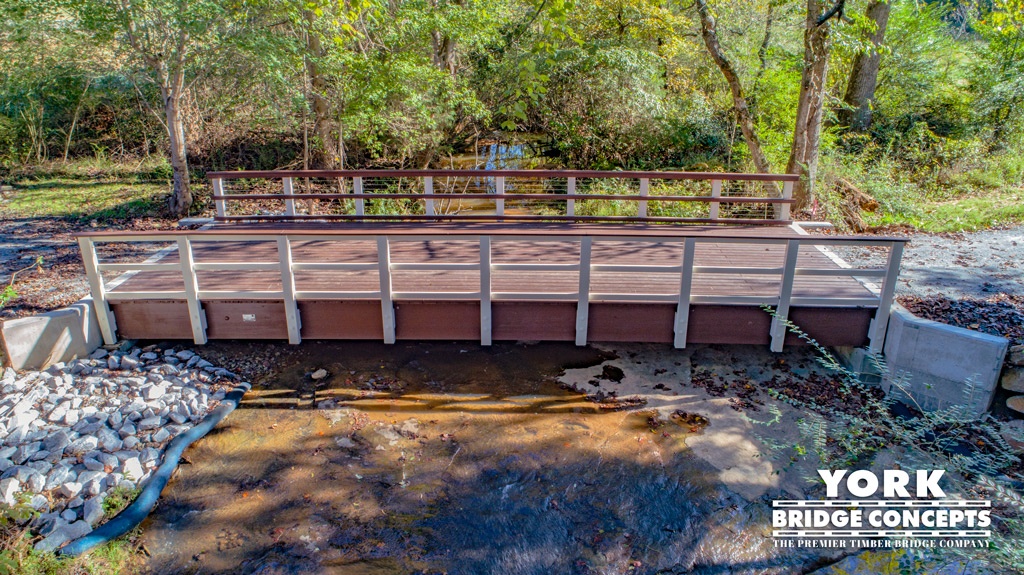
In South Carolina's evolving landscape of renewable energy, few projects represent the fusion of innovation, education, and environmental stewardship as elegantly as the Solar Farms Bridge by York Bridge Concepts (YBC). Designed and built to connect two vital properties--a sprawling solar energy production site and a local educational facility--the bridge embodies the future of solar farm infrastructure, where clean energy and sustainable construction intersect.
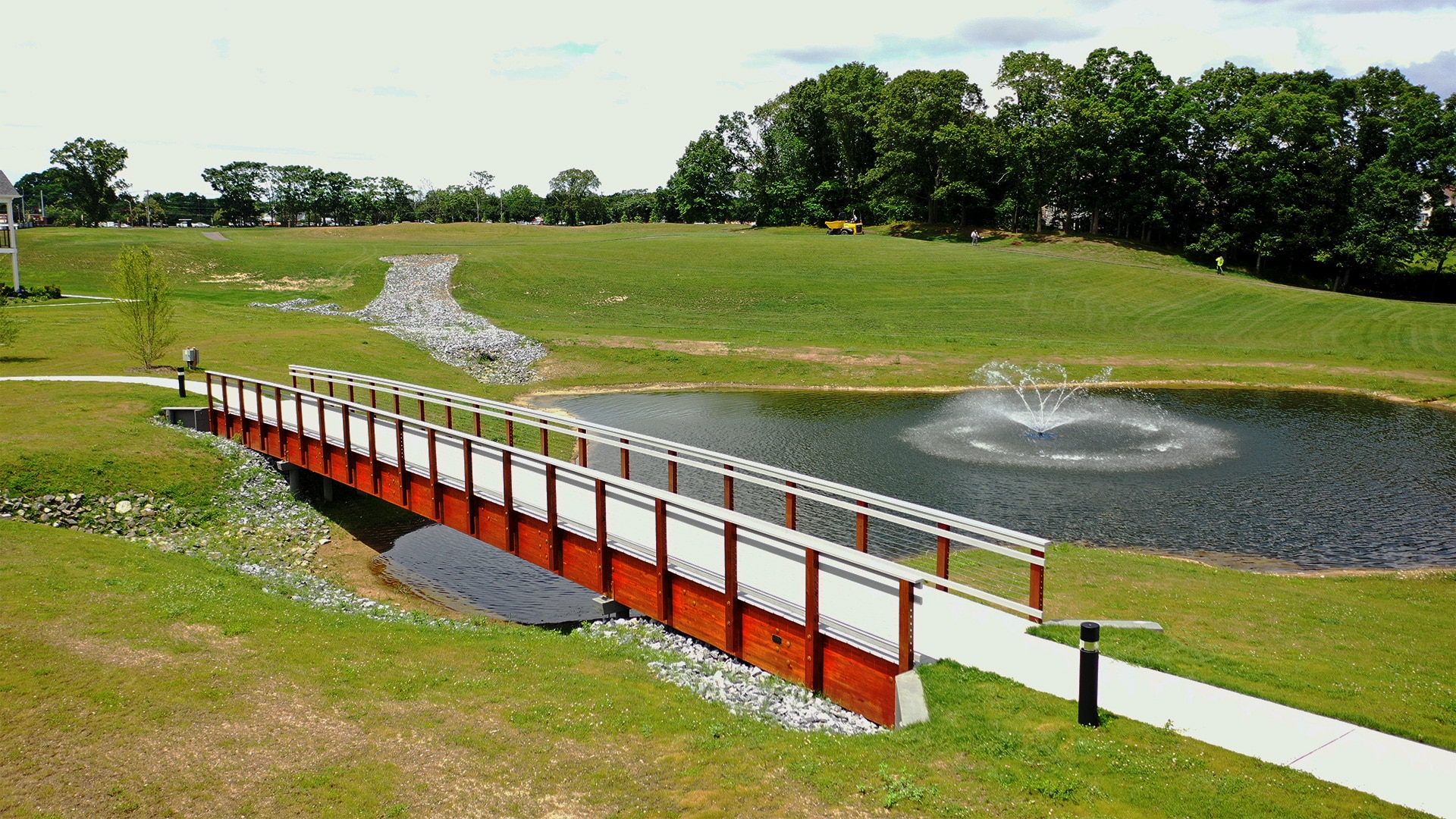
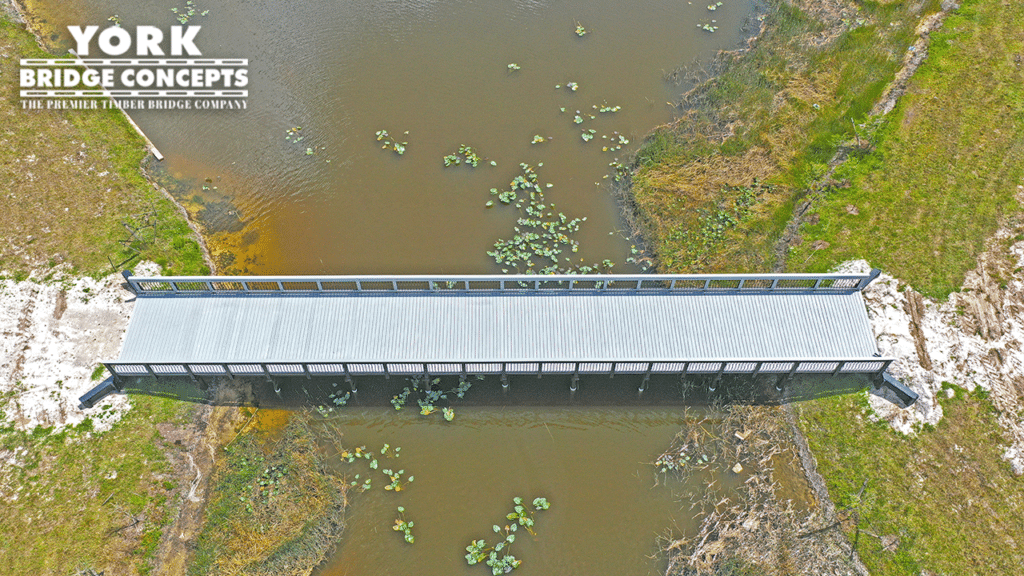
Stretching gracefully over a meandering creek that once divided these two entities, this pedestrian and light-duty vehicular bridge now links hundreds of students, educators, and maintenance personnel in their shared mission to create a brighter, greener tomorrow.
Every aspect of the bridge, from its glue-laminated timber beams to its stainless-steel wire rope railing, was meticulously crafted through YBC's proprietary Decero™ Design-Engineer-Build process. The result is an enduring structure that speaks the language of both function and form--a bridge that is as visually inspiring as it is environmentally responsible.
Specifications
- Width:
- 13’ 10” (13’ 7” clear)
- Length:
- 38'
- Height:
- 4' above grade
- Capacity:
- 85 PSF / 2 Ton GVW
- Construction:
- Ground Up
- Span Type:
- Free Span
- Material:
- CCA/CA-C Treated Southern Yellow Pine & Composite
- Foundation:
- Concrete Abutments
- Stringers:
- SYP Glulam Stringers (Acrylic/Polymer Coated where exposed)
- Deck System:
- Composite 1” Deck
- Handrail:
- Decero™ Wire Rope Design Series
- Crossing:
- Creek
The Vision: Connecting Education and Clean Energy
At the heart of this project lies a powerful idea--to connect education with renewable innovation. The Solar Farms property spans hundreds of acres of photovoltaic panels generating clean energy for South Carolina communities. Yet, despite this technological landscape, a small creek served as a natural barrier between the solar field's main operational hub and the local educational facility built to support student learning, research, and workforce development in green technologies.
Local planners and educators envisioned a bridge that would not only provide physical access but also stand as a symbol of progress, an architectural representation of the seamless integration between education and solar farm infrastructure.
When YBC was approached for the project, the challenge was clear: design a structure that fit within the ecological sensitivity of the site, minimized ground disturbance, and reflected the visual ethos of the solar landscape--clean, purposeful, and forward-looking environment.
The Decero™ Design Approach
The Solar Farms Bridge began where all YBC projects do--with a blank slate. The Decero™ Design (Latin for "from scratch") methodology allows YBC's design team to tailor every structure from the ground up to meet the unique functional and environmental demands of each site.
For the Solar Farms project, this meant designing a bridge that respected both the hydrological flow of the creek and the educational mission of the property.
The design incorporated low-profile glulam beams that nearly skim the surface of the water, echoing the reflective quality of the solar panels nearby. Above, airy stainless-steel wire rope railings add a touch of modernity and openness, ensuring unobstructed views of the creek and surrounding habitat.
This meticulous balance between strength, proportion, and transparency created a bridge that feels weightless in its environment, allowing light and air to flow freely through the structure--mirroring the principles of clean energy and efficiency that define solar technology itself.
Crafting With Purpose: Timber and Steel in Harmony
The selection of materials was central to achieving both the visual and structural goals of the Solar Farms Bridge. YBC's engineers chose glue-laminated Southern Yellow Pine as the primary component, renowned for its load-bearing capacity, renewable sourcing, and exceptional dimensional stability.
Complementing the timber's warmth is the stainless-steel wire rope railing system, an elegant design choice that merges rustic authenticity with modern minimalism. The color palette--featuring rich earth tones and subdued metallics--was intentionally curated to harmonize with both the surrounding forest canopy and sleek geometry of the solar panels stretching across the horizon.
Every fastener, coating, and beam was selected not merely for appearance but for long-term performance. YBC's proprietary coatings, developed for high-UV environments like South Carolina's open fields, provide maximum protection against moisture, decay, and sun exposure, ensuring that this bridge will endure decades of service with minimal maintenance.
Integrating Into the Landscape
Bridges in natural environments demand more than engineering precision--they require environmental sensitivity. The Solar Farms Bridge traverses a small, ecologically active creek, home to riparian vegetation and seasonal water flow. Disturbing this ecosystem was not an option.
YBC's Deck-Level Construction methodology (also known as top-down construction) allowed the field crew to build from above, avoiding heavy machinery in the creek bed and minimizing soil compaction and waterway disruption.
Concrete abutments, integrated into existing access paths, provided sturdy anchorage without altering the natural grade. The bridge's glulam beams were craned into position form the banks, allowing the creek's ecosystem to remain virtually untouched.
This process not only preserved the health of the waterway but also reinforced the project's broader message: sustainable infrastructure should work with nature, not against it.
Building the Bridge: Precision & Collaboration
From concept to completion, the Solar Farms Bridge represented a collaboration of minds--engineers, environmental consultants, educators, and YBC's construction specialists.
The build unfolded in stages:
- Site Assessment & Environmental Planning - Detailed surveys identified the optimal crossing point with minimal ecological disturbance.
- Structural Engineering & Load Design - The bridge was engineered to accommodate both pedestrian and light-duty maintenance vehicle loads, reflecting the site's dual educational and operational use.
- Fabrication & Pre-Assembly - Glulam components were pre-fabricated in YBC's controlled environment, reducing on-site installation time.
- Deck-Level Construction - Utilizing YBC's proprietary methods, the bridge was built outward from the abutments with precision and efficiency.
- Final Coating & Detailing - Finishes were applied to enhance durability and bring out the natural timber character.
The entire process, from design to installation, adhered to a streamlined construction schedule--one that allowed the educational program to continue uninterrupted while the bridge was built.
Form Meets Function: Aesthetics That Educate
While the bridge serves an essential functional purpose, its visual impact carries educational weight. Visitors crossing between the solar fields and the school experience a journey of transition--from natural landscape to engineered innovation.
The slender glulam beams echo the linear rhythm of solar arrays, while the wire rope railing evokes the delicate precision of photovoltaic wiring. Every design cue reinforces the story of connection--between land and technology, between past and future.
In this way, the Solar Farms Bridge transcends its utilitarian function to become a teaching tool, inspiring students and visitors alike to consider how design can reflect and support sustainable energy initiatives.
A Sustainable Legacy
The term solar farm infrastructure encompasses more than panels and wiring--it includes the pathways that enable people to maintain, learn from, and experience renewable energy firsthand.
By integrating a sustainably built timber bridge into the site, YBC has demonstrated how natural materials can complement high-tech landscapes. The Solar Farms Bridge contributes to a carbon-positive narrative, as its primary material--Southern Yellow Pine--actively stores carbon over its lifespan.
Moreover, the use of regionally sourced materials and minimal-impact construction techniques reduces embodied energy, setting a new benchmark for infrastructure supporting renewable energy projects.
Safety, Accessibility, and Longevity
Bridges serving educational and operational purposes must meet a unique set of safety standards. YBC's engineers designed the Solar Farms Bridge to accommodate 85 PSF pedestrian loading with additional margin for light-duty maintenance carts, ensuring a safe passage for all users.
Accessibility was also central to the design. Gentle approach grades and smooth deck transitions allow for ADA compliance, making the bridge accessible to visitors of all abilities.
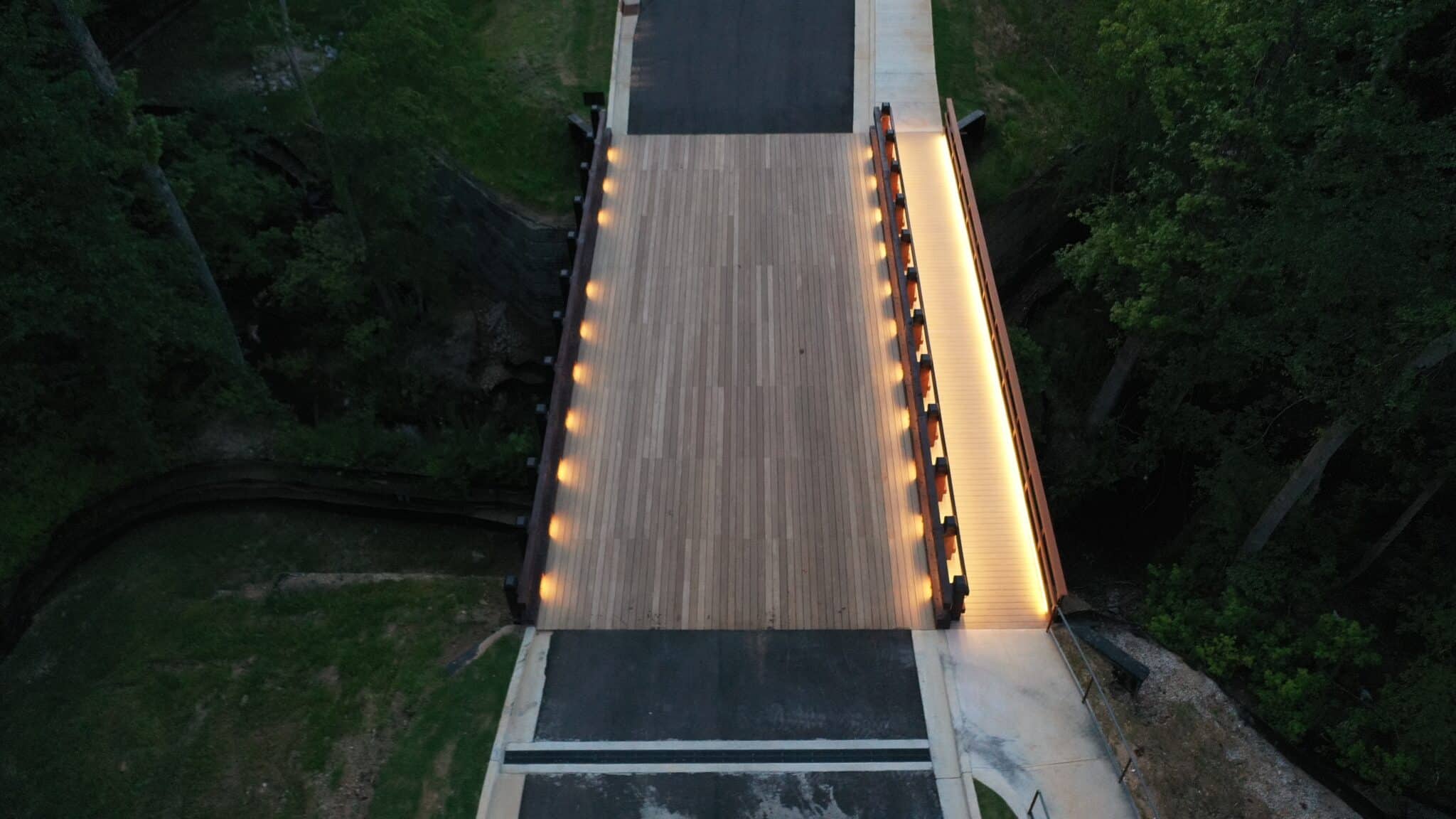
Lighting integration and reflective handrail caps enhance visibility during early morning and evening hours--times when maintenance staff and educators often traverse the structure.
The result is a bridge that not only meets functional requirements but elevates them through thoughtful, human-centered design.
The Role of Timber in Renewable Energy Infrastructure
In many ways, the Solar Farms Bridge challenges conventional assumptions about modern infrastructure. While solar farms are often characterized by steel, glass, and silicon, this project demonstrates how engineered timber can play a critical role in advancing sustainable energy goals.
Timber construction offers:
- Reduced embodied carbon compared to steel and concrete
- Renewable sourcing through managed forestry
- Thermal and acoustic balance for user comfort
- Natural aesthetic integration with rural and semi-urban environments
By blending timber craftsmanship with renewable energy technology, YBC helps expand the definition of what sustainable infrastructure can look like.
The bridge serves as a physical metaphor for the fusion of natural and technological solutions working together to build a sustainable future.
Educational Impact: Inspiring the Next Generation
Since its completion, the Solar Farms Bridge has become more than a crossing--it has become part of the educational journey. Students and visitors use the bridge daily to explore the solar fields, conduct experiments, and attend workshops on renewable energy and environmental science.
The bridge's design subtly reinforces the lessons being taught nearby: balance, efficiency, and stewardship. Teachers have even integrated the structure into their curriculum, using it as an example of applied sustainability in architecture and engineering.
In this sense, the bridge not only connects spaces--it connects ideas, embodying the principles of innovation, responsibility, and design thinking that will define the next generation of environmental leaders.
Project Outcomes: Beyond Connectivity
The success of the Solar Farms Bridge extends beyond its immediate function. It stands as a proof of concept that sustainable design can be both pragmatic and poetic.
Key outcomes include:
- Enhanced connectivity between educational and operational facilities
- Reduced environmental disturbance during construction
- Durable, low-maintenance infrastructure supporting long-term clean energy goals
- Architectural harmony with both natural and technological surroundings
- Increased community engagement through accessible pathways and environmental education
Each of these achievements reflects YBC's mission to design and build bridges that transform how people experience their environment.
Continuing the Momentum of Green Infrastructure
The Solar Farms project is one of many initiatives demonstrating YBC's leadership in sustainable infrastructure design. As solar farms, wind facilities, and hydro projects expand across the nation, the need for low-impact, high-performance bridges grows in parallel.
York Bridge Concepts stands at the forefront of this movement, pioneering structures that not only connect physical spaces but also advance the dialogue around renewable infrastructure and carbon-conscious design.
Through innovation, craftsmanship, and environmental responsibility, YBC continues to redefine what it means to build sustainability in the 21st century.
FAQs About the Solar Farms Bridge & Solar Farm Infrastructure
What is the purpose of the Solar Farms Bridge?
The bridge connects a local educational facility to a solar energy field, enabling safe pedestrian and light-duty vehicle access while supporting renewable energy education.
Why is timber used in solar farm infrastructure?
Timber offers renewable sourcing, low embodied carbon, and natural integration into the landscape--making it ideal for sustainable infrastructure applications.
How does YBC ensure minimal environmental impact during construction?
Through Deck-Level (Top-Down) Construction, YBC builds from above the terrain, protecting sensitive waterways and surrounding vegetation.
What makes the Decero™ Design process unique?
It's a fully customized design-build approach that begins from scratch for each project, ensuring that every bridge is tailored to its environment, load requirements, and aesthetic context.
Is the Solar Farms Bridge ADA accessible?
Yes. The bridge incorporates gentle approach grades, smooth deck transitions, and handrail design standards that ensure full accessibility for all users.
How does this project contribute to clean energy goals?
By creating infrastructure that connects renewable energy facilities with educational spaces, the bridge helps expand access to clean energy education and maintenance, reinforcing the ecosystem around solar innovation.
All Feature Projects
What's Best: A Culvert Or A Timber Bridge?
What Is The Best Span Type For My Project?
Which Load Capacity I Need?
How Do I Cross An Environmentally Sensitive Area?
How Do I Create A Landmark?
How Long Does A Timber Bridge Last?
Culvert Or Bridge
If you're considering using a culvert for your crossing project. Click below to understand the best fit for your project.

Spanning Solutions
Spanning a crossing is one of the most important aspects of your crossing project. Find the best solution for your crossing needs.

Uses & Capacities
The load capacity of a timber bridge may surprise you. See specs for different loads and uses that will help your decision-making process.