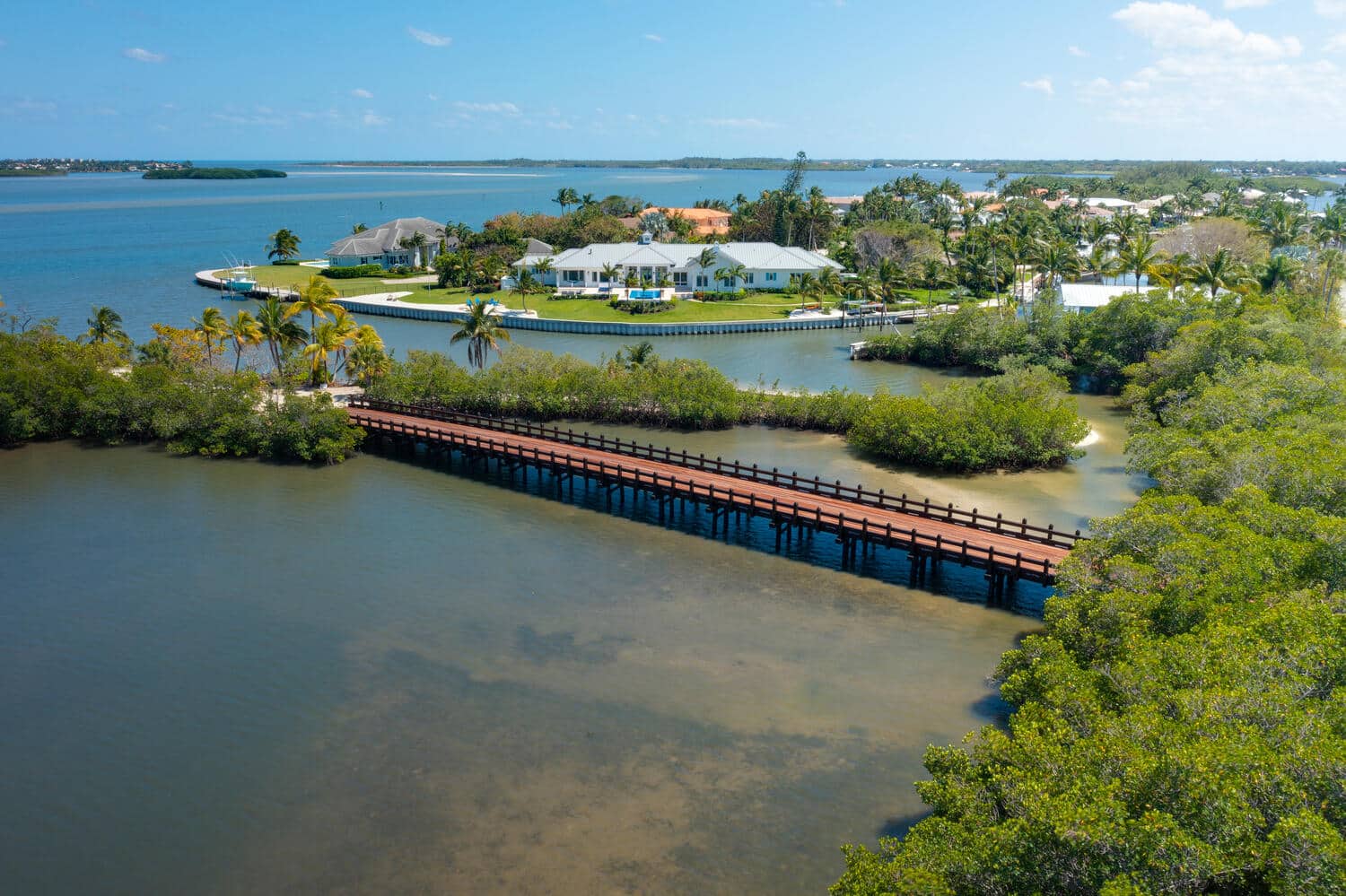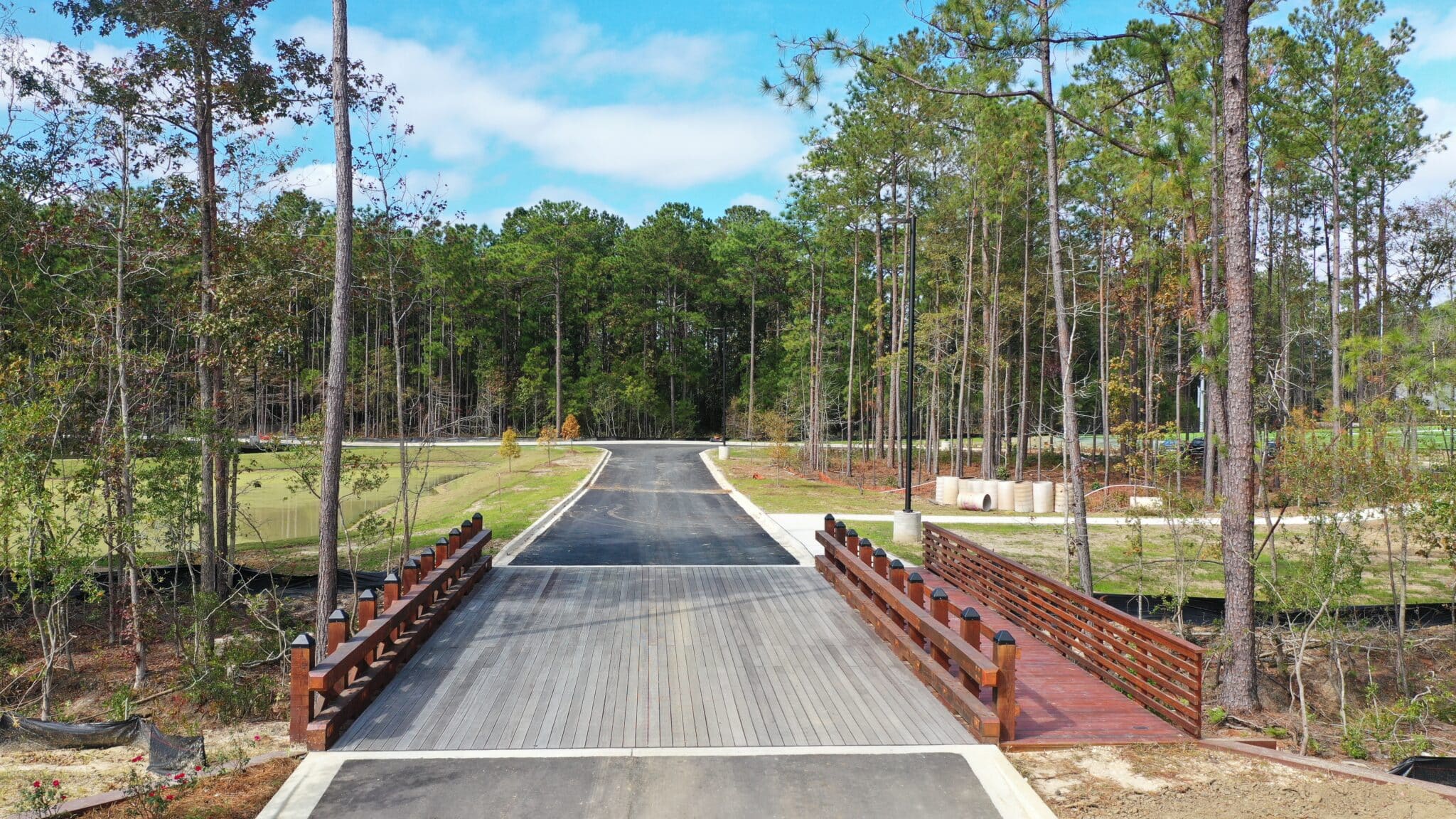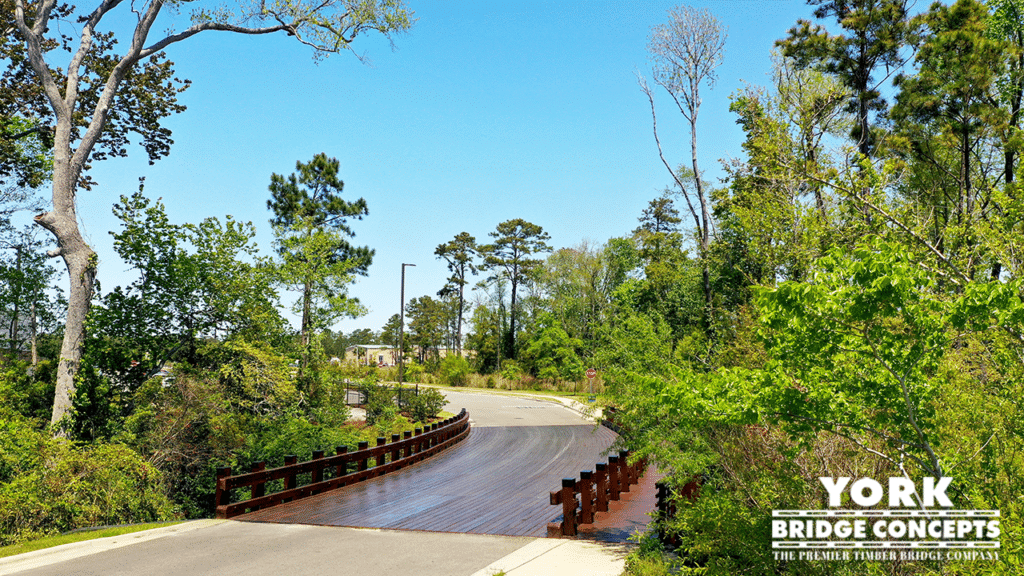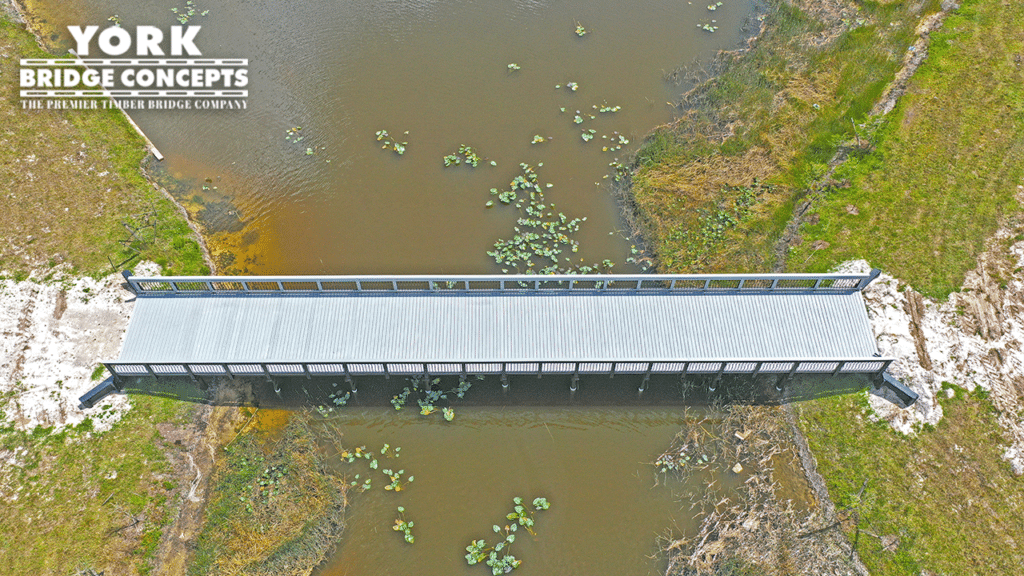
Ave Maria University Pedestrian Bridge – Ave Maria, FL
June 19, 2018
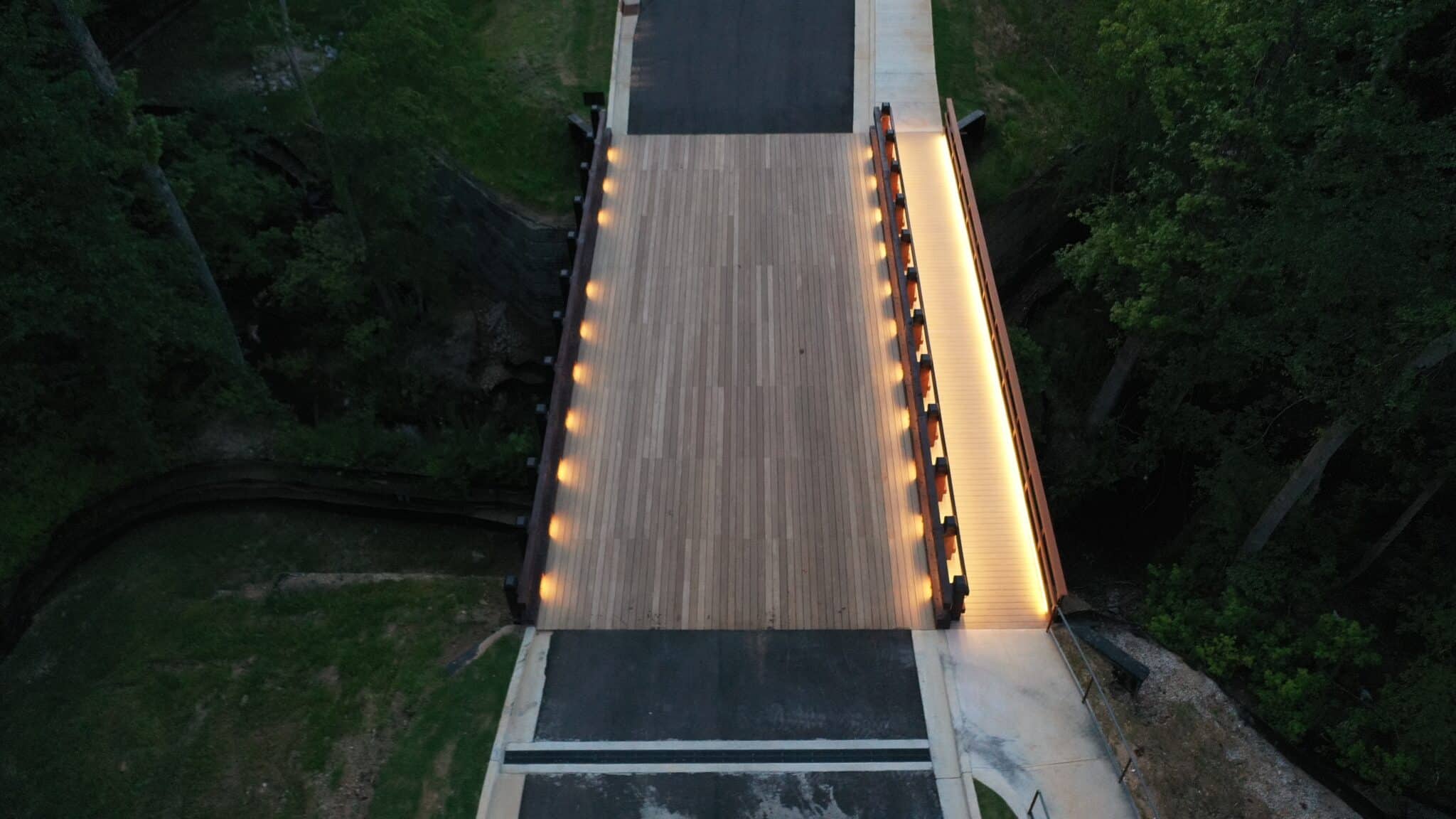
Dulles South Multipurpose Center Pedestrian Bridge – Fairfax, VA
June 19, 2018Safe Crossings For Schools
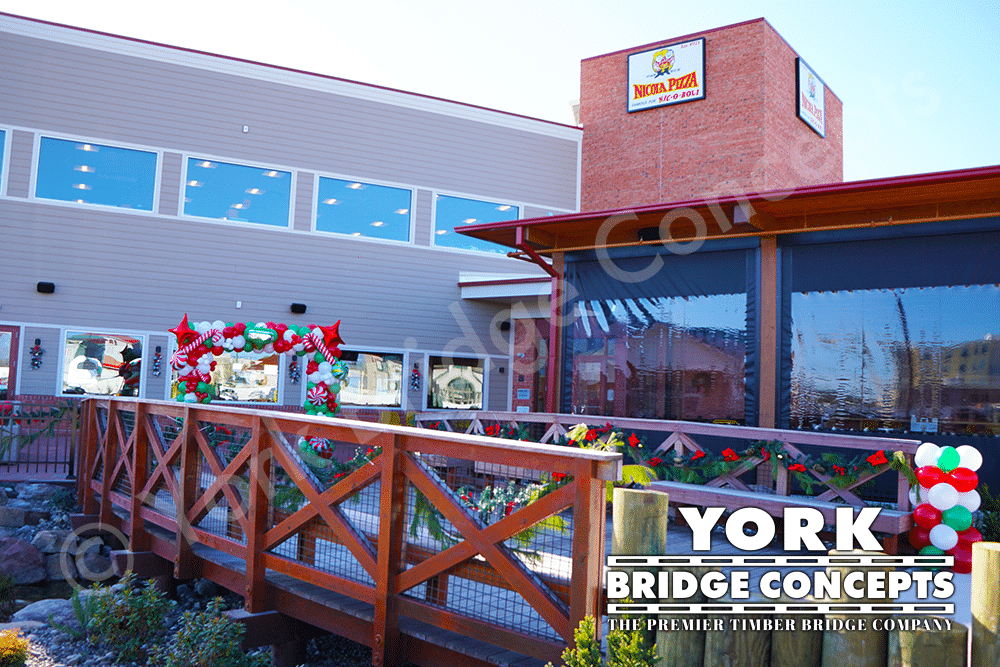
Voorheesville Elementary School Pedestrian Bridge – Voorheesville, NY
Connecting Education, Nature, and Community Through Sustainable Infrastructure
At educational campuses across the country, schools are increasingly investing in infrastructure that does more than simply move students from one location to another. Today’s educational environments are designed to inspire learning, encourage outdoor activity, promote environmental stewardship, and create safer, more connected campuses. The timber pedestrian bridge at the Voorheesville Elementary School project reflects this evolving philosophy by combining functionality, sustainability, safety, and architectural beauty into a single crossing solution.
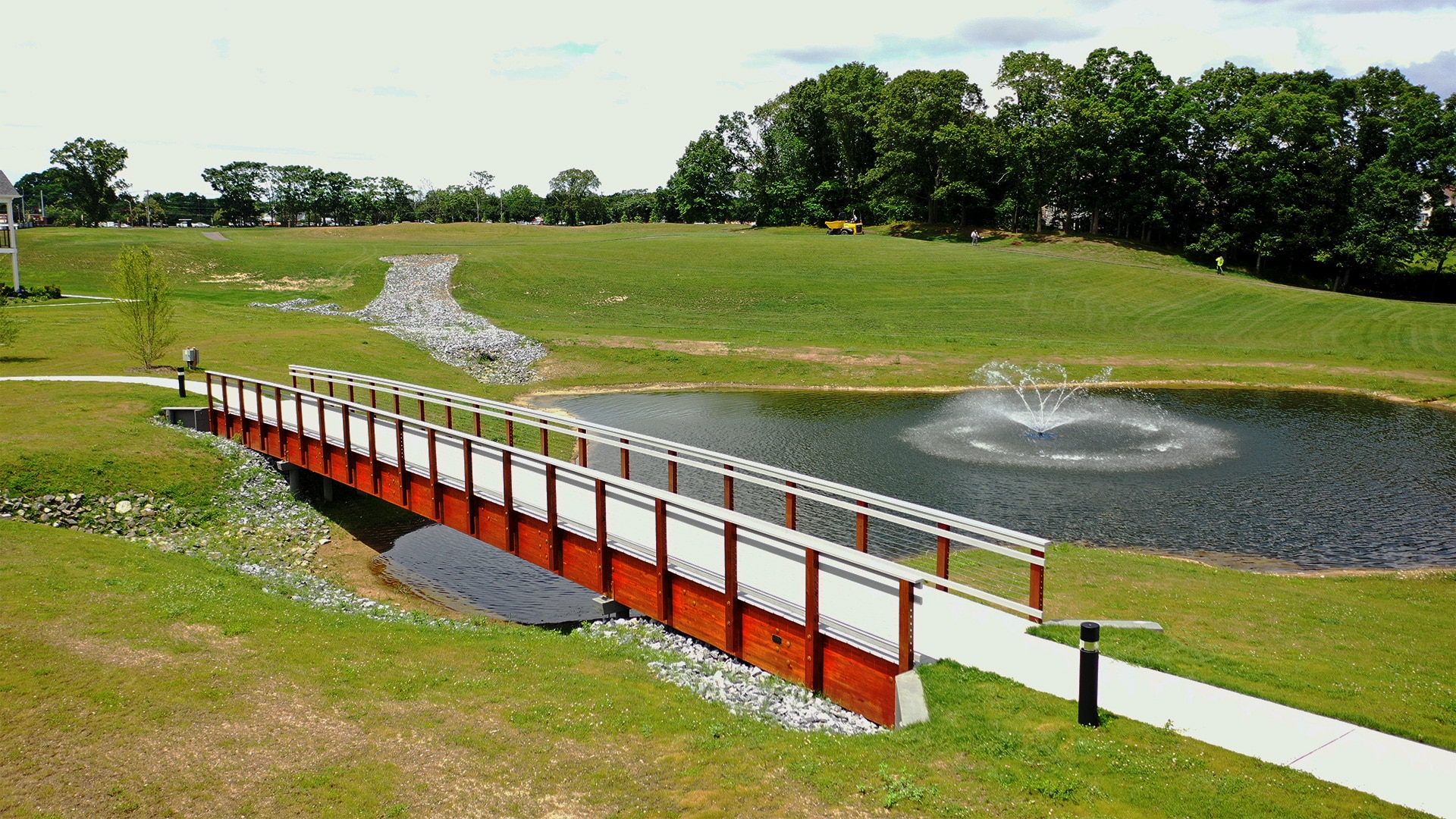
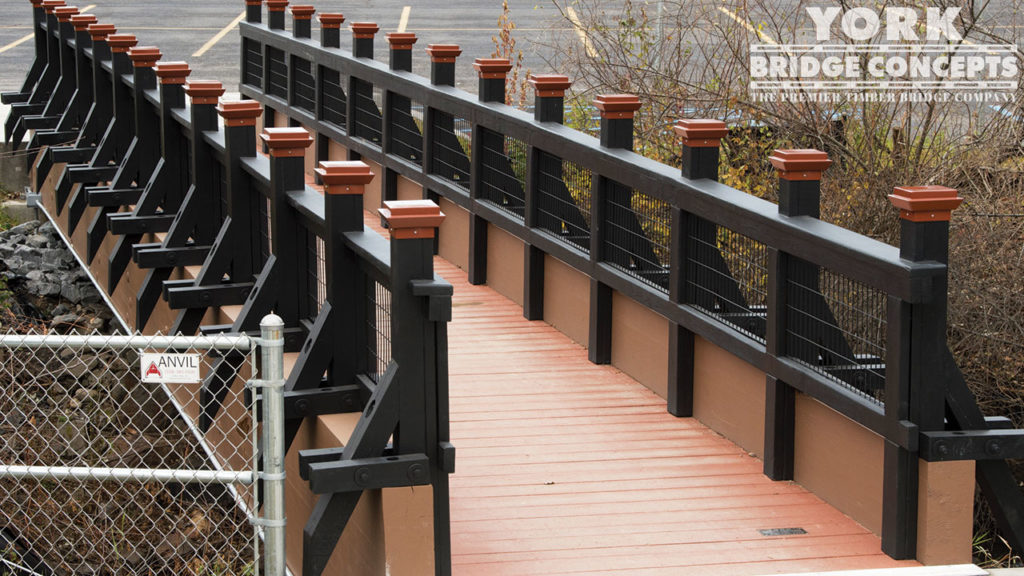
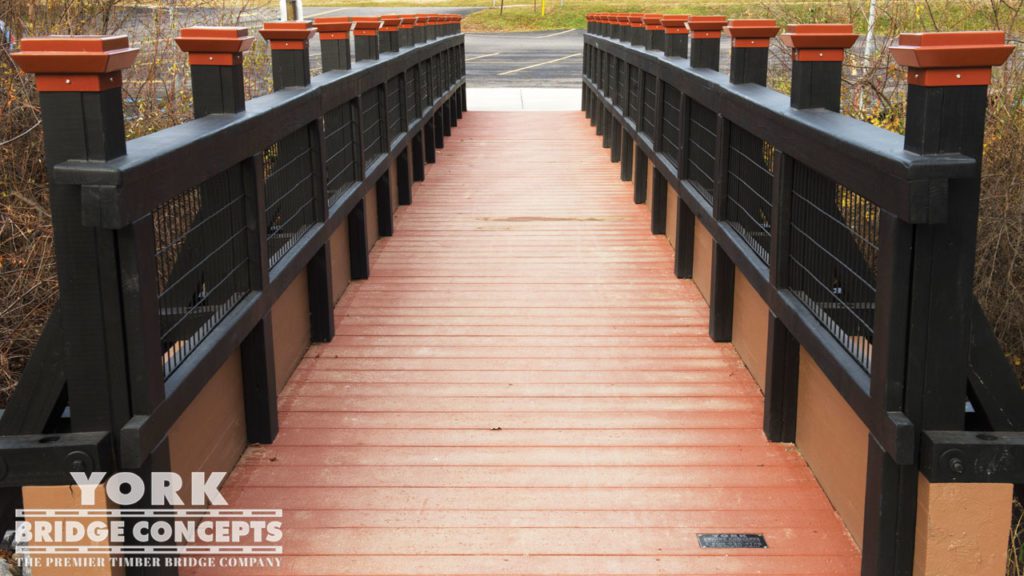
Designed and built by York Bridge Concepts, the Voorheesville Elementary School pedestrian bridge demonstrates how thoughtfully engineered timber infrastructure can become an integral part of a school campus while blending seamlessly into the surrounding environment. More than just a walkway, this bridge serves as a safe and welcoming connection point for students, faculty, parents, and visitors while reinforcing the school’s commitment to community-focused and environmentally conscious design.
As educational institutions continue to prioritize outdoor learning spaces, pedestrian safety, accessibility, and long-term durability, timber pedestrian bridges have emerged as an increasingly popular solution for schools, parks, trail systems, and municipal developments. The Voorheesville Elementary School bridge showcases how modern timber bridge engineering can provide lasting performance while creating a warm and inviting atmosphere that traditional concrete or steel structures often fail to achieve.
Specifications
| Width: | 6’ (5’-4” Clear) |
| Length: | 55’ |
| Height: | 10' above grade |
| Capacity: | 100 PSF |
| Construction: | Prefabricated & Delivered |
| Span Type: | Free Span |
| Material: | CCA/CA-C Treated Southern Yellow Pine |
| Foundation: | Concrete Abutments |
| Stringers: | SYP Glulam (Acrylic / Polymer Coated where exposed) |
| Deck System: | 1-½” Timber Deck |
| Handrail: | Decero™ Trussed Design Series |
| Crossing: | Stream |
“It was our pleasure partnering with York Bridge Concepts™ on the design of the pedestrian bridge for the Voorheesville Elementary School. Built with timber throughout, YBC designed a custom H-Style Pedestrian Bridge to complement the school and provide accessibility for students and residents of the Voorheesville area. Beautiful & structurally sound, this York Structure stands out as a signature piece for the Voorheesville Elementary School!”
A Pedestrian Bridge Designed for Educational Environments
Educational campuses present unique infrastructure challenges. Schools must safely accommodate large volumes of pedestrian traffic while ensuring accessibility, durability, and ease of maintenance. In many cases, campuses also contain environmentally sensitive areas, drainage corridors, wetlands, or natural landscapes that require thoughtful design solutions capable of minimizing disturbance.
The Voorheesville Elementary School pedestrian bridge was developed to address these needs while enhancing the overall campus experience. The structure provides a safe and efficient crossing solution for students and staff while integrating naturally into the surrounding landscape.
Unlike conventional pedestrian crossings that can appear cold or industrial, timber pedestrian bridges introduce warmth and visual character into educational settings. The natural textures and architectural appeal of timber create a welcoming atmosphere that aligns well with school environments focused on community engagement, student well-being, and outdoor connectivity.
For elementary school campuses specifically, pedestrian safety is paramount. Every design decision must consider visibility, user comfort, slip resistance, structural reliability, and ADA accessibility. Timber bridge systems designed by York Bridge Concepts are engineered to meet stringent pedestrian loading requirements while creating intuitive and comfortable user experiences for children, parents, and educators alike.

A Pedestrian Bridge Designed for Educational Environments
Educational campuses present unique infrastructure challenges. Schools must safely accommodate large volumes of pedestrian traffic while ensuring accessibility, durability, and ease of maintenance. In many cases, campuses also contain environmentally sensitive areas, drainage corridors, wetlands, or natural landscapes that require thoughtful design solutions capable of minimizing disturbance.
The Voorheesville Elementary School pedestrian bridge was developed to address these needs while enhancing the overall campus experience. The structure provides a safe and efficient crossing solution for students and staff while integrating naturally into the surrounding landscape.
Unlike conventional pedestrian crossings that can appear cold or industrial, timber pedestrian bridges introduce warmth and visual character into educational settings. The natural textures and architectural appeal of timber create a welcoming atmosphere that aligns well with school environments focused on community engagement, student well-being, and outdoor connectivity.
For elementary school campuses specifically, pedestrian safety is paramount. Every design decision must consider visibility, user comfort, slip resistance, structural reliability, and ADA accessibility. Timber bridge systems designed by York Bridge Concepts are engineered to meet stringent pedestrian loading requirements while creating intuitive and comfortable user experiences for children, parents, and educators alike.

Why Timber Bridges Are Ideal for School Campuses
Timber pedestrian bridges continue to gain popularity in educational settings because they provide several advantages over traditional bridge materials. Schools, municipalities, architects, and planners increasingly recognize the value of timber as a sustainable and aesthetically pleasing infrastructure solution.
Natural Aesthetic Appeal
Schools are no longer designed as isolated institutional buildings. Modern campuses strive to create environments that encourage interaction, exploration, and connection to nature. Timber bridges complement these goals by introducing organic materials and architectural warmth into the built environment.
The Voorheesville Elementary School bridge demonstrates how timber infrastructure can soften the appearance of a campus while enhancing the surrounding landscape. Rather than overpowering the environment, the bridge integrates naturally with pathways, green spaces, and outdoor learning areas.
Timber’s natural tones and textures create a timeless appearance that remains visually appealing for decades. This allows educational institutions to invest in infrastructure that retains its architectural value over the long term.
Sustainable Construction Benefits
Sustainability has become a major consideration for educational institutions. Schools increasingly seek environmentally responsible building materials that support broader sustainability initiatives and educational goals.
Timber bridges provide several environmental advantages, including:
- Renewable material sourcing
- Reduced embodied carbon compared to steel and concrete
- Lower environmental impact during construction
- Minimal site disturbance during installation
- Long-term carbon sequestration benefits
As a renewable resource, timber aligns closely with environmentally conscious campus planning strategies. Educational institutions often use sustainable infrastructure projects as opportunities to reinforce environmental education and stewardship principles among students and the broader community.
Reduced Environmental Disturbance
Many school campuses feature streams, drainage channels, wetlands, or protected natural areas. Traditional construction methods can significantly disrupt these environments through heavy excavation and intrusive foundation systems.
York Bridge Concepts’ specialized construction methodologies help minimize environmental impact during bridge installation. Their innovative Deck-Level Construction approach allows crews to construct bridges from the top down, significantly reducing disturbance below the structure.
This construction approach is particularly beneficial for schools seeking to preserve natural features while improving campus accessibility and safety.
Safety and Accessibility for Students and Staff
Safety remains one of the most critical considerations for any school infrastructure project. Pedestrian bridges serving educational environments must provide dependable performance while creating secure and accessible crossings for users of all ages.
The Voorheesville Elementary School bridge was designed with user safety at the forefront. Key safety considerations for timber pedestrian bridges include:
Slip-Resistant Walking Surfaces
Pedestrian bridge decking systems can be engineered to provide enhanced traction during wet or icy conditions. This is especially important in school settings where high foot traffic volumes occur throughout the year.
Protective Guardrail Systems
Guardrail systems are carefully designed to meet pedestrian safety codes while maintaining visibility and architectural appeal. For school campuses, railing systems must account for younger users while ensuring comfort and security.
ADA Accessibility
Accessibility is essential for educational campuses. Timber pedestrian bridges can be designed to comply with ADA accessibility requirements, including appropriate bridge widths, slopes, transitions, and handrail systems.
This ensures all students, staff, and visitors can comfortably navigate the bridge regardless of mobility limitations.
Structural Reliability
School campuses require infrastructure capable of handling consistent daily use. Timber pedestrian bridges engineered by York Bridge Concepts are designed to withstand long-term pedestrian loading demands while maintaining structural integrity and performance.
Engineering Timber Bridges for Long-Term Durability
Modern timber bridge engineering has evolved significantly over the past several decades. Today’s timber bridge systems are highly sophisticated structures designed for long-term durability and performance in a wide range of environments.
At Voorheesville Elementary School, the pedestrian bridge benefits from engineered timber construction techniques, advanced protective systems, and precision fabrication processes that contribute to long service life and reduced maintenance requirements.
Engineered Timber Systems
Timber bridges are carefully engineered using advanced structural analysis and load calculations. Every bridge is customized to meet the specific requirements of the site, including span length, soil conditions, pedestrian loads, environmental exposure, and aesthetic goals.
This tailored engineering approach allows timber bridges to deliver exceptional structural performance while maintaining the warmth and character of natural materials.
Protective Coating Systems
Protective coatings help extend the lifespan of timber bridges by shielding structural elements from moisture, UV exposure, and environmental wear.
York Bridge Concepts utilizes advanced coating systems designed specifically for exterior timber infrastructure applications. These systems enhance durability while preserving the bridge’s visual appeal over time.
Stainless Steel and Corrosion-Resistant Components
Modern timber bridge systems often incorporate corrosion-resistant hardware and fastening systems to improve longevity and reduce maintenance concerns. These components help ensure the bridge performs reliably in changing environmental conditions.
Long-Term Structural Performance
Properly designed and maintained timber bridges can provide decades of reliable service. Many timber pedestrian bridges continue performing successfully for generations while retaining their architectural charm and functionality.
Enhancing Outdoor Learning and Campus Connectivity
Educational institutions increasingly recognize the value of outdoor spaces in supporting student development and engagement. Bridges, pathways, and trail systems help create connected environments that encourage exploration, movement, and interaction with nature.
The Voorheesville Elementary School bridge contributes to this vision by helping establish safe and inviting pedestrian connectivity throughout the campus.
Supporting Outdoor Education
Outdoor classrooms, nature trails, and environmental learning areas are becoming more common within modern school campuses. Timber pedestrian bridges provide natural transitions between these spaces while reinforcing environmental themes through material selection and design.
Students crossing a timber bridge experience a closer connection to the surrounding environment compared to traditional infrastructure materials.
Encouraging Walkability
Connected pedestrian infrastructure encourages healthier and more active campus environments. Safe pedestrian crossings allow students and staff to move comfortably throughout the campus while reducing dependence on vehicular circulation.
Walkable school campuses support wellness initiatives while improving the overall student and visitor experience.
Creating Memorable Campus Features
Bridges often become defining architectural features within educational environments. A thoughtfully designed timber pedestrian bridge can serve as a visual focal point while reinforcing the identity and character of the campus.
At Voorheesville Elementary School, the bridge contributes both practical functionality and lasting visual value to the school environment.
Sustainable Infrastructure for Future Generations
As communities continue prioritizing sustainability and environmental responsibility, educational institutions are uniquely positioned to lead by example. Infrastructure projects such as timber pedestrian bridges demonstrate how thoughtful design can balance functionality, aesthetics, and environmental stewardship.
Timber bridges align naturally with sustainable campus development initiatives because they:
- Utilize renewable building materials
- Reduce embodied carbon emissions
- Blend naturally with landscapes
- Minimize environmental disruption during construction
- Provide long-term durability with proper engineering
For students, these projects can also serve as real-world examples of sustainable engineering and responsible development practices.
The Advantages of Turn-Key Bridge Delivery
One of the defining strengths of York Bridge Concepts is its integrated Design-Engineer-Build approach. Educational institutions often benefit from streamlined project delivery methods that reduce complexity, improve communication, and simplify coordination.
The turn-key approach used for the Voorheesville Elementary School project allows all aspects of the bridge project to be managed cohesively, including:
- Conceptual design
- Structural engineering
- Environmental coordination
- Fabrication
- Construction
- Installation
This integrated delivery model helps reduce delays, improve project efficiency, and ensure design consistency throughout the process.
For schools and municipalities, working with a single-source bridge provider can simplify project management while ensuring accountability across all phases of development.
Timber Bridges and Community Identity
Schools often function as central gathering places within their communities. Infrastructure investments therefore influence not only students and staff, but also parents, visitors, and local residents.
A timber pedestrian bridge contributes to community identity by creating a visually welcoming and memorable environment. Unlike generic infrastructure, timber bridges possess warmth and craftsmanship that resonate emotionally with users.
For communities seeking to create educational campuses that feel inviting and connected to nature, timber bridge architecture offers a compelling solution.
Low-Maintenance Infrastructure Solutions
Educational institutions must carefully manage maintenance budgets while ensuring campus infrastructure remains safe and attractive over time. Modern timber pedestrian bridges are engineered with durability and maintenance efficiency in mind.
Protective coatings, engineered detailing, and corrosion-resistant components all contribute to reduced maintenance requirements compared to older timber bridge systems.
Additionally, timber bridges can often be repaired or refinished more efficiently than alternative materials, helping schools maintain the appearance and functionality of their infrastructure for years to come.
Blending Architecture with Nature
One of the defining qualities of timber pedestrian bridges is their ability to integrate harmoniously with natural surroundings. Educational campuses frequently include landscaped areas, wooded spaces, creeks, ponds, or greenways that benefit from infrastructure designed to complement rather than dominate the environment.
The Voorheesville Elementary School bridge reflects this design philosophy by preserving the natural character of the site while providing safe and dependable pedestrian access.
Timber’s organic appearance allows bridges to feel like natural extensions of the landscape rather than isolated engineering elements. This quality is particularly valuable in educational settings where creating calming and inspiring outdoor environments can positively influence student experiences.
Timber Pedestrian Bridges for Modern Educational Campuses
As schools continue evolving into more holistic and environmentally integrated learning environments, infrastructure solutions must support these changing priorities. Timber pedestrian bridges offer a unique combination of sustainability, safety, durability, and aesthetic value that aligns exceptionally well with modern educational campus design.
The Voorheesville Elementary School project highlights how timber infrastructure can:
- Improve pedestrian safety
- Enhance campus connectivity
- Support sustainability goals
- Minimize environmental disruption
- Create lasting architectural value
- Encourage outdoor engagement
- Reinforce community identity
By combining advanced engineering with timeless natural materials, timber pedestrian bridges continue to serve as transformative additions to educational campuses across the country.
Building Bridges That Inspire Future Generations
The pedestrian bridge at Voorheesville Elementary School represents more than infrastructure. It represents a commitment to creating safer, more sustainable, and more inspiring educational environments for future generations.
Through thoughtful design, environmentally conscious construction practices, and long-term durability, timber pedestrian bridges help schools create meaningful connections between people, nature, and community.
As educational institutions continue investing in outdoor spaces, sustainable development, and student-centered campus design, timber bridges will remain an increasingly valuable solution for creating connected and welcoming environments.
To learn more about custom timber pedestrian bridges, sustainable bridge construction, and York Bridge Concepts’ Design-Engineer-Build process, visit York Bridge Concepts and explore additional pedestrian bridge projects, trail crossings, and campus infrastructure solutions designed to stand the test of time.