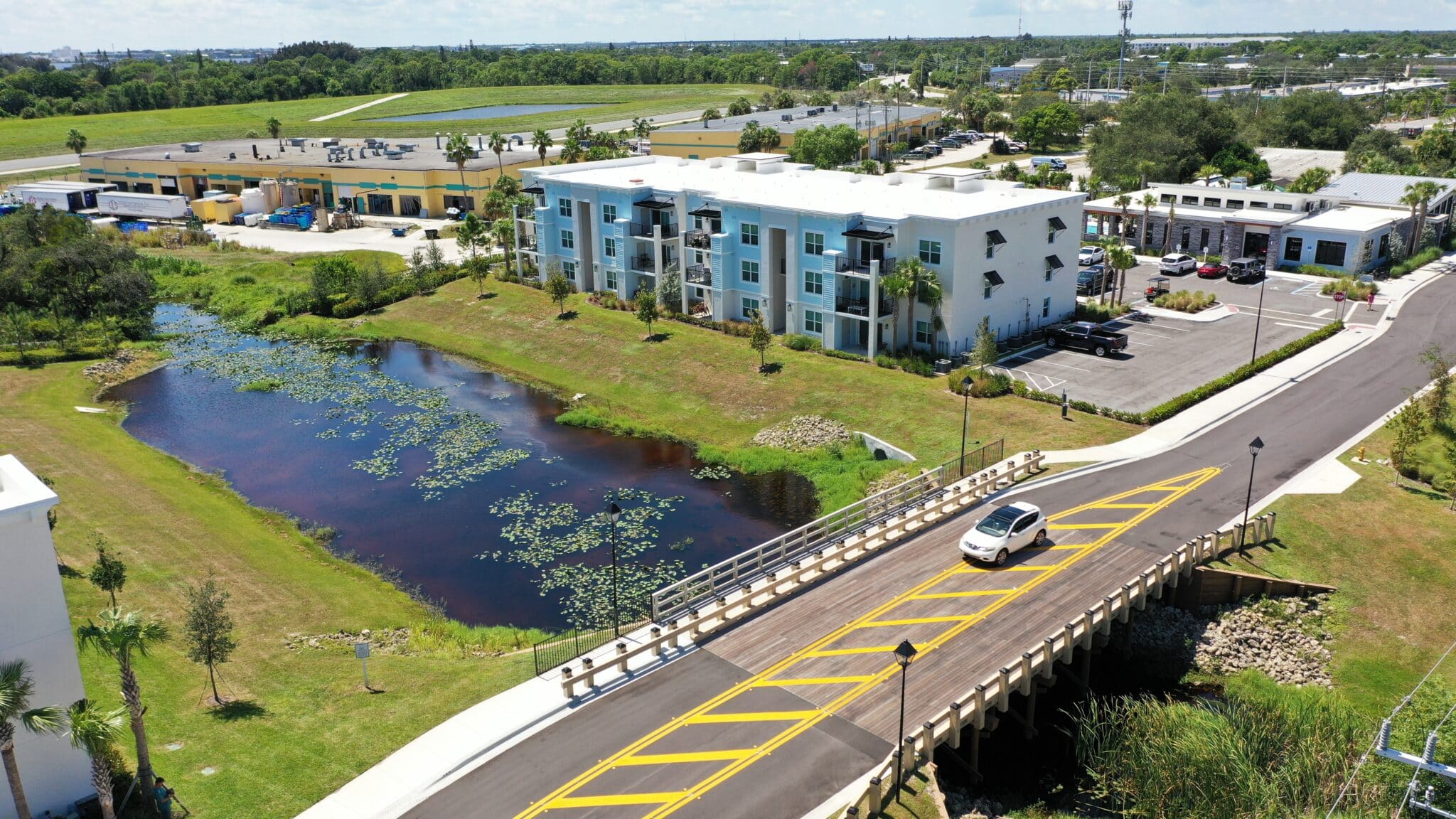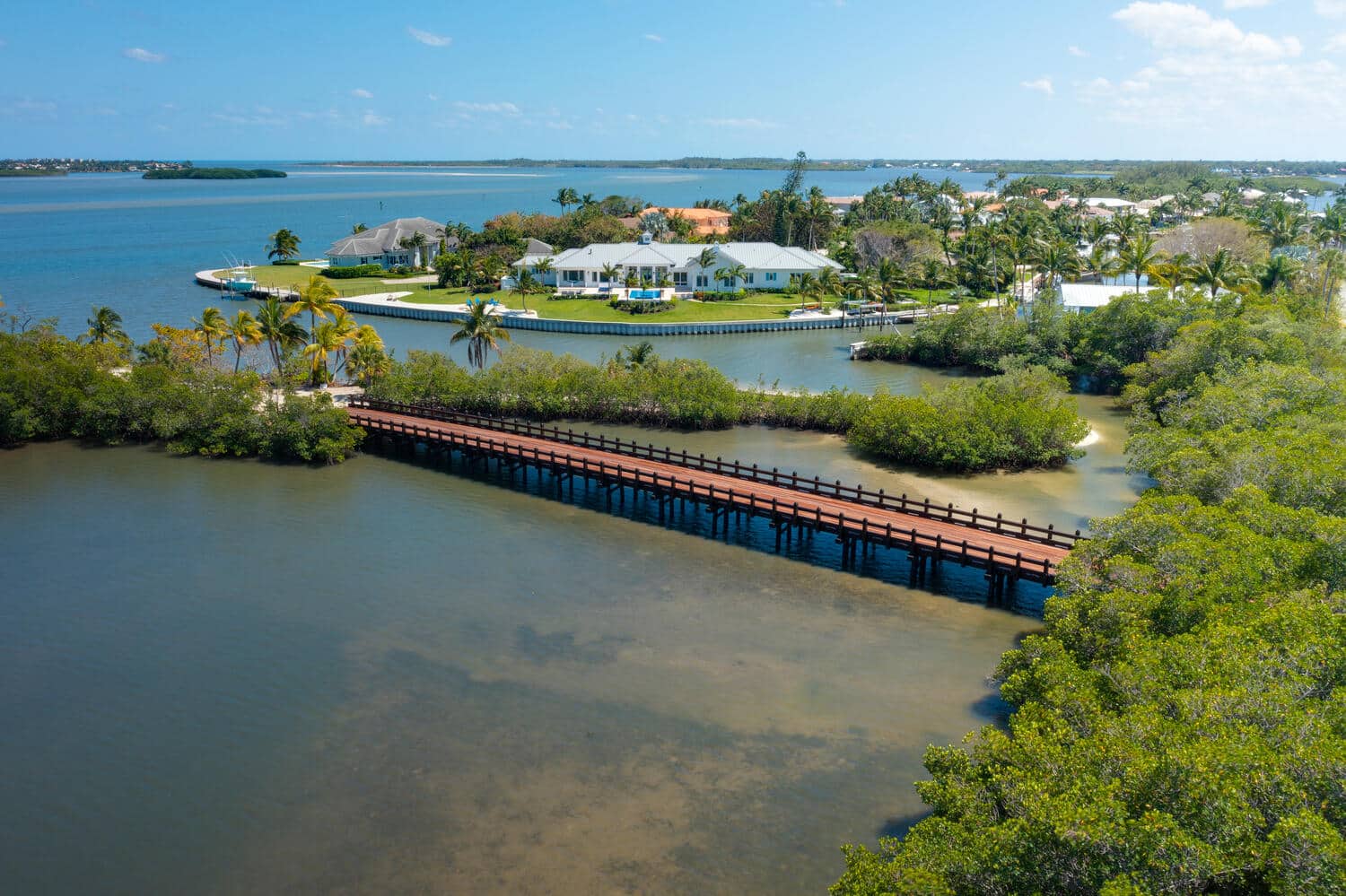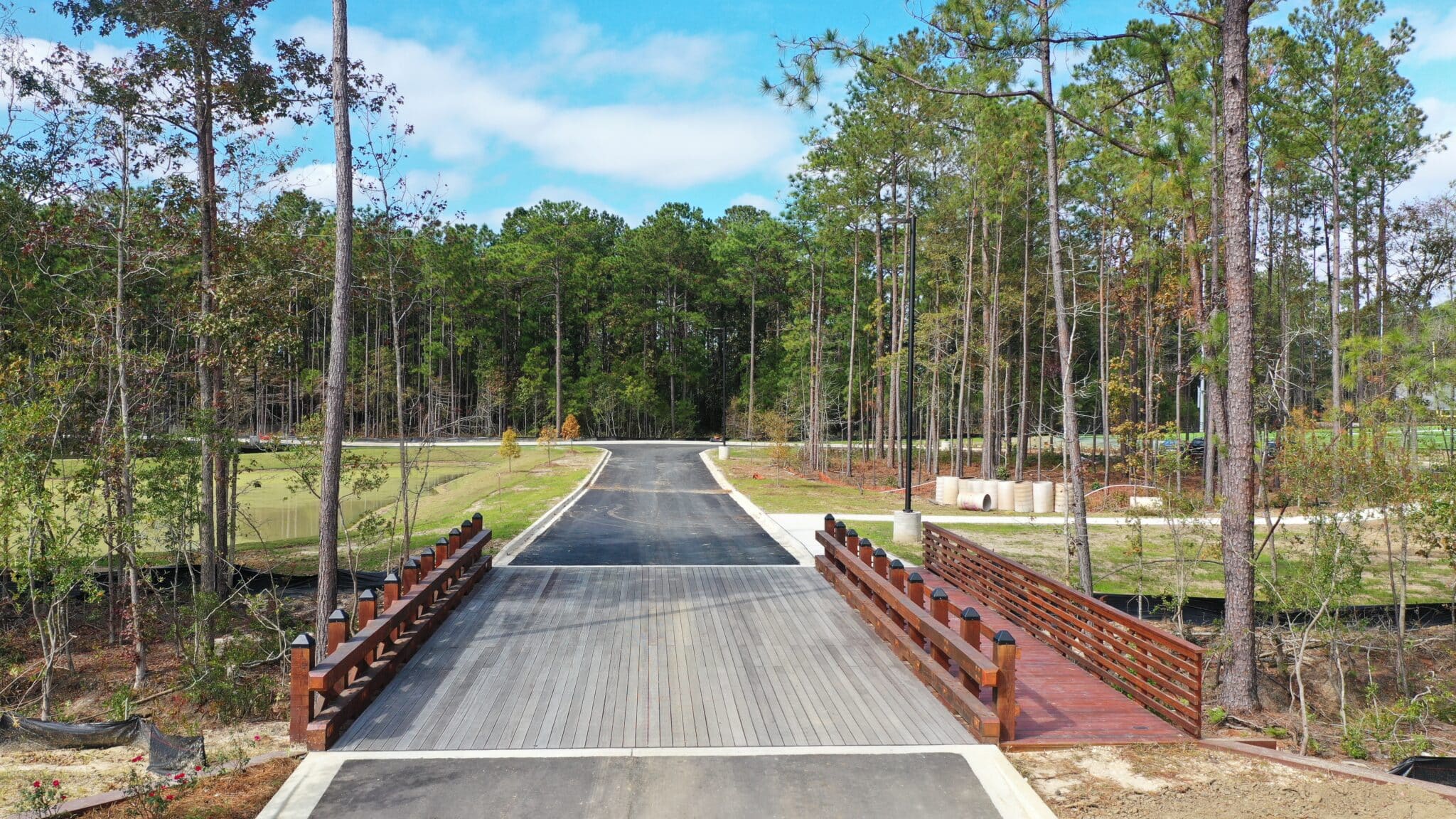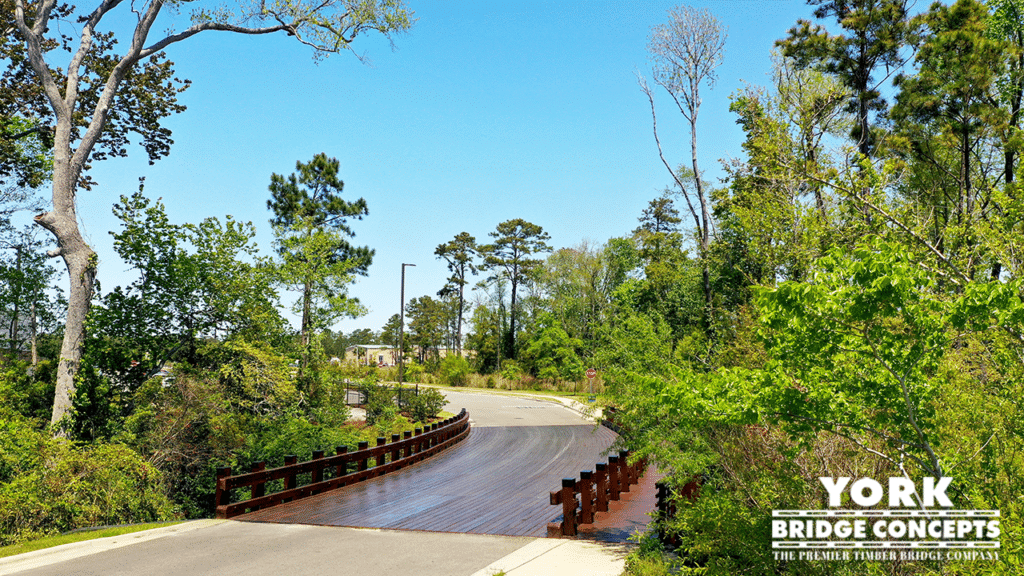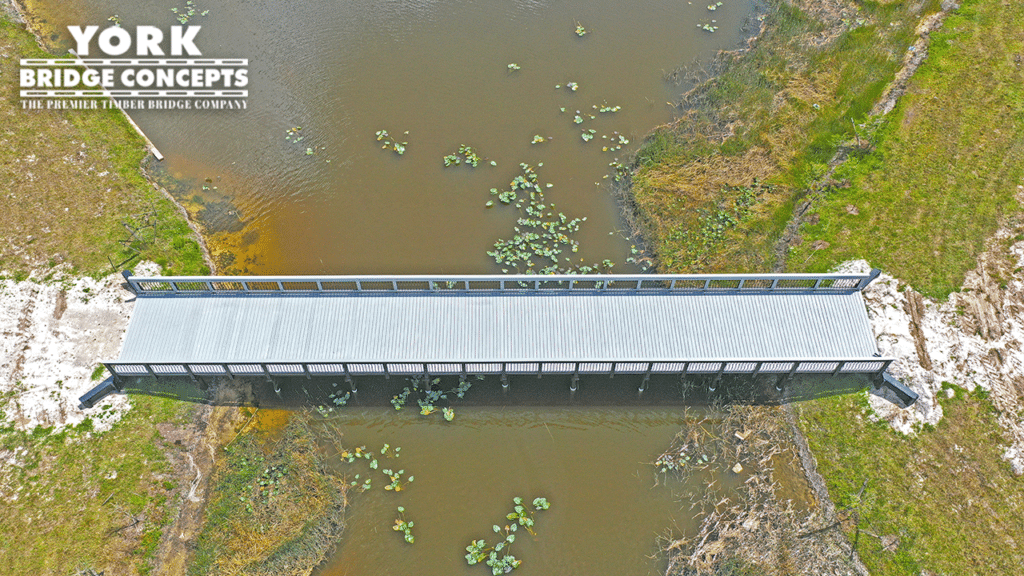
Bear Creek Vehicular Bridge – Ormond Beach, FL
July 1, 2018
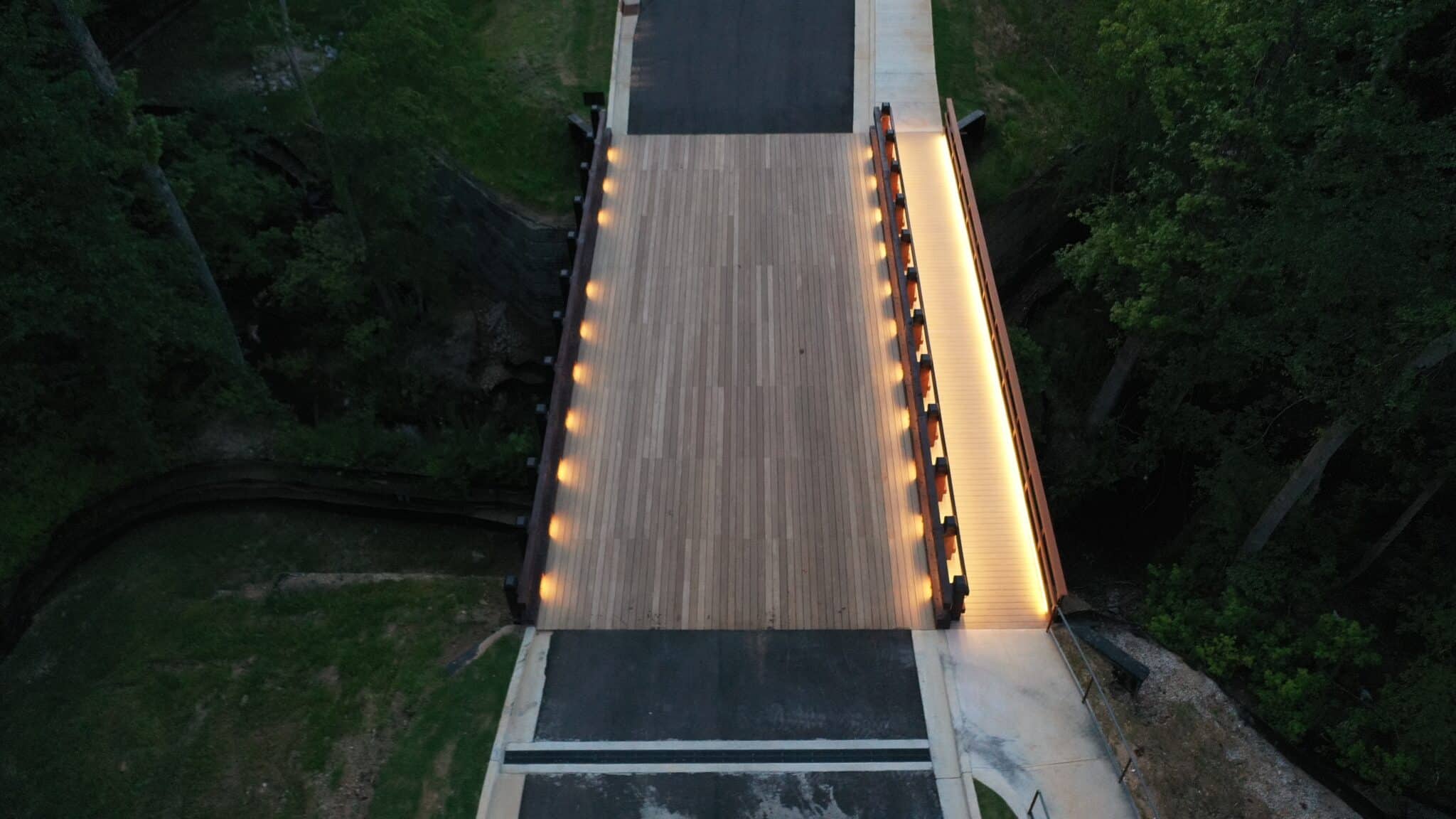
Hampton Lake Vehicular Bridge – Bluffton, SC
July 10, 2018Precision Golf Course Integration
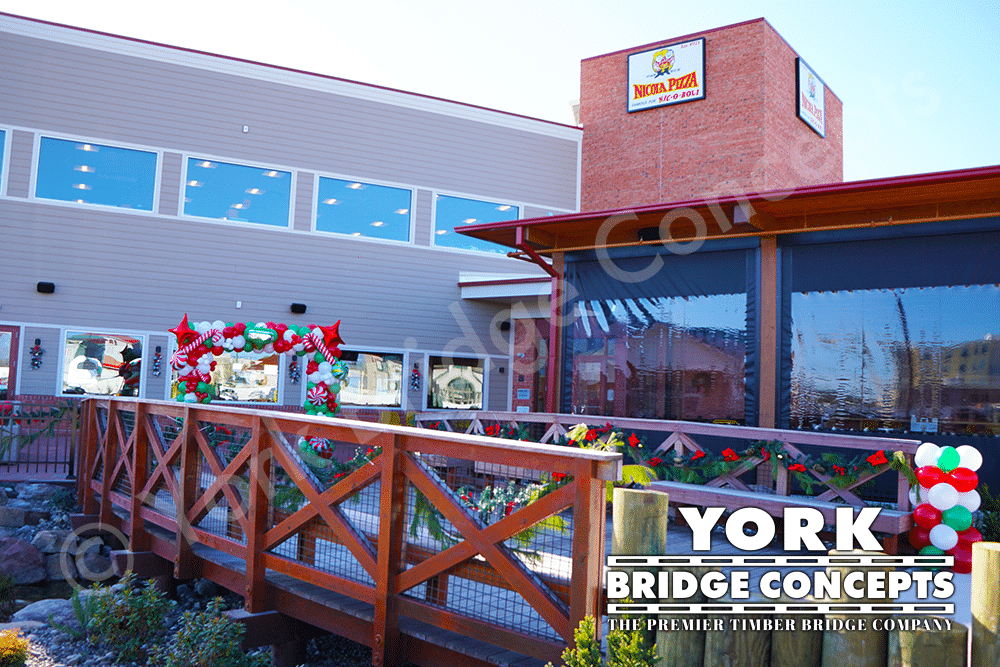
Westborough Country Club Golf Cart Bridges – St. Louis, MO
Westborough Country Club Golf Cart Bridges – St. Louis, Missouri
At prestigious golf communities and private clubs, the bridge crossings connecting fairways, paths, and amenities are more than infrastructure. They become part of the golf experience itself. At York Bridge Concepts, golf cart bridges are designed to create seamless connectivity while elevating the visual identity of the course through sustainable construction, long-lasting materials, and architecturally refined detailing.
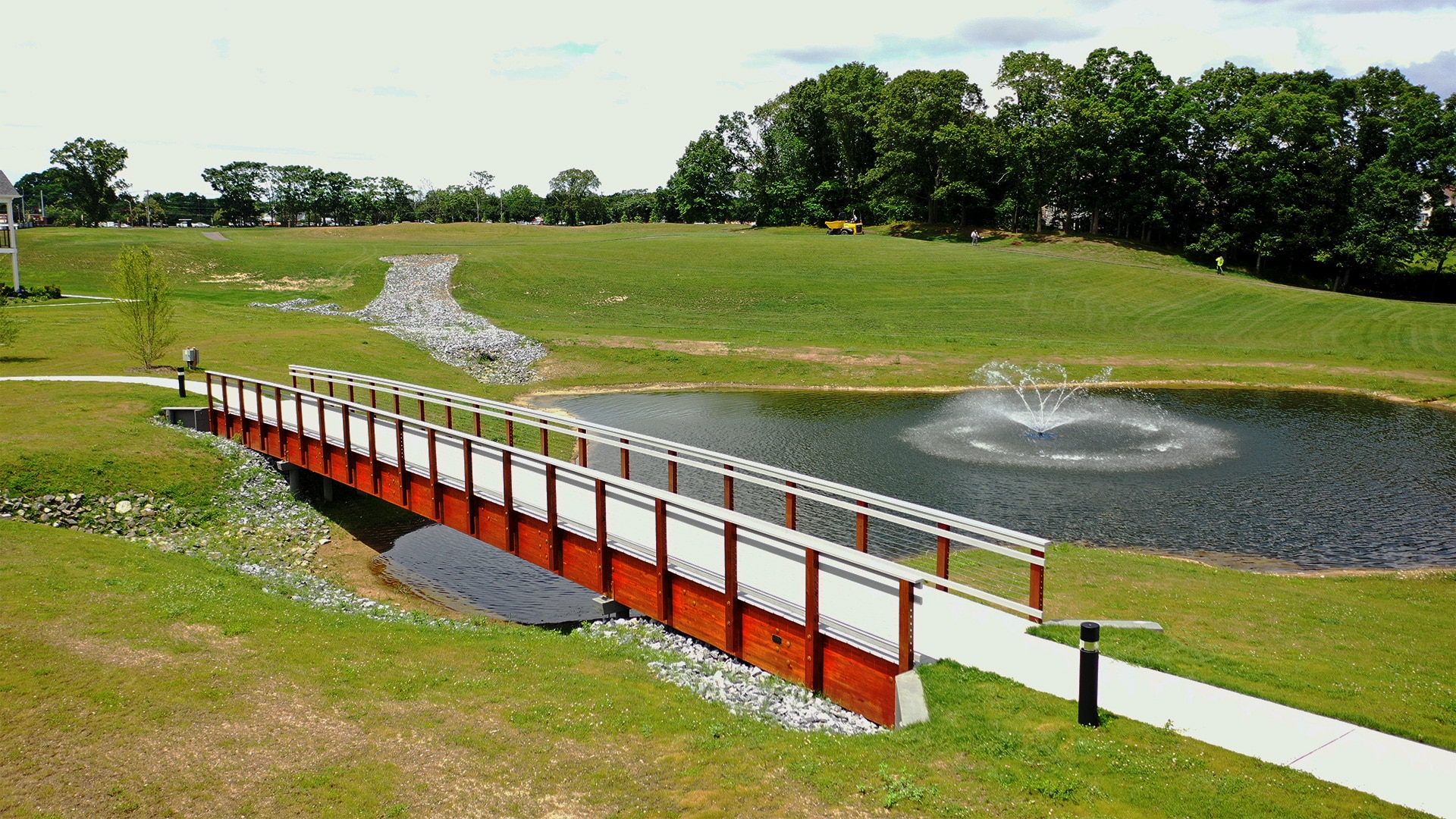
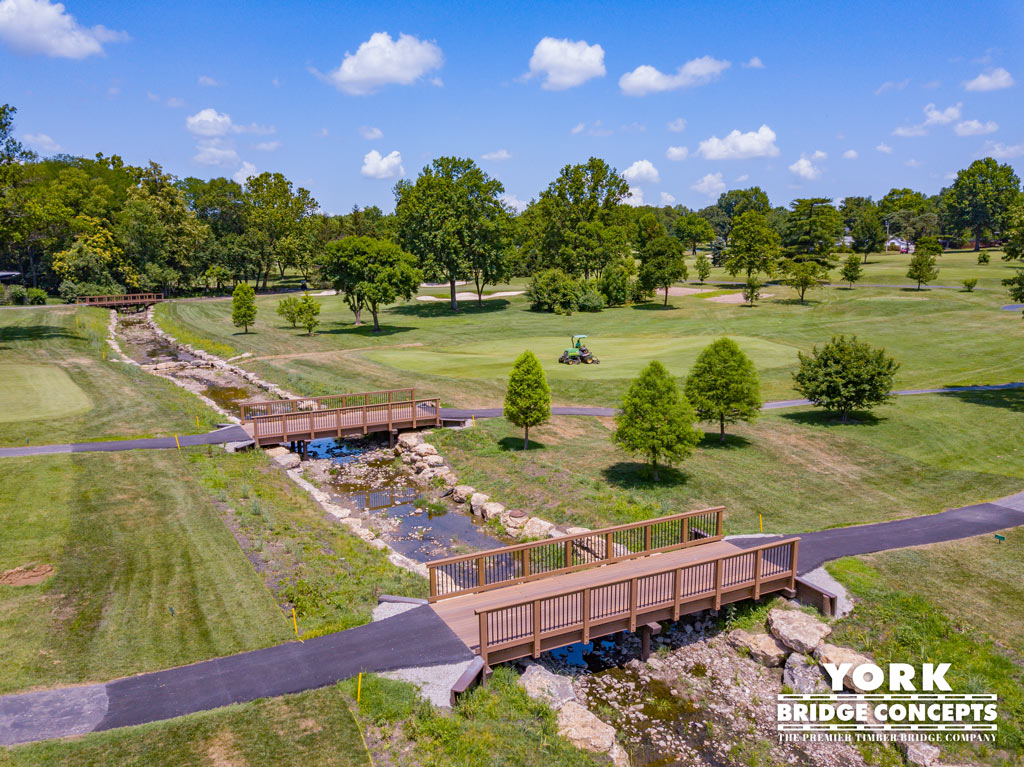
The Westborough Country Club Golf Cart Bridges project in St. Louis, Missouri exemplifies how thoughtfully engineered crossings can blend naturally into a course environment while delivering exceptional durability and low maintenance performance. Designed and built by York Bridge Concepts, this collection of four custom golf cart bridges was created as part of a larger stream restoration initiative intended to improve both the environmental performance and overall aesthetics of the property.
Specifications
| Widths: | 8’ - 10’ (7’1” - 9’1” clear) |
| Lengths: | 32’ - 41’ |
| Heights: | 4’ - 6’ |
| Capacity: | 5 Ton GVW |
| Construction: | Ground Up |
| Span Type: | Multiple Span |
| Material: | CCA/CA-C Treated Southern Yellow Pine |
| Foundation: | Timber Piles (Acrylic/Polymer Coated where exposed) |
| Stringers: | SYP Timber (Acrylic/Polymer Coated where exposed) |
| Vehicular Deck System: | 1.5” SYP Subdeck 1.0” Composite Top Deck |
| Guard Rail: | Decero™ Picket Design Series |
| Crossing: | Restored Stream |
"We learned about YBC through a club member. They have an outstanding reputation and we were impressed with the excellent value presented in the initial sales process, which was ultimately delivered on. The YBC team was very detailed-oriented and efficient. They verified our existing engineering and improved upon it. The follow-up was excellent. We appreciate the design of the four bridges as they blend beautifully with the character of our course and add consistency to the property while reducing maintenance requirements."
Enhancing the Golf Course Experience with Custom Golf Cart Bridges
Modern golf course design is about much more than the game itself. Today’s private clubs and luxury golf communities are expected to deliver immersive experiences that combine recreation, hospitality, landscape architecture, and environmental stewardship. Well-designed golf cart bridges help unify these elements by providing safe, visually appealing connections throughout the course.
At Westborough Country Club, the goal was to introduce crossings that reflected the elegance of the surrounding landscape while standing up to the daily demands of golf cart traffic, maintenance vehicles, and changing weather conditions. The club sought a solution that would complement the rolling greens and restored stream corridors without creating high maintenance obligations for staff.
The resulting bridge system delivers exactly that balance. Each crossing incorporates warm architectural finishes, durable decking systems, and sleek railing profiles that reinforce the club’s upscale atmosphere while supporting long-term operational efficiency.
For golf courses and private communities, golf cart bridges are increasingly viewed as signature architectural features. A thoughtfully designed crossing can enhance sightlines, frame water features, improve circulation, and create memorable moments throughout the property.
Sustainable Golf Cart Bridges Designed for Sensitive Landscapes
Environmental stewardship has become a major priority for golf course developers, municipalities, and private clubs across the country. Sustainable construction strategies are especially important when projects involve streams, wetlands, floodplains, ponds, or protected environmental corridors.
The Westborough project demonstrates how sustainable golf cart bridges can integrate into environmentally sensitive areas while minimizing long-term impact. The crossings were constructed as part of a stream restoration effort intended to improve the course’s natural systems and water management performance.
Timber remains one of the most sustainable structural materials available for bridge construction because it is renewable, stores carbon naturally, and requires significantly less embodied energy than many conventional building materials. According to the USDA Forest Service, responsibly sourced wood products can contribute to lower carbon footprints and improved sustainability outcomes in construction applications.
Additional information regarding sustainable wood construction can be found through the USDA Forest Service Wood Innovations Program.
At York Bridge Concepts Sustainability Initiatives, sustainable bridge construction is approached holistically through design, engineering, material selection, and field construction methods. Prefabricated bridge components and efficient installation strategies help reduce disruption to golf course operations and surrounding environments.
The ability to minimize heavy disturbance around streams and environmentally sensitive corridors is particularly valuable for golf courses where preserving the natural beauty of the landscape is essential to the member experience.
Architecturally Refined Golf Cart Bridge Design
The bridges at Westborough Country Club were intentionally designed to complement the course’s refined aesthetic rather than overpower it. The project team focused on creating clean architectural lines, cohesive material selections, and a sophisticated color palette that blended naturally with the surrounding landscape.
Each bridge incorporates sleek composite wear decking and composite rails accented by crisp black metal picket systems. The bridge finishes include warm brown and deep carbon tones applied through the York Timber Protective Systems™ coating process, helping the structures harmonize with the greens, fairways, and wooded surroundings.
This type of architectural customization is one of the defining characteristics of premium golf cart bridges. Rather than using generic prefabricated structures, custom timber bridge systems can be tailored to match the visual identity of the club, community, or resort.
Golf course architects and developers often integrate custom railing systems, decorative post caps, color-matched finishes, and specialized decking materials to create a signature look that reflects the personality of the property.
Explore additional inspiration within the York Bridge Concepts Design Center.
Low Maintenance Golf Cart Bridges for Long-Term Performance
For golf course operators and property managers, reducing long-term maintenance requirements is critical. Traditional bridge systems can become costly when constant repainting, corrosion repair, or structural rehabilitation is required.
The Westborough golf cart bridges were specifically designed to reduce maintenance demands while maximizing durability.
Several key features contribute to the low maintenance performance of these crossings:
- Composite wear decking helps resist moisture intrusion and surface deterioration.
- Protective coating systems shield exposed timber components from weathering and UV exposure.
- High-quality structural timber components provide long-term strength and resilience.
- Streamlined detailing reduces water retention and material degradation over time.
Golf courses often operate in environments with significant moisture exposure from irrigation systems, ponds, streams, rainfall, and humidity. Because of this, bridge protection systems play a critical role in extending service life and preserving appearance.
The York Timber Protective Systems™ approach focuses on enhancing climate protection, reducing maintenance obligations, and maximizing structural longevity.
Durable Golf Cart Bridges Engineered for Daily Use
While aesthetics are important, golf cart bridges must also be engineered to perform reliably under daily operational conditions. These crossings are subjected to repetitive traffic from golf carts, maintenance vehicles, groundskeeping equipment, and pedestrians.
The Westborough bridges were designed with 5-ton gross vehicle weight capacities and multiple-span structural systems engineered for durability and safety.
Bridge specifications for the project include:
- Widths ranging from 8 to 10 feet
- Lengths ranging from 32 to 41 feet
- Multiple-span structural design
- Timber pile foundations
- Southern Yellow Pine structural systems
- Composite wear decking
- Decero™ Picket Design Series rail systems
These engineered structural systems provide the strength necessary to support operational loads while maintaining a visually refined appearance.
Learn more about bridge engineering standards through the American Association of State Highway and Transportation Officials (AASHTO).
The Role of Golf Cart Bridges in Luxury Golf Communities
Across the country, golf communities are increasingly investing in golf cart bridges as part of broader placemaking strategies. Bridges no longer serve only as utility structures. Instead, they contribute to branding, community identity, and overall property value.
At luxury golf communities, bridges often connect:
- Clubhouses
- Practice facilities
- Cart paths
- Residential neighborhoods
- Waterfront amenities
- Trails and pathways
- Resort accommodations
Because these crossings become highly visible throughout the course experience, their design quality directly influences how visitors and residents perceive the property.
The Westborough Country Club project demonstrates how golf cart bridges can reinforce a club’s prestige while improving connectivity and functionality.
Custom Finishes that Create a Lasting Legacy
One of the defining features of many York Bridge Concepts projects is the use of distinctive architectural finishes and customized detailing. These finish systems are intended to create structures that feel timeless while remaining durable in demanding outdoor environments.
At Westborough, the bridge finishes were selected to complement the natural tones of the course while enhancing the visual sophistication of the crossings. Warm earth-toned coatings paired with dark accents create a clean, upscale aesthetic that aligns with the club’s identity.
Legacy-inspired finishes not only enhance appearance but also contribute to long-term protection by helping shield timber components from moisture, UV exposure, and environmental wear.
For clubs and developers seeking signature golf cart bridges, finish customization can include:
- Natural timber tones
- Contemporary monochromatic palettes
- Coastal-inspired finishes
- Rustic lodge aesthetics
- Modern composite accents
- Decorative railing enhancements
- Custom post caps and lighting
This level of customization allows golf cart bridges to become integrated architectural elements rather than standalone utility structures.
Golf Cart Bridges Built Around the Design-Build Process
A major advantage of working with York Bridge Concepts Design-Build Services is the streamlined integration of design, engineering, and construction services.
For the Westborough project, the Design-Build process allowed the team to evaluate site conditions, align the bridge aesthetics with the course environment, and coordinate construction efficiently around the club’s operational needs.
The Design-Build approach can help reduce delays, improve communication, and create greater consistency between conceptual vision and final execution.
For golf courses, this process is especially valuable because construction activities often need to be coordinated around seasonal operations, tournaments, member access, and environmental considerations.
Minimal Site Disruption During Construction
Golf courses present unique construction challenges because preserving course playability and aesthetics is essential throughout the project lifecycle. Excessive disruption can impact member experience, landscaping, drainage systems, and ongoing operations.
Efficient construction strategies help minimize disturbance while accelerating installation timelines. Prefabricated bridge components and experienced field teams can significantly reduce the amount of time required for on-site assembly.
The Westborough project benefited from a coordinated construction process focused on quality craftsmanship, precision installation, and minimizing impact on the surrounding landscape.
This approach aligns with broader industry trends emphasizing sustainable and low-impact construction practices for golf course infrastructure.
Minimal Site Disruption During Construction
Timber golf cart bridges continue to gain popularity among golf course architects, developers, municipalities, and resort operators because they offer a unique combination of beauty, sustainability, and engineering performance.
Key benefits include:
Natural Aesthetics
Timber bridges blend naturally into golf course environments, wooded landscapes, and water crossings. Their organic appearance often complements the visual character of luxury golf communities more effectively than concrete or steel alternatives.
Sustainability
Timber is renewable, carbon-storing, and environmentally responsible when sourced through sustainable forestry practices.
Design Flexibility
Custom timber bridges can accommodate a wide variety of architectural styles, railing systems, decking materials, and finish palettes.
Long-Term Durability
Modern engineering methods, protective coatings, and advanced detailing help timber bridges achieve impressive service life performance.
Lower Maintenance Requirements
Protective systems and composite materials can significantly reduce upkeep compared to traditional bridge systems.
Enhanced Guest Experience
Architecturally refined golf cart bridges elevate the overall experience for members, residents, and visitors.
A Signature Addition to the Westborough Country Club
The completed golf cart bridges at Westborough Country Club now serve as signature elements woven throughout the property’s landscape. Their clean architectural profiles, durable material selections, and environmentally conscious construction approach reflect the club’s commitment to quality and long-term stewardship.
The project also illustrates how golf cart bridges can successfully balance:
- Functionality
- Sustainability
- Durability
- Architectural refinement
- Low maintenance performance
- Environmental sensitivity
For golf courses, resorts, and master-planned communities seeking to improve connectivity while enhancing aesthetics, custom timber golf cart bridges offer a compelling long-term solution.
Designing Golf Cart Bridges for the Future
As golf course design continues evolving, infrastructure expectations are changing as well. Clubs and communities increasingly seek crossings that support not only operational functionality but also sustainability goals, visual identity, and long-term asset performance.
Modern golf cart bridges are now expected to:
- Complement luxury course aesthetics
- Support environmental stewardship initiatives
- Reduce maintenance burdens
- Withstand harsh outdoor conditions
- Improve guest and member experience
- Integrate naturally into the landscape
The Westborough Country Club project demonstrates how custom timber golf cart bridges can accomplish all of these objectives simultaneously.
Whether crossing restored streams, wetlands, ravines, ponds, or landscaped fairways, thoughtfully designed golf cart bridges help create more connected, memorable, and visually compelling golf environments.
Explore additional golf course bridge inspiration through the following resources:
- Bridges for Golf Courses: Sustainable Golf Cart Bridge Design Guide
- Golf Cart Bridge Portfolio
- Vehicular Bridge Design Gallery
- Sustainable Timber Bridge Construction
- Bridge Protection & Refurbishment Services
From private country clubs to destination golf resorts, custom golf cart bridges continue to shape the future of golf course infrastructure through sustainable engineering, timeless aesthetics, and durable performance built to leave a lasting legacy.