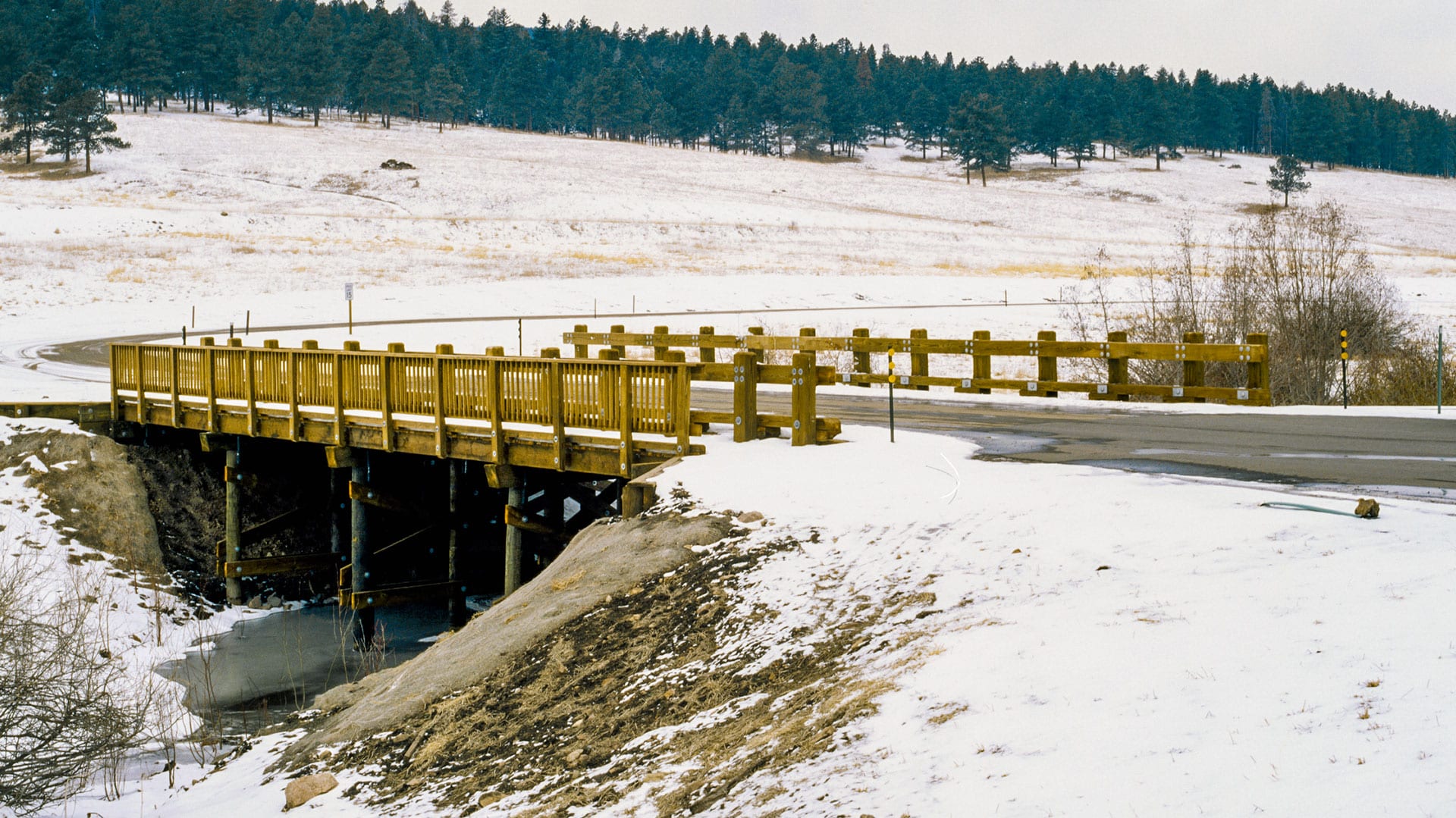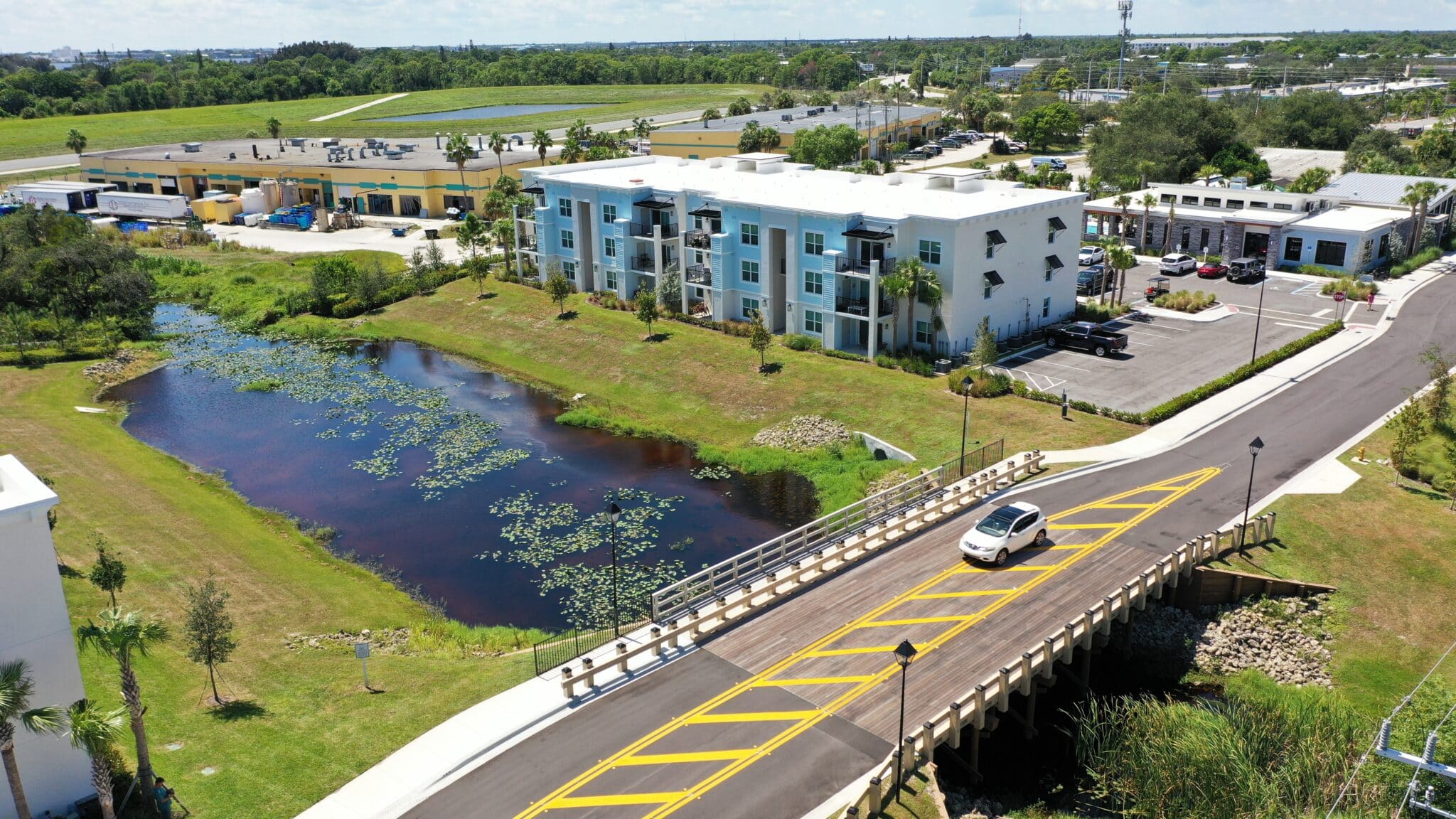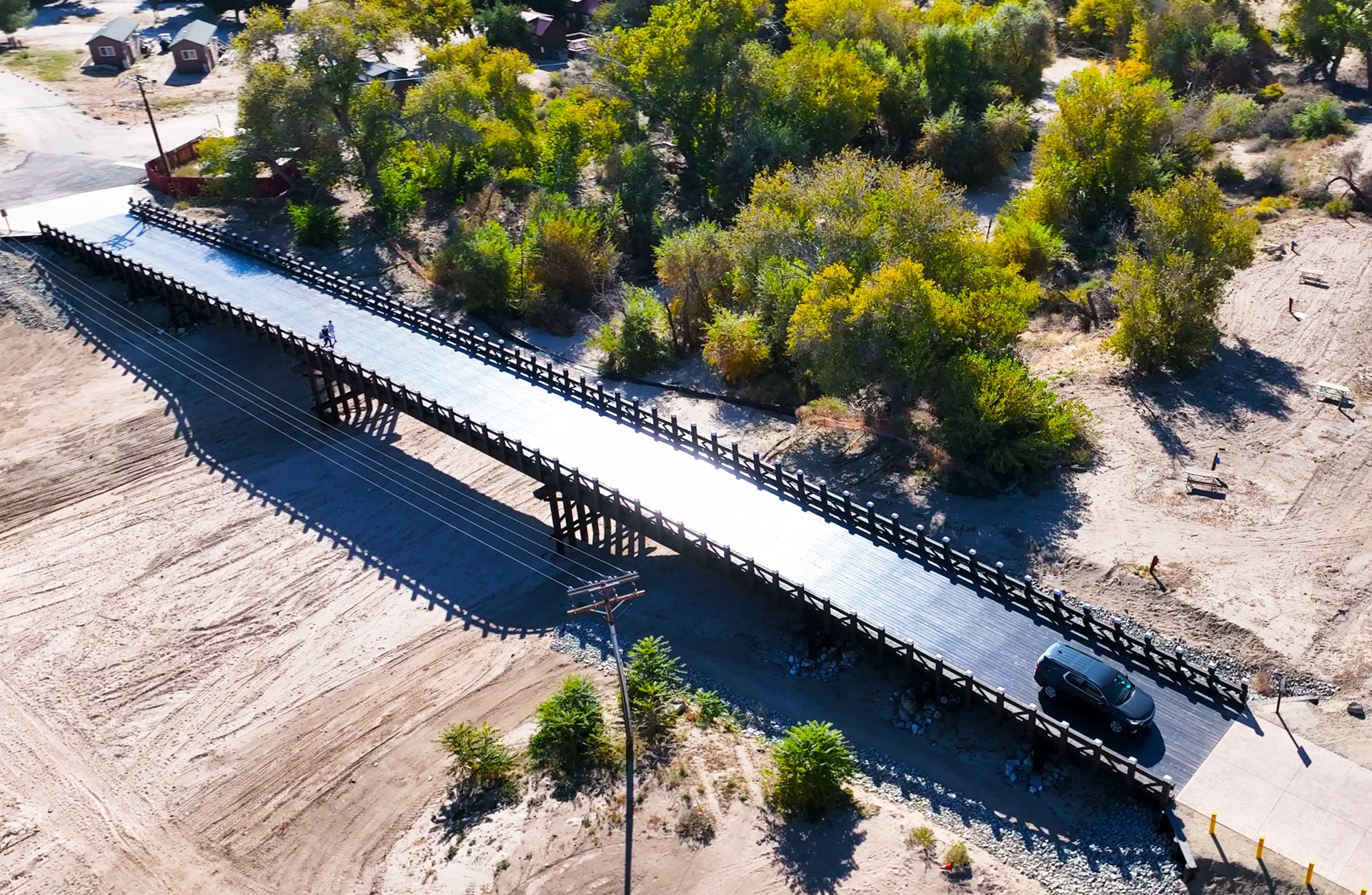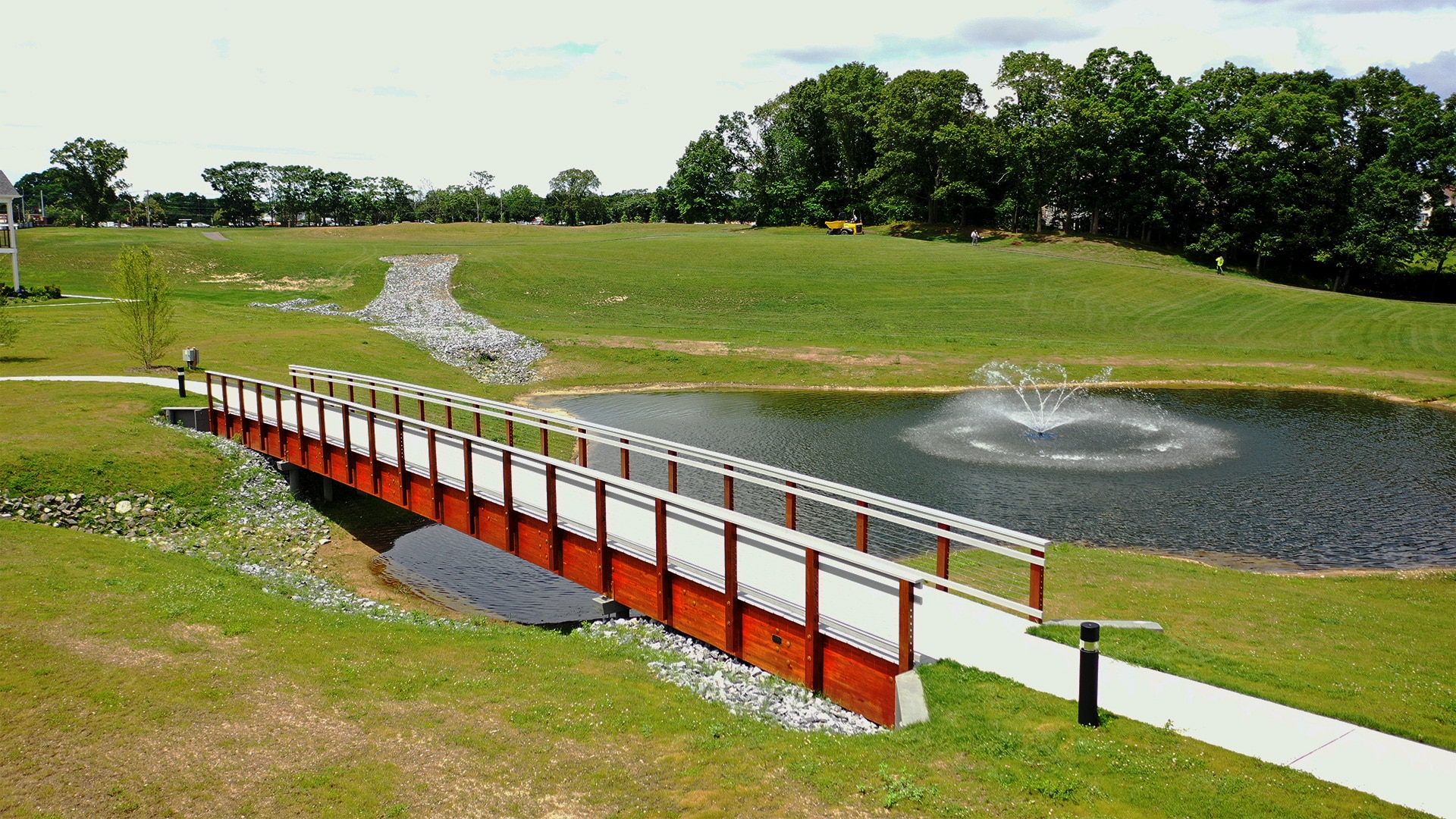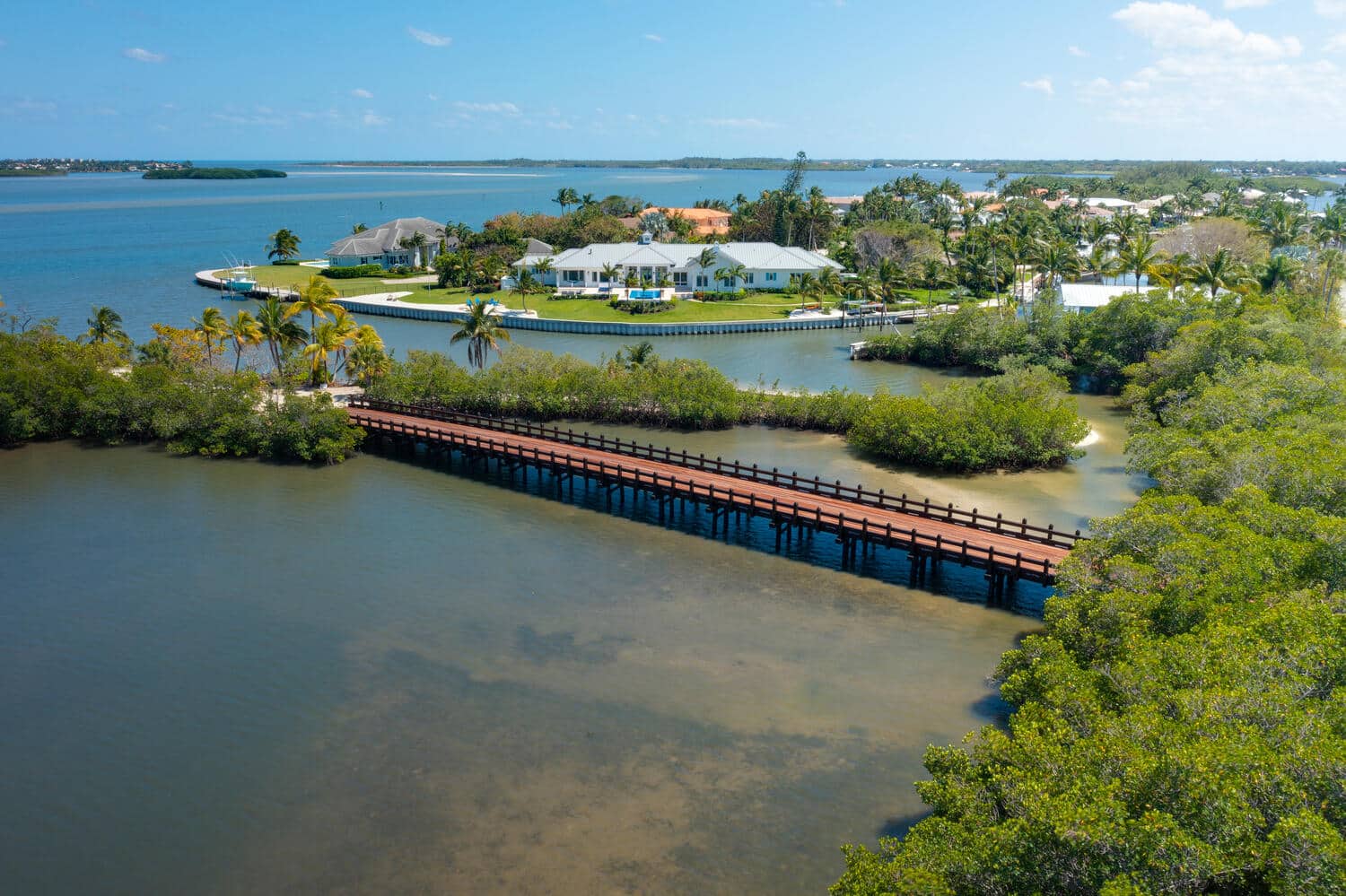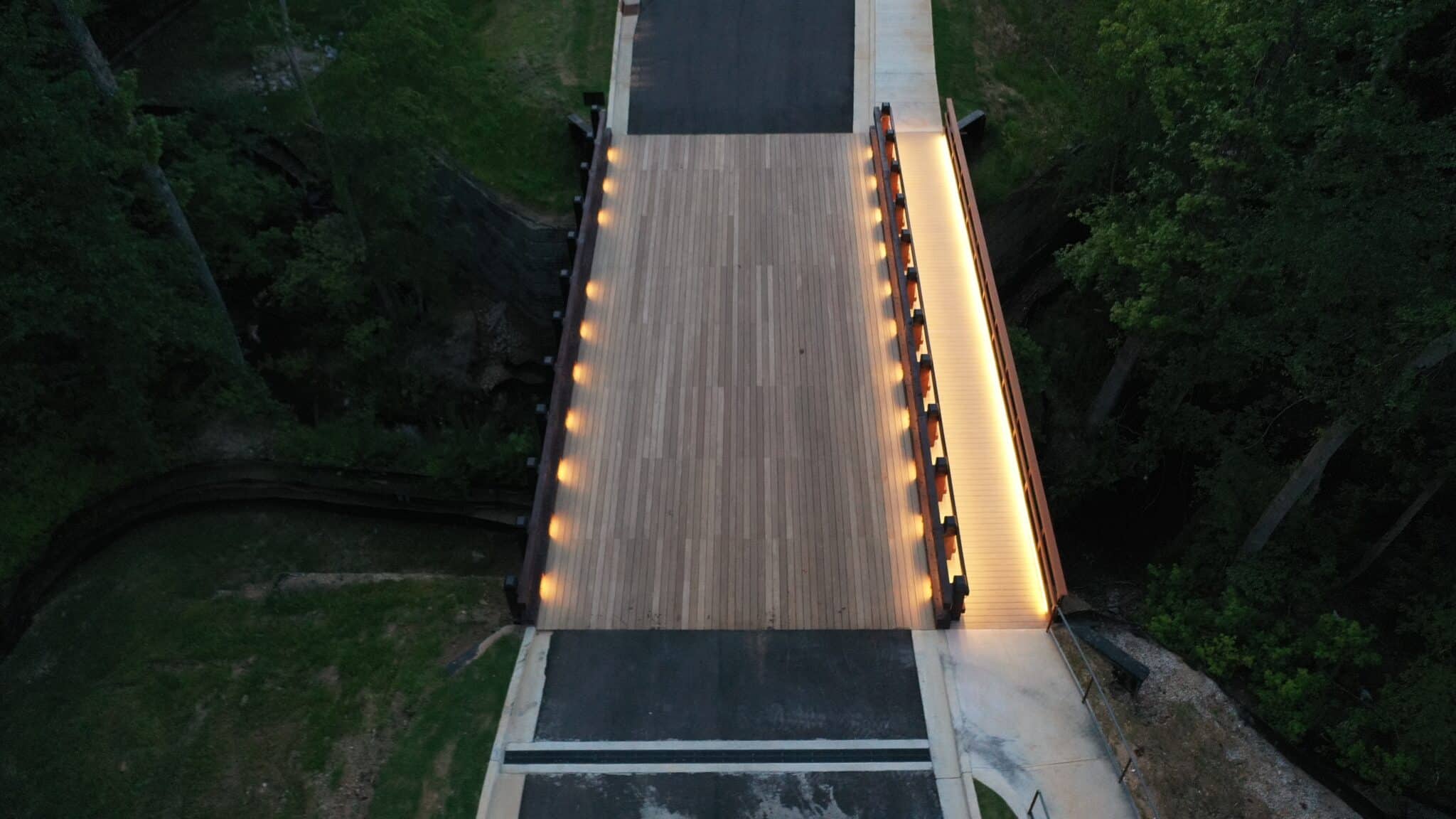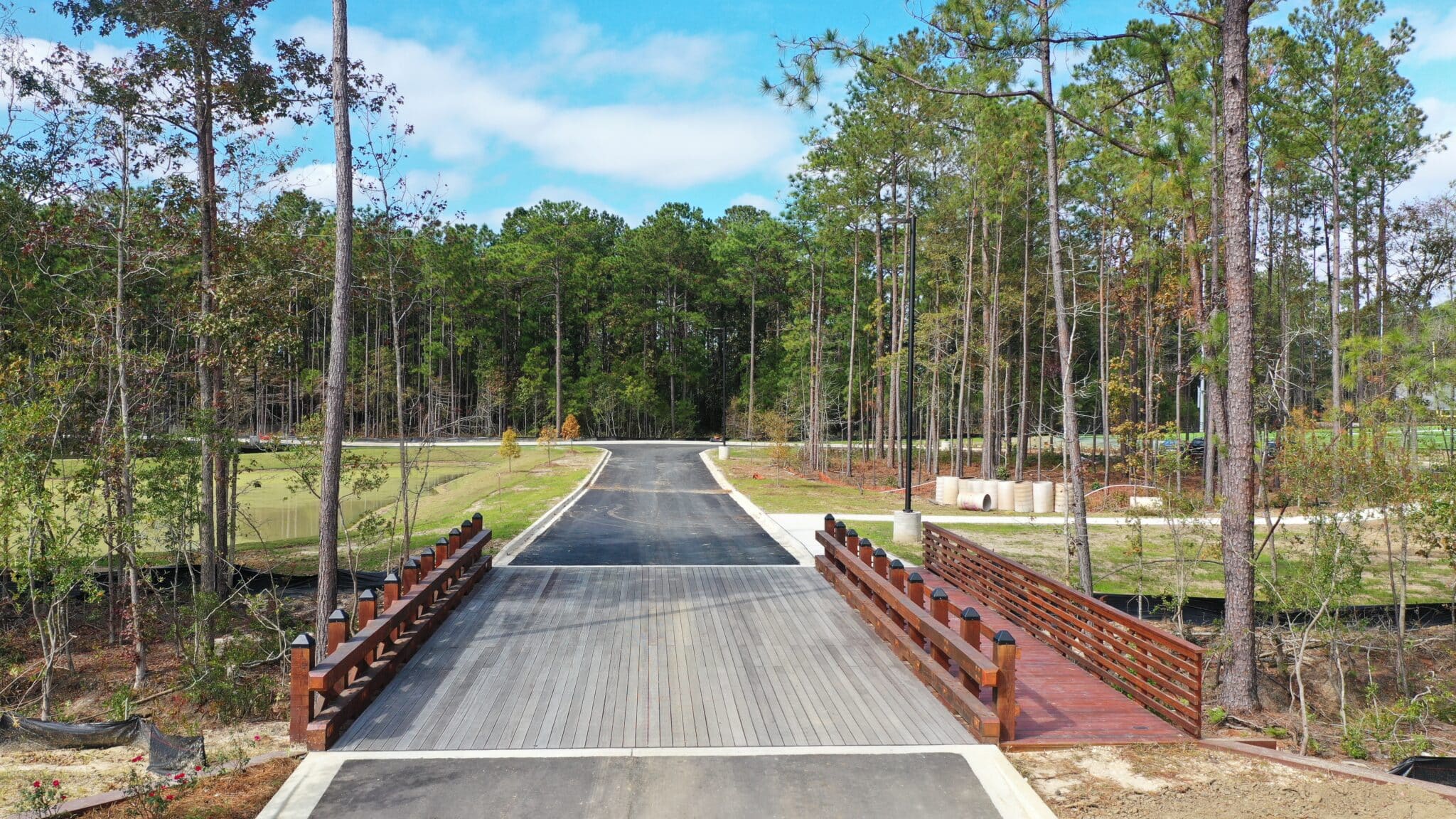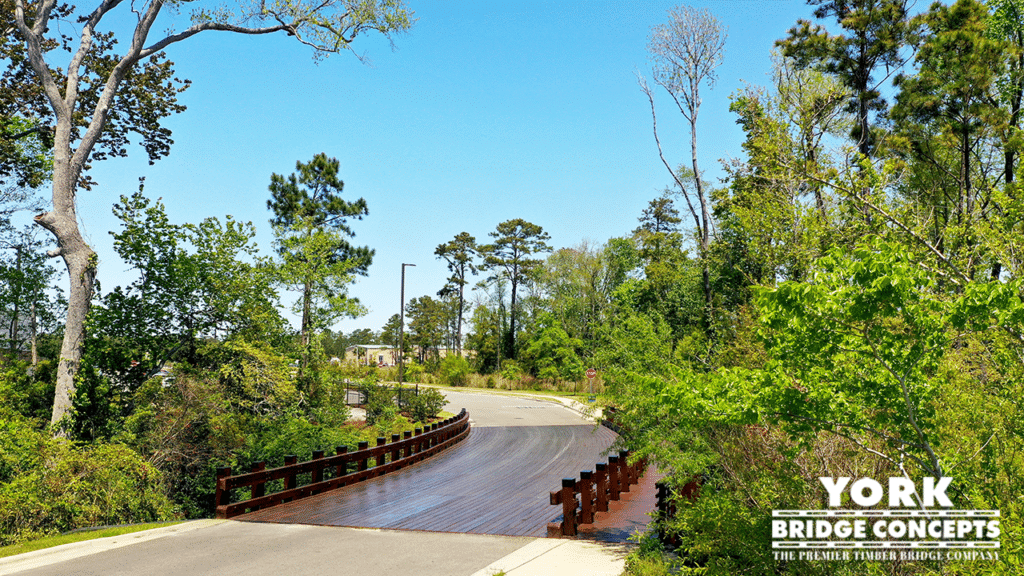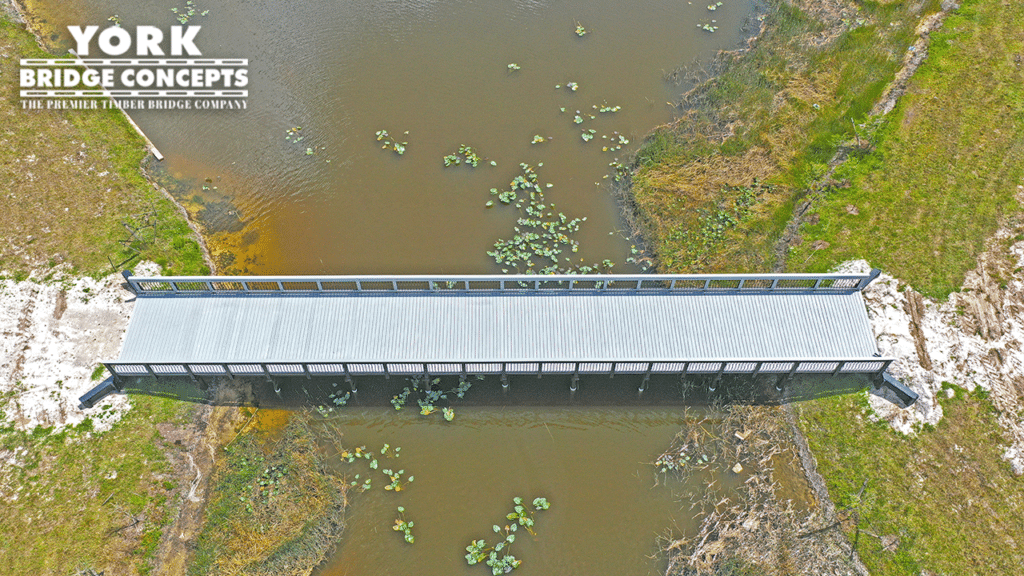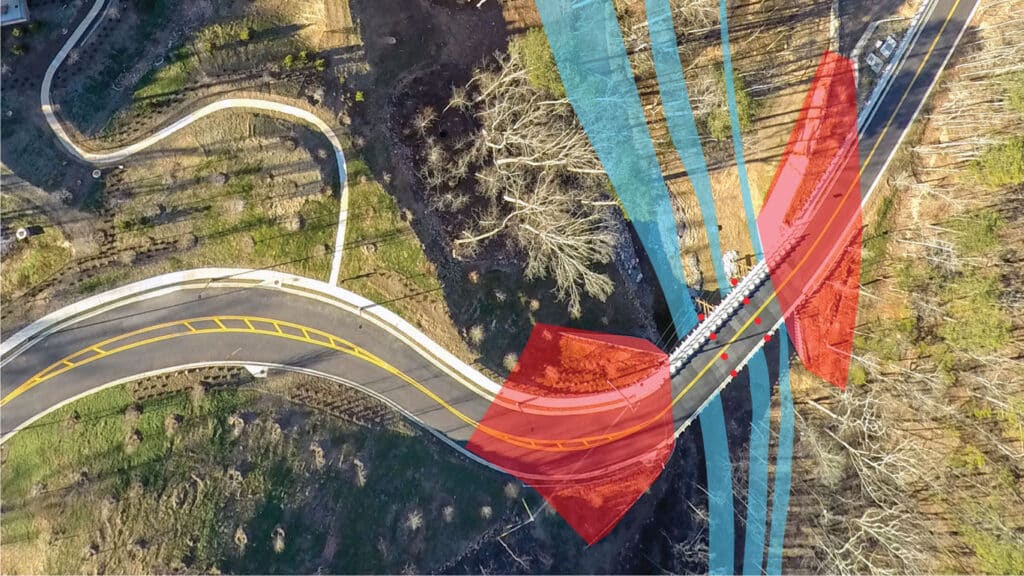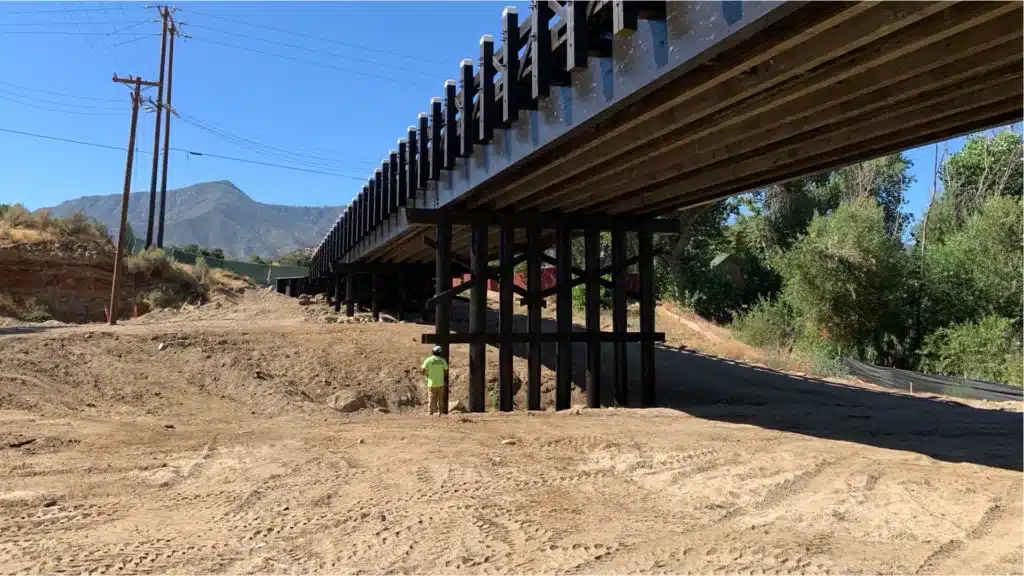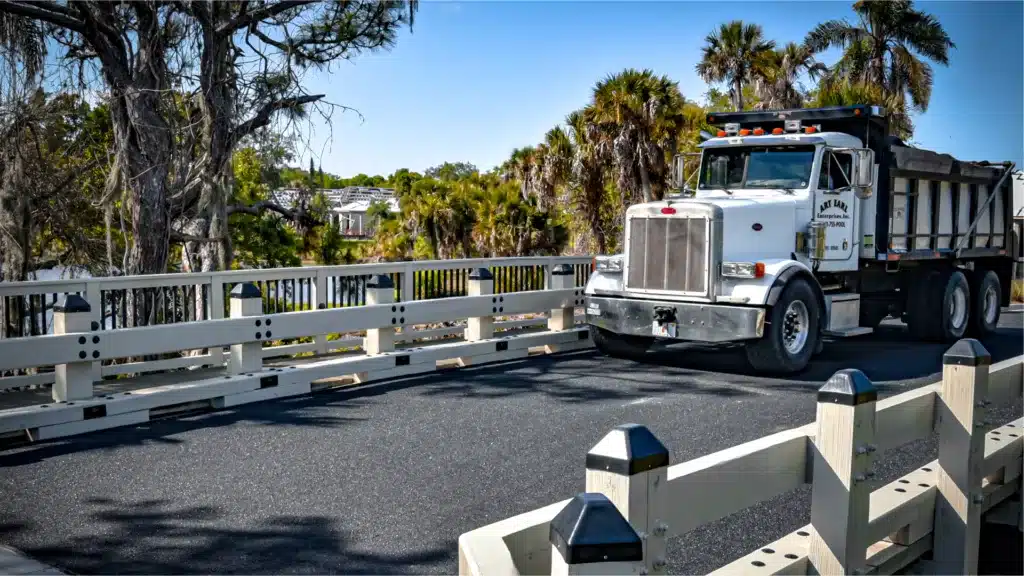
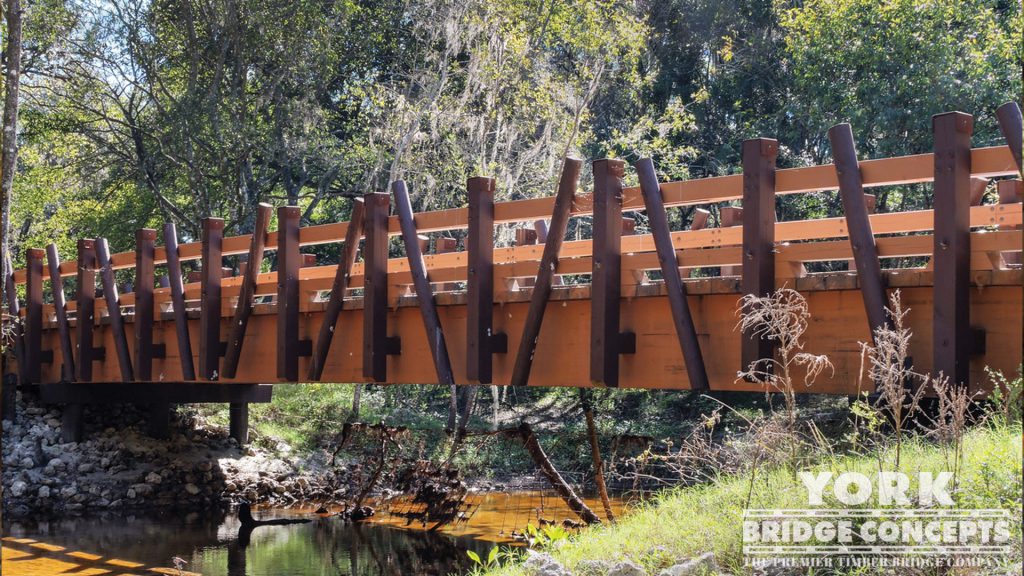
The Cone Ranch Vehicular Bridges, crafted by York Bridge Concepts (YBC), stand as exemplary models of sustainable infrastructure within Florida's Lower Green Swamp Preserve. These timber bridges not only facilitate access across the preserve's diverse landscapes but also embody a harmonious blend of engineering prowess and environmental stewardship.
These bridges were designed not only with accessibility in mind but also as a tool for land management and emergency response within the preserve. Prior to their installation, certain areas of the Lower Green Swamp were difficult to reach with maintenance or safety vehicles, making long-term land management more complicated. The bridges allow Hillsborough County staff and environmental teams to reach remote areas more efficiently, enabling better oversight, restoration, and safety responses when needed.
A Legacy of Preservation: The Lower Green Swamp Preserve
Formerly known as Cone Ranch, the Lower Green Swamp Preserve encompasses nearly 13,000 acres of protected land in northeastern Hillsborough County. This expansive area serves as a vital wildlife corridor and houses the headwaters of four significant rivers, including the Hillsborough River. The preserve's transformation from ranchland to a conservation haven underscores Hillsborough County's commitment to environmental preservation and public recreation.
The preserve plays a crucial role in regional biodiversity, providing habitat to endangered species like the gopher tortoise and Florida sandhill crane. Its flatwoods, wetlands, and hardwood hammocks are home to hundreds of native plants and animals. The shift from ranchland to preservation status also enabled the county to improve water management efforts across the watershed, protecting water quality and reducing flood risks downstream. Through careful planning and infrastructure like YBC's timber bridges, the county has reimagined Cone Ranch as a cornerstone of ecological resilience in Central Florida.
In addition to ecological protection, the preserve offers residents and visitors the opportunity to engage with Florida's natural landscapes in meaningful ways. From educational programs and guided hikes to birdwatching and photography, Cone Ranch has become a living classroom--a place where visitors can witness firsthand the positive impact of thoughtful land use and sustainable infrastructure.
York Bridge Concepts: Pioneering Sustainable Eco-Friendly Bridges
York Bridge Concepts, renowned for their expertise in eco-friendly bridge construction, was entrusted with the design and implementation of vehicular bridges within the preserve. Their approach emphasizes sustainability, durability, and aesthetic integration with natural surroundings. By utilizing their proprietary Decero™ design methodology, YBC ensures each bridge is tailored to its specific environment, minimizing ecological disruption during construction.
YBC's Decero™ Design Studio approach was particularly vital to the Cone Ranch project, where construction had to proceed without impacting sensitive ecosystems or hydrological functions. Each bridge was engineered based on site-specific data, including soil stability, water flow, and elevation. This zero-template philosophy allowed YBC to avoid overbuilding or under-designing--producing infrastructure that is precise in its performance, visually discreet, and structurally sound.
YBC also ensured that all timber used for this project came from renewable, sustainably managed sources. The choice to use Southern Yellow Pine, a regionally abundant material, reduced transportation emissions while supporting domestic forestry. Combined with protective polymer coatings, the material selection extends the lifecycle of the bridges, reducing the need for future resource-intensive repairs or replacements.
Collaboration between YBC and local environmental consultants further ensured the bridges would support long-term ecological goals. In every phase--from permitting to final inspection--the team prioritized environmental compatibility over ease of construction, a decision that reflects YBC's philosophy of leadership through sustainable innovations.
Design & Construction: Merging Functionality With Nature
The vehicular bridges at Cone Ranch are constructed using Southern Yellow Pine, treated to withstand Florida's humid climate and resist decay. The design incorporates rounded timber accents and elevated guiderails, enhancing both safety and visual appeal. YBC's top-down construction technique further reduces environmental impact by eliminating the need for extensive ground disturbance, preserving the integrity of the surrounding ecosystems.
Top-down construction, a hallmark of YBC's environmentally sensitive practices, is particularly important in wetland environments like Cone Ranch. Rather than disturbing root systems or compacting soil with heavy machinery, YBC installs the bridge from above -- working outward from pre-established points using cantilever methods. This reduces erosion, avoids the destruction of native understory plants, and preserves critical soil microbiomes that support the area's hydrology and plant growth.
The bridges themselves were engineered with resilience in mind. Given Florida's unpredictable weather, including tropical storm and flooding, the bridges were elevated to allow water and debris to pass freely during high-flow events. The guiderails were not only aesthetically matched to the wooded surroundings but also designed to be highly visible and safe for light-duty vehicular traffic, including county maintenance and emergency vehicles.
Every detail --from the galvanized steel hardware to the composite end caps -- was chosen to resist corrosion, UV exposure, and pest damage. These details may go unnoticed by the average visitor but are crucial to ensuring the longevity and performance of the structures in a high-moisture environment.
Enhancing Public Access Recreation
The installation of these vehicular bridges has significantly improved accessibility within the preserve, facilitating activities such as hiking, horseback riding, and wildlife observation. By providing safe and reliable crossings over creeks and wetlands, the bridges enable visitors to explore the preserve's diverse habitats without compromising the area's ecological balance.
Increased access through these timber bridges has allowed Hillsborough County to expand its networks and offer more recreational opportunities. Equine-friendly routes, ADA-accessible trails, and expanded loop systems are now more feasible thanks to the new crossings. These improvements encourage broader community engagement -- from seasoned naturalists to families and school groups exploring the outdoors for the first time.
By eliminating informal crossings or makeshift pathways, the bridges also reduce the risk of environmental degradation from trampling, trail braiding, or off-trail use. The clear, well-defined access points help guide visitors along designated routes while preserving sensitive areas. This is a win-win: protecting ecosystems while enhancing recreational enjoyment.
Additionally, the bridges serve as natural pause points along the trails. Visitors often stop to view wildlife, take photos, or simply appreciate the serenity of the preserve. Their placement helps frame key scenic moments and fosters a deeper connection between people and place -- one of the central goals of any conservation-driven recreational space.
Commitment to Environmental Stewardship
YBC's involvement in the Cone Ranch project reflects a broader commitment to environmental stewardship. Their construction practices align with national environmental protection guidelines, ensuring that each project contributes positively to conservation efforts. The Cone Ranch Vehicular Bridges serve as a testament to the potential of sustainable infrastructure to support both human activity and ecological preservation.
York Bridge Concepts' stewardship goes beyond construction -- it's evident in their documentation, maintenance planning, and post-construction monitoring. By equipping Hillsborough County with maintenance protocols and product support, YBC ensures the bridges remain safe, attractive, and environmentally sound for decades to come.
Their approach sets a precedent for how infrastructure can complement conservation rather than compete with it. In an era of rapid development, Cone Ranch offers an example of how smart investment in eco-sensitive infrastructure can preserve and even enhance natural spaces. As more communities consider how to open up green spaces to the public while protecting them, the Cone Ranch bridges will continue to serve as a case study in success.
The success of this project has already sparked interest from other counties and environmental agencies seeking similar solutions. From stormwater management practices to wildlife-friendly engineering, YBC's work in Cone Ranch demonstrates the growing importance of design-build firms that center sustainability at every stage.
Conclusion
The Cone Ranch Vehicular Bridges exemplify the successful integration of sustainable engineering and environmental conservation. Through thoughtful design and construction, York Bridge Concepts has provided infrastructure that enhances public access while preserving the natural beauty and ecological integrity of the Lower Green Swamp Preserve. These bridges not only serve their functional purpose but also stand as enduring symbols of responsible stewardship and innovative design in the realm of sustainable infrastructure.
They stand as lasting infrastructure in a setting that demands care, forethought, and integrity. Whether providing access for recreational visitors, supporting land stewards in their daily work, or simply allowing water to flow freely beneath their spans, these timber bridges perform quietly and beautifully in the background of a thriving natural landscape.
As Florida and the nation look toward the future of infrastructure development, the Cone Ranch Vehicular Bridges offer an optimistic blueprint. They Prove that infrastructure can serve its purpose while celebrating -- not sacrificing -- the land it occupies. In every board, beam, and railing, these bridges carry the legacy of preservation forward.
Commonly Asked Questions (FAQs)
What is the Cone Ranch vehicular bridge?
The Cone Ranch vehicular bridge is a custom-designed bridge built by York Bridge Concepts in Plant City, Florida. It provides vehicle access throughout the Lower Green Swamp Preserve, enhancing connectivity while preserving the area's natural environment.
Why was a timber bridge chosen for Cone Ranch?
Timber was chosen for tis sustainability, aesthetic value, and low environmental impact. York Bridge Concepts' timber bridges are ideal for sensitive areas like the Lower Green Swamp Preserve due to their top-down construction methods and ecological compatibility.
Is the Cone Ranch vehicular bridge open to the public?
Yes. The bridge supports vehicle access to Cone Ranch Park and the Lower Green Swamp Preserve, which is open to the public for hiking, birding, and equestrian activities.
How does the bridge support environmental goals?
The bridge uses Southern Yellow Pine and low-impact construction techniques to protect the surrounding wetland ecosystems. It's part of Hillsborough County's effort to enhance public recreation without disturbing the preserve's delicate habitats.
Who built the Cone Ranch vehicular bridge?
York Bridge Concepts (YBC), a national leader in eco-friendly bridge construction, designed, engineered, and built the bridge using their proprietary Decero™ design approach.
How long will the bridge last?
YBC's vehicular bridges are designed for long-term durability and performance. With proper maintenance, the Cone Ranch bridge can last several decades, even in Florida's humid climate. A YBC Legacy Series bridge has a design lifespan of 75+ years.
Can the bridge handle maintenance or emergency vehicles?
Yes. The bridge is engineered to meet required vehicular load capacities, including the weight of maintenance and emergency service vehicles.
Where is Cone Ranch Park located?
Cone Ranch Park is located in Plant City, Florida, within the Lower Green Swamp Preserve--a nearly 13,000-acre conservation area in northeastern Hillsborough County.
All Feature Projects
What's Best: A Culvert Or A Timber Bridge?
What Is The Best Span Type For My Project?
Which Load Capacity I Need?
How Do I Cross An Environmentally Sensitive Area?
How Do I Create A Landmark?
How Long Does A Timber Bridge Last?
Culvert Or Bridge
If you're considering using a culvert for your crossing project. Click below to understand the best fit for your project.

Spanning Solutions
Spanning a crossing is one of the most important aspects of your crossing project. Find the best solution for your crossing needs.

Uses & Capacities
The load capacity of a timber bridge may surprise you. See specs for different loads and uses that will help your decision-making process.