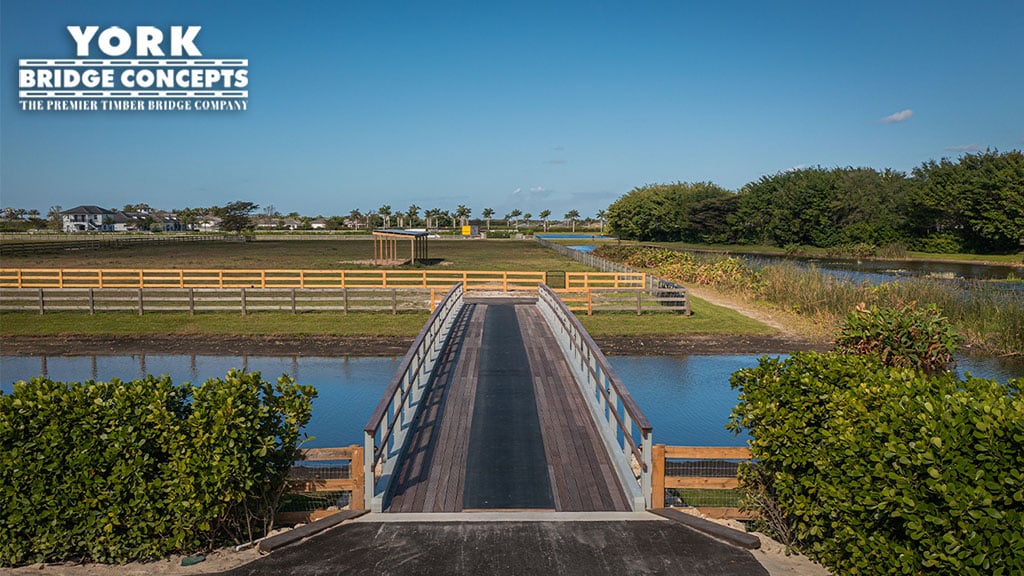
York Bridge Concepts Delivers Custom Timber Bridge for Equestrian Excellence in Wellington, FL
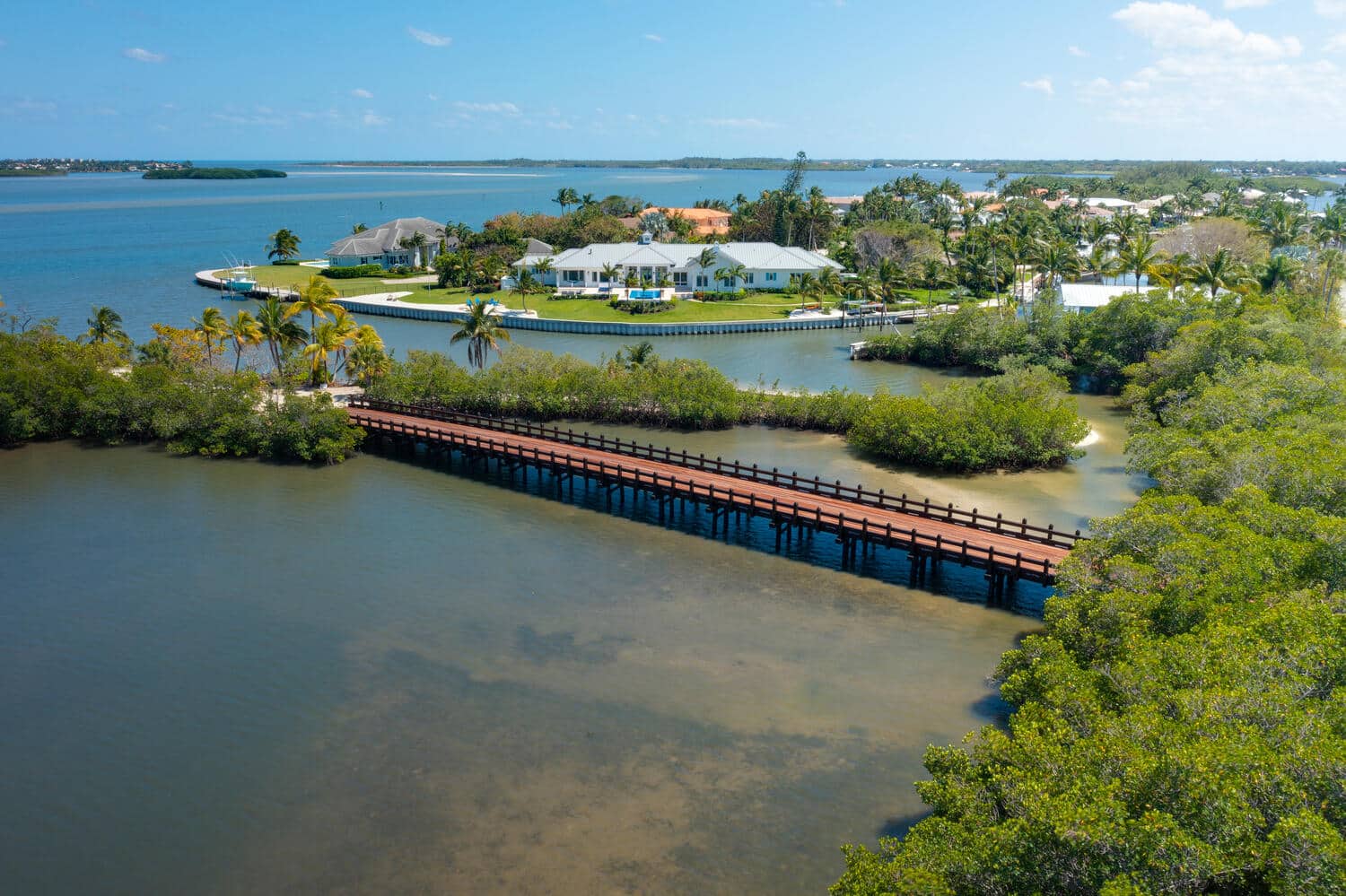
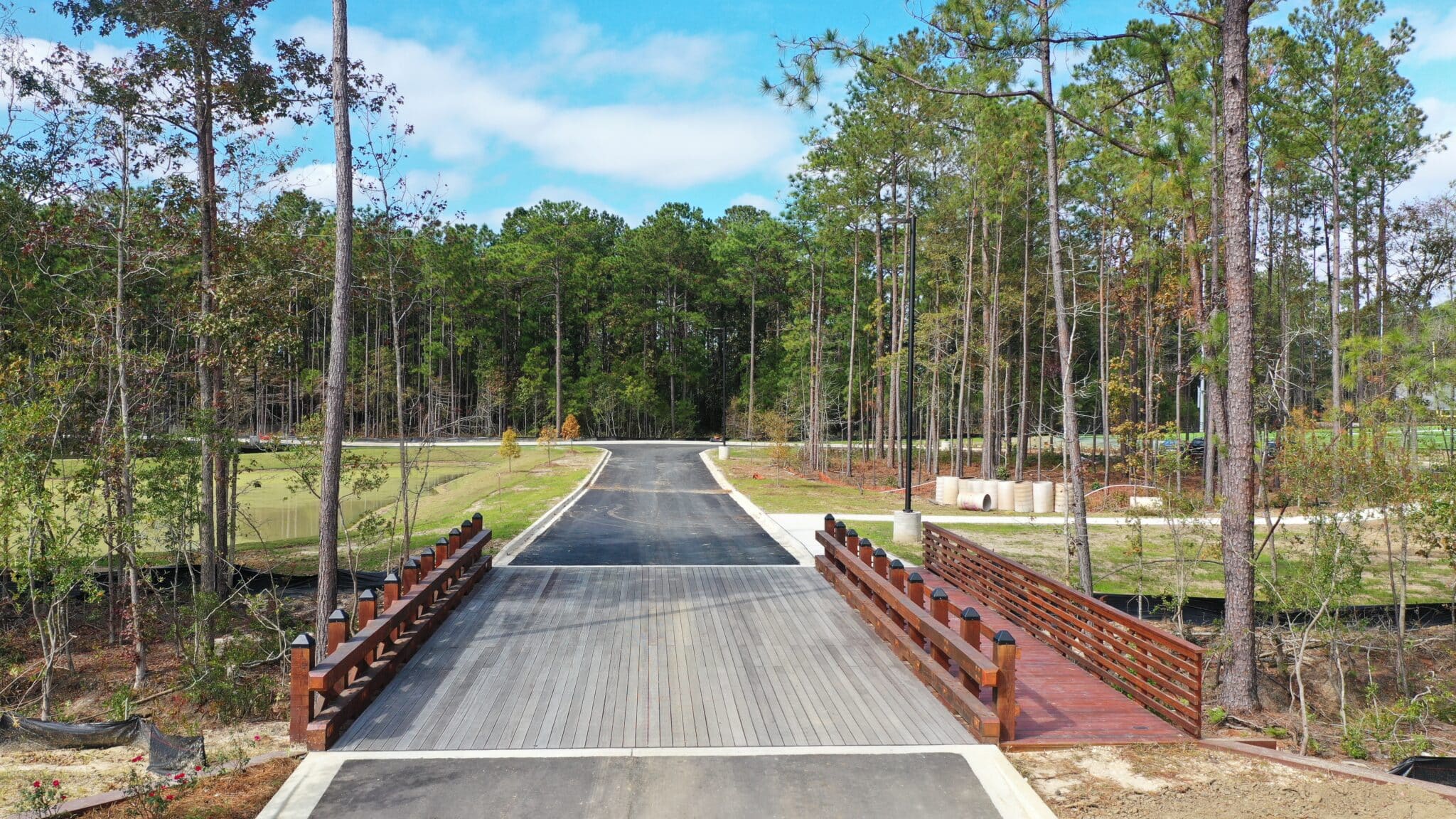
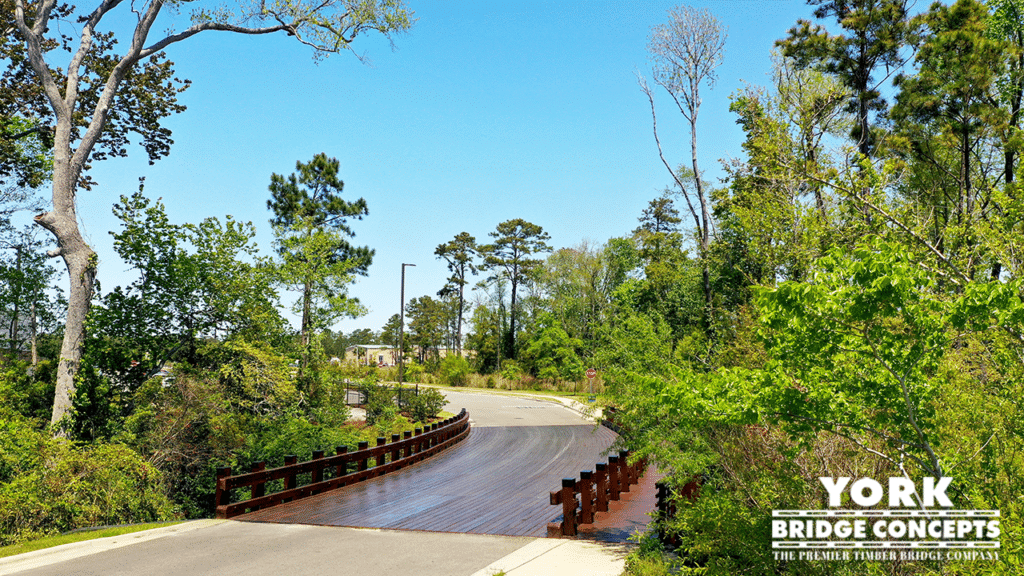
In the heart of Florida's premier horse country, Wellington, an equestrian farm now boasts a new addition that perfectly combines functionality with rustic charm. York Bridge Concepts proudly presents its latest project: a 5-ton vehicular timber bridge, specially designed to enhance the accessibility and aesthetic of a private equestrian farm. This bespoke bridge not only supports the heavy traffic of both vehicles and horse trailers but also adds an element of traditional elegance to the farm’s landscape.
Specifications
- Vehicular Width:
- 11' 10" (10' 11" clear)
- Length:
- 90'
- Height:
- 10' 9" above grade
- Capacity:
- 5-Ton GVW
- Construction:
- From Deck Level
- Span Type:
- Repetitive Span
- Material:
- CCA Treated Southern Yellow Pine & Jatoba Lumber
- Foundation:
- Timber Piles (Acrylic-Polymer Coated where exposed)
- Stringers:
- SYP S4S Stringers (Acrylic-Polymer Coated where exposed)
- Vehicular Deck System:
- 1" Jatoba Top Deck 1.5" SYP Subdeck
- Guide Rail:
- Decero™ Classic Design Series
- Crossing:
- Canal
A Bespoke Design Specifically For Equestrian Needs
Understanding the unique demands of equestrian operations, York Bridge Concepts developed a custom bridge solution that caters specifically to the needs of horse farms. The bridge supports up to 5 tons, accommodating a range of vehicles from daily farm maintenance trucks to fully loaded horse trailers. This ensures seamless and safe transportation across the farm, crucial for the efficient management of equestrian activities.
The design of the bridge also considers the serene and natural environment typical of equestrian estates. With its robust timber structure, it blends seamlessly with the rural surroundings, enhancing the visual appeal while maintaining the rustic aesthetic that is often associated with equestrian settings.
Private Equestrian Farm Bridge - Uniting Engineering, Aesthetics & Functionality
At the heart of Florida's equestrian stronghold, Wellington, we had the privilege of designing and constructing a timber vehicular bridge tailored to a private equestrian estate. This 5-ton, 90' span structure is more than a crossing--it is a statement of quality, harmony, and purpose.
In this expanded narrative, we'll walk you through:
- The equestrian environment and needs that drive bridge design
- Technical design features and structural considerations
- Material selection & treatment for longevity in Florida's climate
- Sustainability, site impact, and ecosystem sensitivity
- Construction logistics, installation, and phasing
- Maintenance strategies to preserve function and appearance
- The bridge as a landscape feature and value enhancer
- Lessons learned, customization options, and how we partner with owners.
Robust Material Selection & Construction
The choice of materials for this bridge was guided by both durability and environmental harmony. Constructed using high-grade timber, the bridge is built to withstand the humid Florida climate and resist the corrosive effects of frequent rains and intense sun. The wood is treated with eco-friendly preservatives to extend its lifespan without harming the surrounding natural environment.
Additionally, the construction process was meticulously planned to minimize the impact on the farm's daily operations. York Bridge Concepts' team of experts ensured that installation was swift and efficient, resulting in minimal disruption to the farm's activities.
Understanding the Equestrian Environment & Requirements
Unique Demands of Horse Farms
Equestrian properties are not generic rural parcels. They have a distinct set of operational needs, aesthetic sensibilities, and risk factors:
- Vehicle and trailer traffic: On a working equestrian farm, one regularly moves feed trucks, maintenance vehicles, horse trailers, vet trucks, and occasional event or guest traffic. The bridge must support dynamic loads and variable weights.
- Animal safety & comfort: Bridges used in equestrian settings must consider horses' responses. Narrow rails, abrupt transitions, or slippery surfaces are undesirable.
- Landscape integration: The look and feel of the crossing should complement paddocks, pastures, barns, and the property's architectural style. A steel-and-concrete overpass is often visually discordant.
- Waterways, canals, drainage: Many equestrian farms in Florida cross canals or drainage ditches. The bridge needs to span these cleanly without impeding water flow or causing flooding or scour issues.
- Environmental constraints: Proximity to wetlands, soil conditions, and Florida's high water table may impose foundation and construction constraints.
From the start, those constraints and demands guide the design decisions.
Enhancing The Accessibility To Stables & Equestrian Facilities
One of the primary benefits of the new timber bridge is the improved accessibility it offers across the farm. The bridge facilitates easy movement between different parts of the property, crucial for the effective management of horses and the smooth operation of equestrian events. It is designed to accommodate a variety of loads, ensuring durability and safety for all users, from farm workers to guests visiting for equestrian showcases.
Design Features & Structural Considerations
Span, Width & Load
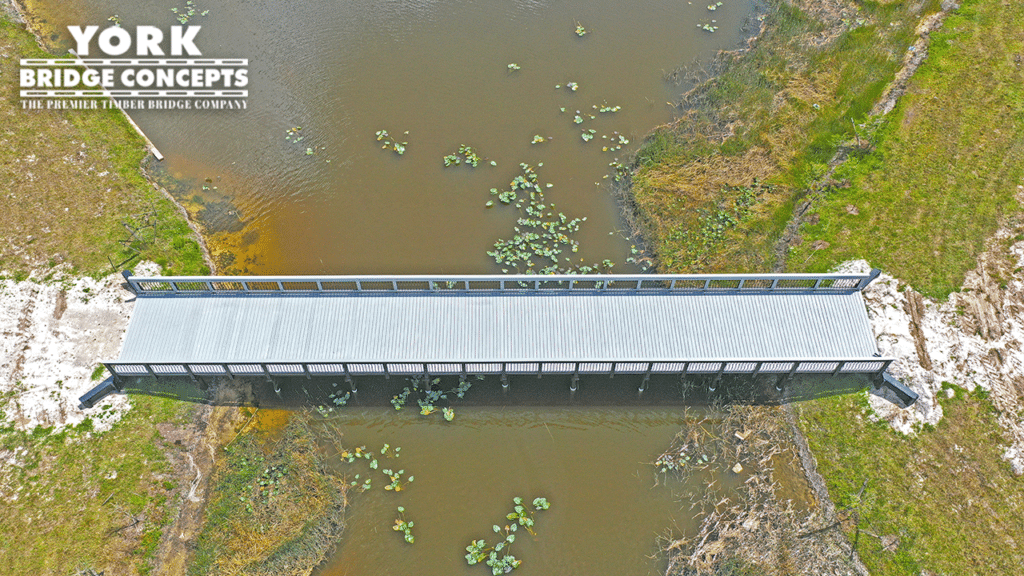
- Span length & clearance: Our design called for a 90' span to cross the existing canal with adequate clearance. The height above grade was set to 10'9", allowing for natural hydraulic behavior during high water conditions.
- Width: We provided an 11' 10" vehicular width (10' 11" clear). This ensures safe passage of standard farm trucks and trailers while maintaining a compact, elegant profile.
- Load capacity: The structure was engineered to support a 5-ton (GVW) load. This accommodates most farm service trucks and horse trailers, with a safety margin built in.
Structural Form & Span Type
- Repetitive span system: We employed a repetitive-span configuration, disturbing loads across multiple modules. This approach helps manage stresses, reduces deflection, and allows for modular construction.
- Deck-on-top structure: The bridge is built from deck level up, meaning the driving surface and overlay are situated above structural beams, allowing minimal disturbance below.
- Support system: Timber piles form the foundation. Where they are exposed above grade, we apply acrylic-polymer coatings to improve durability in Florida's humid, wet environment.
- Stringers: The structure uses Southern Yellow Pine (SYP) S4S stringers, also coated where exposed. These stringers carry vertical load from the deck to the supports.
- Deck structure: The vehicular deck is a composite of 1" Jatoba (hardwood) top layer over 1.5" SYP subdeck. Jatoba provides a robust, wear-resistant surface; the subdeck handles load distribution.
- Guide rail & safety features: We specified our Decero™ Classic Design Series guardrails. These visually complement the timber aesthetic while ensuring safety for vehicles and drivers.
Hydraulics & Waterway Considerations
Given that the bridge spans a canal, hydraulic performance was a central concern:
- Clearance to water: The 10' 9" above grade clearance ensures that during moderate flood events, the waterway is not constricted, reducing the risk of putting debris pressure on the structure.
- Pier placement: We minimized piers in the water path. Each substructure was designed to reduce interference with flow, debris capture, and scour risk.
- Scour mitigation: Local scour around pile foundations was addressed with riprap, scour collars, or grading transitions depending on soil and water velocity.
Selecting & Treating Timber
To ensure long-term performance, especially in Florida's challenging climate (moisture, termites, UV, fungi), we selected and treated timber carefully:
- Species selection: We used Southern Yellow Pine (SYP) for structural members due to its strength and availability. For the wear surface, Jatoba hardwood was selected for its hardness and durability.
- Chemical treatments: The SYP members were treated with CCA or similarly effective treatments. Where timber is exposed above grade, an additional acrylic-polymer coating is applied to resist UV and moisture ingress.
- Quality grading & selection: We specified high-grade, defect-minimized timbers. Members were visually and mechanically graded to ensure straightness, minimal knots, and consistent density.
- Moisture control: Before installation, members are acclimatized to ambient moisture levels; during construction, we minimize prolonged exposure to water.
- Hardware & connectors: All fasteners, bolts, plates, and connectors are high-grade stainless steel or hot-dipped galvanized to minimize corrosion. Bridge hardware is designed with adequate cover drainage to prevent pooling or corrosion.
- Ventilation & drainage design: Under-deck spaces are ventilated; drainage paths are clearly defined to avoid water retention, which accelerates rot.
With the right materials and treatment, a properly maintained timber bridge in Florida can last 75+ years.
Utilizing Sustainable Materials For Desired Aesthetics
Sustainability is a key factor in all York Bridge Concepts projects, and the equestrian farm bridge is no exception. The use of responsibly sourced timber and environmentally friendly construction practices underscores York Bridge Concepts' commitment to sustainability. The natural materials not only ensure that the bridge is durable and functional but also guarantee that it remains aesthetically pleasing, aging gracefully within its environment.
Sustainability & Minimizing Environmental Impact
Responsible Sourcing & Lifecycle Thinking
- Certified wood: Wherever possible, we use FSC-certified or similarly certified timber, ensuring sustainable harvest practices.
- Carbon footprint: Timber typically has a lower embodied carbon compared to steel or concrete, particularly when factoring durability and maintenance over the life cycle.
- Local supply chain: We aim to source materials locally to reduce transport emissions, support regional forestry industries, and align with clients budgets.
Low-impact Construction Strategy
We understand that equestrian farms are active working sites. To minimize disruption and ecological harm:
- Careful staging & sequencing: Construction is staged to avoid overlapping work zones, limiting interference with horse, staff, or public movements.
- Erosion & sediment control: Silt fences, turbidity barriers, and staged excavation techniques protect adjacent soils and waterways.
- Protection of wetlands & riparian zones: We maintain buffer zones, limit heavy equipment footprint, and avoid over-excavation in sensitive areas.
- Top-down construction methods: Where environmental sensitivity is high, we employ top-down methods that minimize disturbance to soils and vegetation under the structure.
- Adaptive stormwater handling: We incorporate site drainage design that accommodates existing water regimes, prevents ponding, and doesn't worsen flood risk.
By the time the bridge is in, the site is restored, planting reintroduced, and the structure blends into surrounding natural environment.
Creating A Centerpiece For Five Rings Farm
The new bridge has quickly become a focal point of the Five Rings Farm equestrian facility, admired not only for its practicality but also for its design. It serves as a picturesque feature that complements the scenic beauty of the estate, offering stunning views over the farm's expansive grounds. The bridge is not just a utility structure but a landmark that enhances the overall charm and value of the property.
Construction Logistics & Installation
Preconstruction & Preparation
- Survey & geotechnical work: We start with detailed topographic and geotechnical investigations to verify soil bearing capacity, depth to water, and erosion potential.
- Bridge shop drawings & mock-ups: All structural elements, connection details, and tolerances are specified and reviewed in advance.
- Prefabrication: Major components (stringers, deck panels, guardrail sections) are prefabricated off-site to reduce field time.
- Site access planning: Temporary roads, staging areas, and crane setups are designed to avoid interference with farm operations and minimize soil compaction.
Erection & Assembly
- Foundation work: Piles are driven or drilled and installed first, followed by pile caps or substructure framing.
- Superstructure erection: Stringers and decking panels are placed, aligned, connected, and fastened. Precision is critical to ensure a smooth, level surfaces.
- Guardrail installation & finishing touches: Once structural elements are secure, railings, transitions, and aesthetic detailing are added.
- Quality control & inspection: At each phase--foundation, framing, decking--inspections verify tolerances, alignment, fastener tightness, and structural integrity.
- Clean-up & restoration: After construction, disturbed soils are graded, topsoil reintroduced, and vegetation reestablished to restore site aesthetics.
Despite the challenging environment and active farm operations, our team strives to complete installation swiftly, safely, and with minimal disruption to horses, staff, and daily routines.
Improving Functionality & Aesthetics
York Bridge Concepts' timber bridge at the Wellington equestrian farm exemplifies how custom infrastructure can transform an equestrian estate, improving functionality while enhancing aesthetic appeal. This project reflects our dedication to delivering high-quality, bespoke bridge solutions that meet specific client needs while also caring for the environment.
If you're looking to add a functional yet beautiful bridge to your property, York Bridge Concepts is ready to bring your vision to life with unparalleled craftsmanship and sustainability. Contact us today to discuss how we can help enhance your property with a custom-designed bridge.
Maintenance & Longevity
To maintain structural performance, safety, and visual appeal over decades, a protective maintenance plan is essential. Key practices include:
Regular Inspections
- Annual visual review: Examine deck surfaces, guardrails, expansion joints, fasteners, and support members for signs of wear, decay, cracking, or movement.
- Post-storm checks: After major storms or floods, inspect for scouring, debris accumulation, damage to piles or guardrails, and alignment shifts.
- Detailed inspection every 5 years: Remove decking where needed, probe internal members for decay, confirm embedment depth, and check for hidden defects.
Preventive Maintenance
- Sealing & re-coating: Every 5-10 years (or as needed), apply UV- and moisture-resistant coatings to exposed wood surfaces to slow aging.
- Cleaning & vegetation control: Clear gutters, drains, and joints of debris. Control vines, roots, or brush that may encroach on structural components.
- Fastener tightening & replacement: As wood shrinks, swells, and cycles with moisture, periodically check bolt torque and replace worn or corroded hardware.
- Wear-surface care: The Jatoba top deck may show wear over time. If local wear patterns develop, consider resurfacing or localized replacement.
- Scour mitigation upkeep: Inspect ground around piers and abutments. Replace rock or erosion control materials as needed.
With consistent attention, a timber bridge on an equestrian property can achieve 50+ years of service, and in favorable cases, approach 75 years more.
The Bridge as an Architectural & Landscape Feature
Beyond its function, a well-executed bridge becomes a signature architectural element and focal point. Here's how we optimize that value:
Visual Integration & Context
- Harmony with surroundings: The bridge's materials, rail styles, proportions, and color tones are selected to complement barns, fencing, and natural vistas.
- Design accents: We incorporate subtle design embellishments--timber detailing, transitional fascia boards, architectural post caps--that elevated the structure's presence without overt flashiness.
- Sightlines & scenic views: We consider how the bridge is approached and viewed--from the path travel, adjacent pastures, stables, or riding trails--and optimize the alignment for pleasing perspectives.
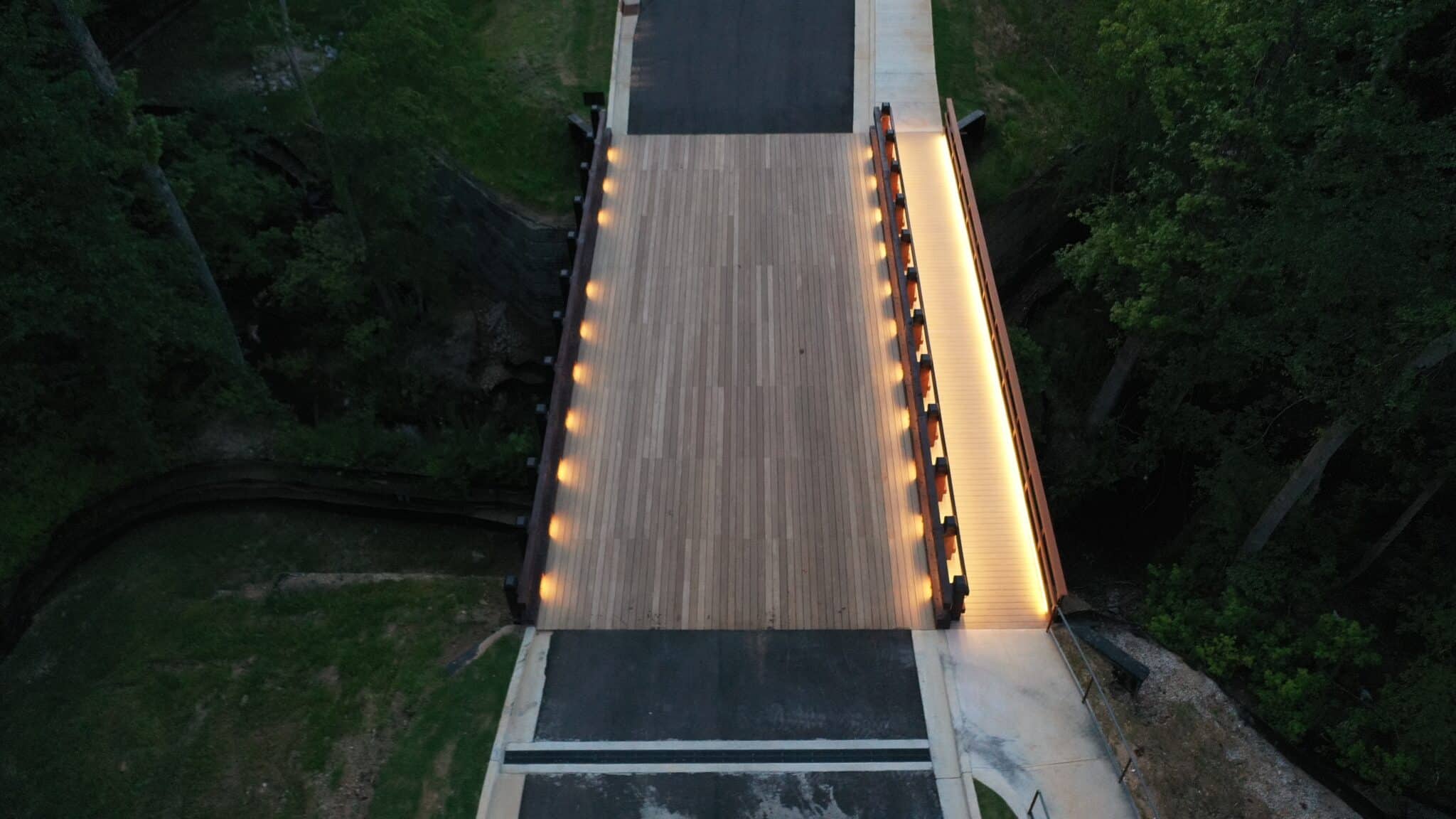
- Lighting & safety design: Discreet lighting options can be added to highlight the structure at night while ensuring safety and minimal nuisance to horses or neighbors.
Property Value & Branding
- Estate pride & identity: A distinguished bridge adds prestige. Clients often describe the crossing as an entree or arrival statement to their equestrian domain.
- Photographic & experiential value: For event farms, show barns, or guest-centric properties, the bridge becomes part of the visual narrative, contributing to marketing images, visitor impressions, and guest experience.
- Resale and long-term value: A high-quality crossing, well integrated and maintained, is a tangible improvement that prospective buyers will appreciate and evaluate.
In short, the bridge is more than utilitarian infrastructure--it is a place-making component, a design asset, and a long-term investment.
Customization Options & Variants
Every equestrian farm in unique--site constraints, usage patterns, aesthetic sensibilities, and budget all differ. Here are some customization directions:
Span, Width & Geometry
- Longer spans or multiple spans: For wider canals or wetlands, we can design multi-span systems or larger uninterrupted spans.
- Wider or dual-lane bridges: Larger farms or estates with heavy vehicle use may require wider decks or dual-lane designs.
- Curved or skewed alignments: When the approach path dictates irregular geometry, we can design curved or skewed deck profiles.
Material & Finish Options
- Alternate hardwoods or exotic decking: Rather that Jatoba, one might opt for Ipe, Cumaru, or other tropical hardwoods or engineered decking systems.
- Hybrid designs: Timber combined with steel components offers hybrid strength and aesthetic balance.
- Custom guardrails & detailing: Beyond our Classic series, we can develop bespoke rail forms, decorative insets, or custom profiles to match fencing or architecture.
Aesthetic & Lighting Additions
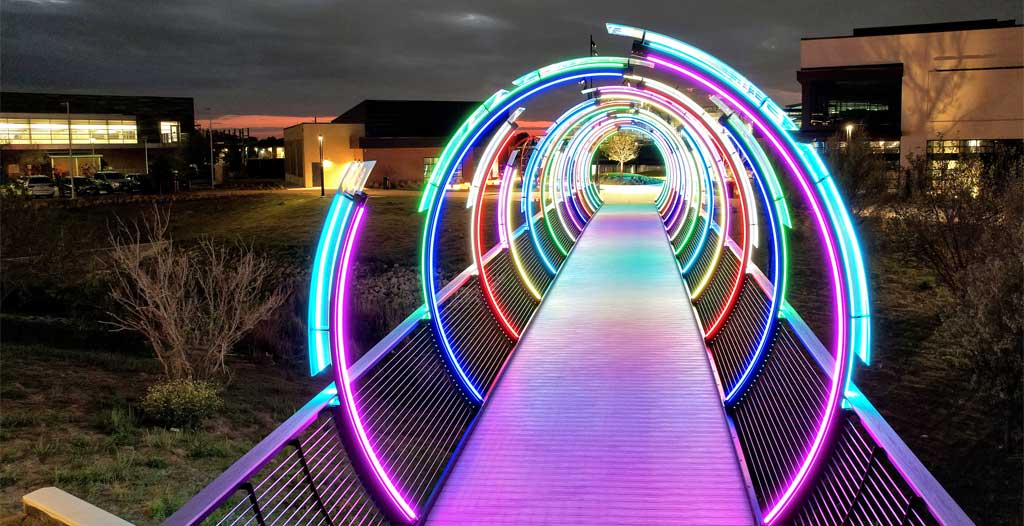
- Integrated LED strip lighting or uplights: For nighttime visual effect, low-profile lighting can be embedded or attached tactfully.
- Post caps, transitional treatments, or decorative inlays: Fine architectural touches elevate the structure from functional to artistic.
- Signage integration: If desired, nameplates or brand elements can be subtly incorporated into posts of fascia.
Environmental or Ecological Enhancements
- Fish passage or aquatic habitat design: Where applicable, the bridge underside and abutments can be shaped to support aquatic habitat or fish migration.
- Native planting & riparian landscaping: Native vegetation planted around the approaches ensures seamless transitions, erosion control, and habitat enhancement.
- Signage integration: If desired, nameplates or brand elements can be subtly incorporated into posts or fascia.
Environmental or Ecological Enhancements
- Fish passage or aquatic habitat design: Where applicable, the bridge underside and abutments can be shaped to support aquatic habitat or fish migration.
- Native planting & riparian landscaping: Native vegetation planted around the approaches ensures seamless transitions, erosion control, and habitat enhancement.
- Stormwater integration: The bridging approach area can integrate bioswales, rain gardens, or detention features as part of an overall watershed design.
Lessons Learned & Insights
Through our work on this Wellington equestrian project (and others), we gathered useful observations:
- Early stakeholder alignment is key. Prior to design, engage farm managers, stable staff, and equestrian users to understand traffic patterns, trailer types, and critical axes of movement.
- Allow field tolerance. In timber work especially, slight field adjustments or alignment tweaks are inevitable. Leave some tolerance in connection details.
- Moisture cycle impacts matter. In Florida's climate, timber moves with moisture fluctuations. Detailing must anticipate shrinkage, expansion, drainage, and ventilation.
- Economies of scale apply. Prefabricating modules off-site, using repetitive spans, and minimizing divergent custom elements keeps cost and timeframe in check.
- Balance aesthetic with functionality. Overly ornate elements can complicate construction or maintenance; the ideal is elegance built on sound engineering.
- Detailed maintenance planning from day one. Document and train the owner's maintenance team on inspection cycles, coating schedules, and repair protocols.
Why Choose York Bridge Concepts for Your Equestrian Crossing
- Specialized experience: We understand both bridge engineering and the unique needs of equestrian infrastructure.
- Design-build integration: From concept sketches to final handover, we manage the entire process--structural design, permits, fabrication, and installation.
- Sustainability commitment: We emphasize renewable materials, low-impact methods, and environmentally responsible construction.
- Client collaboration: We partner with property owners, equestrian planners, landscape architects, and operators to deliver a crossing that meets operational needs and aesthetic aspirations.
- Long-term support: We don't just hand over the bridge--we provide maintenance guidelines, support resources, and periodic inspections if needed.
If you're seeking to elevate your equestrian farm--not only with reliable infrastructure but with a visual landmark that enhances your property--York Bridge Concepts is prepared to bring your vision into structural reality.
Next Steps & Call to Action
If your farm, equestrian facility, or estate is exploring a timber crossing:
- Contact us for a site review. We can assess your crossing needs, hydraulic context, and land constraints.
- Collaborate on concept design. We'll present schematic options, materials, and preliminary cost estimates.
- Refine details & permit. Our engineering team handles structural design, permitting, and coordination with local authorities.
- Construct and install. We manage fabrication, delivery, installation, and final handover.
- Maintain and monitor. We provide a tailored maintenance plan and support.
Let's transform your equestrian property with infrastructure that works and inspires. Contact York Bridge Concepts today to begin your custom crossing journey.
All Feature Projects
What's Best: A Culvert Or A Timber Bridge?
What Is The Best Span Type For My Project?
Which Load Capacity I Need?
How Do I Cross An Environmentally Sensitive Area?
How Do I Create A Landmark?
How Long Does A Timber Bridge Last?
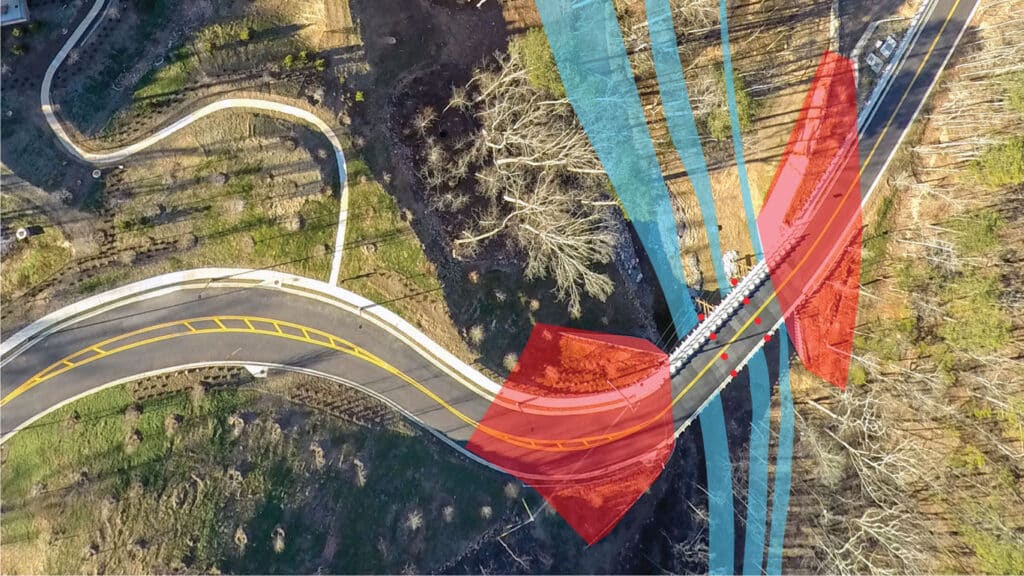
Culvert Or Bridge
If you're considering using a culvert for your crossing project. Click below to understand the best fit for your project.
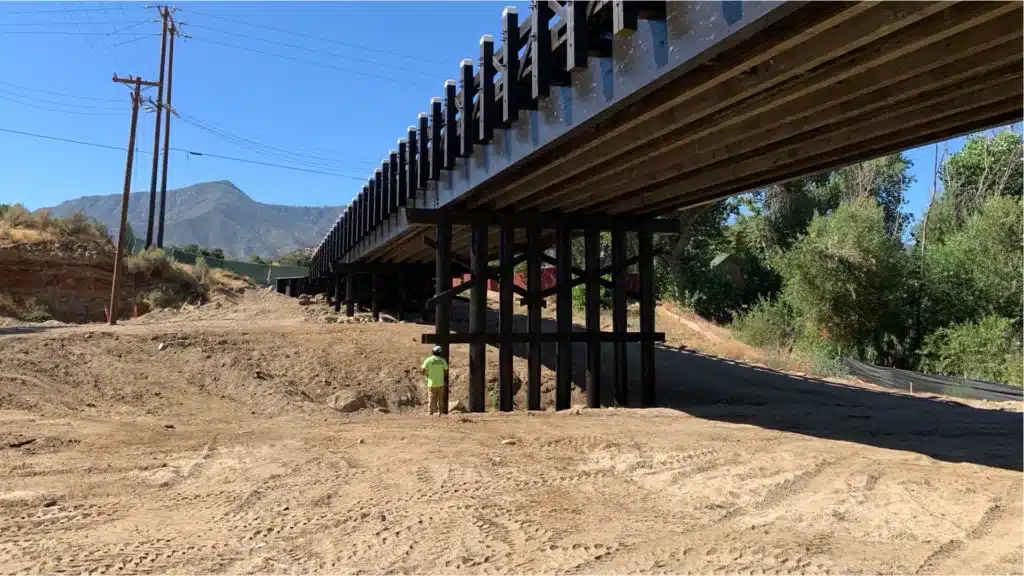
Spanning Solutions
Spanning a crossing is one of the most important aspects of your crossing project. Find the best solution for your crossing needs.
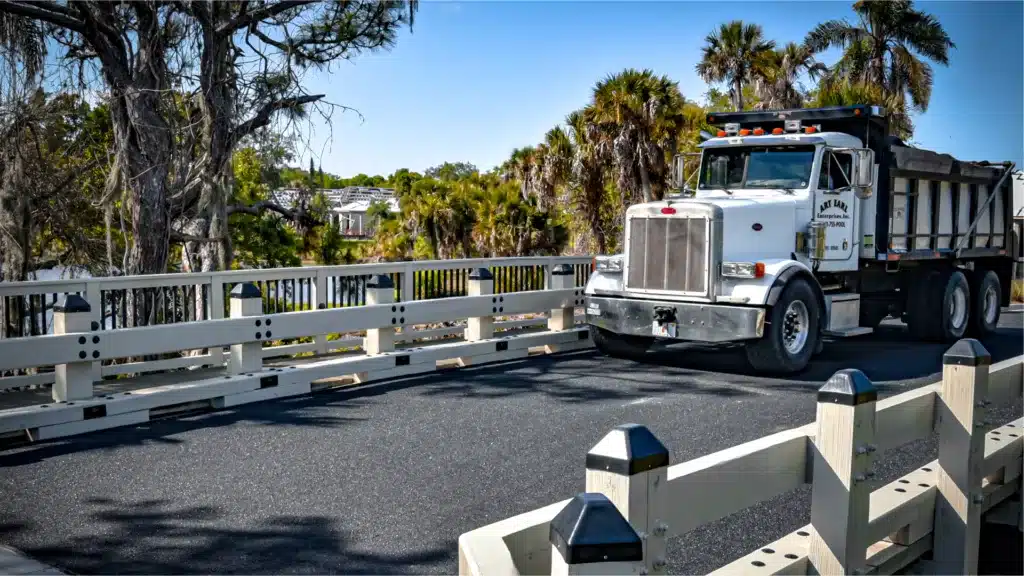
Uses & Capacities
The load capacity of a timber bridge may surprise you. See specs for different loads and uses that will help your decision-making process.