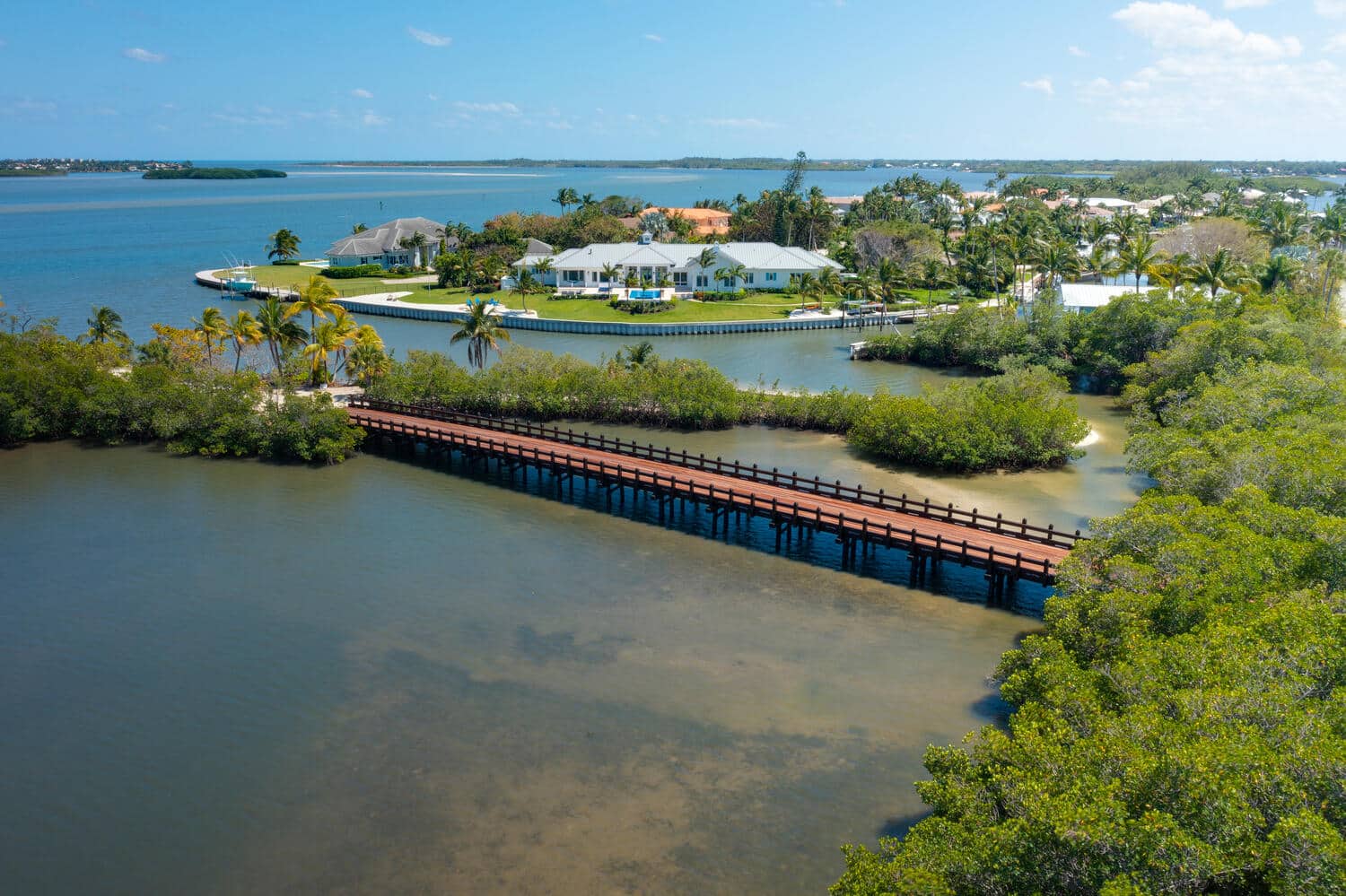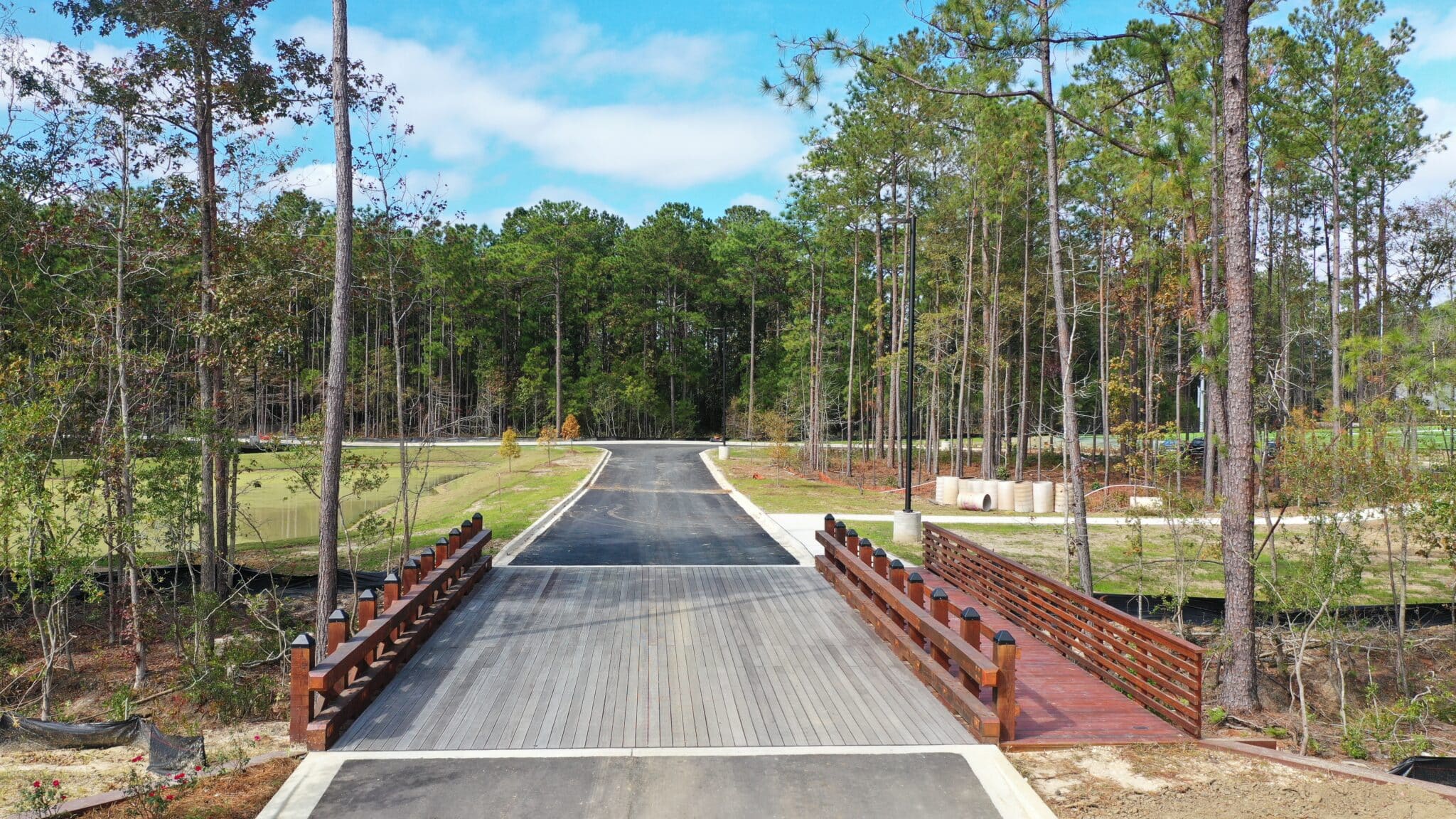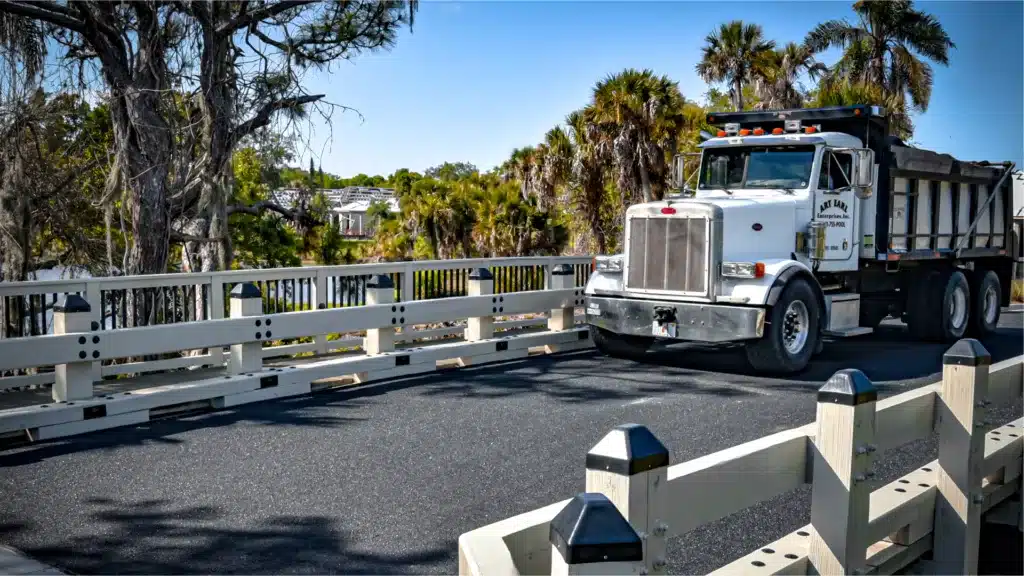
Richmond Cove Vehicular Bridge – Mt. Pleasant, SC
December 13, 2019
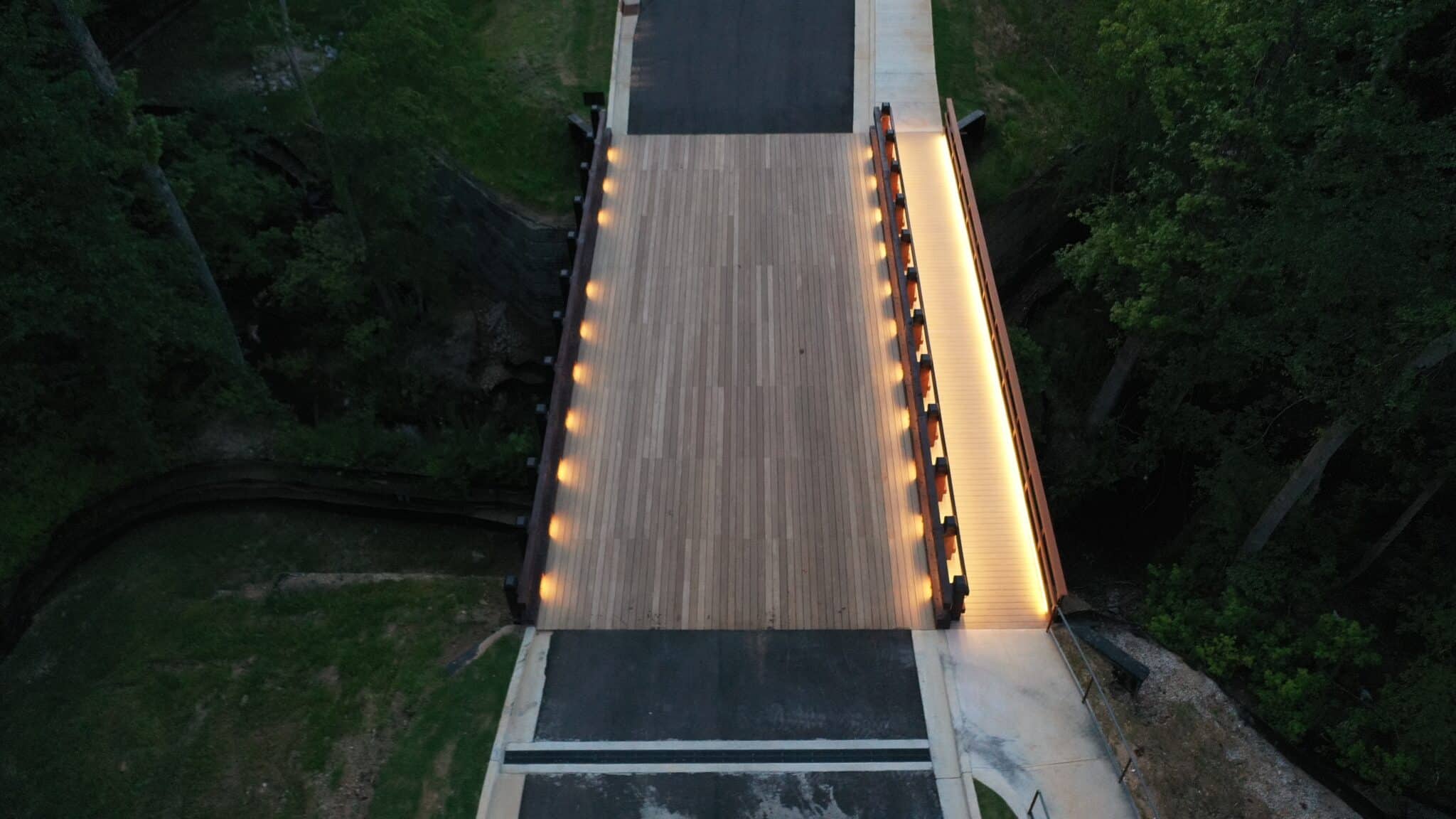
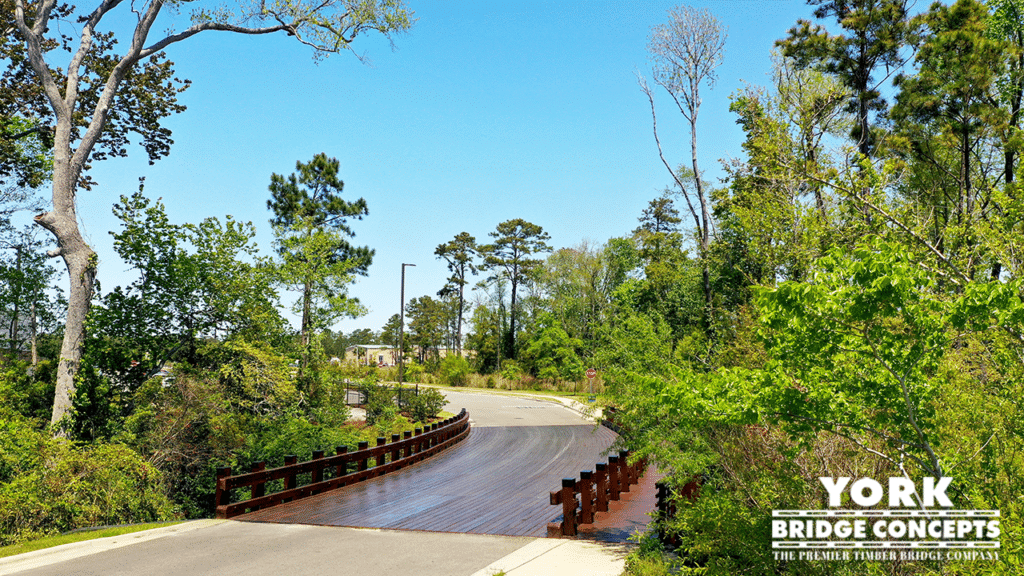
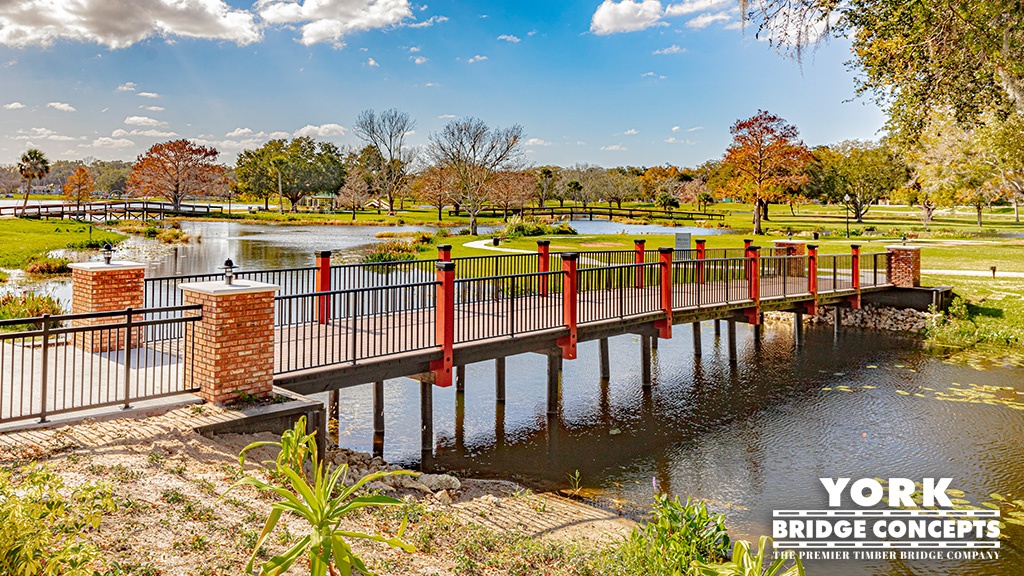
Esplanade Lake Club Vehicular Bridge – Ft. Myers, FL
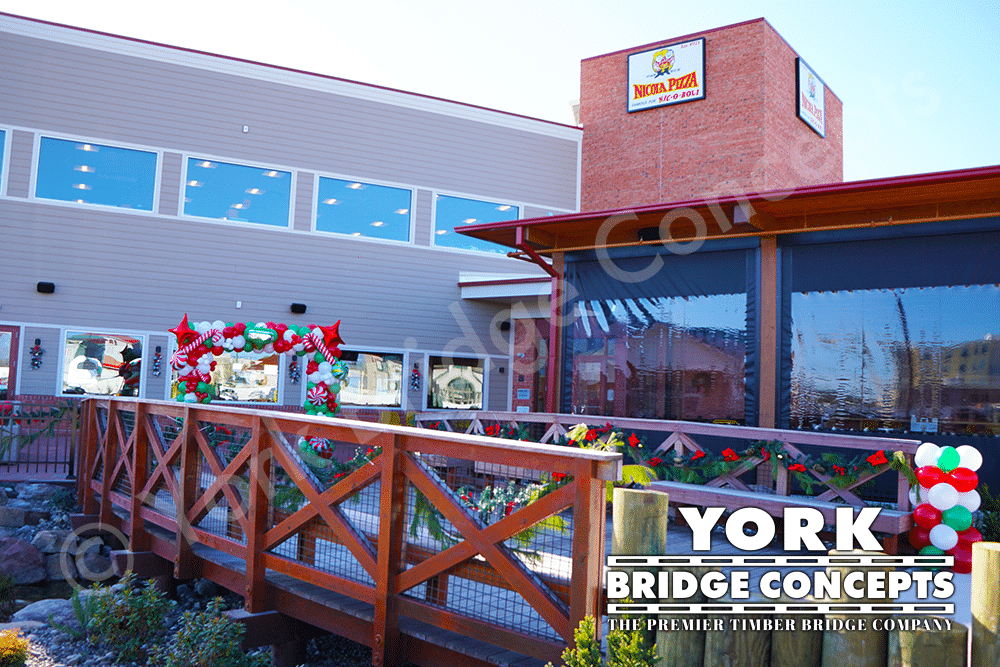
January 30, 2020Design-Build City Infrastructure With York Bridge Concepts
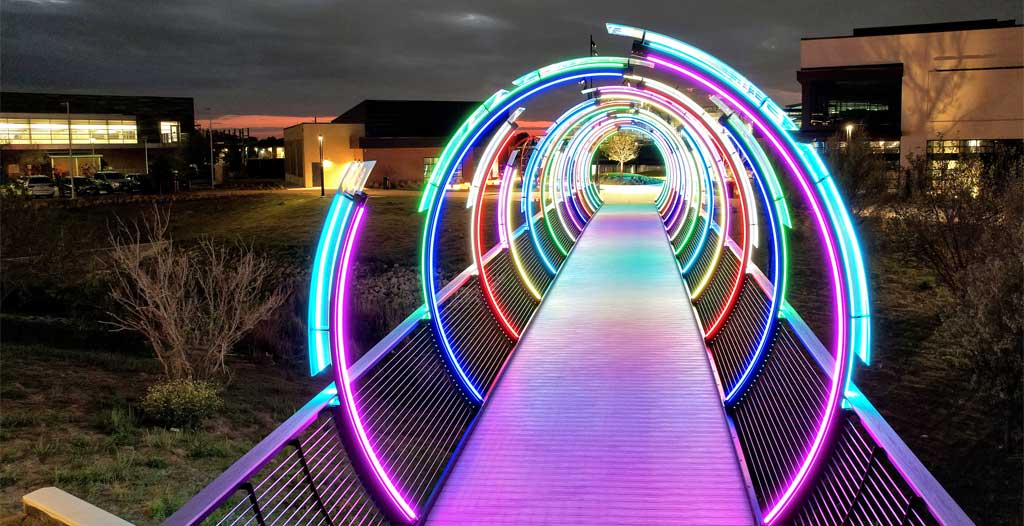
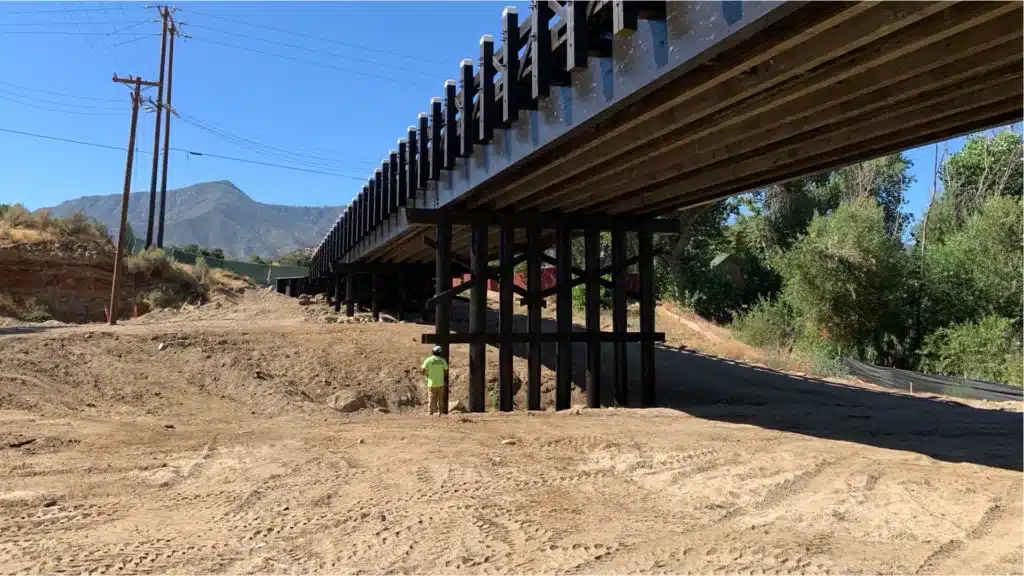
Venetian Gardens Pedestrian & Maintenance Bridge – Leesburg, FL
Connecting Community, Nature, and Recreation Through Sustainable Timber Bridge Design
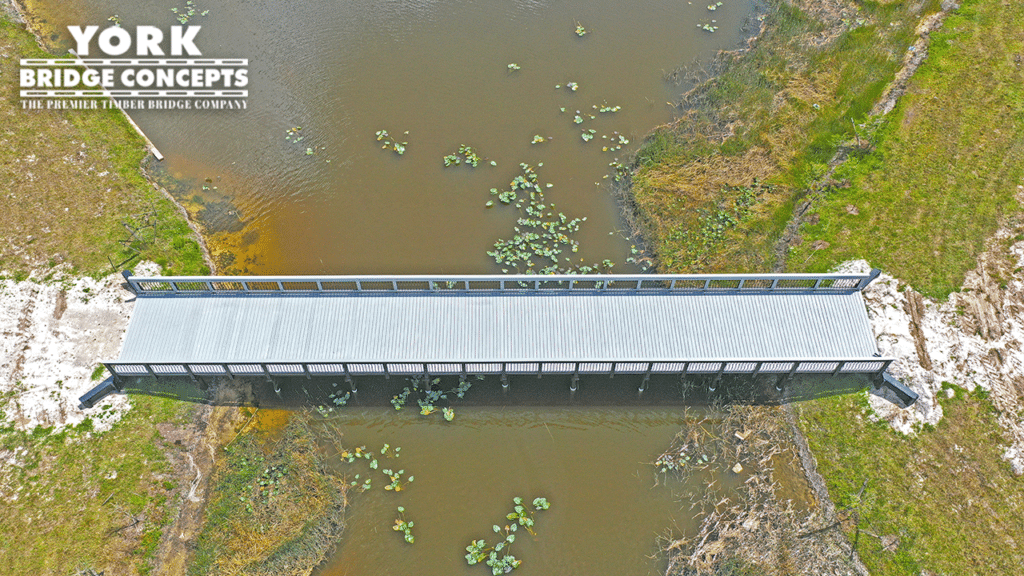
Located within the scenic waterfront landscape of Leesburg, the Venetian Gardens Pedestrian & Maintenance Bridge serves as more than a simple crossing. It acts as a vital community connector that links public gathering spaces, walking paths, recreation areas, and natural environments throughout one of Central Florida’s most beloved park systems. Designed and constructed by York Bridge Concepts, this timber pedestrian bridge was developed to enhance accessibility while complementing the character and atmosphere of Venetian Gardens’ lakeside setting.
The bridge reflects how thoughtful infrastructure can shape the experience of a public space. Rather than interrupting the landscape, the structure blends into the surrounding environment using natural materials, warm architectural aesthetics, and a low-impact construction approach. Positioned within a park system that encourages walking, cycling, outdoor recreation, and community interaction, the bridge creates a seamless pathway for residents and visitors alike.
As communities across Florida continue investing in parks, trails, waterfronts, and public gathering areas, pedestrian infrastructure has become increasingly important. These crossings are no longer viewed as purely functional structures. Today, they are expected to improve walkability, support wellness initiatives, create visual identity, and strengthen the relationship between people and nature. The Venetian Gardens Pedestrian & Maintenance Bridge demonstrates how timber bridge engineering can accomplish all of these goals simultaneously.
Designed using York Bridge Concepts’ Deck-Level Construction methodology, the bridge minimizes disturbance to the surrounding environment while delivering long-term durability and functionality. Its multiple-span timber design allows the structure to integrate naturally into the terrain while supporting pedestrian traffic and maintenance vehicle access. The result is a bridge that supports the operational needs of the park while creating an inviting and memorable experience for the community.
The project also showcases the versatility of timber as a modern infrastructure material. Through engineered timber systems, protective coatings, composite decking, and environmentally conscious construction practices, the bridge delivers the performance required for public infrastructure while maintaining the warmth and visual appeal that timber structures are known for.
Whether viewed from the walking trails, experienced from the deck itself, or appreciated from across the water, the Venetian Gardens bridge has become an important architectural and recreational feature within the park system. It demonstrates how infrastructure can elevate the identity of a public space while strengthening connections between people, recreation, and the environment.
Specifications
| Width: | 11'10" (10'7" clear) |
| Length: | 80' |
| Height: | 11' above grade |
| Capacity: | 5 Ton GVW |
| Construction: | Deck Level |
| Span Type: | Multiple Span |
| Span Type: | (1) 15', (6) 10'7" |
| Material: | CCA/CA-C Treated Southern Yellow Pine & Composite |
| Foundation: | Timber Piles & Abutments (Acrylic/Polymer Coated where exposed) |
| Stringers: | SYP Rough Sawn Timber (Acrylic/Polymer Coated where exposed) |
| Deck System: | 2.5" SYP Sub Deck 1" Composite Deck |
| Handrail: | Custom Metal Picket |
| Crossing: | Pond |

"It was a pleasure working with the YBC team from design, fabrication and installation. Their team made the process easy and seamless. The bridge quality and color scheme looks awesome!"
A Community Landmark Within Venetian Gardens
Venetian Gardens has long served as one of Leesburg’s signature public destinations. Situated along the waterfront, the park system offers scenic walking paths, green spaces, gathering areas, and recreational amenities that encourage outdoor activity and community engagement. The pedestrian bridge was designed to enhance connectivity throughout this environment while maintaining the park’s natural aesthetic.
Public parks are increasingly expected to function as more than passive green spaces. Modern park design emphasizes movement, accessibility, wellness, and placemaking. Trails and pedestrian circulation systems now play a major role in how visitors experience these environments. By improving connectivity across the site, the Venetian Gardens bridge helps transform the park into a more unified and accessible destination.
The bridge encourages visitors to move throughout the park system naturally and comfortably. Families walking through the gardens, joggers utilizing the pathways, cyclists exploring the area, and maintenance teams servicing the grounds all benefit from the improved circulation created by the structure. Rather than forcing visitors to navigate around barriers or disconnected pathways, the bridge creates continuity within the landscape.
Equally important is the visual contribution the structure makes to the park. Infrastructure within parks and recreation environments must balance function with aesthetics. Oversized concrete or steel structures can often feel industrial or disconnected from the surrounding environment. Timber bridges, however, provide a more organic appearance that complements natural landscapes and waterfront settings.
The Venetian Gardens bridge uses warm timber tones, natural textures, and clean architectural lines to create a welcoming atmosphere that feels appropriate for a public park environment. The bridge enhances the visual experience of the waterfront rather than competing with it. This creates a structure that visitors remember not simply because it helps them cross from one point to another, but because it contributes to the character of the overall destination.
As communities increasingly focus on creating memorable public experiences, projects like Venetian Gardens demonstrate the growing importance of architectural pedestrian infrastructure. Bridges can serve as gathering spaces, scenic overlooks, landmarks, and defining visual elements that strengthen a park’s identity.

Timber Bridge Design That Complements the Natural Environment
One of the defining characteristics of the Venetian Gardens Pedestrian & Maintenance Bridge is how naturally it integrates into the surrounding landscape. Timber has a unique ability to soften the appearance of infrastructure while maintaining the strength and durability required for public use.
Unlike conventional materials that can appear cold or industrial, timber creates a sense of warmth and authenticity. This becomes especially important in parks, trails, waterfronts, and recreation environments where preserving the visual character of the landscape is a priority.
The Venetian Gardens bridge was designed to complement the surrounding vegetation, water features, pathways, and public gathering areas. Its profile works with the natural setting instead of dominating it. The structure’s proportions, material palette, and architectural detailing create an inviting visual experience for pedestrians approaching the bridge from multiple directions.
Timber also offers tremendous design flexibility. The bridge’s multiple-span configuration allows the structure to adapt to site conditions while maintaining a cohesive appearance throughout the crossing. This flexibility enables designers to create infrastructure solutions that feel custom-tailored to the environment rather than standardized or repetitive.
For communities investing in parks and public infrastructure, aesthetics matter. Residents increasingly expect public projects to contribute positively to the identity of their community. Timber pedestrian bridges help achieve this by creating structures that feel timeless, approachable, and environmentally conscious.
The Venetian Gardens project demonstrates how infrastructure can become part of the landscape architecture itself. Rather than appearing as an isolated engineering element, the bridge functions as an integrated component of the park experience.

Supporting Connectivity and Walkability in Leesburg
Pedestrian connectivity plays a critical role in the success of public parks and community recreation systems. Walkability not only improves accessibility but also encourages healthier lifestyles, greater community interaction, and increased use of public amenities.
The Venetian Gardens bridge strengthens the connectivity of the Leesburg waterfront by improving circulation throughout the park environment. Visitors can move more efficiently between trails, gathering areas, and recreational spaces without interruption. This improved accessibility helps maximize the usability of the park system for residents of all ages.
As cities continue prioritizing pedestrian-friendly infrastructure, bridges like this become increasingly valuable. They encourage walking and outdoor recreation while reducing physical barriers that can limit access within parks and trail systems.
The bridge also supports maintenance access, which is essential for preserving the long-term functionality and appearance of public spaces. By accommodating maintenance vehicles while maintaining a pedestrian-focused design, the structure supports both operational efficiency and visitor experience.
Infrastructure that serves multiple purposes often delivers greater long-term value for municipalities and public spaces. The Venetian Gardens bridge balances community access, maintenance functionality, aesthetic enhancement, and environmental sensitivity within a single integrated structure.

Deck-Level Construction and Environmental Stewardship
Environmental stewardship played a significant role in the design and construction of the Venetian Gardens bridge. York Bridge Concepts utilized its proprietary Deck-Level Construction methodology to minimize environmental impact during installation.
Traditional bridge construction methods often require extensive access below the structure, resulting in significant disturbance to surrounding ecosystems, waterways, vegetation, and soil conditions. Deck-Level Construction changes this process by allowing crews to build from the bridge deck itself as the structure progresses outward.
This approach minimizes heavy equipment traffic through sensitive areas and reduces disruption to the surrounding environment. In park and waterfront settings like Venetian Gardens, preserving the integrity of the landscape is especially important.
Low-impact construction methods help protect existing vegetation, reduce soil disturbance, and maintain the natural character of the site throughout the construction process. This approach also supports permitting efforts in environmentally sensitive locations where minimizing disturbance is a priority.
Communities and municipalities increasingly seek infrastructure solutions that align with sustainability and environmental goals. The Venetian Gardens bridge demonstrates how modern timber bridge engineering can deliver both performance and environmental responsibility.
Deck-Level Construction has become one of the defining characteristics of York Bridge Concepts projects because it allows infrastructure to be installed efficiently while respecting the surrounding ecosystem. This is particularly beneficial in wetlands, waterfronts, park systems, and conservation-oriented environments.

Durable Materials Designed for Long-Term Performance
Public infrastructure must deliver more than visual appeal. Long-term durability and performance are critical considerations for pedestrian bridges exposed to weather, moisture, and continuous public use.
The Venetian Gardens bridge utilizes CCA/CA-C treated Southern Yellow Pine combined with composite decking materials to create a durable and resilient structure. These materials are selected specifically for their ability to perform in outdoor environments while maintaining their appearance and structural integrity over time.
Southern Yellow Pine is widely recognized for its strength, durability, and suitability for structural timber applications. When combined with protective treatment systems and advanced coatings, the material provides long-term resistance to moisture, decay, and environmental exposure.
The project also incorporates acrylic/polymer coatings on exposed structural components to enhance protection and longevity. These coatings help preserve the appearance of the bridge while providing an additional barrier against weathering and environmental conditions.
Composite decking further contributes to the bridge’s durability and maintenance performance. Composite materials offer excellent resistance to moisture and wear while delivering a stable walking surface for pedestrians and maintenance access.
The combination of timber engineering, protective systems, and modern decking materials creates a bridge capable of serving the community for decades while reducing long-term maintenance demands.

Engineering for Functionality and Public Use
Although the bridge was designed to enhance the visual and recreational experience of Venetian Gardens, engineering performance remained a central priority throughout the project.
The structure was engineered as a multiple-span pedestrian and maintenance bridge capable of supporting both public traffic and operational access requirements. The bridge measures approximately 80 feet in length and provides a clear width that supports comfortable pedestrian movement while accommodating maintenance functionality.
Infrastructure within public parks must accommodate varying usage demands. Pedestrian traffic patterns, maintenance operations, accessibility requirements, and environmental conditions all influence the design process.
The Venetian Gardens bridge demonstrates how pedestrian infrastructure can successfully balance these functional requirements without sacrificing aesthetics. The bridge provides a safe and durable crossing while maintaining the welcoming architectural character expected in a public recreation environment.
The multiple-span design also allows the structure to distribute loads efficiently while adapting to site conditions. This flexibility helps minimize environmental impact while maintaining structural stability and long-term reliability.
Timber bridge engineering has evolved significantly over the past several decades. Modern timber bridges are engineered using advanced structural analysis, protective systems, and construction methodologies that allow them to perform at levels comparable to traditional infrastructure materials.
Projects like Venetian Gardens highlight the capabilities of modern timber bridge systems within public infrastructure applications.
Enhancing Recreational Experiences Through Infrastructure
One of the most valuable aspects of pedestrian infrastructure is its ability to shape how people experience a place. Bridges within parks and waterfront environments often become experiential elements themselves rather than simple utility structures.
The Venetian Gardens bridge creates moments of connection within the park. Visitors crossing the structure experience changing views of the landscape, water, vegetation, and surrounding public spaces. The bridge encourages movement while also inviting people to pause, observe, and engage with the environment.
This experiential quality is especially important within recreation-focused destinations. Infrastructure that enhances the user experience contributes to increased visitation, stronger community engagement, and a greater sense of place.
Pedestrian bridges can also encourage exploration. By creating seamless connectivity throughout a park system, visitors are more likely to utilize trails, access amenities, and engage with different portions of the landscape.
The bridge helps transform Venetian Gardens into a more walkable and interconnected destination while reinforcing the park’s identity as a community-oriented recreational environment.
The Role of Timber Bridges in Modern Park Design
Across the country, municipalities and developers are increasingly incorporating timber pedestrian bridges into parks, trail systems, waterfront developments, and public gathering spaces. These structures offer a unique combination of aesthetics, sustainability, and performance that aligns with modern landscape architecture and urban planning goals.
Public infrastructure is no longer viewed solely through the lens of engineering efficiency. Today’s projects are expected to support broader community objectives such as wellness, sustainability, tourism, recreation, and placemaking.
Timber bridges naturally support these goals because they create more human-centered environments. Their warmth and visual appeal encourage interaction and help soften the appearance of built infrastructure within natural settings.
The Venetian Gardens bridge reflects this broader shift toward experiential public infrastructure. It demonstrates how pedestrian connectivity can be elevated through architectural design and environmental sensitivity.
Communities investing in parks and recreation infrastructure increasingly recognize the long-term value of creating memorable public environments. Timber pedestrian bridges often become recognizable landmarks that strengthen community identity and encourage continued investment in outdoor spaces.
Sustainable Infrastructure for Growing Communities
Sustainability continues to influence how municipalities approach infrastructure development. Communities are seeking solutions that minimize environmental impact while supporting long-term resilience and public use.
Timber is increasingly recognized as a renewable building material that supports sustainable construction initiatives. Responsibly sourced timber systems can help reduce the carbon footprint associated with infrastructure projects while creating visually appealing structures that integrate naturally into the environment.
The Venetian Gardens bridge demonstrates how sustainability and functionality can coexist within public infrastructure. Through environmentally conscious construction methods, durable material systems, and low-impact installation practices, the project aligns with modern sustainability priorities.
The bridge also contributes to sustainability indirectly by encouraging walking, recreation, and outdoor activity within the community. Pedestrian-oriented infrastructure supports healthier and more connected communities while reducing reliance on vehicle-centered circulation within public spaces.
As cities continue investing in parks, greenways, waterfronts, and trail systems, pedestrian bridges will remain an important component of sustainable urban and community development strategies.
Creating a Lasting Visual Identity
Infrastructure has the ability to shape how people perceive a place. Well-designed pedestrian bridges often become iconic visual elements that define the character of a park, trail, or community destination.
The Venetian Gardens bridge contributes to the visual identity of the Leesburg waterfront through its architectural presence and natural material palette. The bridge creates a memorable focal point within the landscape while reinforcing the welcoming and recreational atmosphere of the park.
Timber bridges are particularly effective at creating this sense of place because they feel approachable and timeless. Their visual warmth helps create emotional connections between visitors and the environment.
For many communities, signature pedestrian infrastructure becomes an important part of branding and placemaking efforts. Visitors often associate these structures with the overall experience of a destination, helping strengthen tourism, recreation, and community engagement.
The Venetian Gardens bridge reflects how infrastructure can contribute to civic pride while serving practical transportation and accessibility needs.
Designed for Public Spaces and Community Interaction
Public parks are social environments where people gather, interact, exercise, relax, and connect with nature. Infrastructure within these spaces must support these experiences while remaining durable and functional.
The Venetian Gardens bridge was designed with this community-centered approach in mind. The bridge enhances movement throughout the park while maintaining a comfortable and inviting pedestrian experience.
Wide pedestrian access, durable decking systems, and scenic views help create a crossing that feels integrated into the park rather than separate from it. The bridge supports daily use while contributing positively to the overall atmosphere of the environment.
This type of infrastructure becomes especially valuable in growing communities where parks and public spaces play an increasingly important role in quality of life. Walkable, connected environments encourage outdoor activity and create opportunities for social interaction and recreation.
The bridge supports the broader mission of creating public spaces that bring people together while enhancing the functionality and accessibility of the park system.
A Reflection of York Bridge Concepts’ Design-Build Expertise
The Venetian Gardens project also highlights the advantages of York Bridge Concepts’ Design-Build approach. By integrating design, engineering, fabrication, and construction within a single coordinated process, projects can move efficiently from concept to completion while maintaining consistency throughout development.
This integrated methodology allows the project team to address environmental considerations, structural requirements, architectural goals, and construction logistics collaboratively. The result is a bridge that balances aesthetics, performance, and constructability.
York Bridge Concepts specializes in creating timber bridge solutions for parks, trails, waterfronts, municipalities, resorts, residential developments, and environmentally sensitive areas throughout the United States. The company’s experience with pedestrian infrastructure enables projects like Venetian Gardens to achieve both functional and architectural objectives simultaneously.
The project demonstrates how design-build collaboration can create infrastructure that not only performs effectively but also enhances the surrounding environment and community experience.
Strengthening Public Spaces Through Infrastructure
Infrastructure has the power to influence how communities interact with their environment. Thoughtfully designed pedestrian bridges improve accessibility, strengthen connectivity, encourage recreation, and create memorable public experiences.
The Venetian Gardens Pedestrian & Maintenance Bridge exemplifies this philosophy. Rather than functioning as a purely utilitarian structure, the bridge enhances the character and usability of the Leesburg waterfront while supporting long-term community engagement.
Its timber design complements the surrounding landscape, its engineering supports practical public use, and its construction methodology reflects a commitment to environmental stewardship. Together, these elements create a bridge that serves both present and future generations of park visitors.
As cities continue investing in parks, trails, and recreational infrastructure, projects like Venetian Gardens demonstrate the lasting value of pedestrian bridges that prioritize sustainability, aesthetics, and community connection.
The bridge stands as an example of how modern timber infrastructure can create meaningful public spaces while preserving the beauty and integrity of the natural environment. Through thoughtful design and engineering, the Venetian Gardens Pedestrian & Maintenance Bridge helps strengthen the relationship between people, recreation, and the landscape that surrounds them.