Sawmill Vehicular Bridge
A Rustic Timber Masterpiece in Lake Tahoe, CA
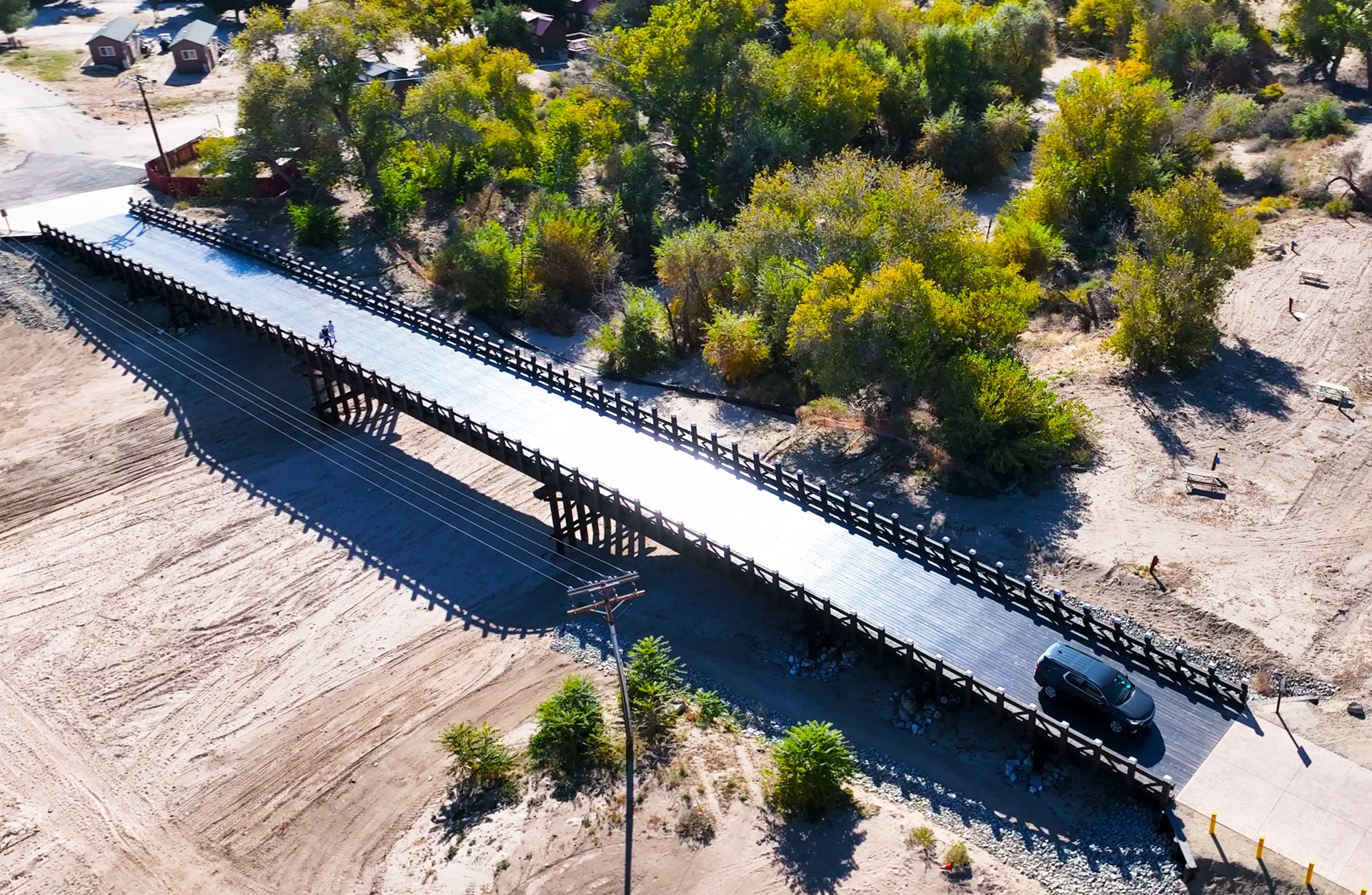
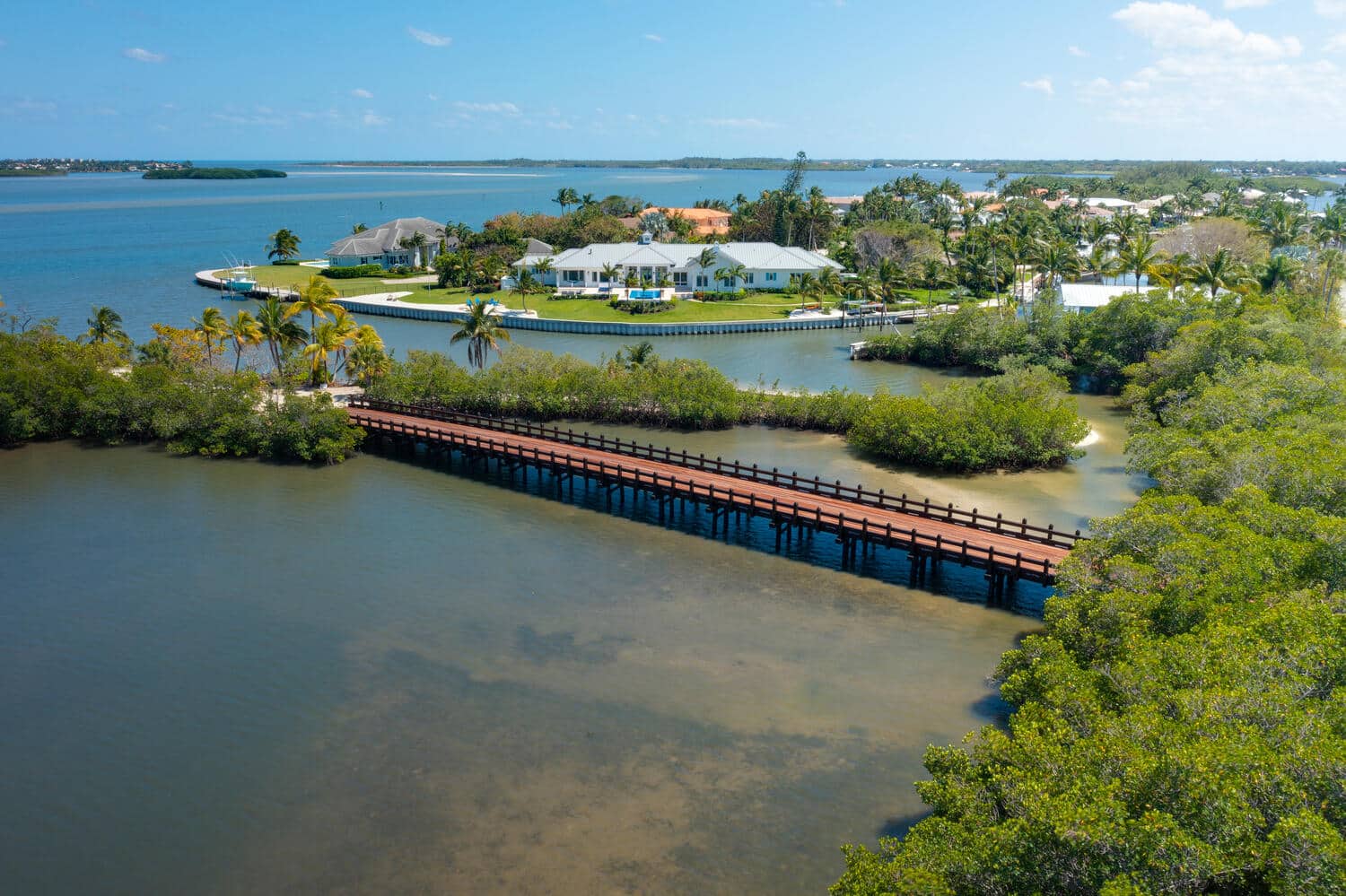
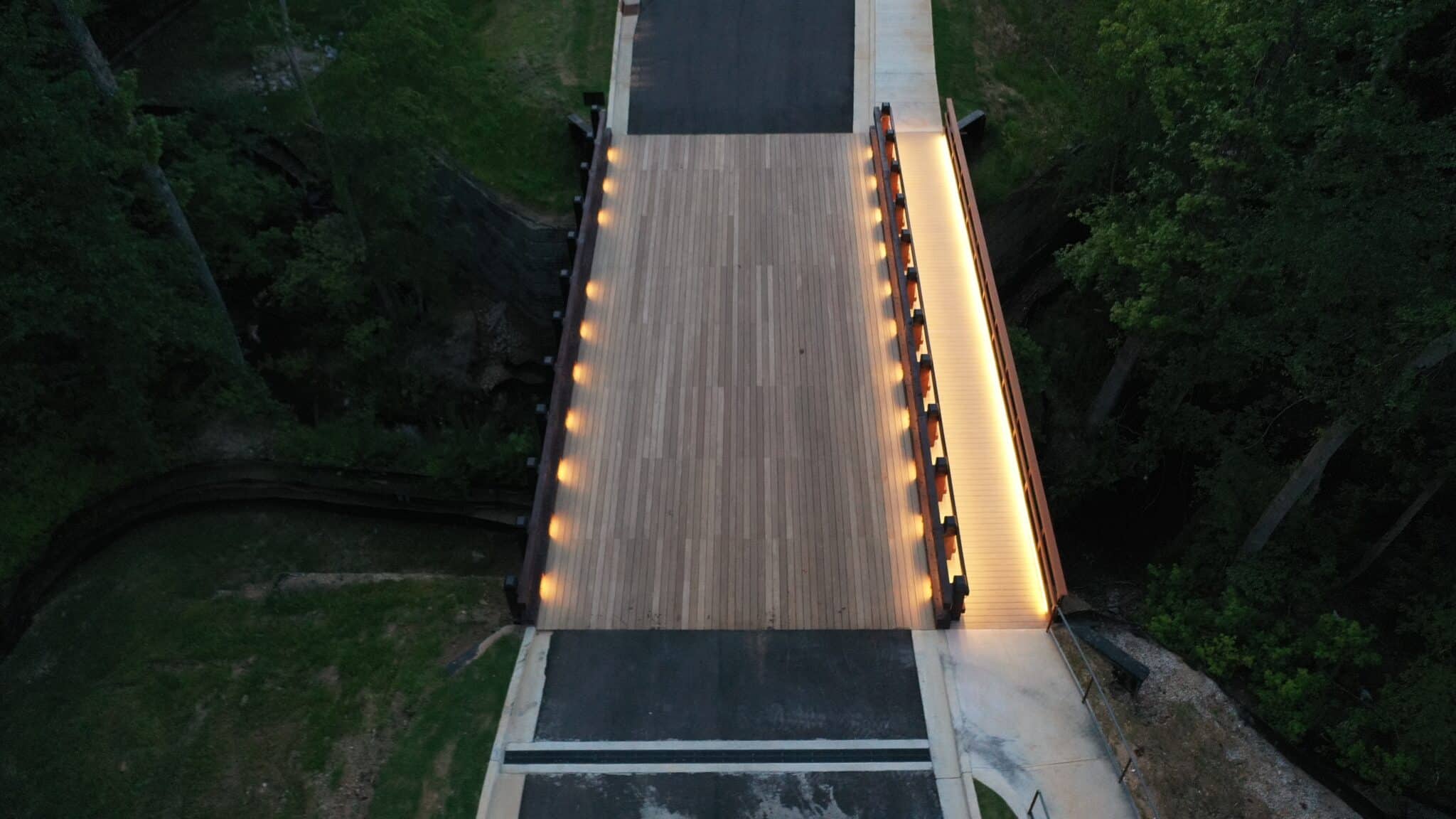
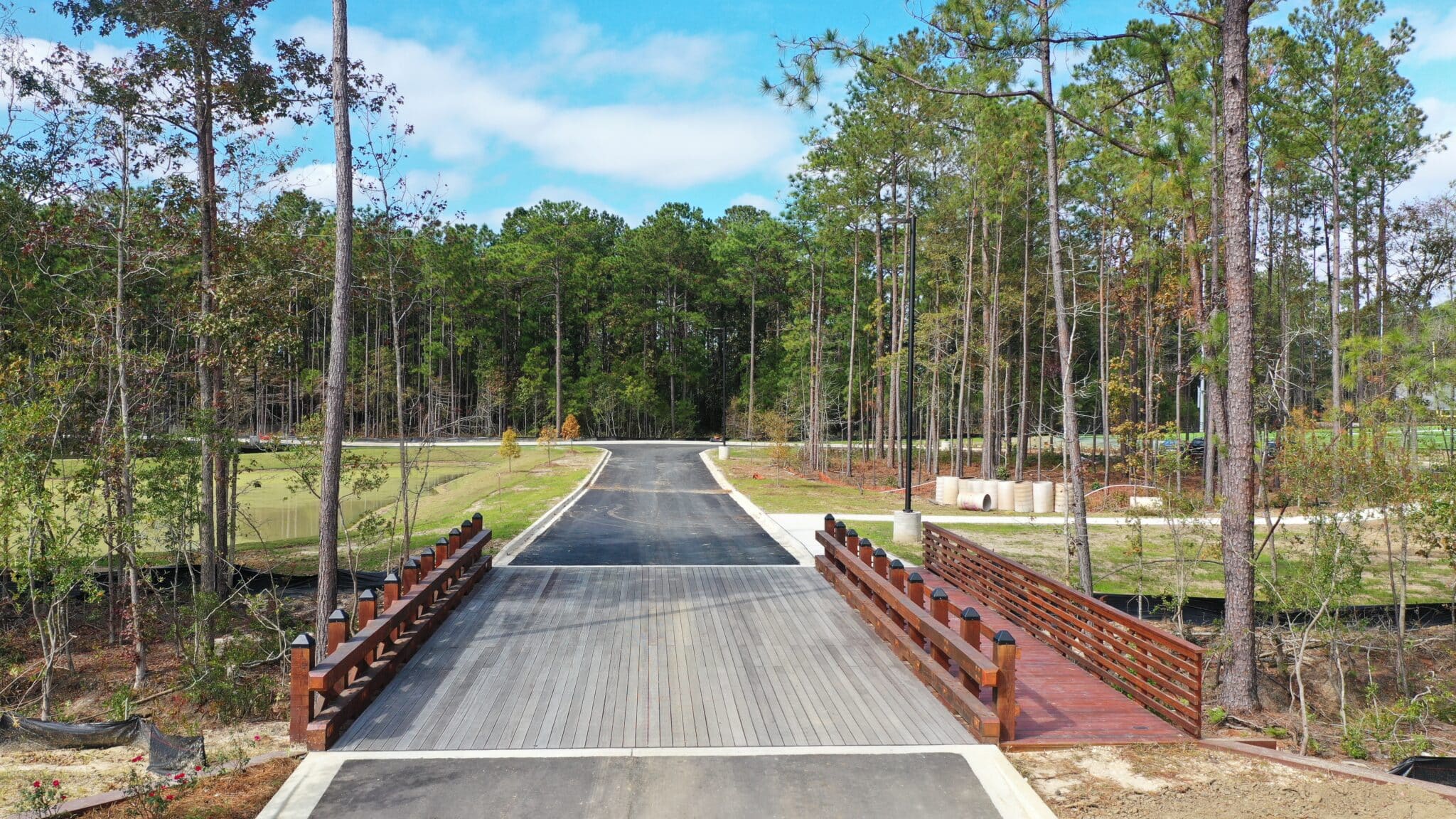
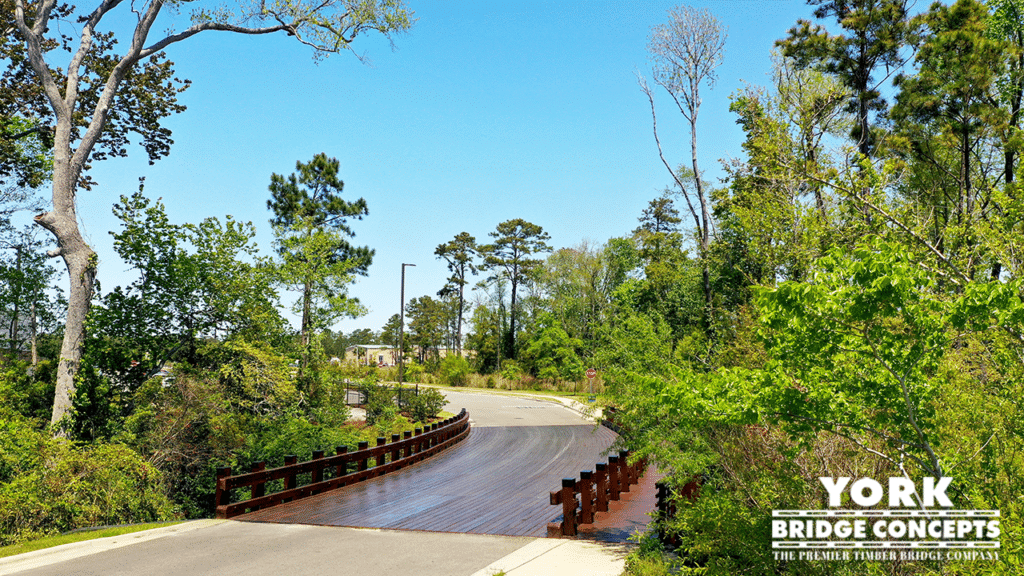
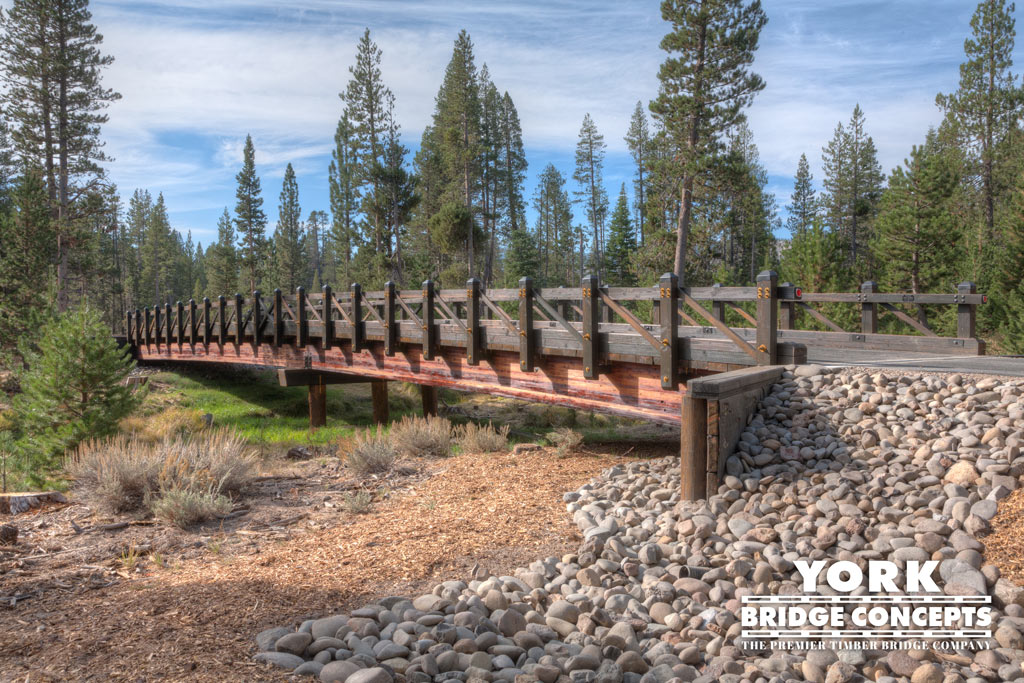
Nestled in the rugged terrain of Lake Tahoe, California, the Sawmill Vehicular Bridge is more than just a private crossing--it's a testament to sustainable engineering and environmental respect. Designed and constructed by York Bridge Concepts (YBC), this custom timber vehicular bridge delivers robust performance under California's strict environmental guidelines while blending effortlessly into the surrounding high-country landscape. As part of a private residential estate, the bridge offers a seamless and beautiful connection over an environmentally protected riverbed--without disturbing the natural habitat.
Join us as we explore the meticulous design approach, sustainable materials and distinctive aesthetic choices that define the Sawmill Vehicular Bridge--an exemplary California vehicular bridge that showcases YBC's commitment to artistry, resilience, and responsible land development.
A Bridge Designed with Purpose: HS20-44 for Heavy-Duty Use
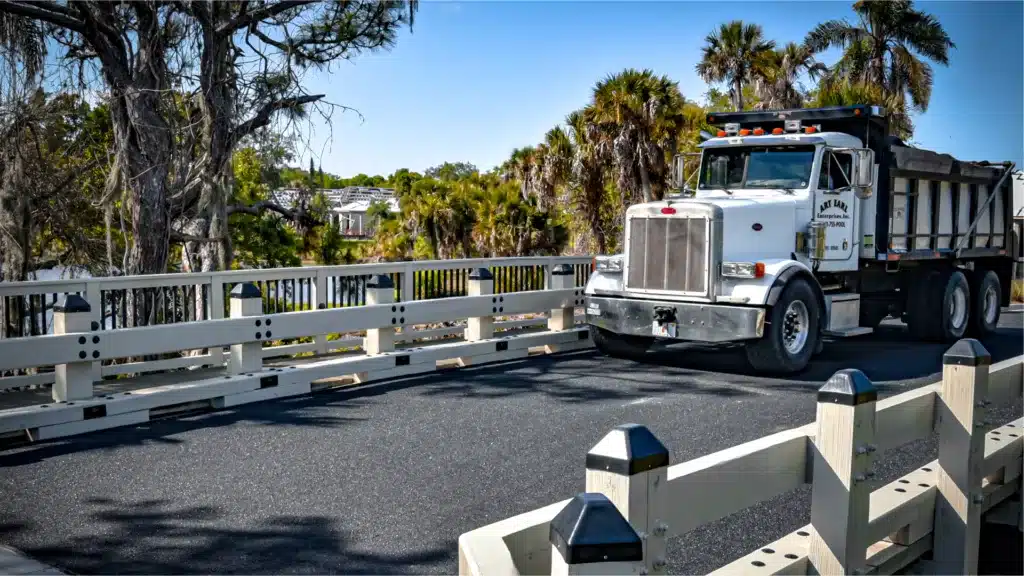
The Sawmill Vehicular Bridge was engineered with an HS20-44 load rating, a national design standard set by AASHTO to ensure the structure can support heavy vehicles like fire trucks, utility vehicles, and large equipment. For private estates in mountainous, remote areas such as Lake Tahoe, this kind of load capacity is critical--not just for daily use, but for emergency access and long-term resilience.
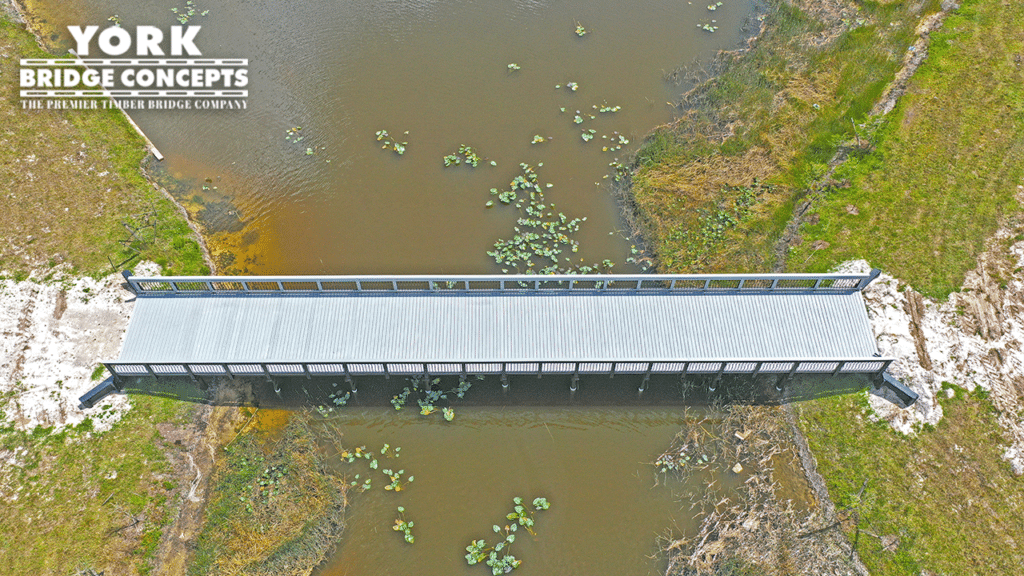
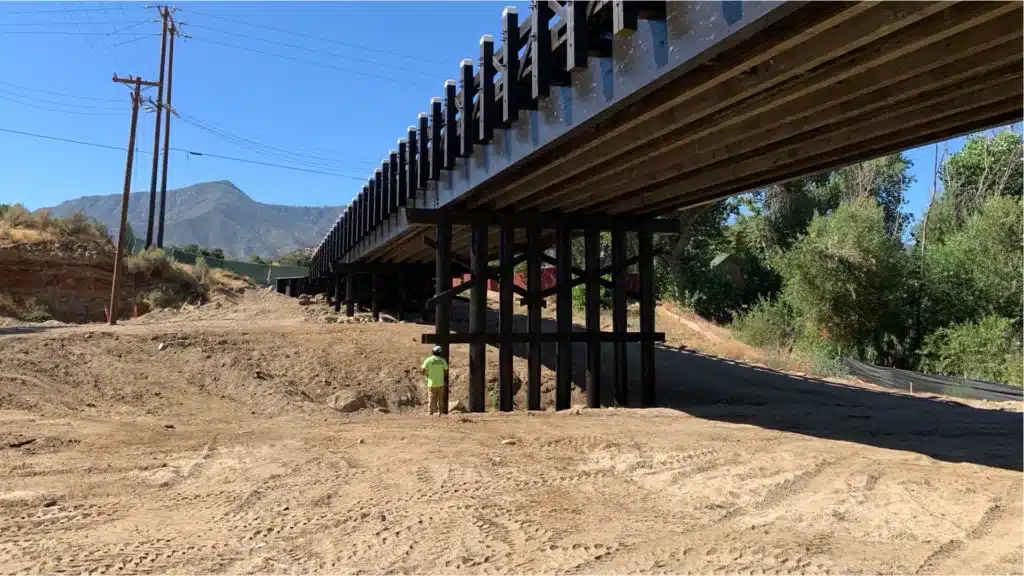
Unlike a single-span bridge, this timber structure utilizes a multiple-span configuration, ideal for longer crossings that must accommodate variable terrain and sensitive ground conditions. The design ensures stability across a fluctuating riverbed while minimizing the footprint of each individual pier.
Built over an environmentally protected riverbed
One of the most important aspects of this project was protecting the integrity of the riverbed it crosses. This section of the Lake Tahoe watershed is subject to strict local and state environmental regulations designed to preserve natural water flow, aquatic habitats, and vegetation.
To meet those regulations, YBC employed its proprietary Deck-Level Construction methodology, a low-impact build technique that enables crews to assemble the structure at the deck level rather than disturbing the riverbank or working within the watercourse. This approach avoids traditional pile driving or excavation near sensitive zones, making it the ideal solution for environmentally protected areas.
Paired with YBC's Design-Engineer-Build methodology from our in-house Decero™ Design Studio, this project was holistically managed from concept to completion with full alignment between engineering performance and ecological preservation.
The Decero™ Difference: Custom Design from The Ground Up
At York Bridge Concepts, the Decero™ (Latin for "from scratch") Design Studio plays a central role in crafting bridge designs that are tailored to the terrain, climate, and aesthetic of each project. For the Sawmill Vehicular Bridge, this meant considering:
- Site grading and elevation differences across a sloped mountain terrain
- Compliance with California environmental laws and water regulations
- Load-bearing needs for a private estate that may see commercial deliveries and emergency vehicle traffic.
- Aesthetic continuity with the natural high-country setting, including pine forests, river rock and bronze toned earth
The result is a completely customized timber vehicular bridge that performs flawlessly in its functional role while enhancing the value, privacy, and beauty of the private estate it serves.
Rugged Elegance: Timber Materials for Mountain Terrain
The Sawmill Vehicular Bridge uses Douglas Fir as the super structure--a material chosen for its:
- High strength-to-weight ratio
- Workability for custom shaping and detailing
- Compatibility with protective stains
- Resilience in arid climates like the Lake Tahoe region
This particular fir species is well-suited for the high-altitude, low-humidity environment found in Northern California's mountain terrain. To preserve and elevate the natural wood grain, YBC applied a cedar & bronze patina finished stain, giving the bridge an aged, rustic look that complements the surrounding wilderness.
The result is a bridge that looks like it has always belonged in the environment--a warm, weathered profile that pairs beautifully with the granite boulders, and forest canopy, and native shrubs of the region.
Greenheart Piling: Natural Durability, Treatment Free
California's strict regulations on treated wood near water bodies required a departure from traditional pressure-treated lumber for substructure supports. Instead, YBC specified greenheart wood piling, an untreated, naturally durable hardwood native to South America that is:
- Extremely resistant to decay, insects, and marine borers
- Structurally dense and incredibly strong
- Approved for use in aquatic and environmentally sensitive applications
Greenheart is often referred to as the "ironwood" of the timber world, and it's widely used for piers, docks, and bridge pilings in places where long-term performance and environmental compliance intersect. For the Sawmill Vehicular Bridge, greenheart provided a high-performance, sustainable solution that avoided the need for chemical preservatives altogether.
A Legacy of Sustainability & Innovation
This California vehicular bridge isn't just a case study in engineering excellence--it's part of a broader mission that York Bridge Concepts has championed for decades: bridging people and places without damaging the planet.
Here's how the Sawmill Bridge exemplifies that legacy:
- Minimally invasive construction through YBC's Deck-Level method
- Natural untreated piling that complies with stringent regulations
- Water runoff management systems put into place to mitigate runoff from the bridge into the riverbed
- Custom-designed timber spans that avoid culvert installation or concrete channeling
- Stain and color palette that reflects and respects the surrounding high-country character
These aren't just design choices--they're ethical choices rooted in a belief that infrastructure and nature can coexist when guided by thoughtful planning and creative problem solving.
Why Homeowners Choose Timber Bridges in California
Private estate owners in California--especially in natural preserves like Lake Tahoe--are increasingly turning to timber bridges for several reasons:
1. Aesthetic Harmony With Nature
No other material blends as beautifully with mountain terrain, river corridors, and forest landscapes as timber. The warm tones and natural grain of Douglas Fir bring softness and serenity to a functional crossing.
2. environmental Approval
Compared to alternative material structures, timber bridges have a smaller environmental footprint, especially when paired with YBC's minimally invasive methods and untreated piling options like greenheart.
3. Resilience & Longevity
Today's timber bridges are engineered for strength and durability. YBC's construction methods ensure bridges meet modern load standards while resisting decay, warping, and damage from the elements.
4. Custom Craftsmanship
Each YBC bridge is uniquely designed to match its setting and the vision of the property owner. Whether it's a rustic retreat, luxury lodge, or modern architectural compound, the bridge becomes a curated part of the property.
Engineering Meets Art: A Gateway That Tells A Story
What makes the Sawmill Vehicular Bridge especially compelling is the story it tells--a story of conservation, craftsmanship, and coexistence. Rather than imposing itself on the land, the bridge emerges from it, echoing the texture of bark, the slope of the river, and the glow of sunset on the pines.
Every angle, stain, post, and beam is a deliberate choice--one that reflects YBC's core values:
- Respect for nature
- Precision in execution
- Durability through design
- Beauty with purpose
For the private homeowner, this bridge doesn't just provide access. It provides identity--a signature element that enhances the character and value of the property.
Building Bridges, Protecting Landscapes
In the Sawmill Vehicular Bridge, York Bridge Concepts demonstrates how even in a tightly regulated environmentally sensitive area like Lake Tahoe, it's possible to build sustainably and beautifully.
By choosing timber, using untreated greenheart piling, employing Deck-Level construction, and designing every element through our Decero™ Design Studio, YBC ensured that this bridge would not only meet the needs of the client--but also the expectations of the land.
This is what we do. And we're proud to collaborate with others to do it too.
Let's Talk About Your California Vehicular Bridge
Whether you're developing a private estate, a mountain retreat, or a luxury community in California, YBC's timber bridge solutions offer more than access--they offer architectural distinction, regulatory compliance, and a legacy of environmental stewardship.
Ready to start a conversation?
Contact our team to explore what's possible for your next crossing.
All Feature Projects
What's Best: A Culvert Or A Timber Bridge?
What Is The Best Span Type For My Project?
Which Load Capacity I Need?
How Do I Cross An Environmentally Sensitive Area?
How Do I Create A Landmark?
How Long Does A Timber Bridge Last?
Culvert Or Bridge
If you're considering using a culvert for your crossing project. Click below to understand the best fit for your project.

Spanning Solutions
Spanning a crossing is one of the most important aspects of your crossing project. Find the best solution for your crossing needs.

Uses & Capacities
The load capacity of a timber bridge may surprise you. See specs for different loads and uses that will help your decision-making process.