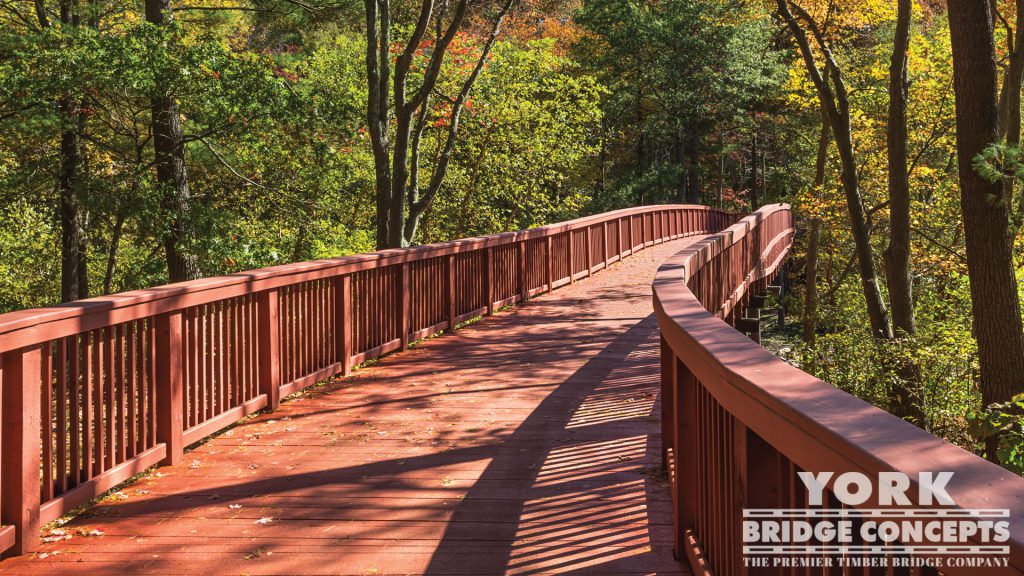
Stonehill College Pedestrian Bridge – Easton, MA

York Bridge ConceptsBoardwalks, Massachusetts, Pedestrian Bridges, Repetitive Span

Stonehill College Pedestrian Bridge – Easton, MA | York Bridge Concepts - Timber Bridge Builders

Elevating Massachusetts College Infrastructure Through Legacy Timber Design

Across Massachusetts, educational institutions are embracing sustainable, long-lasting, and visually inspiring infrastructure that connects campuses and enriches the collegiate experience. Among the standout example of this transformation is the Reverend Thomas Feeley, C.S.C. Bridge at Stonehill College, a structure that perfectly embodies York Bridge Concepts' commitment to high-design, environmentally conscious bridge engineering.

Built in 2014, this bridge represents more than a means of passage--it reflects the innovation and integrity that define the future of Massachusetts college infrastructure. It stands as proof that timber, when properly engineered and maintained, not only endures but thrives in demanding academic environments where durability, aesthetics, and sustainability are paramount.

Specifications


  • Width:
  • 9'10" (9'1" clear)
  • Length:
  • 270'
  • Height:
  • 14' above grade
  • Capacity:
  • 5 Ton GVW
  • Construction:
  • Deck Level
  • Span Type:
  • Multiple Span
  • Span Lengths:
  • (22) 9'-10', (1) 50'
  • Material:
  • CCA/ACQ Treated Southern Yellow Pine
  • Foundation:
  • Timber Piles & Abutments (Acrylic/Polymer Coated where exposed)
  • Stringers:
  • SYP S4S Timber & Glulam Stringers (Acrylic/Polymer Coated where exposed)
  • Deck System:
  • 2-½” Timber Deck
  • Handrail:
  • Decero™ Picket Design Series
  • Crossing:
  • Pond

New call-to-action

"Our collaboration with York Bridge Concepts proved to be very productive and professional. As partners in the construction of a bridge across one of the ponds on our campus, they worked diligently not just with our Facilities team but also with other vendors participating in the project. We found their staff to be conscientious, responsive and deeply committed to ensuring the success of the project. They did everything they could to deliver a value added performance.  We would work with them again in a heartbeat and recommend them as outstanding bridge builders."

– Craig W. Binney, Associate VP for Finance & Operations at Stonehill College

A Testament to Longevity & Craftsmanship

After more than five years of continuous use by both students and maintenance vehicles, the Reverend Thomas Feeley Bridge looked as if it were newly installed. When York Bridge Concepts (YBC) returned to perform a comprehensive inspection and maintenance program, only minimal tough-ups were required--a testament to the engineering excellence and material quality that went into the original build.

YBC's Deck-Level Construction method--also known as top-down construction--ensured that no heavy machinery disturbed the surrounding landscape during the initial installation. This method is a hallmark of sustainable building and a defining aspect of YBC's Decero™ Design-Engineer-Build approach. By constructing from the top down, the team protected the native vegetation, soils, and hydrology surrounding the bridge while delivering a structure that continues to perform flawlessly.

The 2019 maintenance visit included:

  • A full engineered bridge inspection form top to bottom
  • Professional pressure washing to remove minor organic buildup
  • touch-up painting and recoating of the deck and handrails
  • Minor adjustments to ensure continued optimal performance

These updates were minor because the bridge's initial construction met-and continues to exceed-the rigorous demands of Massachusetts' climate.


"From an aesthetic perspective, the bridge seems to fit into its position almost naturally.  Sitting about nine feet above the water, it is made of handsome southern yellow pine and the land around it is beautifully landscaped. The bridge shows how we can reimagine possibilities and see opportunities for making things better."

– Fr. John Denning, C.S.C., President of Stonehill College

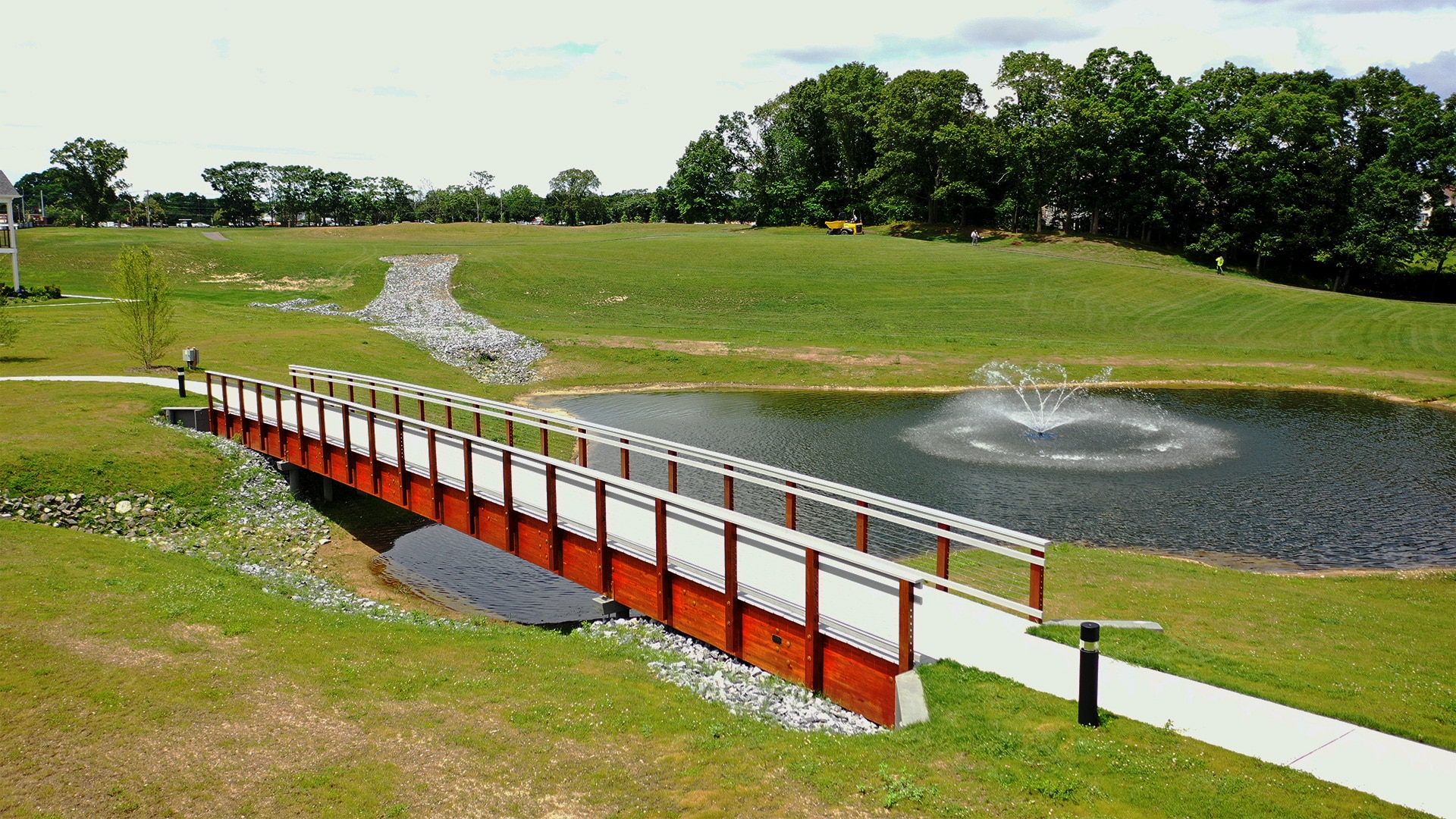
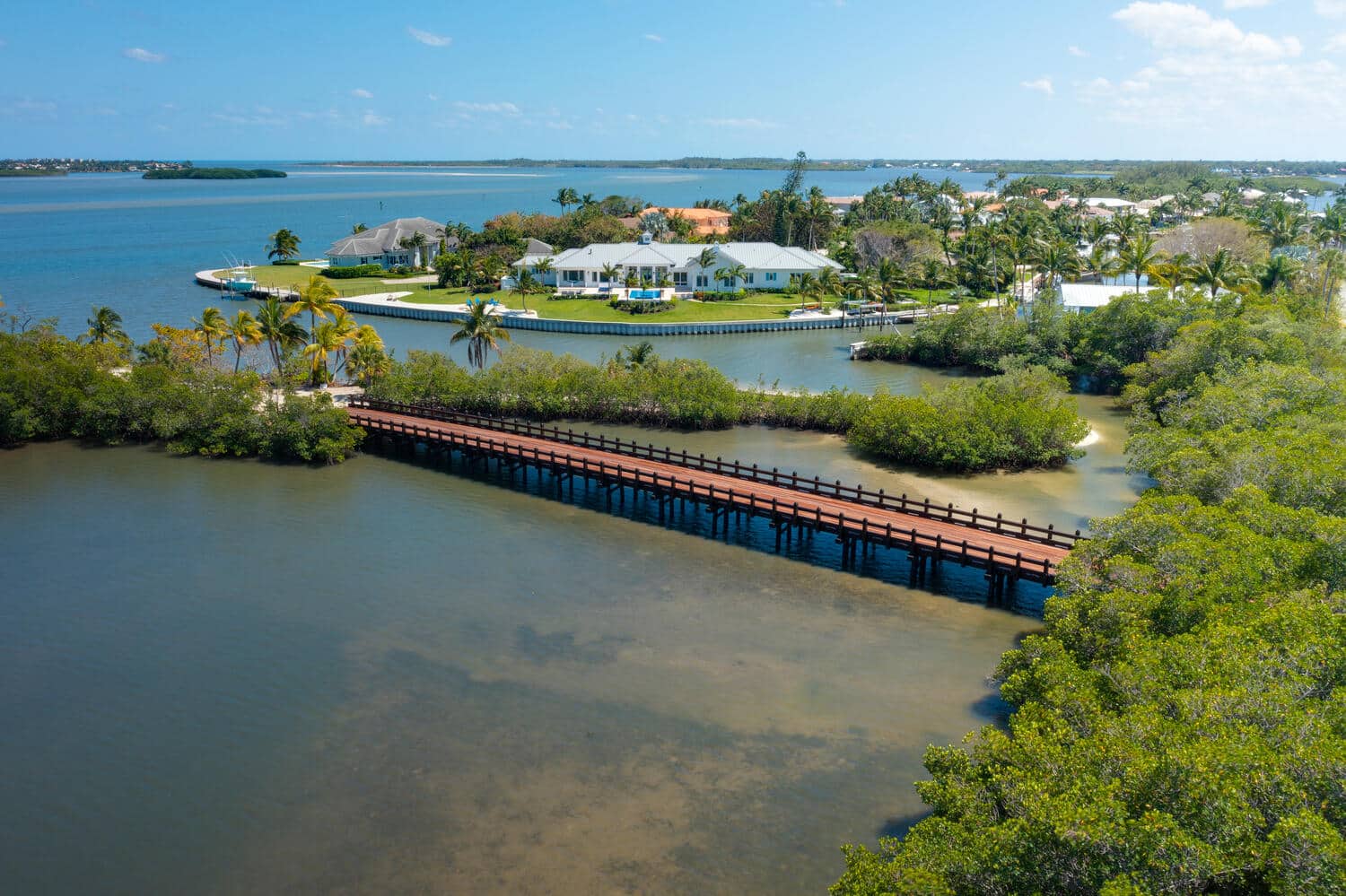
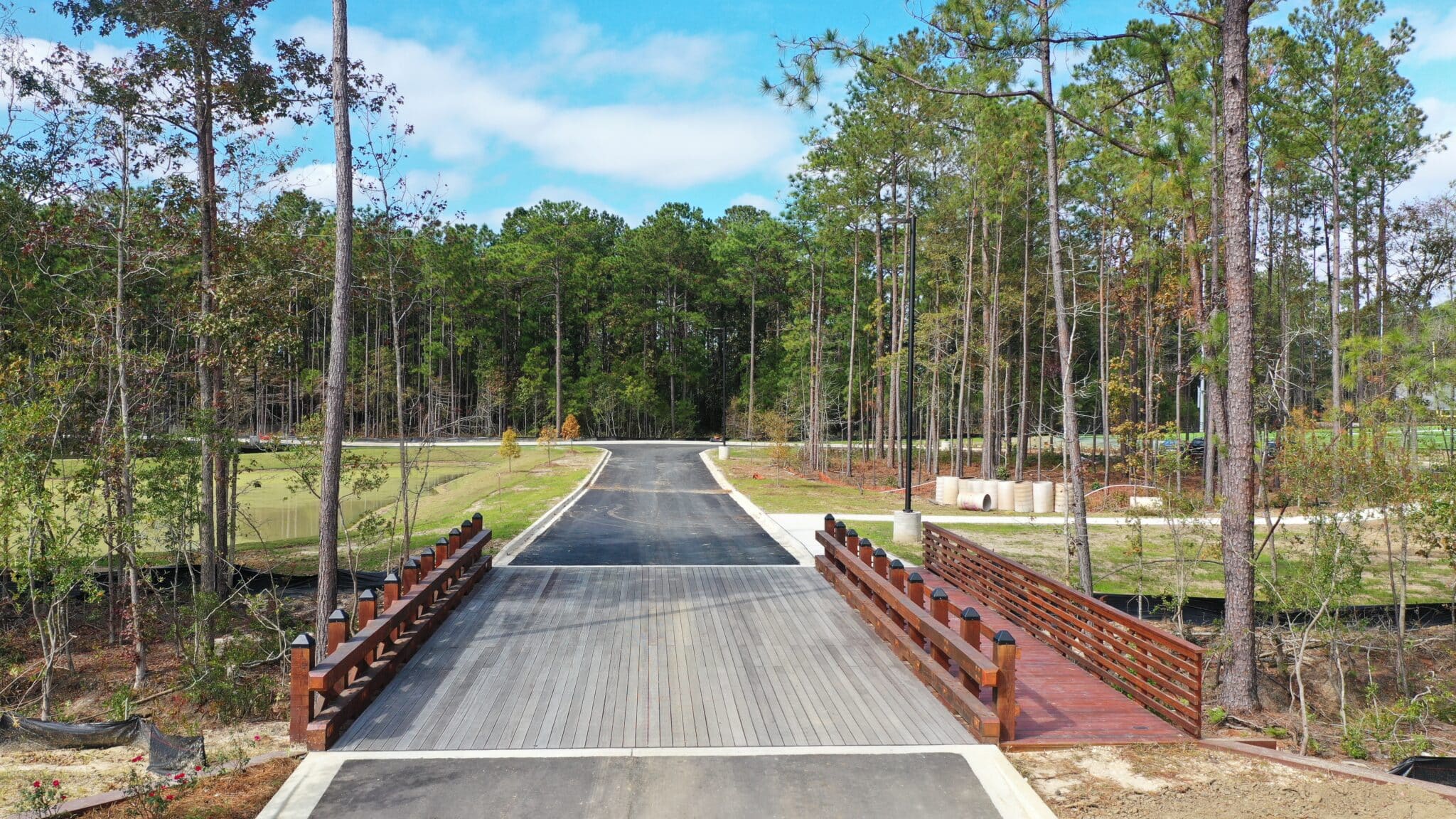
Stonehill College panoramic view of the bridge built by York Bridge Concepts in Easton, MA

Sustainability in Higher Education Infrastructure

Massachusetts colleges and universities have become national leaders in sustainability, integrating renewable materials and energy-efficient systems into every corner of campus life. The Reverend Thomas Feeley Bridge at Stonehill College aligns with this mission by showcasing how engineered timber bridges contribute to low-carbon, high-impact infrastructure.

Unlike steel or concrete, timber is a renewable resource that actively contributes to carbon sequestration throughout its lifespan. The Southern Yellow Pine used in the bridge's construction is pressure-treated for strength, longevity, and resistance to moisture--critical for New England's variable weather patterns. Each plank and beam acts as a natural carbon storehouse, aligning perfectly with the Massachusetts Green Communities Act and the state's decarbonization goals.

In this way, YBC bridges serve as functional sustainability statements--connecting more than physical spaces. They connect environmental stewardship, architectural identity, and academic purpose in a seamless flow.


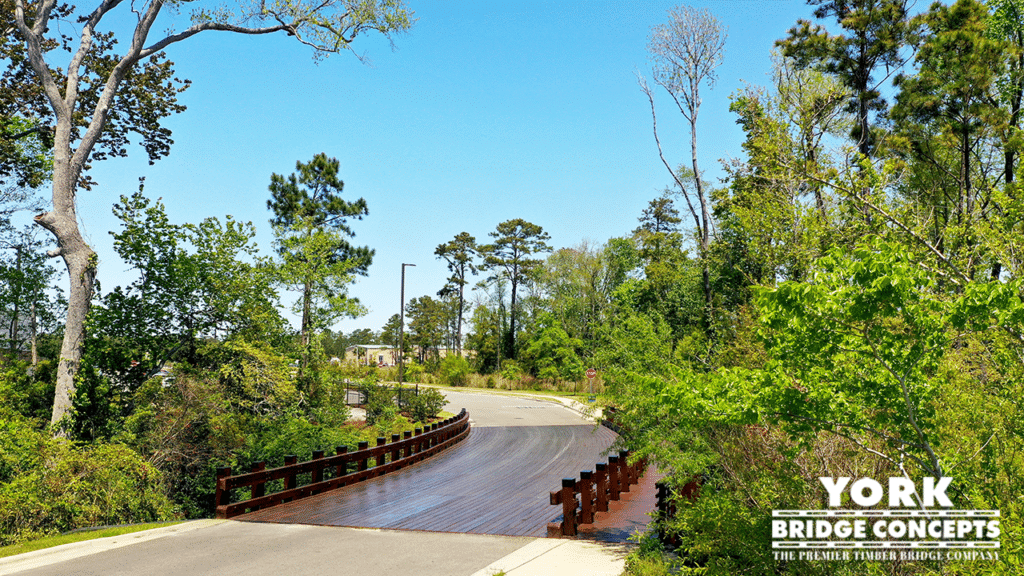
Stonehill College aerial view of campus with pedestrian bridge built by York Bridge Concepts in Easton, MA

Designing for a Collegiate Setting

Stonehill College, nestled in the heart of Easton, Massachusetts, is known for its scenic campus--tree-lined paths, reflective ponds, and an atmosphere conducive to contemplation and community. The Reverend Thomas Feeley Bridge complements this environment by blending natural materials with the architectural vernacular of the college.

YBC's Decero™ Design Studio worked closely with Stonehill administrators to achieve an achieve an aesthetic balance between timeless craftsmanship and modern engineering. The result is a structure that feels as though it has always belonged--enhancing both form and function across the campus.

Key design highlights include:

  • Custom-engineered glulam beams designed to meet vehicular loading requirements while maintaining a natural appearance
  • Legacy Series handrail system featuring clean lines, painted finishes, and traditional post-cap detailing
  • A rich, warm stain palette that complements both surrounding vegetation and campus architecture
  • Integration with the existing pedestrian network, linking key campus facilities and enhancing accessibility

By combining these design elements, the bridge becomes more than infrastructure--it becomes part of Stonehill's identity.


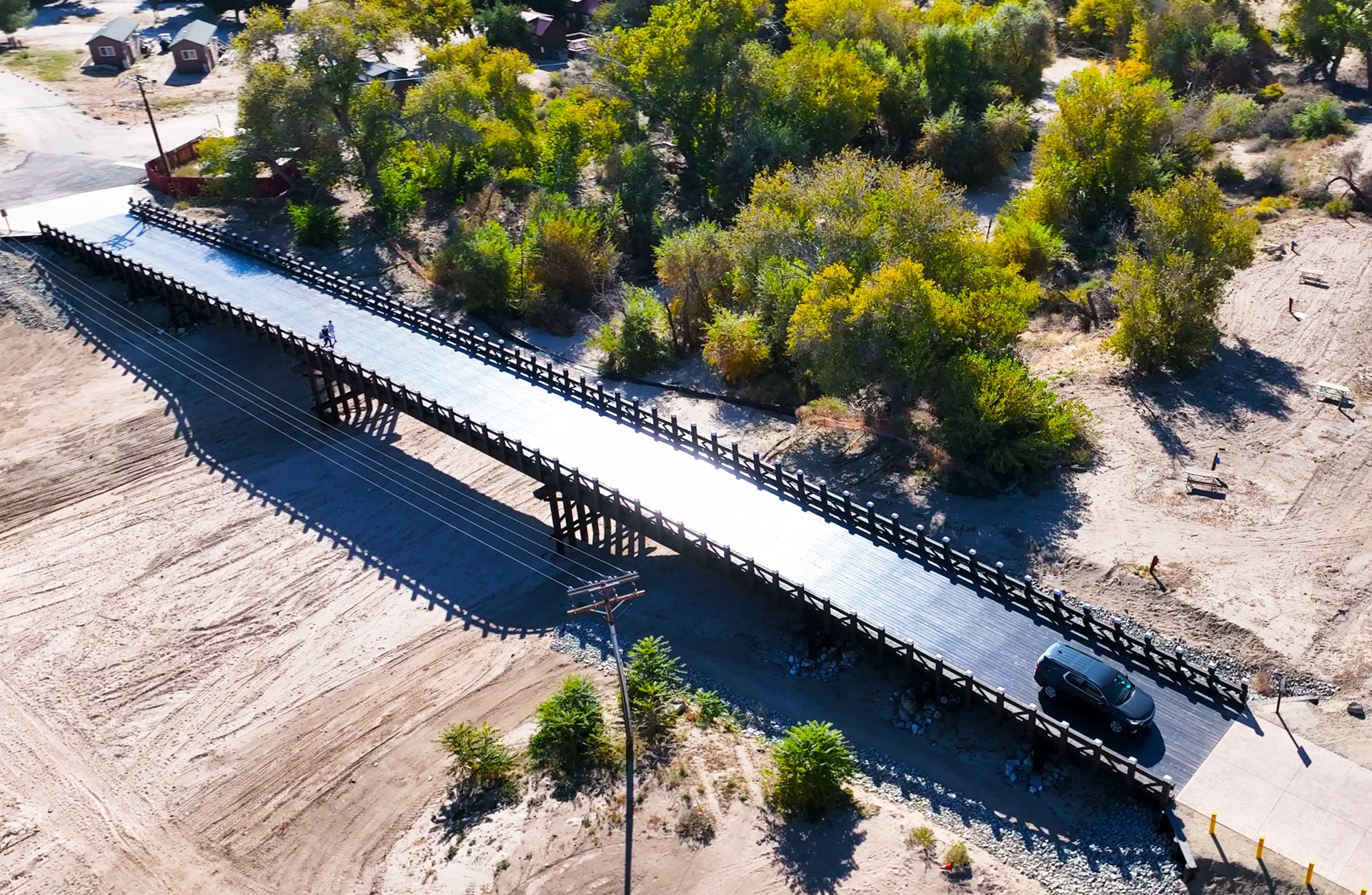
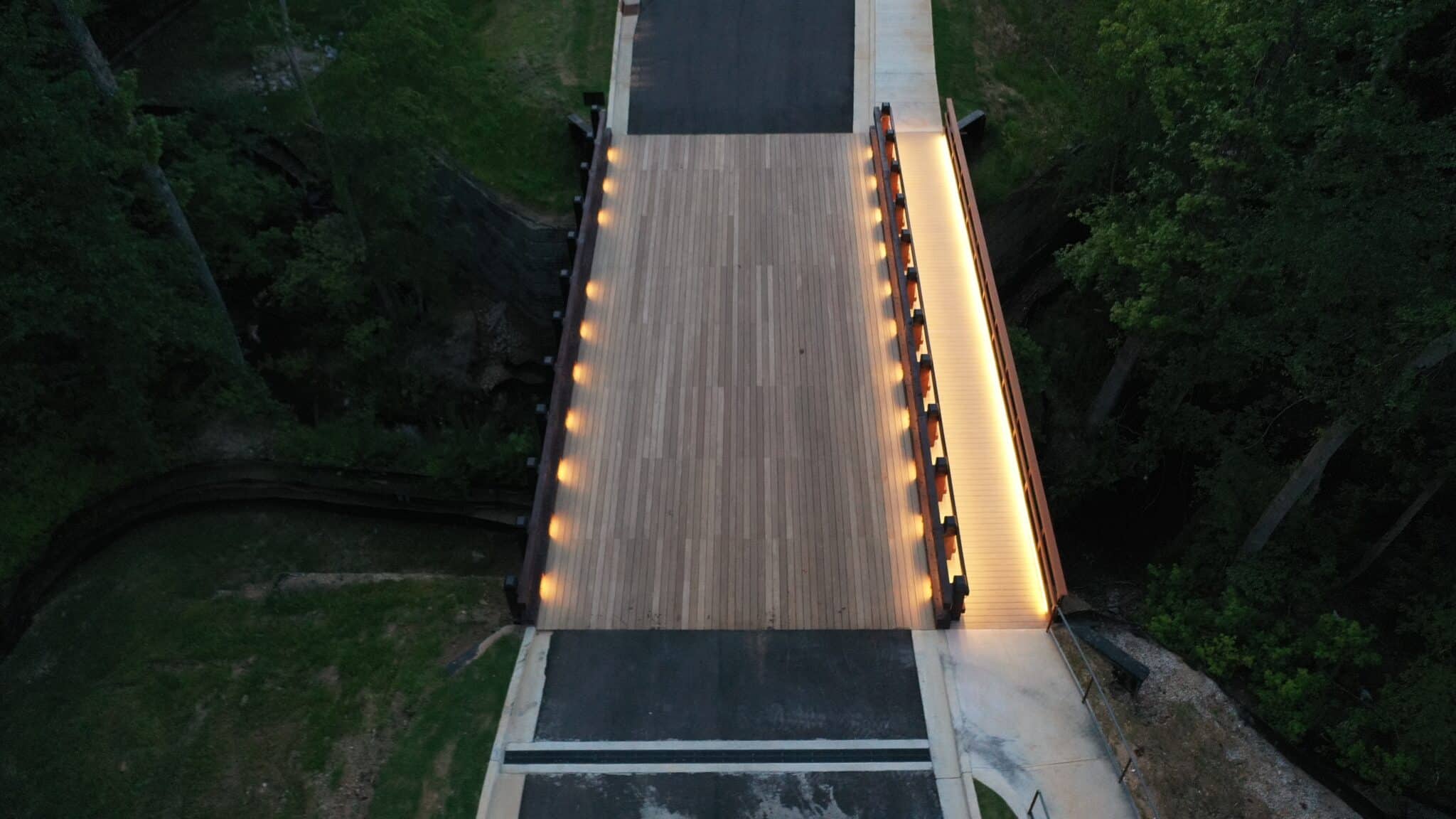
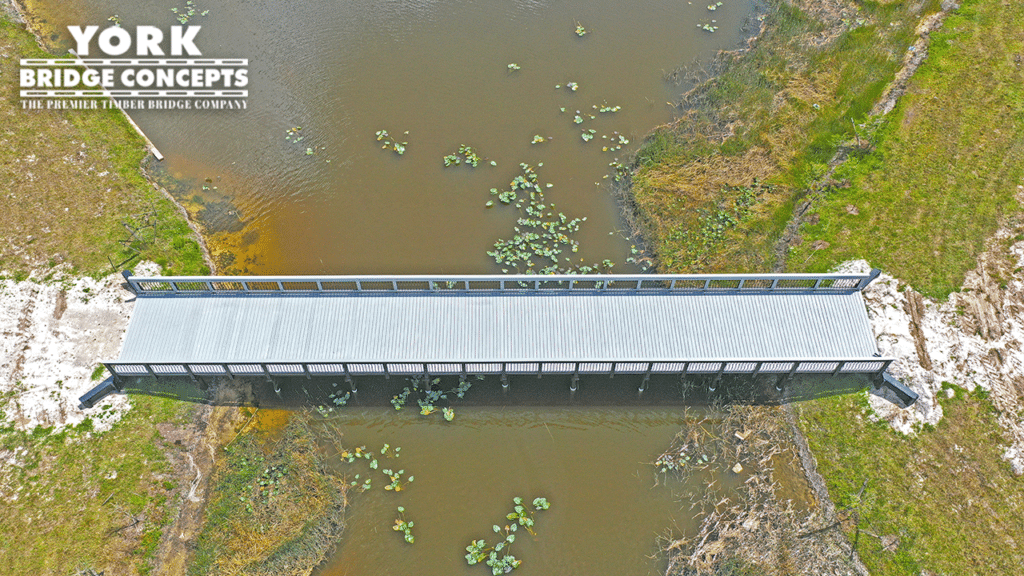
Stonehill College birds eye view of the pedestrian multispan bridge by York Bridge Concepts in Easton, MA

The Role of Maintenance in Lifespan Extension

When properly maintained, timber bridges can easily achieve 75-year life spans, making them cost-effective over time. YBC's ongoing partnership with Stonehill College demonstrates how preventive care and professional inspection cycles yield exceptional return on investment.

Routine maintenance typically includes:

  • Annual surface inspection for coatings and hardware
  • Minor touch-ups to protect against UV and moisture
  • Periodic structural inspections every 3-5 years by licensed engineers
  • Deck cleaning and sealing to preserve slip resistance and aesthetic integrity

Because YBC structures are designed with field-serviceability in mind, campus facilities teams can perform most maintenance tasks in-house, reducing, long-term costs. When deeper inspections or refinishing are required, YBC's specialists provide full-service support--including paint matching, recoating systems, and load evaluations.

This maintenance-forward approach exemplifies what makes the company's projects the gold standard in Massachusetts college infrastructure.


Engineering for New England Conditions

The climate in Massachusetts presents unique challenges for outdoor structures: fluctuating humidity, freeze-thaw cycles, heavy rainfall, and occasional snow accumulation. YBC engineering solutions are tailored for precisely these conditions.

1. Structural Durability

Glulam beams-crafted from multiple layers of high-strength timber--offer exceptional load-bearing capacity. This makes them ideal for pedestrian and light vehicular use on college campuses, where utility vehicles and maintenance trucks need reliable access across water features or wetlands.

2. Coating Systems

The bridge features an industrial-grade polymer coating system that provides long-term UV resistance and moisture protection while retaining its color vibrancy. The coating system used on the Feeley Bridge has performed so well that reapplication needs are minimal, even after years of New England weather exposure.

3. Hardware Integrity

YBC employs hot-dipped galvanized and stainless-steel hardware to prevent corrosion-a crucial element in Massachusetts' humid and coastal environments. This attention to detail ensures each component retains structural soundness for decades.

4. Thermal and Moisture Movement

Timber expands and contracts naturally with temperature and moisture changes. YBC's engineering team accounted for this through precise joinery, venting, and spacing details, ensuring that structural integrity is maintained through all four seasons.


Stonehill College boardwalk

The Broader Impact: Enhancing Campus Connectivity

A bridge on a college campus is more than a piece of infrastructure--it's a connector of experiences. The Reverend Thomas Feeley Bridge enhances daily life at Stonehill College in multiple ways:

  • Accessibility: The bridge enables safe passage for pedestrians, bicycles, and maintenance vehicles across a water feature that once divided the campus.
  • Safety: Built with durable guardrails and non-slip coatings, it provides year-round reliability even in icy or wet conditions.
  • Community: By physically connecting residence halls, classrooms, and recreational spaces, it encourages interaction and movement between student groups.
  • Aesthetics: Its natural wood finish complements the landscape and creates a scenic focal point, often featured in campus tours and promotional materials.

In doing so, YBC has not only delivered a bridge--it has strengthened the physical and emotional fabric of the Stonehill community.


A Symbol of Environmental and Institutional Stewardship

In today's competitive higher education landscape, campus appearance and sustainability credentials are major differentiators. Students and faculty increasingly seek institutions that align with their values--particularly in the realm of environmental responsibility. Stonehill College's decision to work with YBC reflects a strategic investment in sustainable infrastructure that aligns with its mission and enhances its brand.

The Reverend Thomas Feeley Bridge serves as a visible demonstration of:

  • Sustainable campus planning
  • Long-term cost efficiency
  • Commitment to community and environmental stewardship
  • Massachusetts leadership in climate-conscious infrastructure

These values resonate strongly with prospective students, alumni donors, and accreditation boards--further positioning Stonehill as a model for responsible campus development.


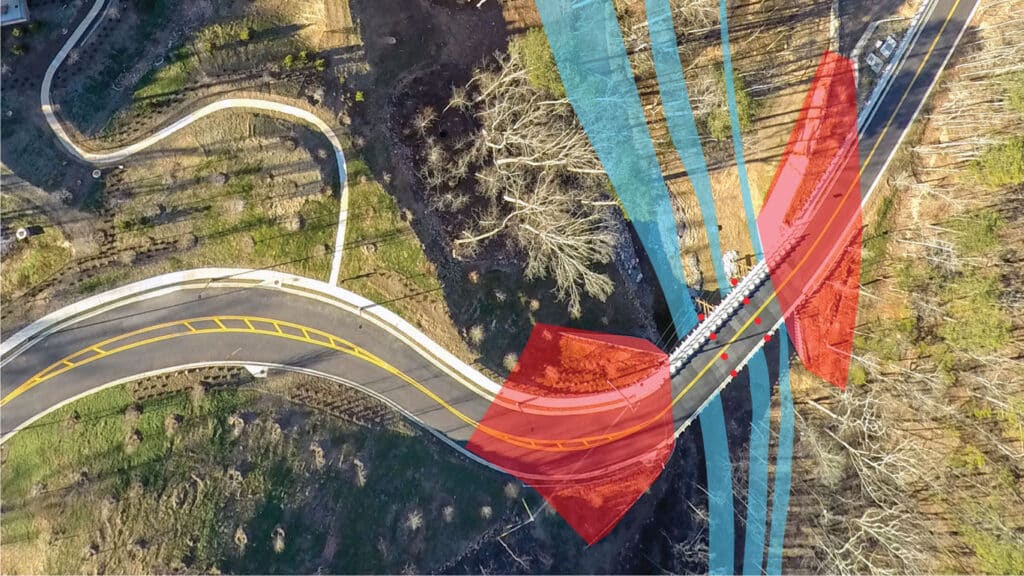
Stonehill College multi span structures crossing over the creek built by York Bridge Concepts in Easton, MA

Bridging Innovation & Tradition

YBC's Legacy Series bridges are renowned for blending craftsmanship with innovation. The Reverend Thomas Feeley Bridge is no exception. While its appearance recalls the charm of classic covered or timber footbridges, its underlying engineering reflects decades of research and modern performance standards.

YBC's proprietary design process integrates:

  • AASHTO design standards for load ratings
  • Finite element analysis (FEA) for stress distribution
  • Custom deflection modeling to ensure smooth performance under both pedestrian and vehicular use
  • Long-term environmental load predictions based on regional climate data

This fusion of artistry and analysis defines YBC's approach to Massachusetts college infrastructure, where history, design, and innovation intersect.


Adapting the Model for Future Campus Projects

The success of the Feeley Bridge underscores how timber infrastructure can support the evolution of college campuses statewide. From Amherst to Worcester to Cambridge, Massachusetts institutions continue to seek durable, low-carbon materials that align with their long-term master plans.

Potential applications include:

  • Pedestrian connectors between residence halls and recreational zones
  • Vehicular bridges for facilities and service access
  • Boardwalks and observation decks in conservation areas or arboretums
  • Entry bridges that establish a distinctive arrival experience for visitors

Each of these applications benefits from YBC's Decero™ process, which begins with a blank slate--custom-designing each structure around the terrain, hydrology, and architectural vision of the site. The result is infrastructure that feels tailor-made for its institution, both functionally and symbolically.


Educational Value: Teaching Through Design

Beyond physical function, the Feeley Bridge at Stonehill also serves as a living classroom. Architecture, environmental science, and civil engineering students can study its design as an example of sustainable construction principles. This intersection between academic learning and built environment reinforces the value of integrated design-build partnerships in higher education.

By prioritizing craftsmanship and environmental awareness, YBC's work demonstrates how Massachusetts college infrastructure can serve dual purposes--enhancing operations while inspiring the next generation of designers, builders, and environmental stewards.


Collaborative Design: From Vision to Reality

Every YBC project begins with a collaborative consultation phase, engaging key campus stakeholders--administrators, facility managers, and architects--to define the bridge's purpose and aesthetic direction. For Stonehill College, this meant balancing tradition and modernity. The Reverend Thomas Feeley Bridge was envisioned not just as a functional element but as a landmark that honors the college's heritage and namesake.

Through YBC's design-build delivery model:

  • Design: YBC's Decero™ Studio created conceptual renderings that visualized color palettes, rail configurations, and lighting options.
  • Engineering: The team applied AASHTO HS20-44 load design standards to ensure structural compliance for maintenance vehicles.
  • Construction: Field crews employed Deck-Level Construction to minimize disruption to the site and protect local wetlands.
  • Inspection & Maintenance: Post-construction evaluations guarantee continued performance and longevity.

This integrated process reduces risk, shortens project timelines, and ensures aesthetic alignment form the first sketch to the final installation.


Image

Legacy In Every Timber

For York Bridge Concepts, the word "legacy" defines both craftsmanship and commitment. Each bridge is built to tell a story--of community, of place, and of endurance. The Reverend Thomas Feeley Bridge tells the story of Massachusetts' tradition of academic excellence intertwined with forward-thinking sustainability.

From the precision of joinery to the endurance of coatings, every detail reflects YBC's dedication to legacy craftsmanship. The bridge remains a shining example of how to merge natural beauty with engineered performance, proving that timber bridges are not relics of the past, but symbols of future-ready design.


Building the Future of Massachusetts College Infrastructure

The Reverend Thomas Feeley, C.S.C. Bridge at Stonehill College stands as an enduring symbol of what is possible when design, sustainability, and innovation converge. As colleges and universities across Massachusetts continue to modernize their campuses, YBC's Decero™ Design-Engineer-Build approach offers a proven blueprint for success. 

Through this bridge, York Bridge Concepts has demonstrated that:

  • Timber bridges deliver long-term value through durability and ease of maintenance.
  • Sustainable materials can outperform traditional ones while enhancing campus aesthetics.
  • Thoughtful engineering ensures compatibility with both pedestrian and light vehicular needs.
  • Legacy design fosters emotional connection, academic pride, and timeless appeal.

As the state continues investing in resilient, carbon-conscious infrastructure, the Reverend Thomas Feeley Bridge shines as a model for what Massachusetts college infrastructure can achieve--a perfect union of tradition, technology, and timeless beauty.


REQUEST YOUR QUOTE

All Feature Projects


What's Best: A Culvert Or A Timber Bridge?

Understand the considerations you should make before choosing your crossing method.

What Is The Best Span Type For My Project?

See how creative scoping, design, & usage work to create the perfect spanning solution for your project.

Which Load Capacity I Need?

Understand the different load capacities for usage that are needed for your project.

How Do I Cross An Environmentally Sensitive Area?

Learn how YBC crosses protected areas with our Deck-Level Construction.

How Do I Create A Landmark?

Create a memorable icon for your development project with a YBC Legacy Timber Bridge.

How Long Does A Timber Bridge Last?

Extend the lifespan of your timber bridge to over 75 years using these guidelines, material selection, protection & maintenance practices.


Placeholder Image

Culvert Or Bridge

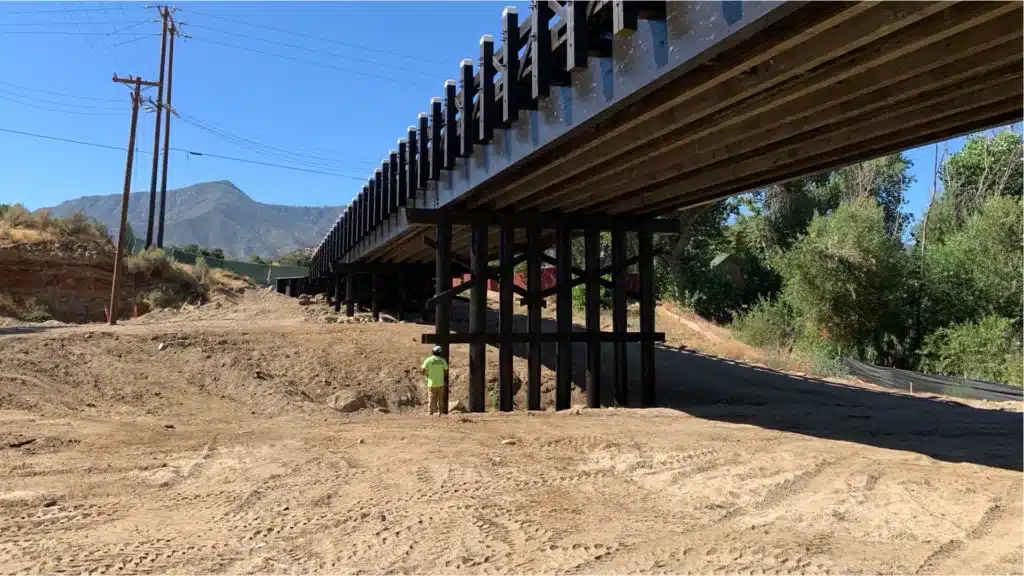
If you're considering using a culvert for your crossing project. Click below to understand the best fit for your project.
Culvert Or Bridge
Placeholder Image

Spanning Solutions

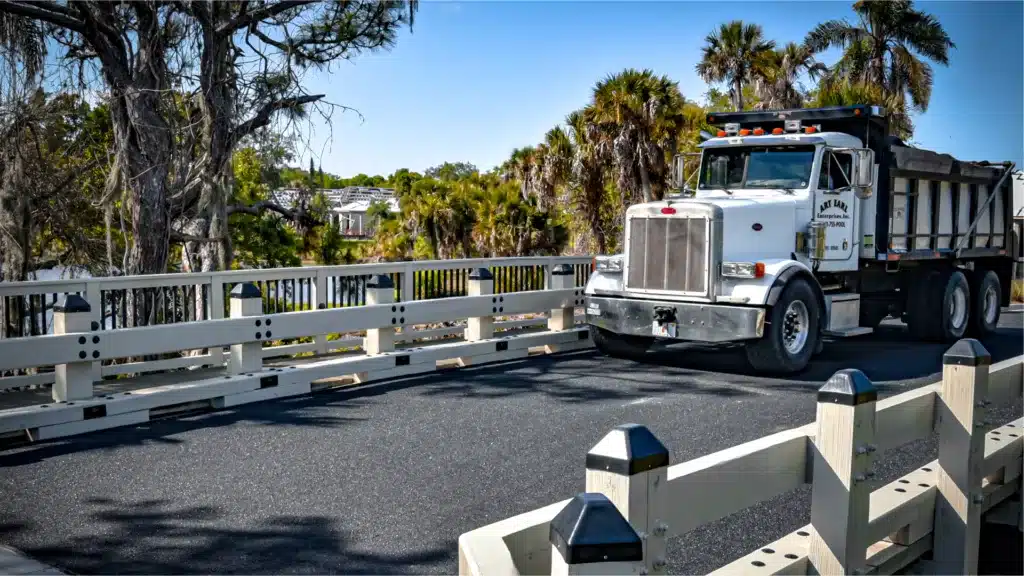
Spanning a crossing is one of the most important aspects of your crossing project. Find the best solution for your crossing needs.
Spanning Types
Placeholder Image

Uses & Capacities

The load capacity of a timber bridge may surprise you. See specs for different loads and uses that will help your decision-making process.

Bridge Loads & Usages
 

All Feature Projects


What's Best: A Culvert Or A Timber Bridge?

Understand the considerations you should make before choosing your crossing method.

What Is The Best Span Type For My Project?

See how creative scoping, design, & usage work to create the perfect spanning solution for your project.

Which Load Capacity I Need?

Understand the different load capacities for usage that are needed for your project.

How Do I Cross An Environmentally Sensitive Area?

Learn how YBC crosses protected areas with our Deck-Level Construction.

How Do I Create A Landmark?

Create a memorable icon for your development project with a YBC Legacy Timber Bridge.

How Long Does A Timber Bridge Last?

Extend the lifespan of your timber bridge to over 75 years using these guidelines, material selection, protection & maintenance practices.


Placeholder Image

Culvert Or Bridge

If you're considering using a culvert for your crossing project. Click below to understand the best fit for your project.

Culvert Or Bridge
Placeholder Image

Spanning Solutions

Spanning a crossing is one of the most important aspects of your crossing project. Find the best solution for your crossing needs.

Spanning Types
Placeholder Image

Uses & Capacities

The load capacity of a timber bridge may surprise you. See specs for different loads and uses that will help your decision-making process.

Bridge Loads & Usages