Timber Bridge Span Types

Choosing the Right Span Type for Your Timber Bridge Project

Every successful bridge project begins with one fundamental question:

What span type is best suited for the crossing?

While aesthetics, materials, and loading requirements are all important considerations, the span configuration ultimately determines how a bridge interacts with its environment, performs structurally, and impacts project costs. The correct span type allows a bridge to safely cross waterways, wetlands, ravines, roadways, and environmentally sensitive landscapes while minimizing environmental impacts and maximizing long-term value.

At York Bridge Concepts, selecting the optimal span type is one of the first steps in our Design-Engineer-Build™ process. Every project is evaluated individually to determine the most efficient structural solution based on site conditions, environmental constraints, bridge length, permitting requirements, hydraulic conditions, and architectural goals. YBC’s timber bridge engineering approach includes five primary spanning solutions: Repetitive Span, Short Span, Free Span, Multiple Span, and Multiple Long Span.

What Is a Bridge Span?

A bridge span is the distance between two structural supports.

Depending on the site, a bridge may consist of:

  • A single span
  • Multiple connected spans
  • Long-span structural systems
  • Pile-supported repetitive spans
  • Hybrid span configurations

The ideal span configuration depends on numerous factors, including:

  • Crossing length
  • Water depth
  • Soil conditions
  • Environmental buffers
  • Floodplain requirements
  • Hydraulic flow
  • Access limitations
  • Bridge loading
  • Construction methodology

No two bridge sites are identical, which is why every York Bridge Concepts bridge is engineered specifically for its environment.

Why Span Selection Matters

Choosing the correct span type influences nearly every aspect of a bridge project.

Benefits of selecting the proper spanning solution include:

  • Improved structural efficiency
  • Lower construction costs
  • Reduced environmental impacts
  • Faster construction
  • Simplified permitting
  • Better hydraulic performance
  • Enhanced architectural flexibility
  • Longer service life

Rather than forcing one bridge solution onto every project, York Bridge Concepts evaluates the crossing first and then develops the span configuration best suited for that location.

Our Five Primary Timber Bridge Span Types

York Bridge Concepts designs timber bridges using five primary spanning solutions.

Each offers unique advantages depending on the project requirements.

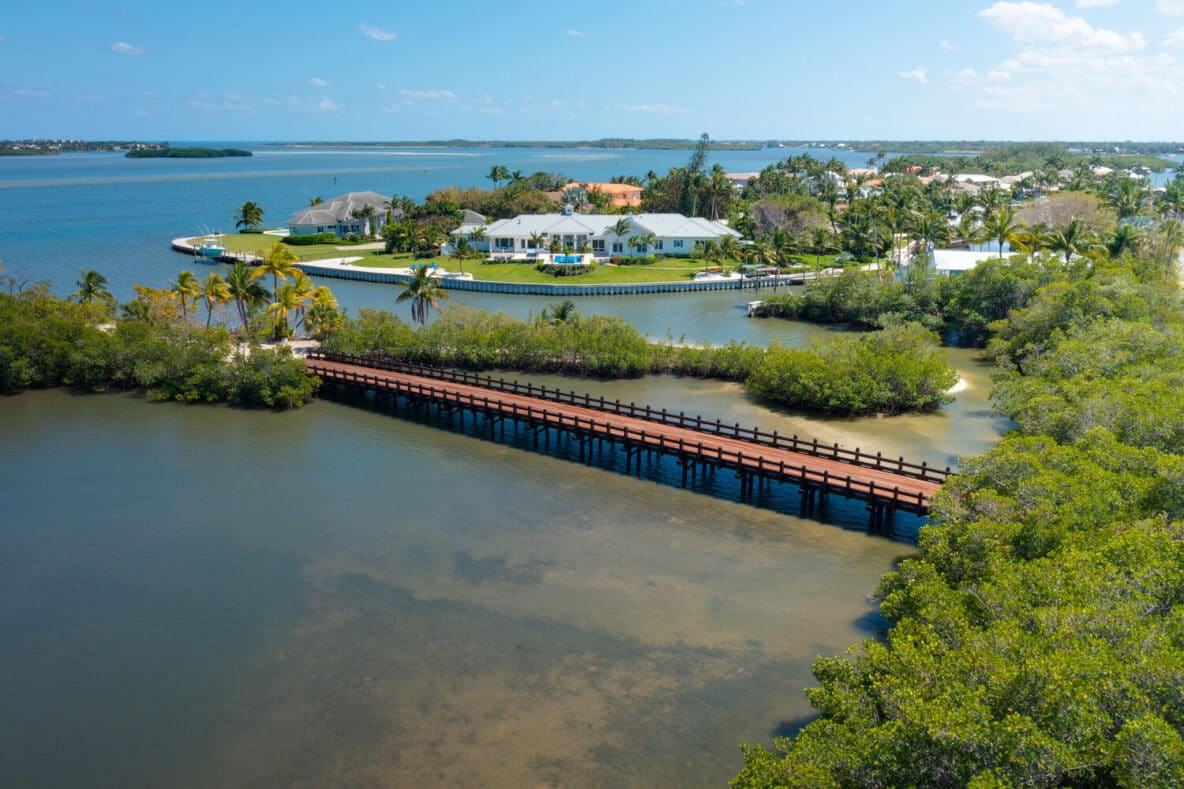
Repetitive Span Bridges

Repetitive span bridges utilize multiple closely spaced supports that efficiently distribute structural loads across the crossing.

These bridges are ideal for:

  • Wetlands
  • Long crossings
  • Floodplains
  • Marshes
  • Environmentally sensitive areas
  • Curving bridge alignments

Benefits include:

  • Cost-effective construction
  • Excellent adaptability to rolling terrain
  • Minimal environmental disturbance
  • Flexible bridge geometry
  • Efficient construction sequencing

Repetitive span systems are among the most frequently used bridge types because they provide exceptional versatility across a wide variety of crossing environments.

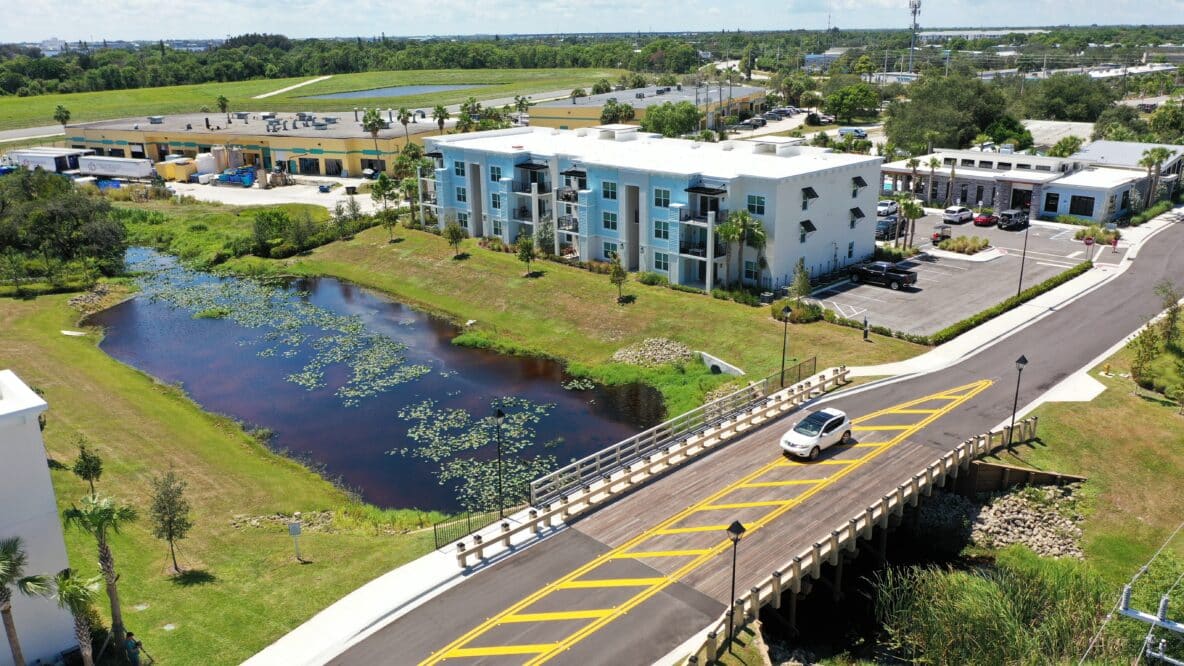
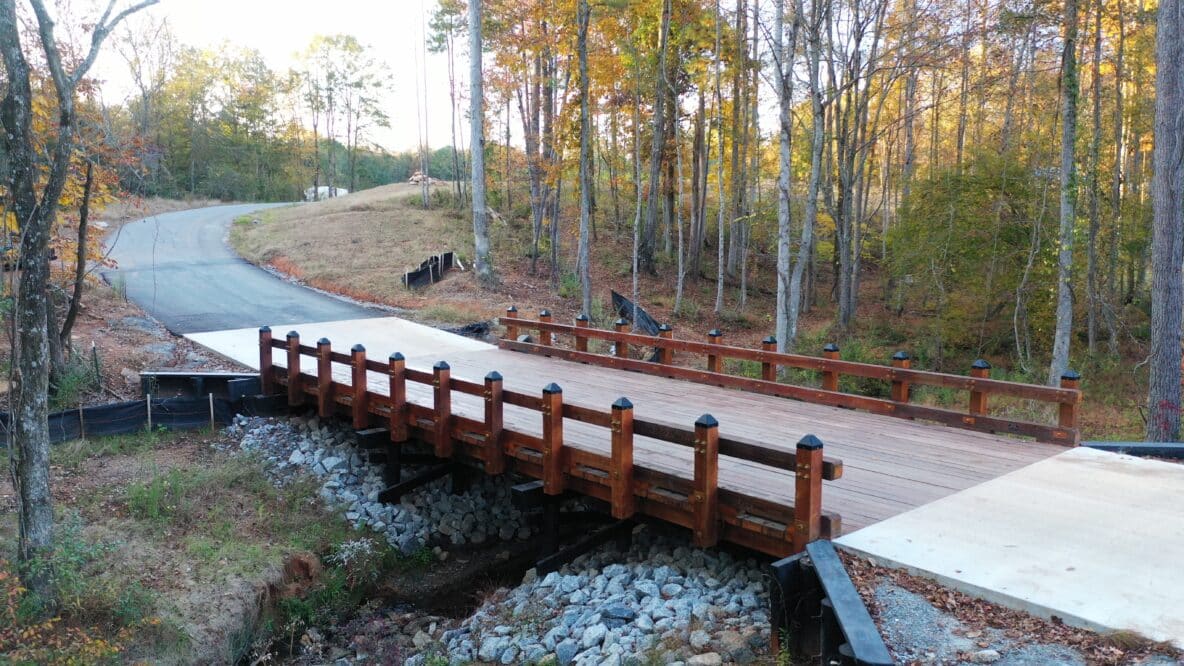
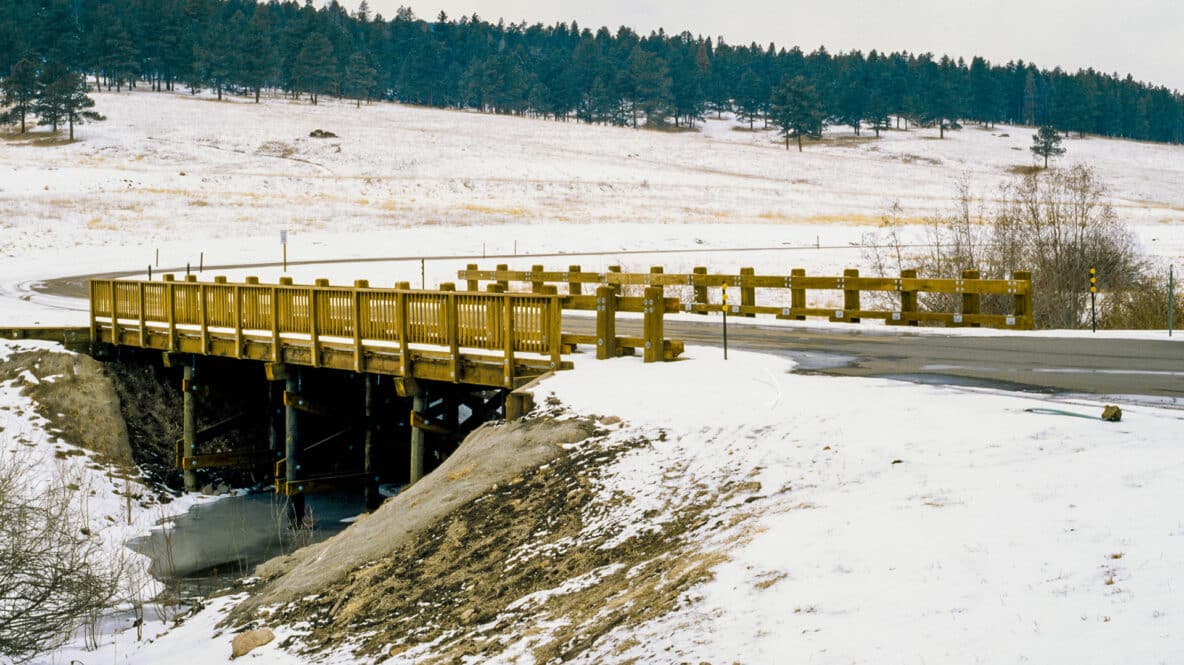
Short Span Bridges

Short span bridges provide economical solutions for relatively small crossings.

Typical applications include:

  • Small streams
  • Drainage channels
  • Trail crossings
  • Park pathways
  • Golf courses
  • Residential developments

Advantages include:

  • Lower construction costs
  • Simplified foundations
  • Reduced site disturbance
  • Efficient installation
  • Excellent architectural flexibility

Short span bridges often deliver significant value while requiring fewer structural components than larger bridge systems.

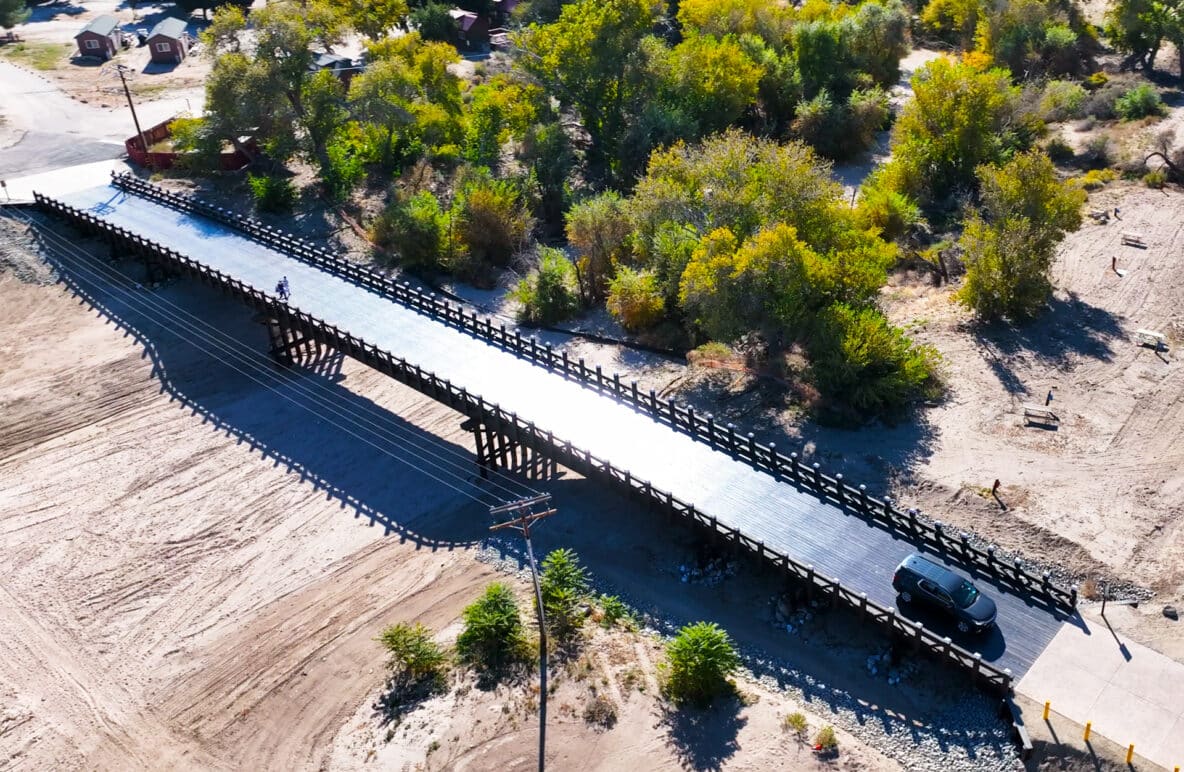
Free Span Bridges

Free span bridges eliminate intermediate supports within the crossing.

Instead, the bridge transfers loads directly between the end supports.

Free span bridges are commonly selected for:

  • Rivers
  • Deep ravines
  • Navigation channels
  • Environmentally sensitive waterways
  • Scenic crossings

Benefits include:

  • No piers within waterways
  • Reduced hydraulic impacts
  • Unobstructed water flow
  • Minimal habitat disturbance
  • Clean architectural appearance

Free span bridges are particularly valuable when environmental agencies seek to minimize impacts to streams, rivers, and aquatic ecosystems.

Multiple Span Bridges

Multiple span bridges combine longer bridge lengths with strategically placed intermediate supports.

Applications include:

  • Large community entrances
  • Wide wetlands
  • Lakes
  • Major drainage systems
  • Multi-use developments

Advantages include:

  • Cost competitiveness
  • Greater structural flexibility
  • Long crossing capability
  • Efficient material usage
  • Adaptability to complex site conditions

Multiple span systems provide an excellent balance between structural efficiency and construction practicality.

Multiple Long Span Bridges

Multiple long span bridges are engineered for some of the most challenging crossing environments.

These bridges are often selected for:

  • Major rivers
  • Extensive wetlands
  • Long floodplains
  • Transportation corridors
  • Signature community infrastructure

Benefits include:

  • Reduced number of foundations
  • Longer uninterrupted spans
  • Improved hydraulic performance
  • Enhanced architectural opportunities
  • Capability for complex site conditions

These systems are frequently utilized when projects require significant bridge lengths while minimizing the number of in-water supports.

Factors That Influence Span Selection

Selecting the proper span type involves evaluating far more than bridge length.

York Bridge Concepts considers:

Environmental Conditions

Protected wetlands, streams, floodplains, wildlife habitats, and conservation areas often influence span selection.

Hydrology

Water flow, flood events, scour potential, and drainage patterns all affect structural design.

Topography

Rolling terrain, steep grades, and changing elevations influence bridge geometry and support locations.

Access Constraints

Limited equipment access may favor certain span configurations over others.

Permitting Requirements

Environmental agencies frequently establish conditions that influence bridge layout and construction methods.

Bridge Function

Pedestrian bridges, vehicular bridges, golf cart bridges, and maintenance access routes often require different structural solutions.

Matching Span Types to Project Applications

Master-Planned Communities

Often utilize repetitive span and multiple span bridges to connect neighborhoods while minimizing environmental impacts.

Parks & Recreation

Frequently rely on short span and free span pedestrian bridges to improve trail connectivity.

Waterfront Developments

Benefit from free span and multiple span systems that preserve water flow and scenic views.

Resorts & Hospitality

Use custom span configurations to create memorable arrival experiences and signature amenities.

Municipal Infrastructure

Require span types that balance performance, durability, cost, and environmental compliance.

Private Estates

Often utilize short span or free span bridges to create elegant crossings over streams and ravines.

Deck-Level Construction™ Works Across Multiple Span Types

One of the advantages of partnering with York Bridge Concepts is that our proprietary Deck-Level Construction™ methodology can be utilized across a wide variety of span configurations.

Rather than requiring heavy equipment beneath the bridge, construction progresses from the bridge deck itself.

Benefits include:

  • Reduced wetland disturbance
  • Protection of vegetation
  • Reduced soil compaction
  • Preservation of waterways
  • Improved environmental stewardship
  • Enhanced construction efficiency

This methodology has become a defining characteristic of YBC’s sustainable bridge construction process.

The Design-Engineer-Build™ Advantage

Every bridge begins with understanding the crossing.

Our integrated Design-Engineer-Build™ process combines:

  • Site evaluation
  • Concept development
  • Span selection
  • Structural engineering
  • Environmental coordination
  • Construction planning
  • On-site installation

Because engineering, design, and construction are integrated under one team, YBC can optimize the span configuration to achieve the best balance of performance, constructability, sustainability, and aesthetics.

Why Choose York Bridge Concepts?

For more than 40 years, York Bridge Concepts has helped clients solve complex crossing challenges through innovative timber bridge engineering.

Clients choose YBC because of our:

  • More than 9,000 bridges built
  • Design-Engineer-Build™ methodology
  • Expertise in all major timber bridge span types
  • In-house engineering team
  • Sustainable construction practices
  • Proprietary Deck-Level Construction™ process
  • Nationwide and international experience

Whether the project requires a short pedestrian crossing or an extensive multiple long span vehicular bridge, every solution is engineered specifically for its environment.

Every Great Bridge Begins with the Right Span

There is no universal bridge solution.

Every crossing presents unique challenges.

Every landscape demands a different approach.

And every successful bridge begins by selecting the span type that best fits the site.

Whether your project requires a Repetitive Span, Short Span, Free Span, Multiple Span, or Multiple Long Span bridge, York Bridge Concepts has the experience, engineering expertise, and innovative construction methods to deliver a custom timber bridge solution that balances beauty, sustainability, and long-term performance.

November 17, 2025

Boch Hollow Free-Span Bridge | Ohio Nature Preserve Infrastructure | Logan, OH

Experience Ohio Preserve Infrastructure at its best with YBC’s 80’ free-span glulam timber bridge connecting trails at Boch Hollow State Nature Preserve.
November 6, 2025

Taylor Farm Park | Virginia Parks Infrastructure

Explore the 325’ Taylor Farm Pedestrian Bridge—YBC’s sustainable timber landmark redefining Virginia park infrastructure.
July 24, 2025

Serenbe Overlook Pedestrian Bridge – Chattahoochie Hills, GA

Discover the 120' Serenbe Pedestrian Bridge—built sustainably by York Bridge Concepts using Deck-Level Construction and Legacy Design.
July 23, 2025

Serenbe Cedar Creek | Double Lane Vehicular Bridge – Chattahoochie Hills, GA

Built on-site with sustainable timber, this double-lane bridge in Serenbe preserves Cedar Creek’s ecosystem using Deck-Level construction.
July 18, 2025

The Refinery Greenway Trail Bridge – Sugar Hill, GA

Discover how York Bridge Concepts' 112' Greenway Trail Bridge at The Refinery links luxury living to nature in Sugar Hill, GA.
July 17, 2025

Calloway Sigman Eco-Friendly Vehicular Bridge – Covington, GA

Discover how this eco-friendly vehicular bridge links Calloway Sigman to Covington Town Center using YBC’s sustainable Deck-Level construction.
June 25, 2025

Sullivan Ranch | Orlando Vehicular Bridge – Orlando, Florida

Discover how York Bridge Concepts’ 150? Classic Series Orlando vehicular bridge elevates Sullivan Ranch with sustainable style and safe access.
June 24, 2025

Ashburn Place Pedestrian Bridge – Ashburn, Virginia

Discover how York Bridge Concepts’ 45-ft Southern Yellow Pine pedestrian bridge unites Ashburn Place trails with timeless mahogany-stained beauty.