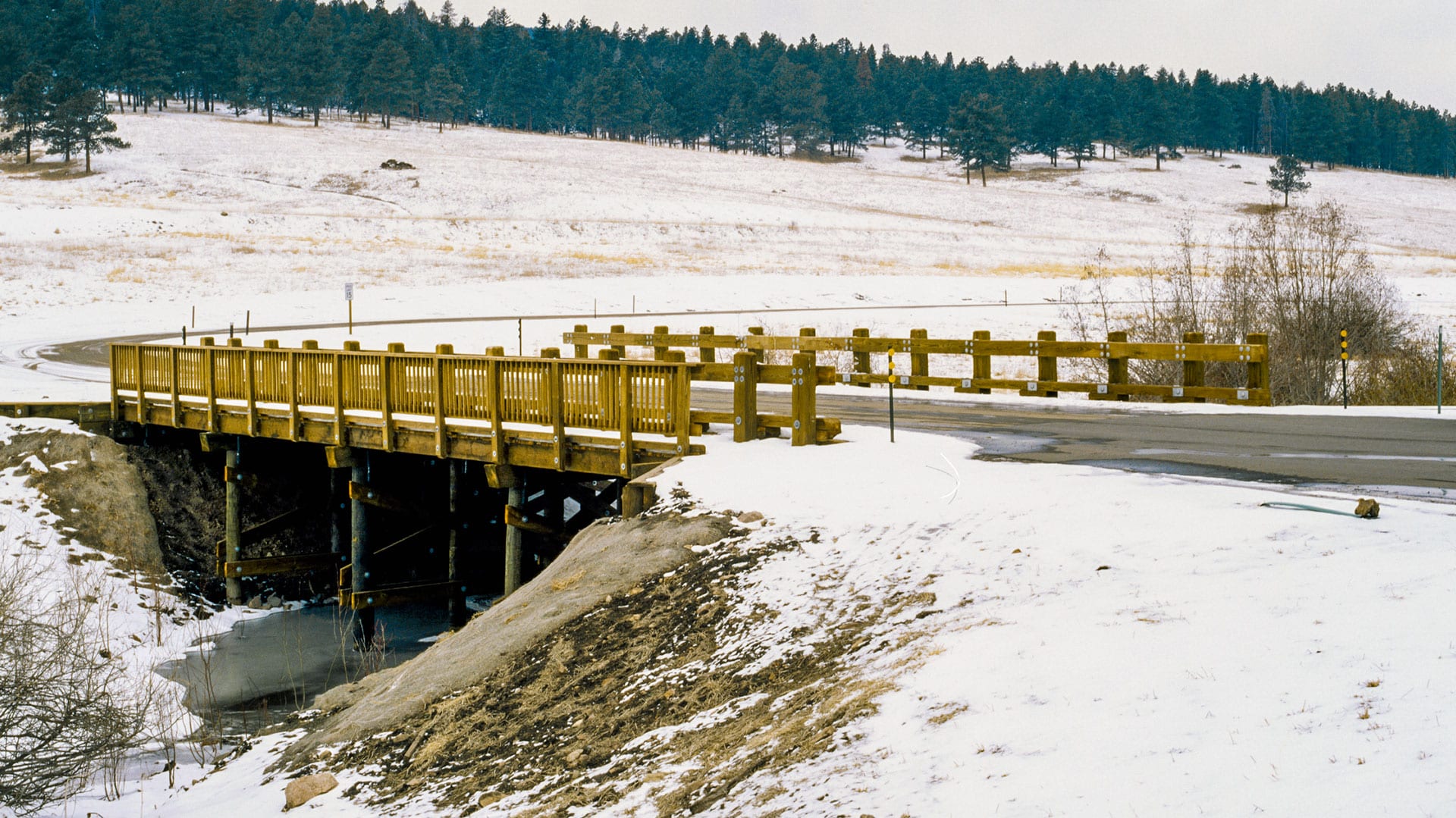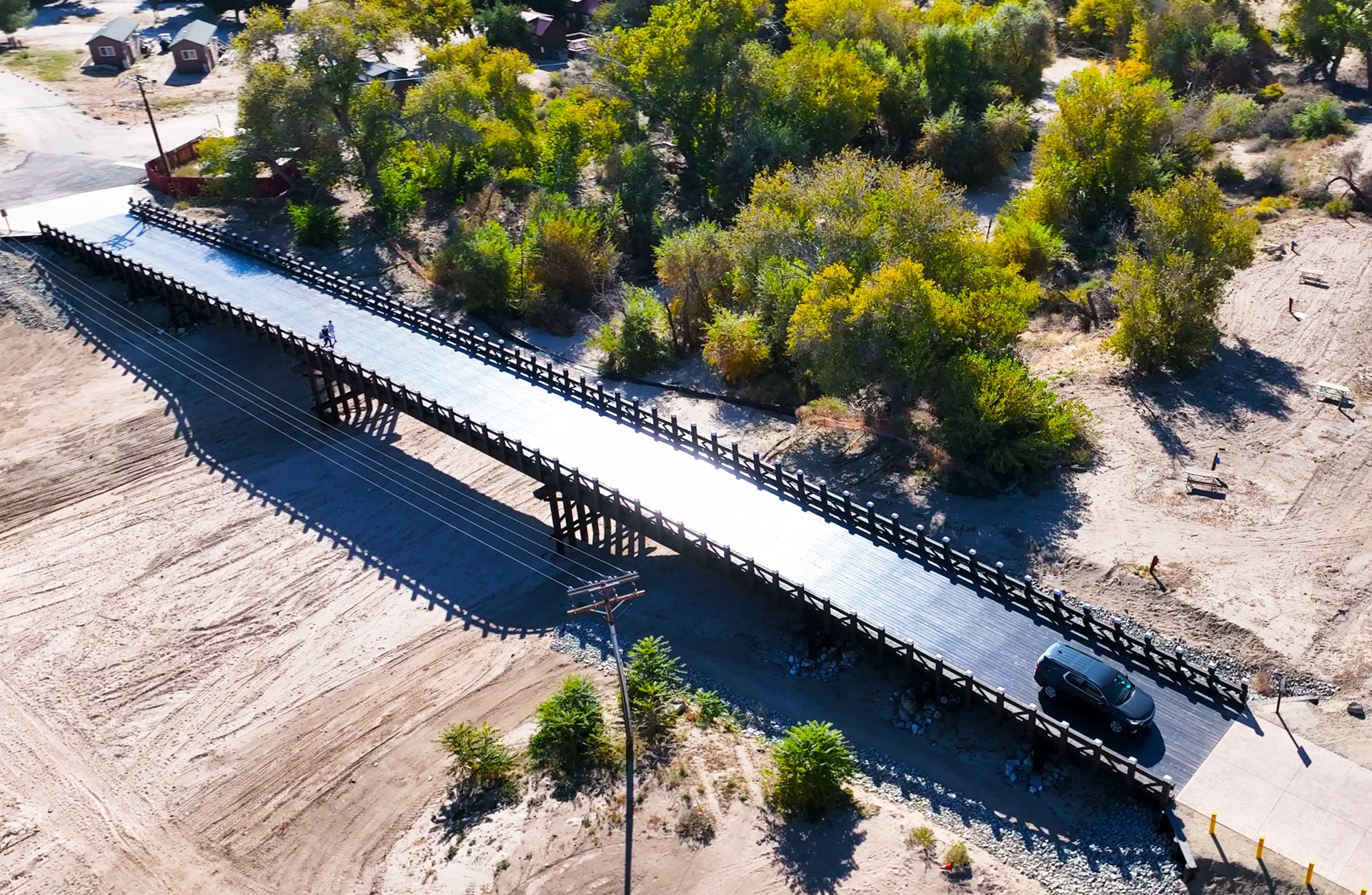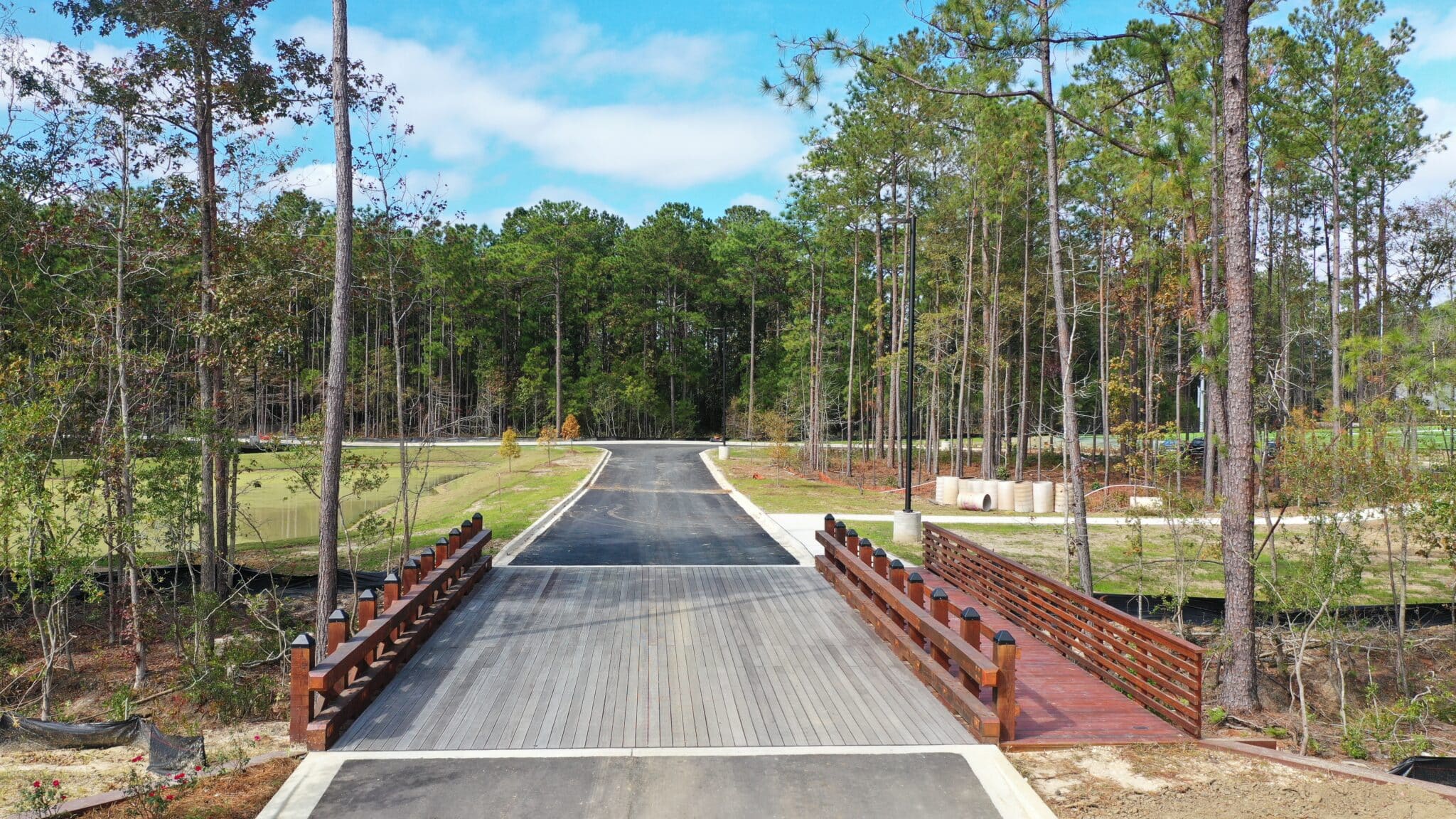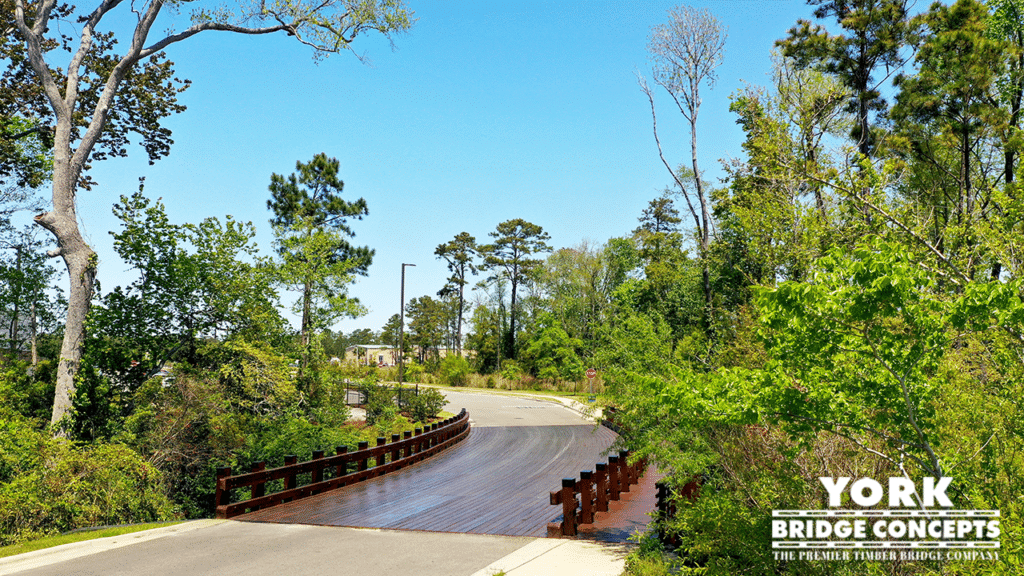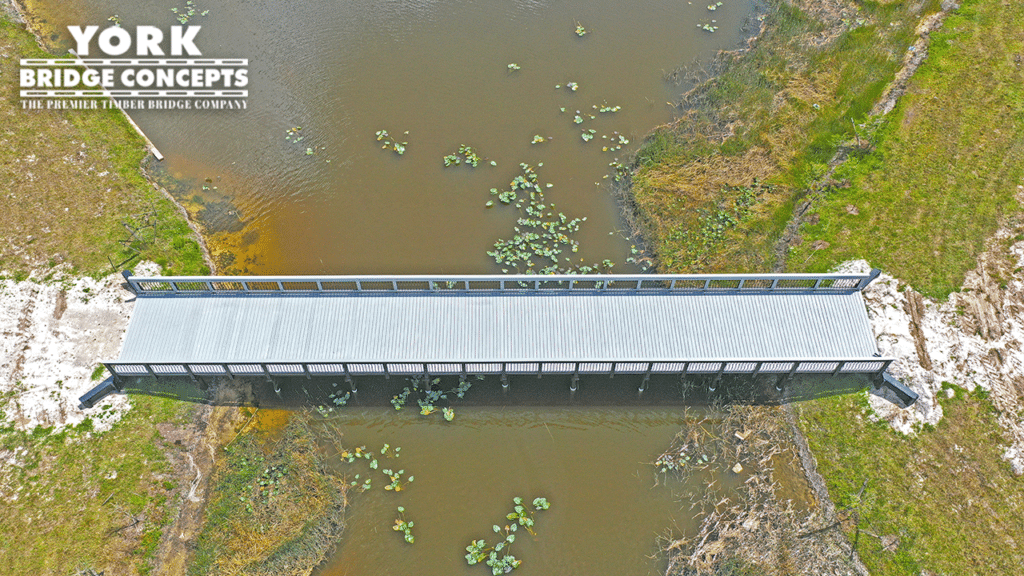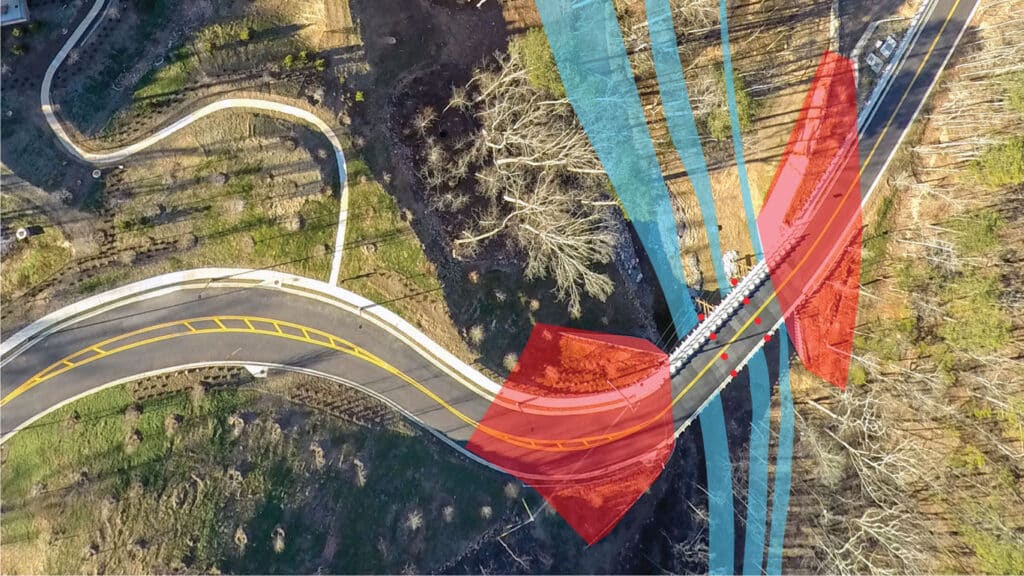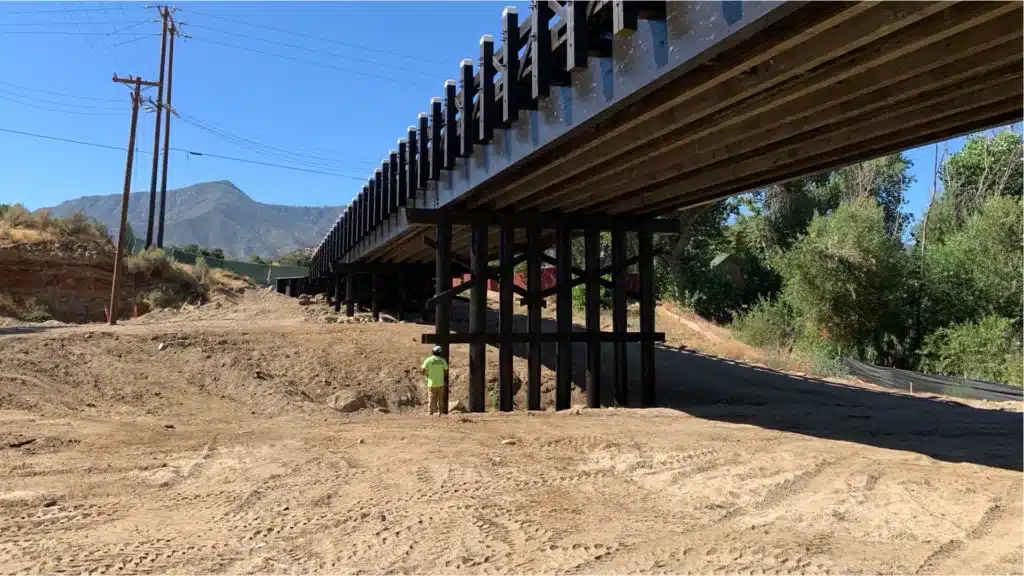
One River Place Vehicular Bridge – Atlanta, GA
June 3, 2019
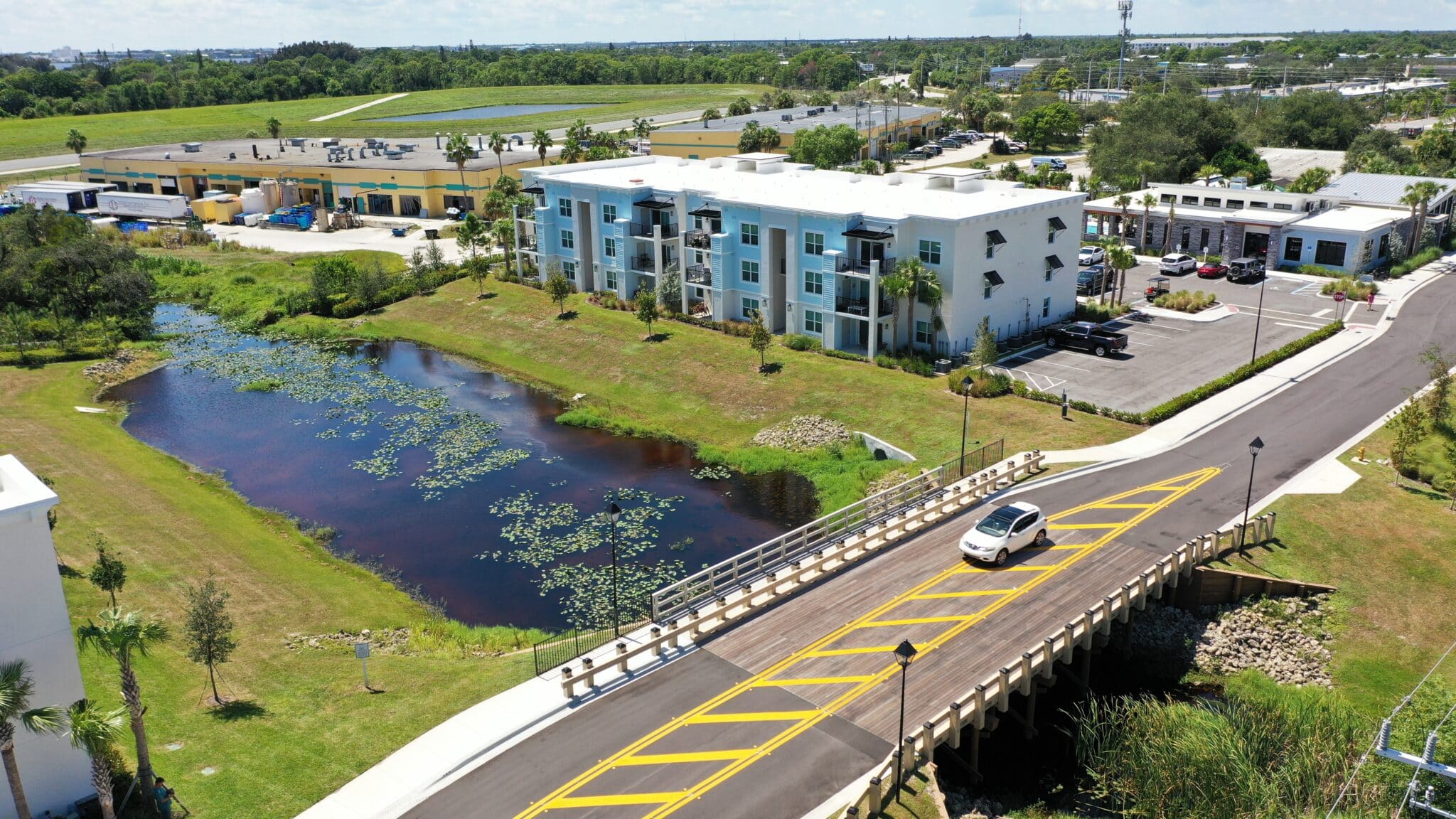
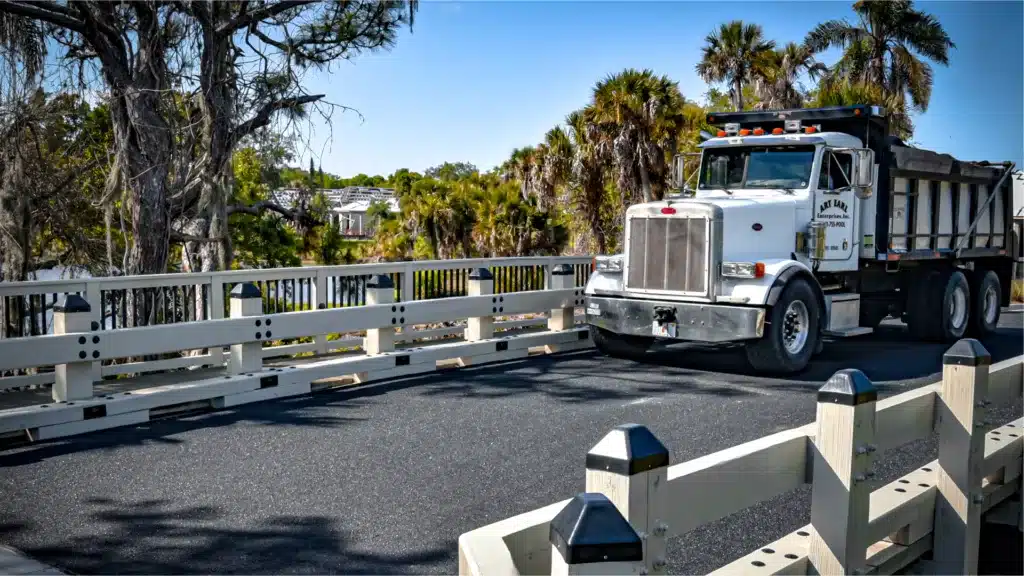
Iris at Northpointe Pedestrian Bridge – Lutz, FL
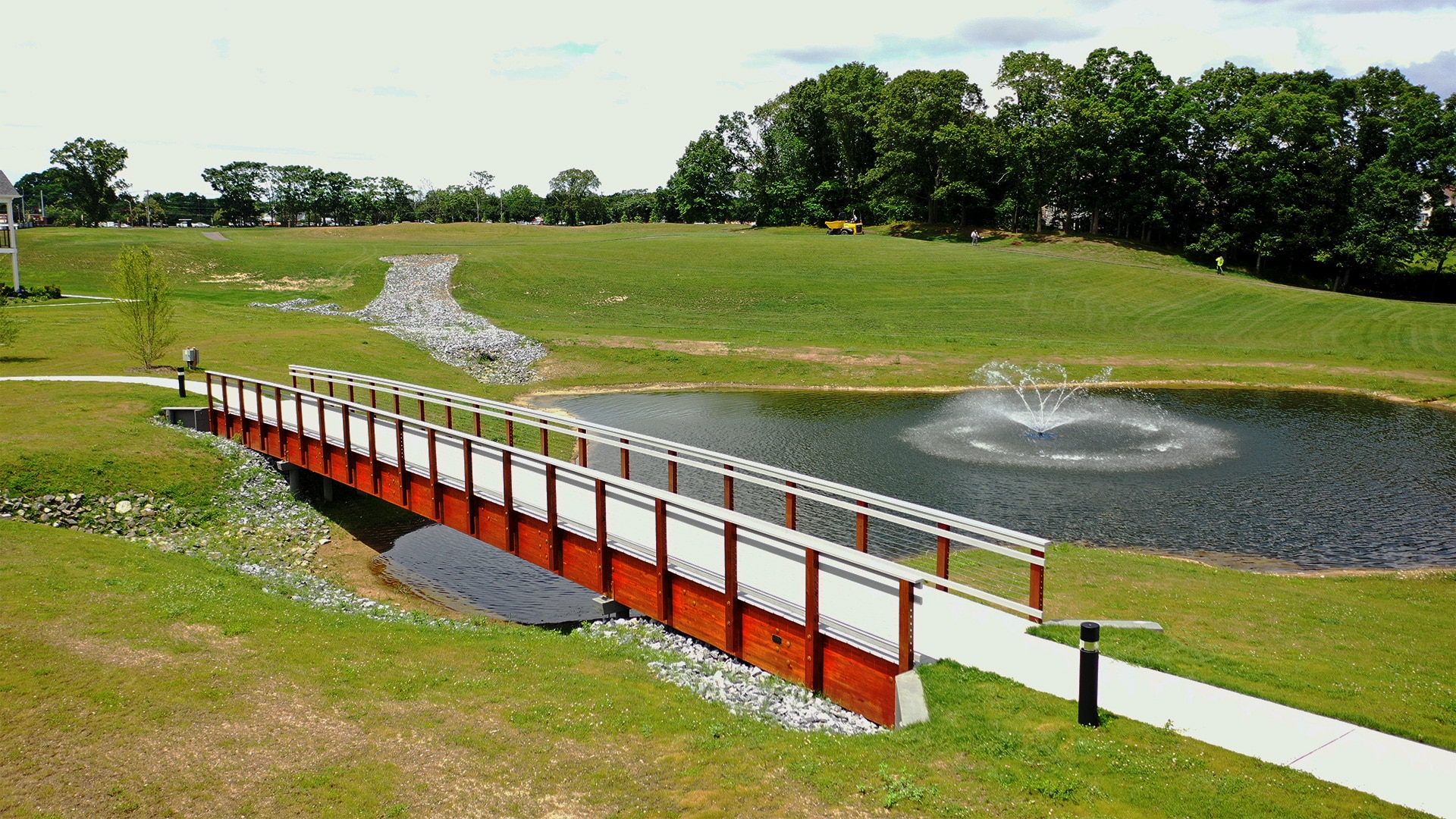
July 18, 2019View images & specs of Walsh Timber Pedestrian Bridge in Ft. Worth, TX. 85 PSF Pile-Supported Timber Pedestrian Bridge Over a Flood Plain | CCA Treated Southern Yellow Pine Piles, Stringers, Handrails, Subdeck & Composite Weardeck | Acrylic Polymer Coated Wooden Footbridge | Timber Pile Bridge Near Dallas, Texas in a Residential Development
Creating Community Connection
Walsh Development Pedestrian Bridges – Walsh, TX
Landmark Timber Pedestrian Bridges Designed for Community Connection
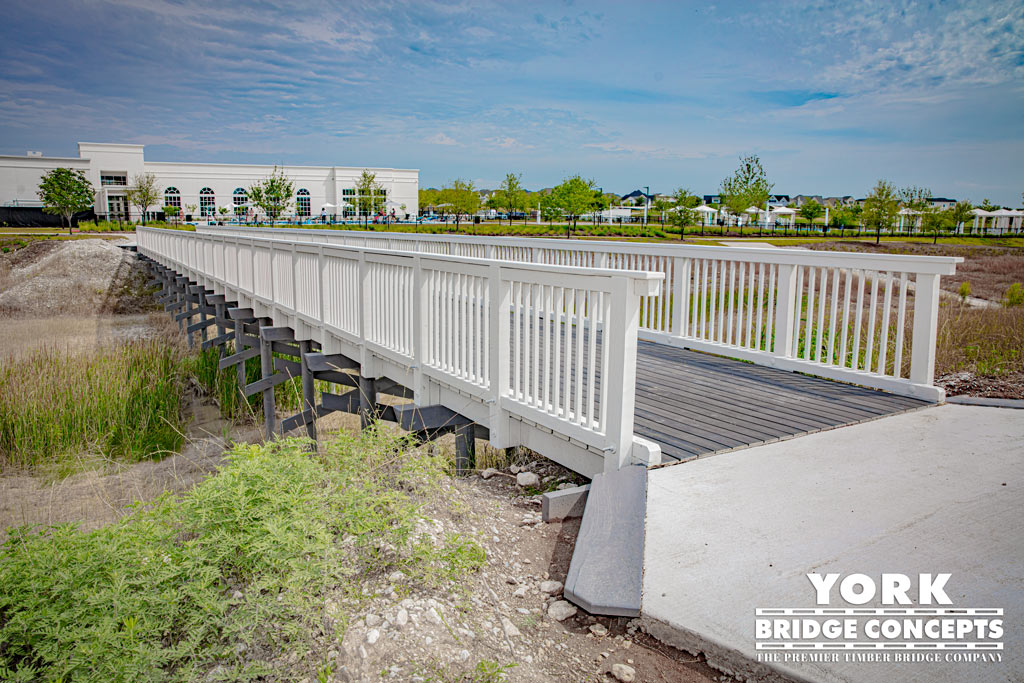
Located within the innovative Walsh master-planned development in Fort Worth, Texas, the Walsh Development Pedestrian Bridges by York Bridge Concepts represent a seamless blend of architectural aesthetics, pedestrian accessibility, environmental sensitivity, and long-term durability. Designed to support the walkability and connectivity goals of one of Texas’ most forward-thinking communities, these timber pedestrian bridges serve as more than infrastructure. They act as visual landmarks that strengthen the identity of the development while encouraging outdoor activity and community interaction.
The Walsh community was envisioned as a highly connected, modern development where architecture, trails, open spaces, and lifestyle amenities work together to create a distinctive living experience. To support this vision, York Bridge Concepts designed and constructed pedestrian bridge structures that complement the surrounding environment while delivering functional connectivity across the development’s creek crossings and landscaped areas.
Specifications
| Width: | 9'10" (9'2" clear) |
| Length: | 136' & 50' |
| Height: | 12' above grade |
| Capacity: | 85 PSF or 1500 LB GVW |
| Construction: | Ground Up |
| Span Type: | Repetitive Span |
| Material: | CCA/CA-C Treated Southern Yellow Pine & Composite |
| Foundation: | Timber Piles & Abutments (Acrylic/Polymer Coated where exposed) |
| Stringers: | SYP S4S Timber Stringers (Acrylic/Polymer Coated where exposed) |
| Deck System: | SYP Subdeck & 1-½” Composite Deck |
| Handrail: | Decero™ Picket Design Series |
| Crossing: | Creek |
The completed pedestrian bridge system includes two repetitive-span timber pedestrian bridges measuring 136 feet and 50 feet in length. These crossings feature timber and composite materials that provide durability, warmth, and low-maintenance performance while blending naturally into the surrounding Texas landscape. Elevated approximately 12 feet above grade, the bridges establish visual prominence without overpowering the surrounding environment.
Through YBC’s integrated Design-Engineer-Build approach, the Walsh pedestrian bridge project was carefully scoped, engineered, fabricated, and constructed to align with the development’s architectural standards, construction schedule, and long-term community objectives. The result is a pedestrian infrastructure solution that delivers practical functionality while creating a memorable visual experience for residents and visitors.
"YBC performed their work on the bridge at Walsh with the utmost professionalism. They worked within a tight schedule and performed admirably. The design of the bridge matched the aesthetics of the surrounding building and landscaping perfectly. I would highly recommend YBC to anyone looking to build a bridge for their community."
Supporting Walkability Within a Modern Master-Planned Community
Master-planned communities continue to evolve beyond traditional neighborhood design. Today’s residential developments prioritize lifestyle-driven experiences that encourage outdoor engagement, wellness, connectivity, and social interaction. Trails, gathering spaces, parks, and pedestrian corridors are increasingly important components of successful developments because they enhance the resident experience and create a stronger sense of place.
At Walsh, pedestrian infrastructure was an essential part of the development vision from the beginning. The bridges were designed to connect pathways and community spaces while supporting the walkable environment that residents expect from a modern mixed-use development.
Pedestrian bridges provide a unique opportunity within community planning because they simultaneously solve infrastructure challenges and create placemaking opportunities. Instead of relying solely on standard concrete crossings or utilitarian infrastructure, timber pedestrian bridges create warmth, character, and visual continuity throughout a development.
The Walsh Development Pedestrian Bridges demonstrate how pedestrian infrastructure can become a defining architectural feature within a community. The natural appearance of timber complements landscaped areas, creek corridors, and trail systems while helping soften the built environment.
These crossings also improve mobility throughout the development by creating safe and convenient pathways for residents walking between amenities, parks, trails, and residential areas. By encouraging pedestrian movement, the bridges support healthier lifestyles and reduce reliance on vehicle travel within the community.
As more communities prioritize walkability, connectivity, and outdoor recreation, pedestrian bridge infrastructure continues to play an important role in development planning. The Walsh project reflects how thoughtfully designed timber bridge systems can support these goals while contributing to long-term property value and community identity.
Timber Bridge Design That Complements the Surrounding Environment
One of the defining characteristics of the Walsh Development Pedestrian Bridges is the way the structures integrate naturally into the surrounding landscape and architectural environment.
Unlike steel or concrete pedestrian bridges that can appear industrial or disconnected from natural surroundings, timber bridges offer warmth and texture that help developments feel more inviting and human-centered. The use of Southern Yellow Pine combined with composite decking materials creates a balance between natural aesthetics and long-term performance.
York Bridge Concepts carefully designs each project to align with the visual character of the surrounding development. At Walsh, the bridge structures were developed to complement the nearby landscaping, trail systems, and community architecture. The bridge railing systems, decking materials, and structural profiles work together to create a refined appearance that feels intentional within the broader development master plan.
The Decero™ Picket Design Series handrail system enhances the pedestrian experience while contributing to the bridge’s visual identity. Railings are one of the most visible elements of any pedestrian bridge, and thoughtful detailing can dramatically influence how the structure is perceived within a community.
The clean lines and architectural styling of the railing system create a timeless appearance that works well within both traditional and contemporary developments. The bridge structures avoid overly ornate detailing while still delivering an elevated aesthetic that exceeds the expectations of standard pedestrian infrastructure.
Because timber is a natural material, it also responds visually to the surrounding environment in ways that synthetic or industrial materials often cannot. Timber bridges appear grounded within parks, trails, creek corridors, and landscaped developments. This natural integration is especially valuable within residential communities where developers aim to create inviting outdoor spaces that encourage resident engagement.
The Walsh pedestrian bridge project highlights how timber infrastructure can become an extension of the landscape itself while still providing engineered structural performance.
Repetitive Span Bridge Design for Efficient Crossing Solutions
The Walsh Development Pedestrian Bridges utilize repetitive-span bridge engineering to efficiently cross the creek corridor while maintaining structural stability and cost-effective performance.
Repetitive-span bridge systems consist of multiple shorter spans supported by intermediate pile foundations or substructures. This design approach is often ideal for pedestrian crossings where environmental conditions, site geometry, and project goals support segmented structural layouts.
For the Walsh project, repetitive-span engineering allowed York Bridge Concepts to create bridge structures that worked harmoniously with the site conditions while supporting long-term durability and constructability.
One of the major advantages of repetitive-span bridge systems is flexibility. Multiple spans can adapt more easily to varying terrain conditions and changing elevations across a crossing. This flexibility helps minimize environmental disturbance while allowing the bridge alignment to follow the desired pedestrian pathway.
Repetitive-span systems also distribute structural loads efficiently across multiple support points. This can reduce the need for larger single-span structural members while still maintaining strong load-bearing performance.
At Walsh, the bridge systems were designed for pedestrian loading requirements of 85 PSF along with a 1,500-pound GVW capacity. These capacities support daily pedestrian traffic while accommodating maintenance access needs when necessary.
The timber pile and abutment foundation systems provide structural support while integrating with the site’s environmental conditions. YBC’s engineering approach carefully considers soil conditions, hydraulic considerations, long-term durability requirements, and overall project performance when selecting foundation systems.
Because repetitive-span structures use multiple support points, they can also help reduce the overall visual mass of the bridge. This creates a lighter appearance that complements natural landscapes and pedestrian-oriented environments.
The Walsh bridges demonstrate how repetitive-span timber engineering can provide practical structural performance while preserving aesthetic appeal and environmental sensitivity.
Durable Materials Designed for Long-Term Performance
Long-term durability is one of the most important considerations for any pedestrian bridge project, especially within residential developments where infrastructure becomes a permanent part of the community environment.
York Bridge Concepts incorporates engineered timber systems, protective coatings, and durable decking materials to maximize bridge longevity and minimize maintenance requirements.
The Walsh Development Pedestrian Bridges utilize CCA/CA-C treated Southern Yellow Pine combined with composite decking materials to create a robust and resilient bridge system.
Southern Yellow Pine has long been recognized as one of the most effective structural timber species for bridge construction due to its strength, availability, and preservative treatment compatibility. When properly treated and maintained, timber bridge systems can provide decades of reliable service life.
The pressure treatment process helps protect the timber components against decay, insects, and environmental exposure. These protective measures are especially important for structures exposed to moisture, changing weather conditions, and outdoor environments.
In areas where bridge components are exposed to increased moisture or environmental wear, YBC incorporates Acrylic/Polymer protective coatings to further enhance durability. These coatings provide additional protection for exposed structural elements while helping preserve the bridge’s appearance over time.
Composite decking was selected for the Walsh project to provide long-term wear resistance and low-maintenance performance. Composite decking materials offer several advantages for pedestrian bridge applications, including slip resistance, weather durability, dimensional stability, and reduced maintenance demands.
By combining timber structural systems with composite decking surfaces, YBC creates hybrid bridge systems that deliver both natural aesthetics and modern performance advantages.
Material selection plays a significant role in the lifecycle performance of pedestrian bridge infrastructure. The Walsh project demonstrates how thoughtful material integration can improve durability while maintaining the warm architectural character that timber bridges provide.
Creating Landmark Features Within Residential Developments
Modern residential developments increasingly compete on lifestyle, identity, and overall resident experience. Community amenities and architectural features often become major differentiators that influence buyer perception and long-term property value.
Pedestrian bridges can serve as signature landmarks within these developments when thoughtfully designed and integrated into the overall master plan.
The Walsh Development Pedestrian Bridges help establish a recognizable visual identity throughout the community by creating memorable crossing experiences that connect residents with trails, amenities, and outdoor spaces.
Unlike purely functional infrastructure, landmark bridge structures create emotional connections within a community. Residents often associate these spaces with daily routines, outdoor recreation, neighborhood interaction, and community identity.
Bridge structures also provide visual focal points throughout landscaped environments. Whether viewed from nearby trails, roads, parks, or gathering areas, pedestrian bridges help shape the visual character of the development.
At Walsh, the timber bridge structures reinforce the development’s emphasis on outdoor living, architectural quality, and environmental integration. The bridges feel intentionally designed as part of the community experience rather than simply inserted as utility infrastructure.
This distinction matters within competitive residential markets where developers seek to create communities that feel differentiated and memorable.
York Bridge Concepts frequently works with developers, planners, architects, and municipalities to create bridge structures that elevate the identity of a project while delivering practical infrastructure solutions.
Because bridges naturally attract attention within a landscape, they often become photographed landmarks and recognizable features that support marketing efforts for the development itself.
The Walsh pedestrian bridge project illustrates how pedestrian infrastructure can contribute to placemaking while supporting long-term development goals.
Enhancing Outdoor Recreation and Trail Connectivity
Trail systems and pedestrian connectivity have become increasingly important components of successful residential and mixed-use developments. Communities that provide walkable access to parks, amenities, open spaces, and recreational corridors often create stronger resident engagement and improved quality of life.
The Walsh Development Pedestrian Bridges support these objectives by improving pedestrian circulation throughout the community and connecting residents to outdoor experiences.
Bridges play an important role in trail infrastructure because they allow pathways to continue naturally across creeks, drainage corridors, wetlands, and changing terrain conditions. Without pedestrian crossings, pathways can become fragmented or inaccessible.
By creating safe and visually appealing crossings, YBC helped preserve the continuity of the community’s trail and pedestrian systems.
The bridge structures also contribute to the recreational value of the development itself. Walking across a timber pedestrian bridge creates a more immersive and engaging outdoor experience compared to traditional sidewalks or roadway crossings.
This enhanced user experience encourages greater pedestrian activity and helps strengthen the connection between residents and the surrounding environment.
Outdoor recreation infrastructure has become a significant factor in residential development planning because buyers increasingly value access to trails, parks, and wellness-oriented amenities.
Communities that prioritize pedestrian connectivity often experience stronger resident satisfaction while supporting broader health and wellness initiatives.
The Walsh project demonstrates how pedestrian bridge infrastructure can support these goals while adding architectural value to the overall development.
Sustainable Bridge Construction for Sensitive Environments
Environmental sensitivity is an important consideration for modern bridge construction projects, particularly within creek corridors and natural drainage areas.
York Bridge Concepts incorporates construction methodologies and material strategies that help minimize site disturbance while supporting long-term environmental stewardship.
The Walsh Development Pedestrian Bridges cross a creek environment that required thoughtful engineering and construction planning to preserve the surrounding landscape while delivering stable long-term infrastructure.
Timber bridge systems inherently offer sustainability advantages because timber is a renewable building material that stores carbon throughout its lifecycle. Compared to many traditional construction materials, timber often requires lower embodied energy during manufacturing and processing.
In addition to material sustainability, YBC’s construction approach emphasizes minimizing environmental impact during installation.
Careful foundation placement, staged construction planning, and efficient installation sequencing help reduce unnecessary disturbance to surrounding vegetation and natural areas.
Timber bridge structures also blend visually into natural environments more effectively than many conventional infrastructure systems. This helps preserve the aesthetic character of creek corridors, parks, and landscaped developments.
As communities place greater emphasis on sustainability and environmental stewardship, developers increasingly seek infrastructure solutions that align with broader environmental goals.
The Walsh project reflects how engineered timber bridge systems can support these priorities while delivering structural performance and long-term durability.
YBC’s Integrated Design-Engineer-Build Process
One of the key advantages of working with York Bridge Concepts is the company’s integrated Design-Engineer-Build delivery model.
Rather than separating conceptual design, engineering, fabrication, and construction between multiple parties, YBC manages the entire bridge development process through a unified approach.
This integration improves communication, streamlines coordination, and helps maintain consistency throughout the project lifecycle.
For the Walsh Development Pedestrian Bridges, YBC worked collaboratively with the development team to align bridge aesthetics, engineering requirements, schedule demands, and site conditions.
The integrated process begins with project discovery and conceptual planning. During this phase, YBC evaluates site conditions, environmental factors, desired usage requirements, load capacities, aesthetic objectives, and overall project goals.
Bridge designers and engineers then work together to develop structural solutions that align with both the practical and architectural needs of the project.
Because engineering and constructability considerations are incorporated early in the design process, YBC can often identify efficiencies that reduce complications during construction.
Fabrication and material preparation are also coordinated within the broader project workflow to maintain quality control and schedule consistency.
On-site construction is carefully managed to minimize disruption while maintaining safety and environmental protection standards.
This integrated approach helps reduce the communication gaps and project fragmentation that can occur when multiple disconnected firms manage different aspects of a bridge project.
For developers and project teams, the result is often improved efficiency, stronger project coordination, and greater confidence throughout the process.
The successful execution of the Walsh pedestrian bridge project reflects the value of this collaborative Design-Engineer-Build methodology.
Construction Execution Within a Tight Development Schedule
Construction scheduling is often one of the most challenging aspects of infrastructure development within active residential communities and large-scale master-planned developments.
Bridge construction activities frequently need to align with roadway development, utility installation, landscaping, grading operations, amenity construction, and vertical building schedules.
The Walsh Development Pedestrian Bridges were completed within a tight project schedule while maintaining quality standards and professional execution.
As noted in the client testimonial from Republic Property Group, YBC successfully coordinated work within demanding timeline requirements while delivering a bridge system that aligned with the development’s aesthetic goals.
Efficient project execution requires careful planning before construction even begins. Material procurement, fabrication scheduling, equipment coordination, and site logistics must all be aligned to support successful installation.
Because YBC manages the project through an integrated Design-Engineer-Build process, the company can maintain tighter coordination between design development, engineering, fabrication, and field construction.
This coordination becomes especially valuable on projects where multiple contractors and development activities are occurring simultaneously.
Bridge installation sequencing is carefully planned to maintain site safety, reduce conflicts with surrounding construction operations, and minimize environmental disturbance.
The successful completion of the Walsh project demonstrates YBC’s ability to execute bridge construction efficiently while maintaining high standards for craftsmanship and professionalism.
Architectural Timber Bridges as Community Branding Elements
Within master-planned developments, architectural consistency and branding are essential components of placemaking.
Developers invest heavily in creating a cohesive visual identity that extends across entrance features, landscaping, amenities, signage, architecture, and infrastructure.
Pedestrian bridges can become an important part of this branding strategy because they create highly visible and memorable experiences throughout the development.
The Walsh Development Pedestrian Bridges contribute to the community’s architectural identity by reinforcing the natural, walkable, and design-focused character of the development.
Timber bridges communicate warmth, authenticity, craftsmanship, and environmental integration. These characteristics align well with communities seeking to create upscale outdoor environments and lifestyle-oriented amenities.
Bridge aesthetics also influence how residents and visitors emotionally perceive a space. Well-designed infrastructure contributes to a sense of intentionality and quality throughout the development.
Rather than appearing as purely engineered structures, architectural timber bridges create experiential moments that strengthen the visual continuity of trails, parks, and community gathering areas.
The Walsh bridges support this objective by complementing the surrounding landscape and built environment while creating recognizable community landmarks.
As more developments seek to differentiate themselves through design and lifestyle amenities, architectural bridge infrastructure continues to play an increasingly important role in community branding.
Safety, Accessibility, and User Experience
Pedestrian bridge infrastructure must balance aesthetics with practical considerations related to safety, accessibility, and long-term usability.
The Walsh Development Pedestrian Bridges were engineered to provide safe pedestrian circulation while creating a comfortable user experience for residents and visitors.
Bridge width, railing systems, decking materials, elevation changes, and structural stability all influence how pedestrians experience a crossing.
At nearly 10 feet wide with over 9 feet of clear walking space, the Walsh bridges provide generous pedestrian accommodation that supports two-way foot traffic and comfortable movement throughout the community.
The composite decking system enhances pedestrian safety by providing a stable walking surface designed for outdoor durability and traction performance.
Handrail systems are designed to meet safety requirements while maintaining visual openness and architectural character.
Accessibility is also an important consideration within modern community infrastructure. Pedestrian pathways and bridge systems should support comfortable use for a wide range of users, including families, recreational walkers, and residents utilizing mobility assistance devices.
The bridge alignments and crossing transitions were developed to integrate naturally into the surrounding trail and pedestrian systems.
By combining thoughtful engineering with architectural detailing, YBC creates bridge environments that feel safe, comfortable, and visually engaging.
Timber Bridges and Long-Term Community Value
Infrastructure investments within residential developments influence not only immediate functionality but also long-term community perception and property value.
Architectural amenities, pedestrian connectivity, outdoor recreation features, and visually appealing infrastructure all contribute to the overall desirability of a development.
The Walsh Development Pedestrian Bridges provide lasting value because they serve both practical and experiential functions within the community.
From a functional standpoint, the bridges improve circulation and accessibility throughout the development.
From an experiential standpoint, they create attractive outdoor spaces that encourage walking, recreation, and community interaction.
These types of amenities can positively influence how residents perceive the quality of the community itself.
Timber bridge structures also offer timeless visual appeal that tends to age gracefully within landscaped environments. Unlike some infrastructure systems that become visually dated or industrial in appearance over time, timber bridges often continue to complement natural surroundings for decades.
When properly designed, engineered, and maintained, timber bridge infrastructure can provide significant long-term return on investment for developers and municipalities.
The Walsh project reflects how thoughtfully designed pedestrian infrastructure can strengthen community identity while supporting practical functionality and long-term development success.
Building Connections Through Thoughtful Infrastructure
The Walsh Development Pedestrian Bridges demonstrate how infrastructure can become an integral part of the overall community experience rather than simply serving as a functional necessity.
By combining engineered structural performance with architectural detailing, natural materials, and environmental integration, York Bridge Concepts created pedestrian crossings that align with the broader vision of the Walsh development.
These bridge structures support connectivity, outdoor recreation, walkability, and placemaking while contributing to the long-term identity of the community.
The project reflects YBC’s commitment to delivering custom bridge solutions that balance aesthetics, engineering, durability, and environmental sensitivity.
As communities continue prioritizing walkable design, outdoor living, and experiential amenities, architectural timber pedestrian bridges will remain an increasingly valuable component of modern development planning.
For developers, municipalities, planners, and architects seeking pedestrian bridge infrastructure that creates both functional and visual impact, the Walsh Development Pedestrian Bridges serve as an example of how thoughtful timber bridge design can elevate an entire community environment.
From repetitive-span engineering and durable material integration to architectural detailing and sustainable construction practices, the Walsh project showcases the capabilities of York Bridge Concepts’ Design-Engineer-Build approach.
The result is a pedestrian bridge system that not only connects pathways, but also connects people to the surrounding environment and to the larger vision of the community itself.
For more information about timber pedestrian bridge solutions, repetitive-span bridge systems, or sustainable community infrastructure, visit York Bridge Concepts or explore the Walker Collection of pedestrian bridge designs.