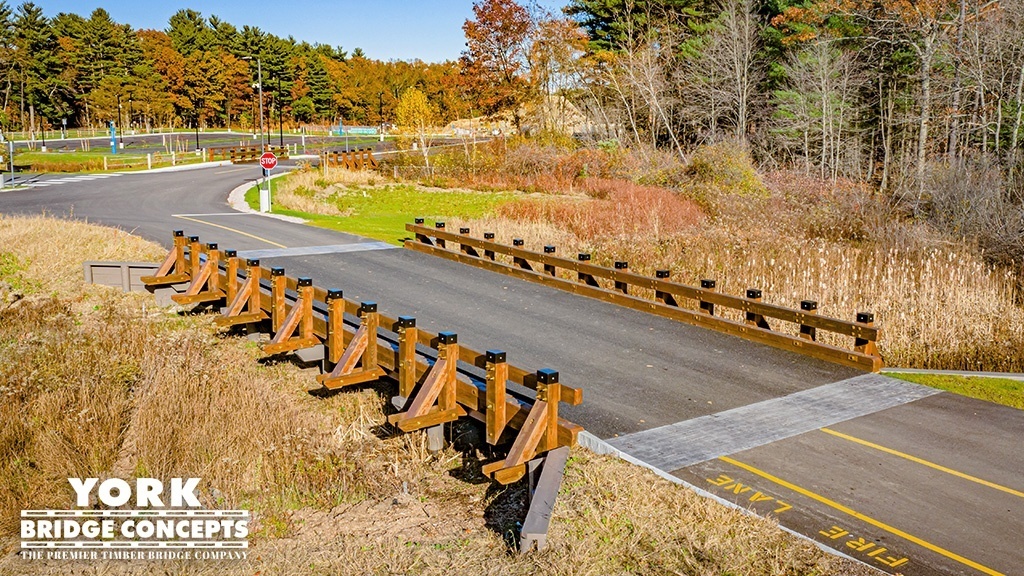
A Bridge Between Eras: The Timber Public School Bridge at Minuteman High School
In the heart of Lexington, Massachusetts--where the first shots of the American Revolution were fired--York Bridge Concepts brought the past and present together with a remarkable series of timber bridges for Minuteman High School. These bridges are more than infrastructure--they are a tribute to colonial craftsmanship and a sustainable solution for modern campus needs.
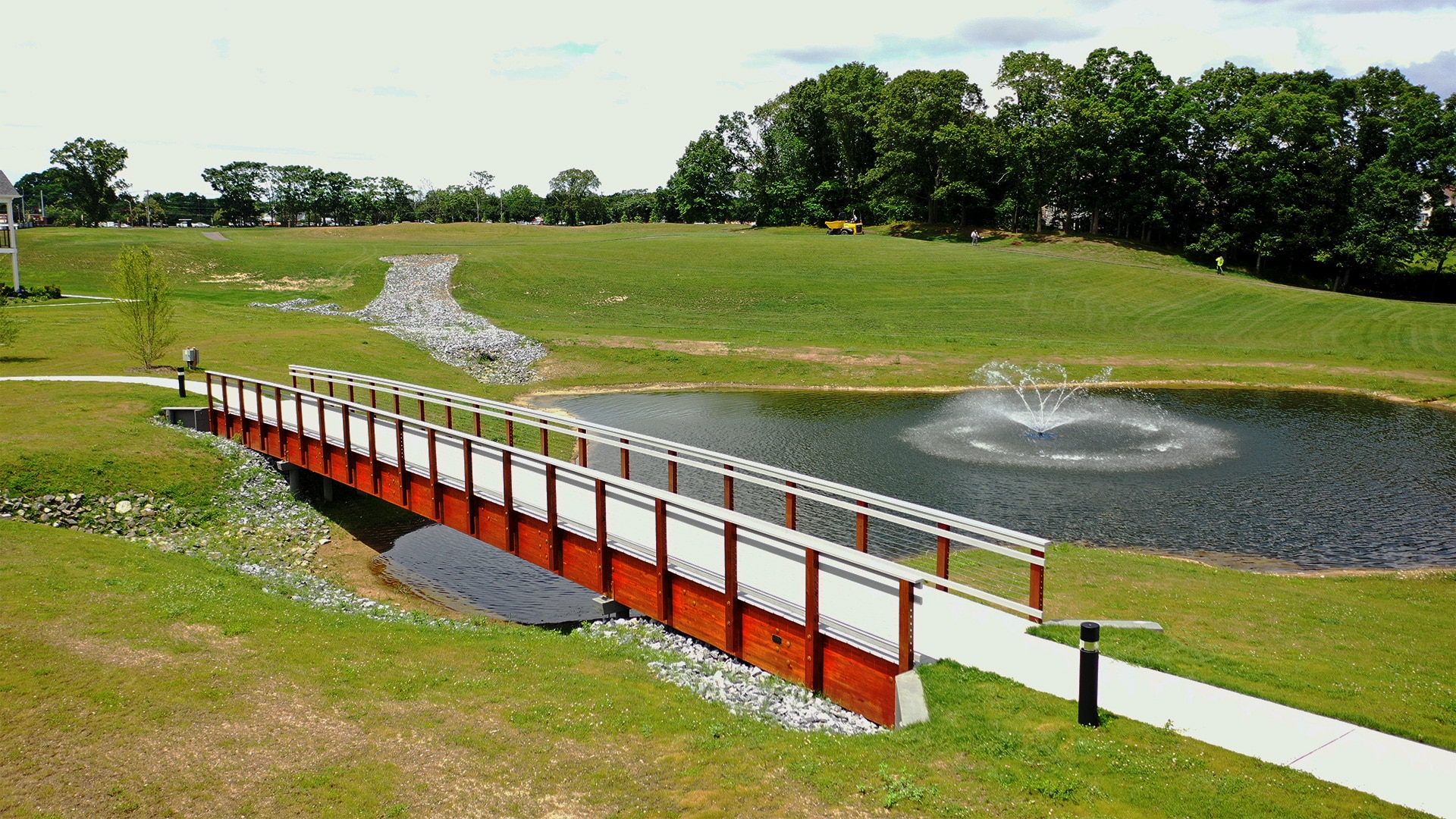
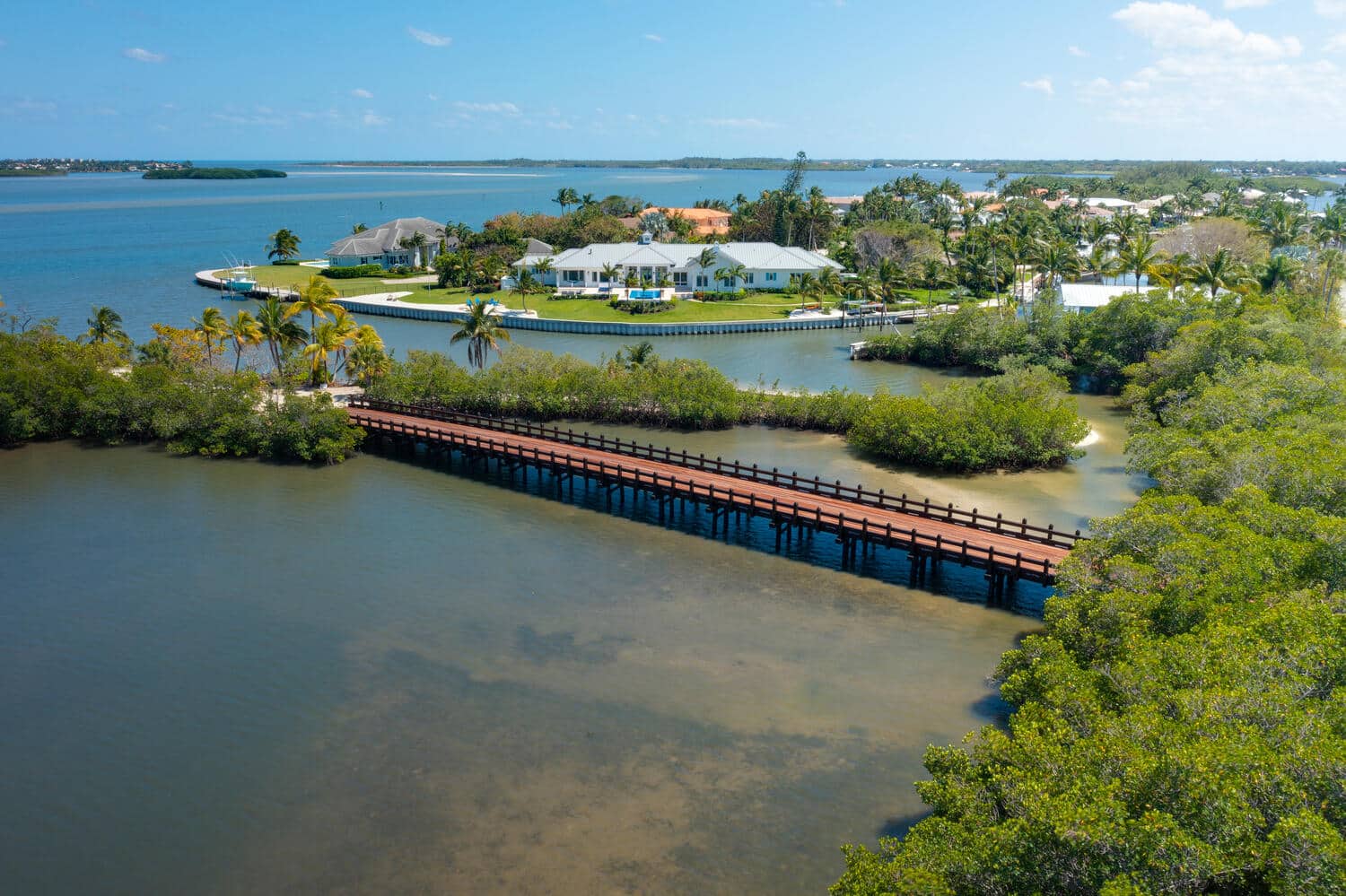
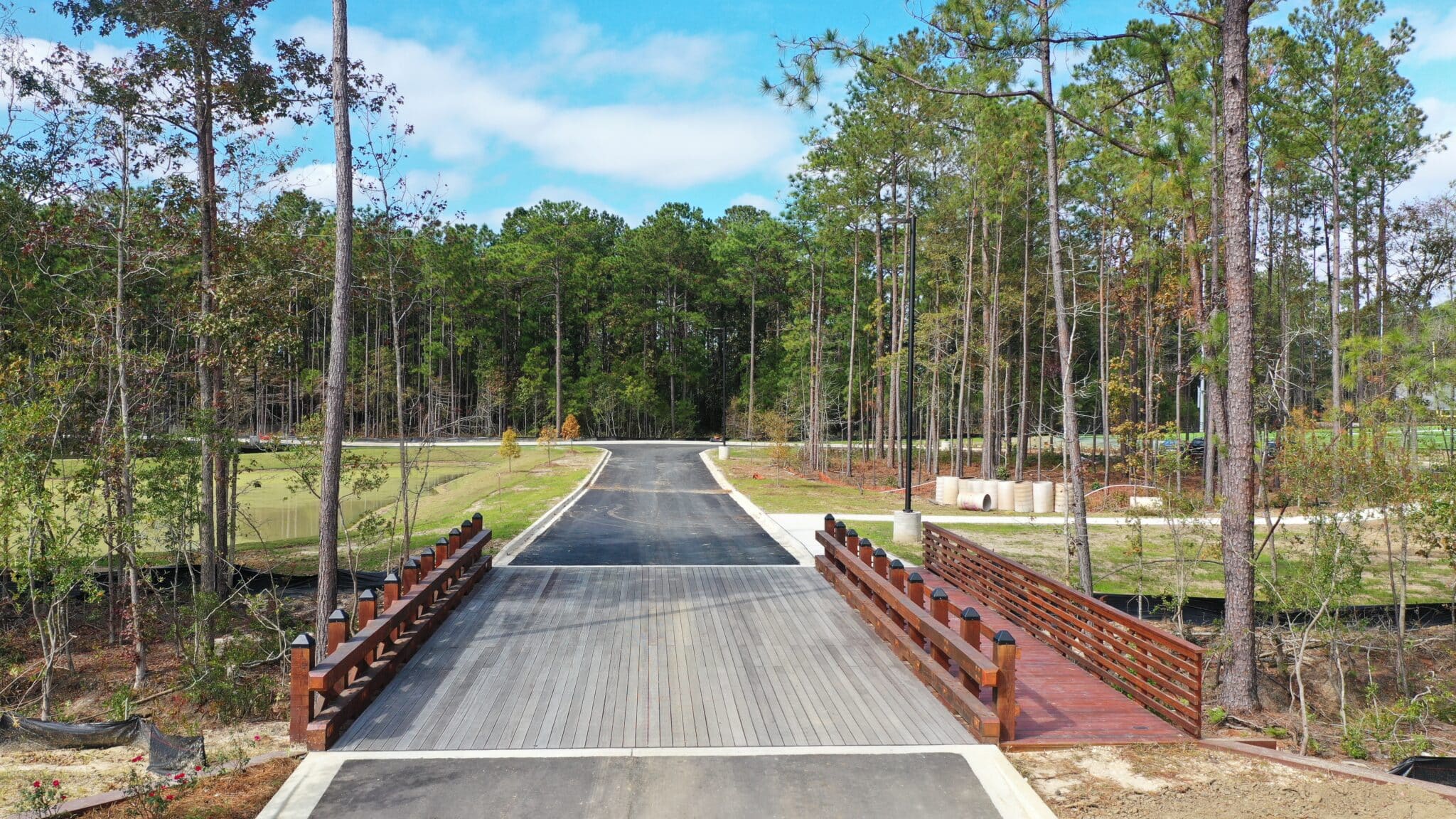
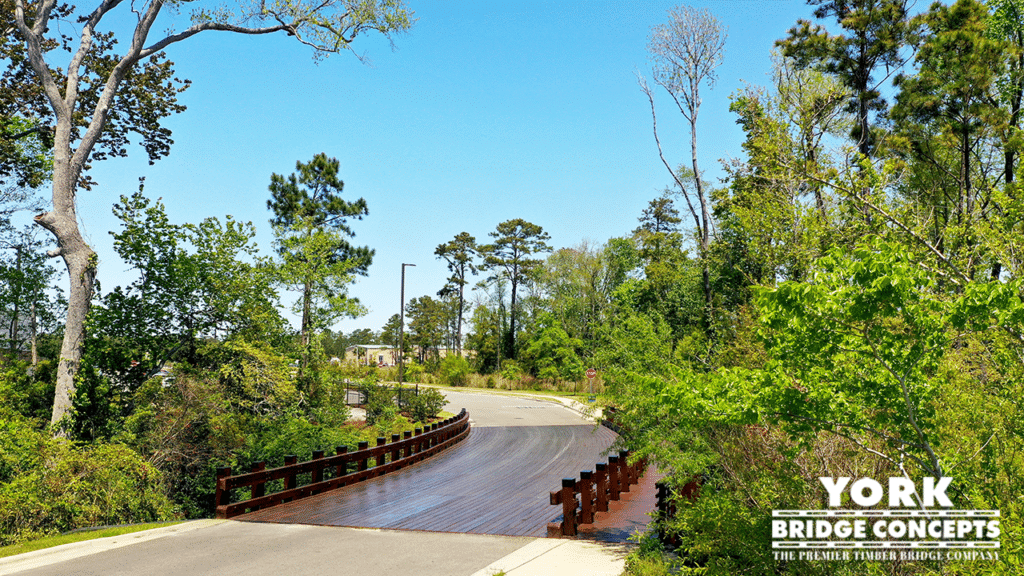
Working alongside Samiotes Consultants, Inc., York Bridge Concepts (YBC) developed five distinctive vehicular and pedestrian bridges designed to echo the architectural character of the Old North Bridge--an icon of the Revolutionary War located just a few miles away. These structures enhance the flow of people and vehicles through the campus, while preserving the integrity of the surrounding wetlands.
This project exemplifies YBC's commitment to sustainability, heritage, and function, delivering bridges that serve students today while honoring the history that shaped the region.
Specifications
- Widths:
- 5', 7', 26'
- Lengths:
- 24', 26', 60', 25'
- Height:
- 4-8' above grade
- Capacity:
- HS20-44 & 85 PSF
- Construction:
- Ground Up
- Span Type:
- Free Span Repetitive Span
- Span Lengths:
- (18) 15'
- Material:
- CCA/CA-C Treated Southern Yellow Pine
- Foundation:
- SYP Timber Piles & Abutments (Acrylic/Polymer Coated where exposed)
- Stringers:
- SYP Rough Sawn Timber & Glulam Stringers (Translucent Oil Coated where exposed)
- Vehicular Deck System:
- 5 ½” Timber Deck
- Pedestrian Deck System:
- 1-½” Timber Deck
- Guard Rail:
- Decero™ Classic Design Series
- Handrail:
- Decero™ Wire Mesh Design Series
- Crossing:
- Flood Plain
A Tribute To The Old North Bridge
Minuteman High School's bridge system pays homage to a cherished piece of American history: the Old North Bridge, the site of the "shot heard round the world." This historical context inspired YBC's design philosophy for the bridges--blending strong, functional architecture with the quiet dignity and simplicity of the colonial era.
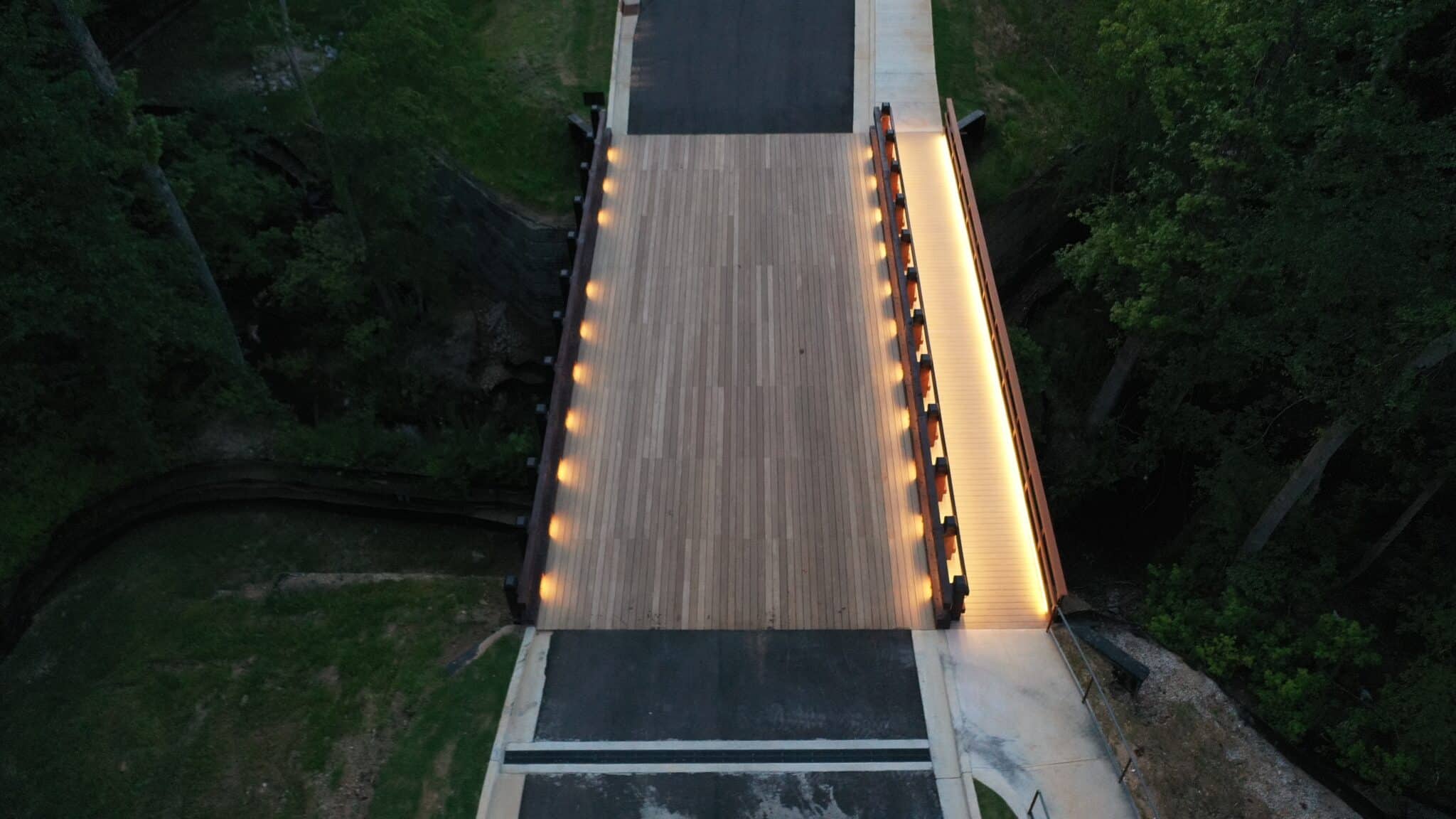
The final design features clean lines, exposed timber elements, and durable materials that reflect the utilitarian beauty of the 18th century. At the same time, it incorporates 21st-century engineering standards, ensuring that the bridges not only look the part but also perform with modern efficiency.
Just as the Old North Bridge once connected two opposing sides during a defining moment in American history, these new bridges connect students, faculty, and visitors across a modern academic landscape.
Designed for a Modern Public School Campus
Minuteman High School is a forward-thinking vocational and technical high school serving students from over 20 towns in eastern Massachusetts. The campus includes classrooms, laboratories, shops, athletic facilities, and green spaces--all requiring a cohesive and fluid circulation plan.
York Bridge Concepts was brought on board to provide bridges that not only looked beautiful but also served the practical needs of a busy educational environment.
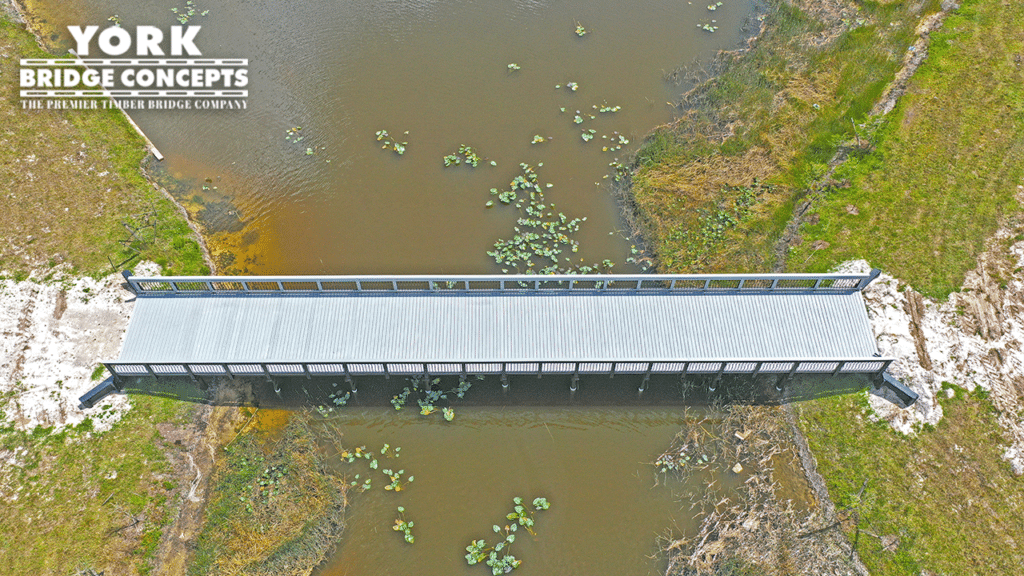
Each of the five bridges is strategically placed across the school's expansive property, crossing environmentally sensitive wetlands and low-lying terrain that would otherwise divide the site. The goal was to ensure smooth movement throughout the campus--whether on foot, by car, or by school bus--without compromising the surrounding ecosystem.
The result: a network of bridges that blends naturally into the landscape while supporting the school's operational demands.
A Sustainable Alternative to Culverts
Before selecting timber bridges, Minuteman High School considered culverts to manage crossings over the site's natural water channels. However, after consultation with Samiotes Consultants, Inc., the project team chose a more sustainable and cost-effective alternative--York Bridge Concepts' custom timber bridges.
Timber bridges present numerous benefits over culverts, especially in sensitive environments. While culverts often require significant excavation and disruption of water flow, YBC's Deck-Level Construction™ method allows bridges to be built from above the deck, minimizing environmental disturbance. This construction style eliminates the need for extensive fill or water diversion, significantly reducing the project's ecological footprint.
This low-impact approach was particularly important given the project's setting amidst protected wetlands. The fluid geometry of the five bridges allows each structure to follow the natural curves and skews of the land, complementing the site's topography instead of forcing a rigid layout.
Built for Daily Use, Designed to Last
Each of the five bridges was engineered to meet AASHTO HS20-44 loading standards, making them suitable for regular school traffic, including:
- Student drop-offs and pick-ups
- Faculty and commuter vehicles
- School buses
- Emergency service vehicles
This structural integrity ensures safety, reliability, and peace of mind for administrators and planners alike. YBC's use of Southern Yellow Pine--a dense, strong, and sustainability harvested species--provides the durability needed for a public school campus that sees high traffic throughout the academic year.
The bridges were treated with rich, oil-based coatings to both protect and enhance the wood's natural grain. These coatings not only preserve the timber against moisture, rot, and UV exposure, but also bring its deep, warm tones--creating bridges that are as beautiful as they are resilient.
Colonial Elegance Meets Custom Engineering
In addition to their practical role, these bridges serve as architectural statements. The design pulls from colonial-era aesthetics, featuring:
- Heavy timber handrails with simple, geometric lines
- Exposed wood structural elements
- Dark-stained finishes to evoke a timeless, handcrafted look
But beneath that heritage exterior lies modern engineering precision. YBC's Decero™ Design Process allowed the team to tailor every aspect of the project to the site's unique needs. Each bridge was custom-fabricated and installed by master craftsmen directly on-site--ensuring quality control, accuracy, and a perfect result is a seamless integration of form and function, history and innovation.
Fluid Site Circulation and Enhanced Connectivity
The five bridges aren't just isolated crossings--they are key components of a broader circulation strategy. By eliminating gaps caused by streams and wetlands, the bridges:
- Unite academic buildings, parking lots, and green spaces
- Shorten travel distances across campus
- Improve accessibility and safety for all users
- Encourage outdoor movement and engagement with nature
This comprehensive connectivity supports the school's vision for a walkable, integrated campus experience. For vocational students engaged in trades like environmental science, landscaping, or civil engineering, the bridges also become live educational tools--demonstrating how thoughtful design and sustainable materials can solve complex infrastructure challenges.
Built for Generations of Students to Come
Public infrastructure at educational institutions must be built to stand the test of time. The Minuteman High School bridges were constructed with longevity in mind--using weather-resistant materials, proven construction techniques, and minimal-maintenance finishes.
Over time, the Southern Yellow Pine timber will continue to develop character as it weathers naturally. Thanks to the protective coatings and precision construction, the bridges will retain their structural integrity and beauty for decades to come.
They're not just crossings--they're landmarks in the making.
Community Impact: Beyond the Classroom
The benefits of these bridges extend far beyond Minuteman High School's student body. By investing in sustainable, locally appropriate infrastructure, the project sets a precedent for other public schools across the state and region.
This project shows that public schools can embrace low-impact development, architectural storytelling, and site-sensitive engineering without sacrificing functionality or budget. The collaboration with Samiote Consultants, Inc. and York Bridge Concepts created a blueprint for furture schools and municipalities to follow.
Why Timber Bridges Are the Right Fit for Public Schools
Minuteman's bridge project is a shining example of how timber bridges can solve infrastructure challenges at public schools and government-funded institutions. Key benefits include:
Sustainability
Timber is a renewable material with a low carbon footprint compared to other materials.
Design Flexibility
Bridges can be customized to fit site conditions, curves, and aesthetics.
Environmental Stewardship
Deck-Level Construction reduces disruption to wetlands and wildfire habitats.
Cost-Effectiveness
Compared to culverts or more intensive concrete structures, timber bridges can provide long-term savings and faster installations.
Timeless Aesthetic
Wood's natural warmth complements both traditional and modern school campus environments.
Bridging History & Innovation
At Minuteman High School, the bridges do more than connect paths--they connect generations. With their nod to the Old North Bridge, these structures ground the campus in local heritage. With their modern design and sustainable construction, they propel it into the future.
York Bridge Concepts is proud to have contributed to this meaningful project--a bridge between the values of yesterday and the innovation of tomorrow.
All Feature Projects
What's Best: A Culvert Or A Timber Bridge?
What Is The Best Span Type For My Project?
Which Load Capacity I Need?
How Do I Cross An Environmentally Sensitive Area?
How Do I Create A Landmark?
How Long Does A Timber Bridge Last?
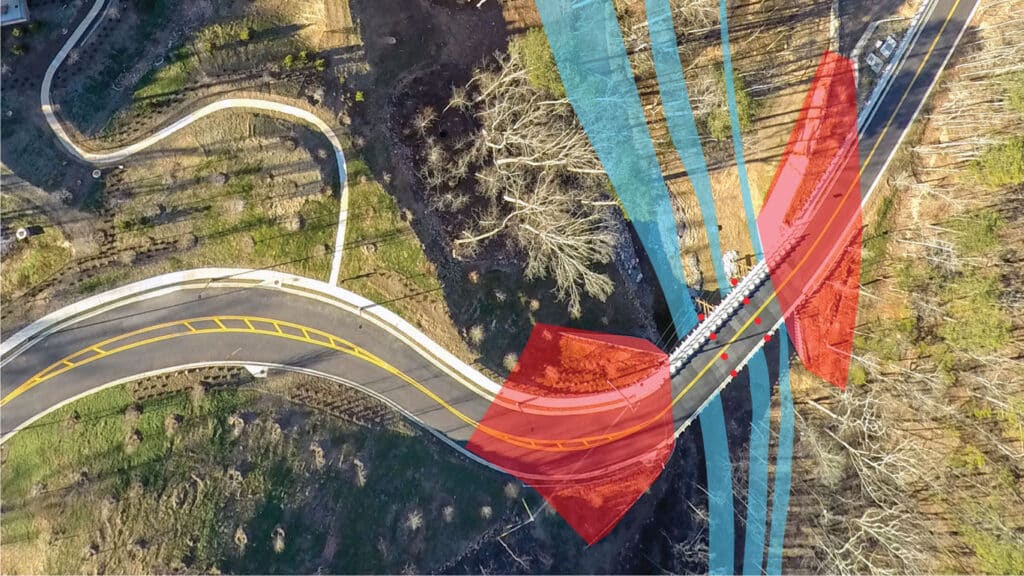
Culvert Or Bridge
If you're considering using a culvert for your crossing project. Click below to understand the best fit for your project.
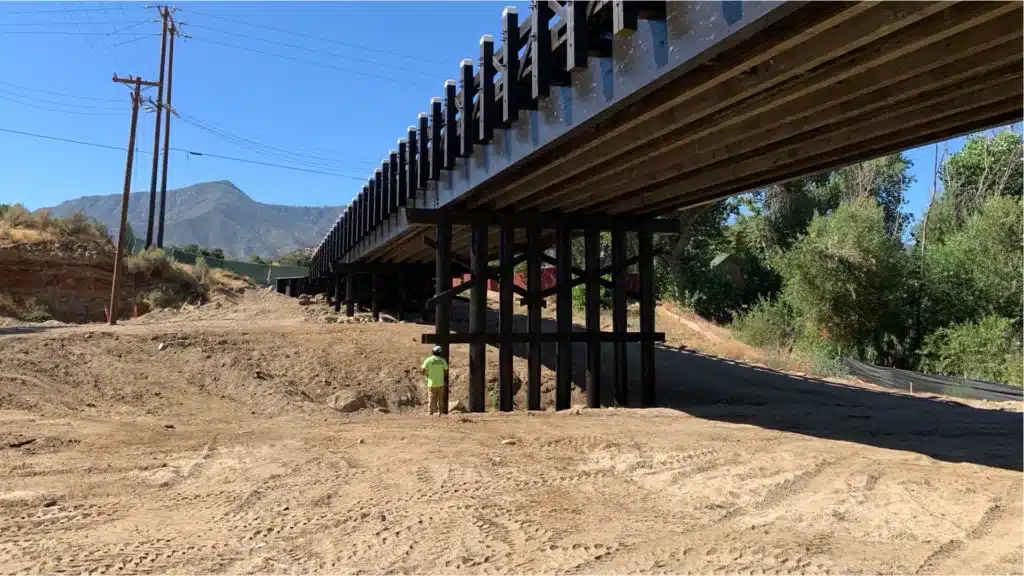
Spanning Solutions
Spanning a crossing is one of the most important aspects of your crossing project. Find the best solution for your crossing needs.
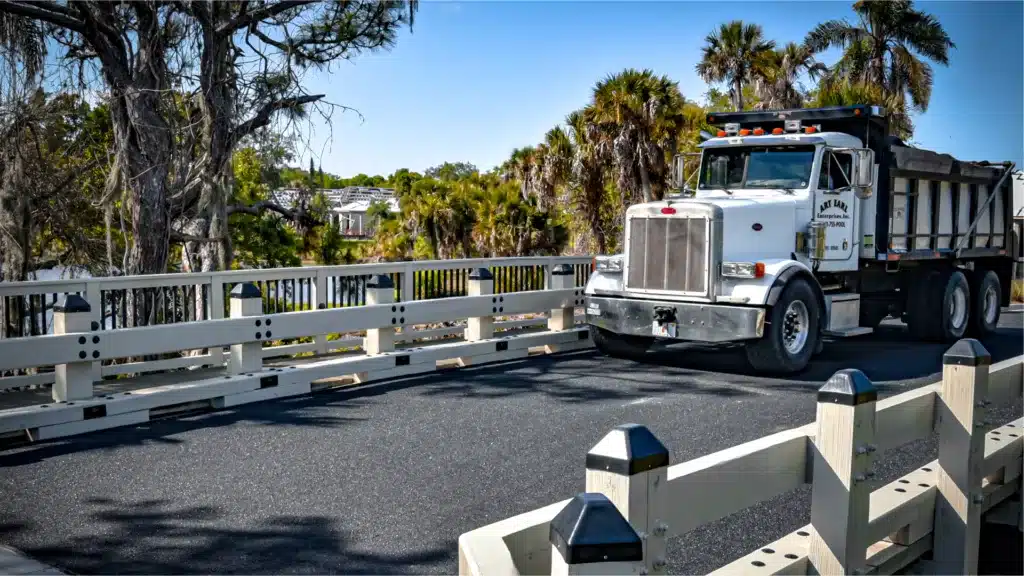
Uses & Capacities
The load capacity of a timber bridge may surprise you. See specs for different loads and uses that will help your decision-making process.