February 5, 2025
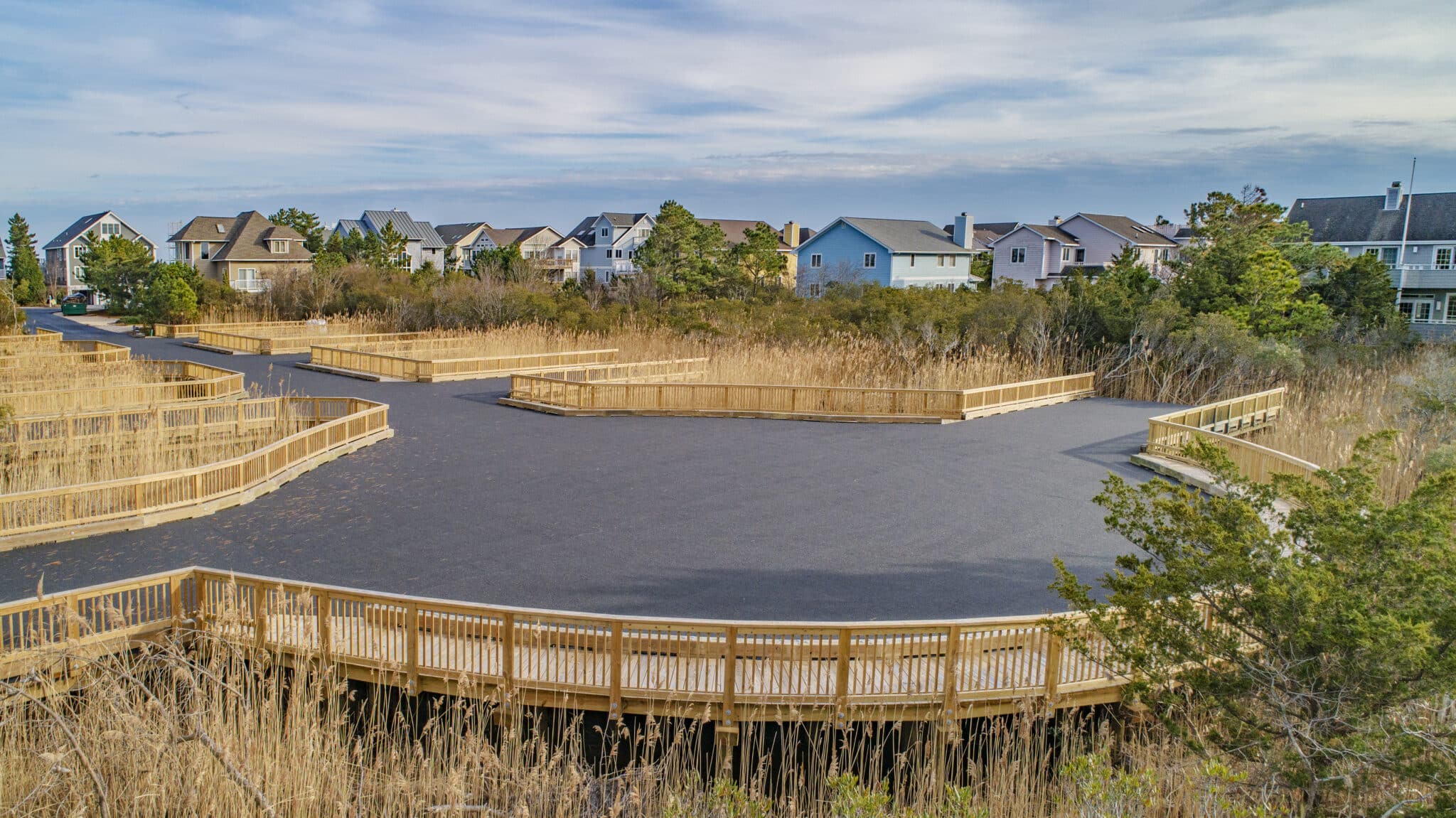
York Bridge Concepts continues to lead the industry with low-impact, regulation-compliant timber bridge and boardwalk construction, ensuring that wetlands remain preserved for future generations.


Designing a bridge is about more than spanning a physical obstacle—it requires understanding and protecting the environment it crosses. Whether traversing wetlands, floodplains, streams, rivers, coastal habitats, or protected natural areas, every project presents unique environmental considerations that influence planning, engineering, permitting, and construction.
At York Bridge Concepts, environmental stewardship is integrated into every stage of the bridge development process. For more than 40 years, we have partnered with developers, municipalities, engineers, architects, conservation organizations, and government agencies to design custom timber bridges that provide reliable access while minimizing impacts on sensitive ecosystems.
Every crossing environment has its own ecological characteristics, regulatory requirements, and engineering challenges. Careful planning helps protect natural resources while ensuring the bridge performs safely and efficiently for decades.
Common environmental factors include:
By evaluating these conditions early in the design process, bridge solutions can often reduce environmental impacts while improving long-term project performance.
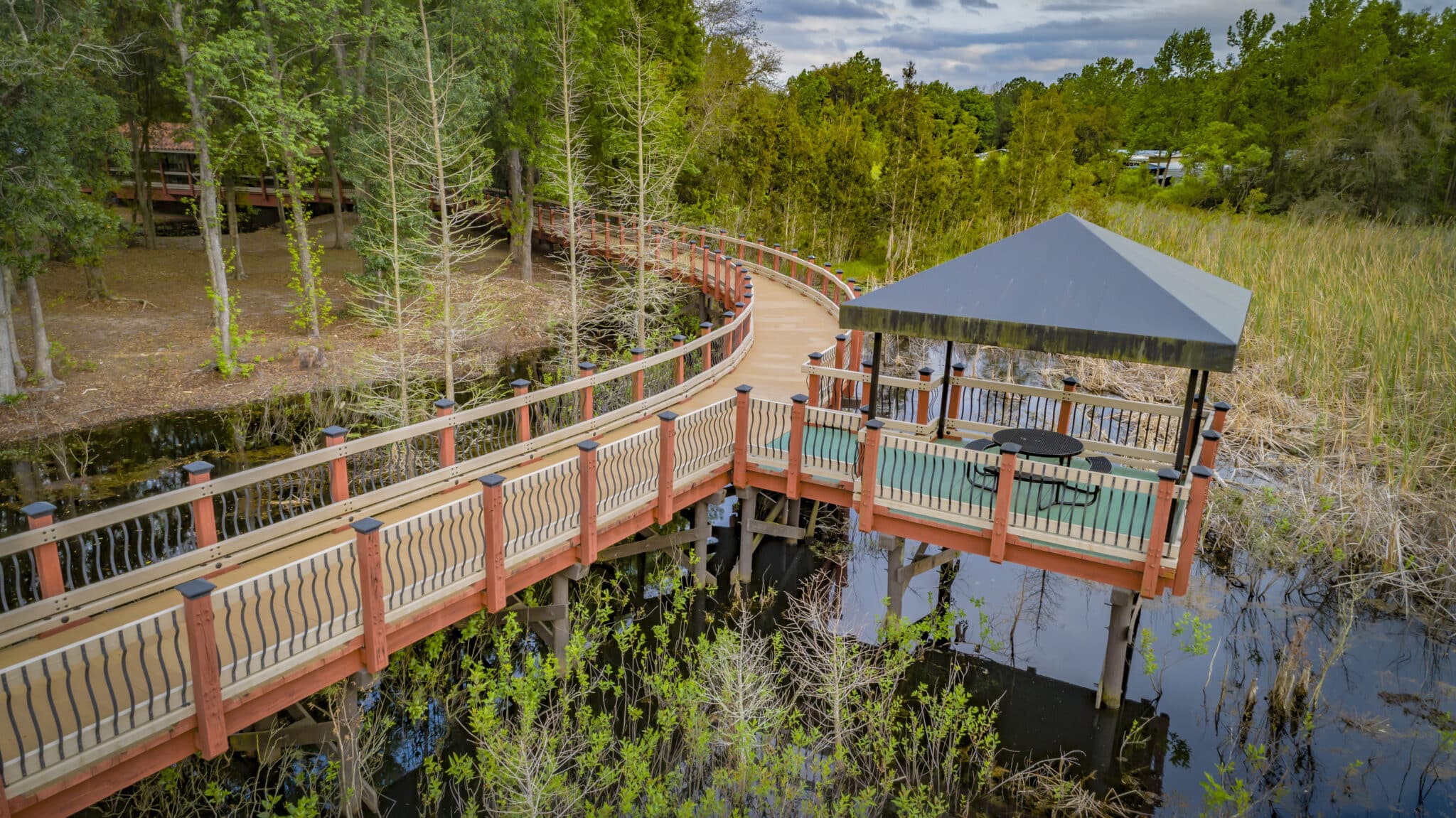
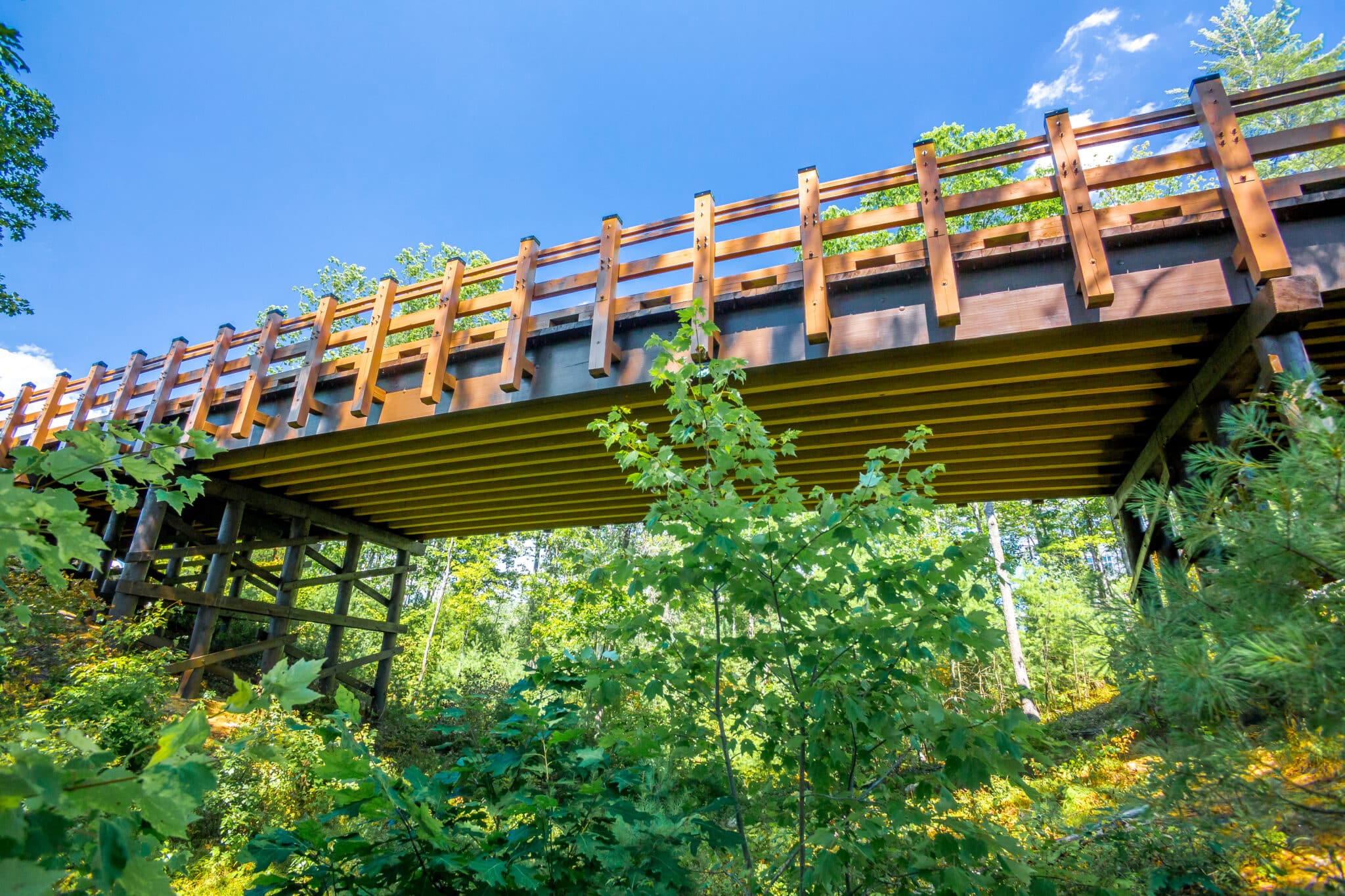
Many infrastructure projects require access through environmentally sensitive areas where traditional construction methods can create significant disturbance. York Bridge Concepts specializes in custom timber bridges that preserve the natural landscape while providing dependable pedestrian and vehicular access.
Typical crossing environments include:
Each bridge is engineered specifically for the site’s environmental conditions rather than relying on standardized designs.
One of the defining features of York Bridge Concepts is our proprietary Top-Down (Deck-Level) Construction methodology. Instead of bringing heavy equipment through wetlands or waterways, construction progresses from the completed bridge deck, allowing crews to move materials and equipment across the structure as it is built.
This approach can help:
By minimizing environmental disruption during construction, projects can better align with conservation objectives while maintaining construction efficiency.
Timber bridges offer several environmental advantages compared to many traditional infrastructure solutions.
Benefits may include:
In addition, timber acts as a carbon store throughout much of the bridge’s service life, making it an attractive option for organizations pursuing sustainability and resilience goals.
Bridge projects often require coordination with local, state, and federal agencies to ensure compliance with environmental regulations. Early consideration of site conditions and construction methods can help streamline the permitting process and reduce unnecessary project delays.
York Bridge Concepts collaborates with project teams during planning to address considerations such as:
By incorporating these factors into the bridge design, projects can often achieve both functional and environmental objectives.
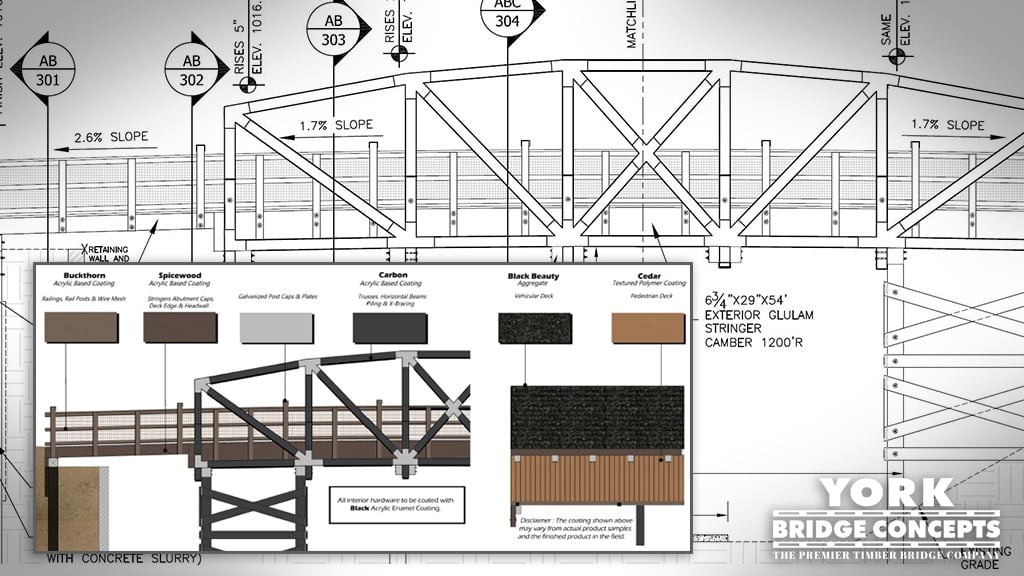
No two sites are identical. Every York Bridge Concepts bridge is custom engineered to respond to the specific characteristics of its location, including:
Whether crossing a narrow creek, expansive wetland, tidal marsh, or floodplain, each bridge is designed to fit the landscape while delivering dependable long-term performance.
Environmentally sensitive bridge solutions are commonly used for:
Timber bridges provide durable infrastructure while enhancing the natural character of these environments.
For more than four decades, York Bridge Concepts has specialized exclusively in designing and constructing custom timber bridges that respect both engineering requirements and environmental responsibility. With more than 9,000 bridges completed throughout North America, our team understands how to balance structural performance, sustainability, and site preservation.
From wetlands and floodplains to parks, waterways, and conservation areas, York Bridge Concepts delivers custom bridge solutions that connect people while protecting the landscapes they value. The company’s on-site construction techniques are specifically designed to minimize disturbance in ecologically sensitive locations, making timber bridges an effective solution for projects where environmental considerations are paramount.
This website uses cookies
We use cookies to personalise content and ads, to provide social media features and to analyse our traffic. We also share information about your use of our site with our social media, advertising and analytics partners who may combine it with other information that you’ve provided to them or that they’ve collected from your use of their services.
Cookies are small text files that can be used by websites to make a user's experience more efficient.
The law states that we can store cookies on your device if they are strictly necessary for the operation of this site. For all other types of cookies we need your permission. This means that cookies which are categorized as necessary, are processed based on GDPR Art. 6 (1) (f). All other cookies, meaning those from the categories preferences and marketing, are processed based on GDPR Art. 6 (1) (a) GDPR.
This site uses different types of cookies. Some cookies are placed by third party services that appear on our pages.
You can at any time change or withdraw your consent from the Cookie Declaration on our website.
Learn more about who we are, how you can contact us and how we process personal data in our Privacy Policy.
Please state your consent ID and date when you contact us regarding your consent.