Translucent Coated Timber Bridges

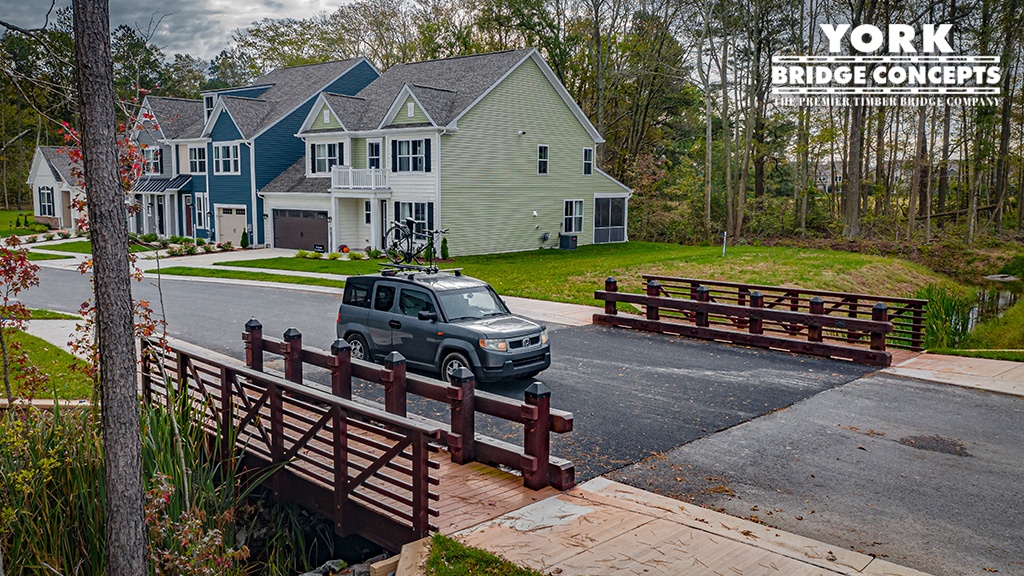
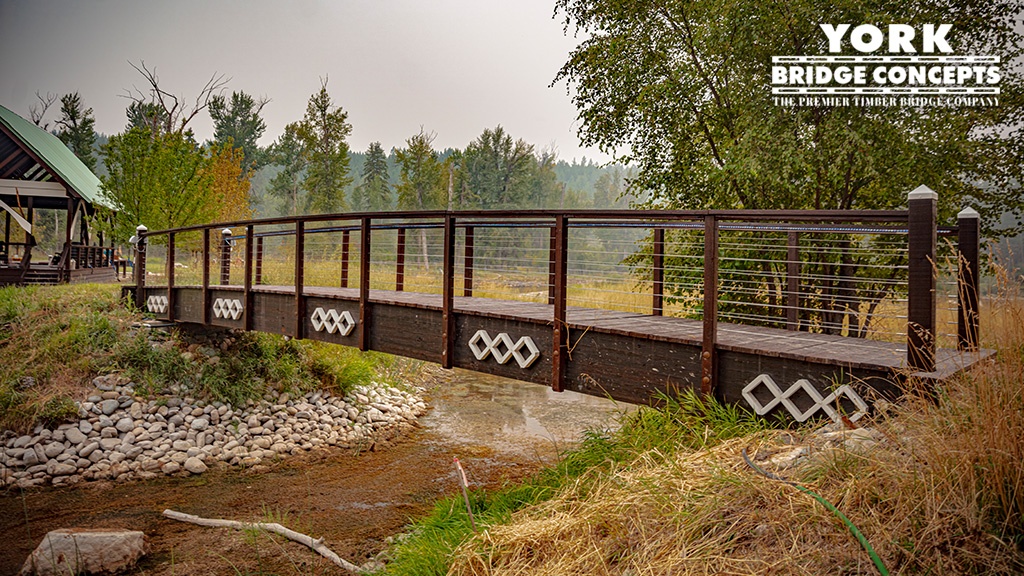
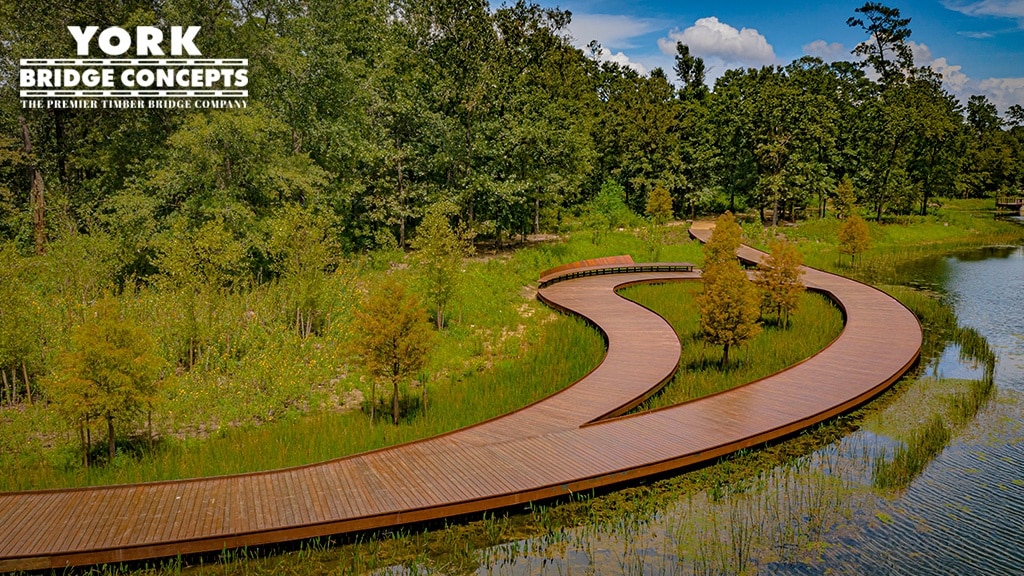
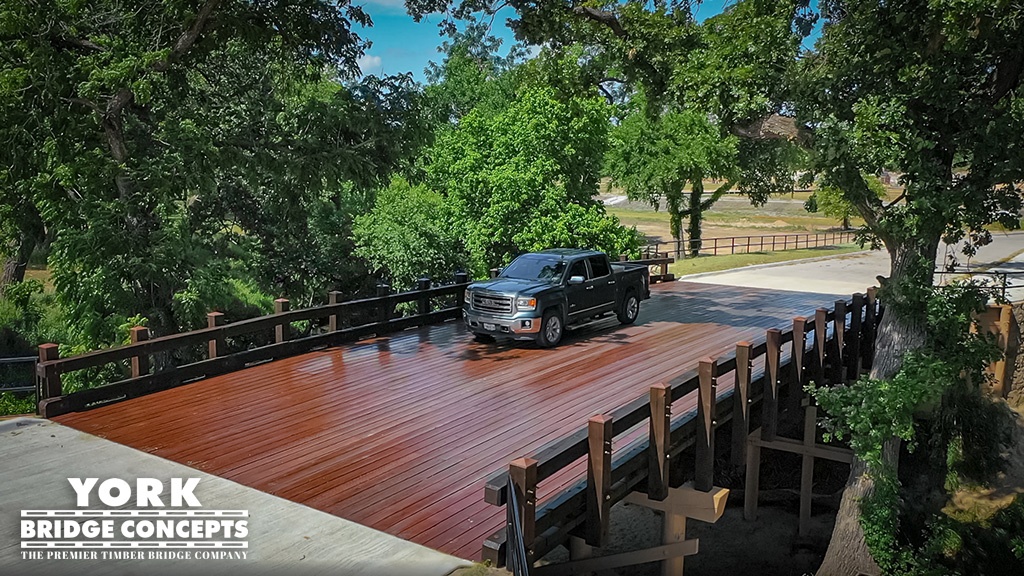
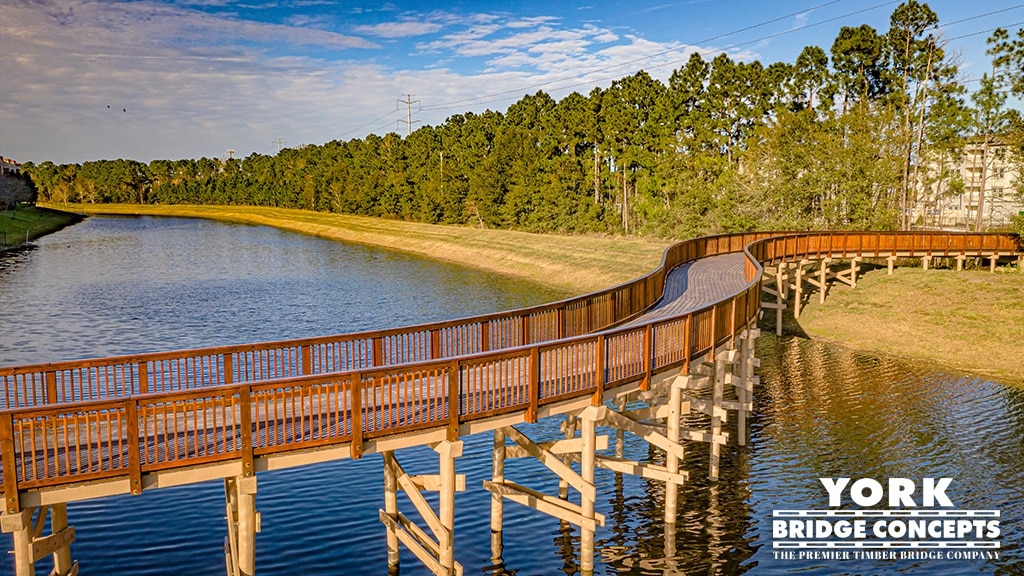
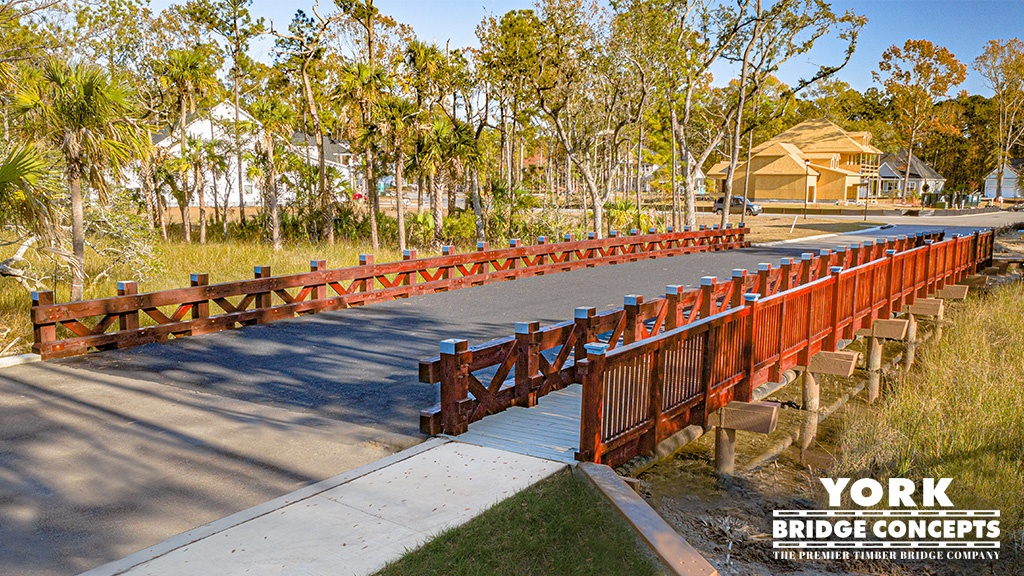
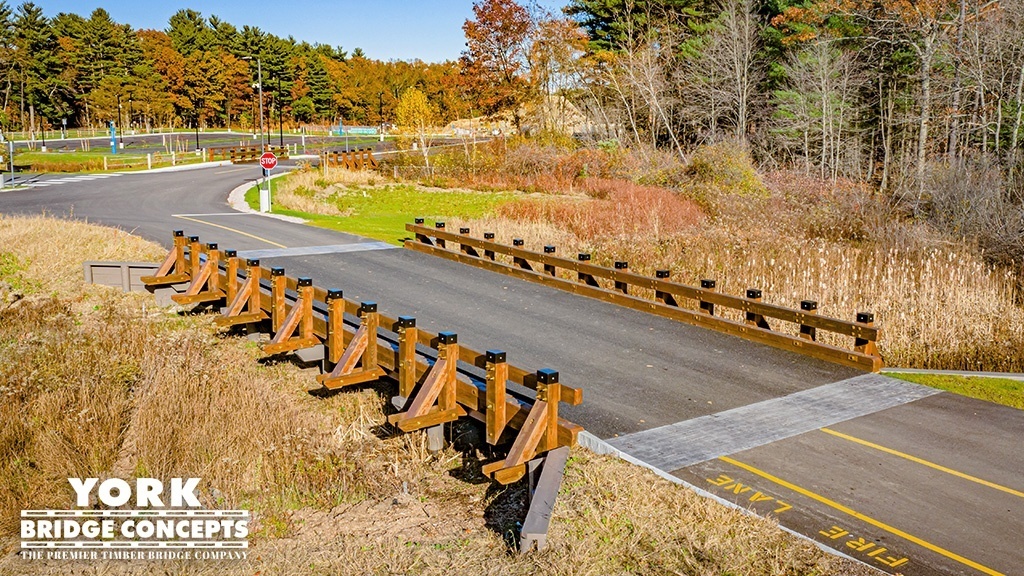
A timber bridge’s beauty begins with the natural character of the wood itself. A translucent protective coating enhances that beauty by allowing the grain, texture, and richness of the timber to remain visible while providing an additional layer of protection against weathering and environmental exposure.

At York Bridge Concepts, translucent coatings are frequently specified for projects where owners want to preserve the authentic appearance of natural timber while helping protect the bridge from moisture, ultraviolet (UV) exposure, and the effects of changing weather conditions. The result is a bridge that maintains its architectural warmth while supporting long-term performance.

What Is a Translucent Timber Coating?

Unlike opaque paints that completely conceal the wood, translucent coatings penetrate or protect the timber while allowing its natural grain, texture, and color variation to remain visible.

These finishes help showcase the craftsmanship of engineered timber while providing protection against outdoor conditions.

Depending on the project, translucent coatings may offer benefits such as:

  • Enhanced UV resistance
  • Moisture protection
  • Reduced weathering
  • Improved color retention
  • Enhanced appearance
  • Easier maintenance and refinishing
  • Long-term protection for exposed timber

The transparency of the coating highlights the unique character of each timber member, ensuring every bridge retains its distinctive natural appearance.

Preserving the Beauty of Natural Timber

Timber is selected not only for its structural performance but also for its visual appeal. A translucent coating allows owners to enjoy the warmth and texture of wood while helping protect it from the elements.

Whether the bridge utilizes Southern Yellow Pine, Douglas Fir, glulam members, or premium hardwood decking, translucent finishes help complement the natural beauty that distinguishes timber bridges from steel or concrete structures.

The result is infrastructure that blends naturally into parks, residential communities, campuses, golf courses, resorts, and waterfront developments.

Protection for Long-Term Performance

Outdoor structures are continually exposed to sunlight, rain, humidity, and seasonal temperature fluctuations. Protective coatings play an important role in extending the service life and appearance of timber bridge components.

Properly maintained translucent finishes can help:

  • Reduce moisture intrusion
  • Minimize surface checking and weathering
  • Slow UV-related color fading
  • Protect exposed timber surfaces
  • Preserve architectural aesthetics
  • Support long-term maintenance programs

Combined with routine inspections and scheduled maintenance, protective coating systems help maximize the life-cycle value of custom timber bridges. Timber bridges benefit from periodic inspection and maintenance programs to ensure finishes continue to protect the structure as intended.

Custom Finishes for Every Project

Every York Bridge Concepts bridge is custom designed, and the finish is selected to complement the surrounding environment and architectural vision.

Translucent coatings are commonly used for:

  • Pedestrian bridges
  • Vehicular bridges
  • Covered bridges
  • Boardwalks
  • Park bridges
  • Golf course bridges
  • Residential community entrances
  • University campuses
  • Resorts
  • Mixed-use developments

Available finish selections may include a range of natural wood tones that enhance the appearance of the timber while maintaining its authentic character.

Engineered Beyond the Finish

While protective coatings contribute to long-term durability, they represent just one component of a complete bridge system. Every York Bridge Concepts bridge is engineered to address:

  • Structural loading requirements
  • Environmental conditions
  • Site topography
  • Span length
  • Material selection
  • Drainage considerations
  • Accessibility requirements
  • Long-term maintenance planning

This integrated approach ensures that aesthetics and performance work together throughout the life of the bridge.

Sustainable Timber Infrastructure

Timber bridges provide a sustainable infrastructure solution by utilizing renewable building materials while naturally complementing surrounding landscapes. When paired with durable protective finishes and York Bridge Concepts’ proprietary Top-Down (Deck-Level) Construction™ methodology, projects can reduce environmental disturbance during construction while supporting long-term performance.

This approach helps preserve wetlands, waterways, and sensitive habitats while delivering infrastructure designed for decades of dependable service.

Why Choose York Bridge Concepts?

For more than 40 years, York Bridge Concepts has specialized exclusively in custom timber bridge engineering and construction. With more than 9,000 bridges completed throughout North America, our team understands that long-term performance depends on more than structural engineering—it also requires thoughtful material selection, protective finishes, and ongoing maintenance planning.

Whether your project calls for a translucent protective coating, premium hardwood decking, decorative architectural details, or a fully customized bridge solution, York Bridge Concepts delivers structures that combine natural beauty, engineering excellence, and lasting durability.

October 4, 2021

Southside Park Vehicular & Pedestrian Bridges – New Philadelphia, OH

Discover how York Bridge Concepts enhanced Southside Park in New Philadelphia, OH, with sustainable timber vehicular & pedestrian bridges.
December 2, 2020

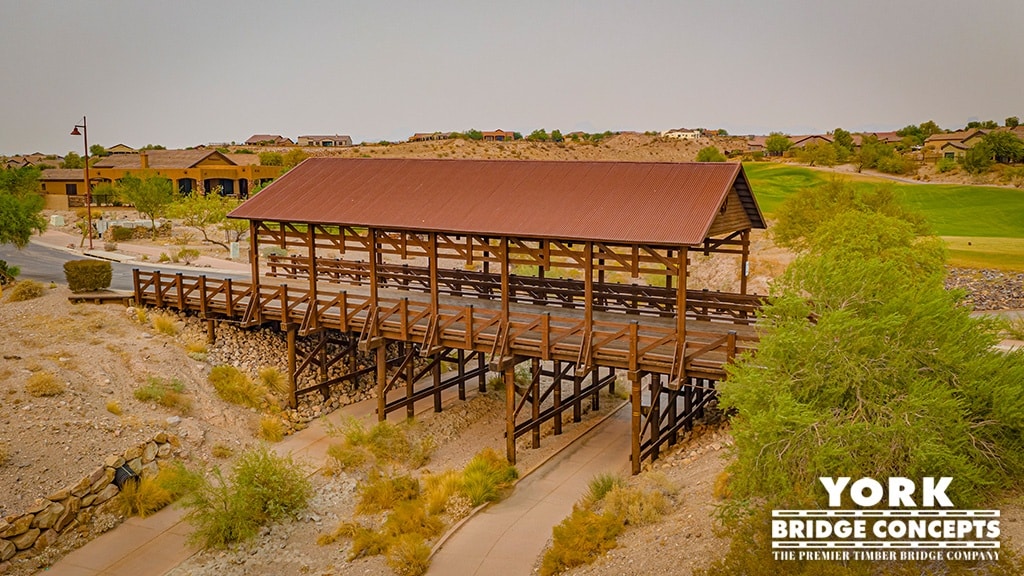
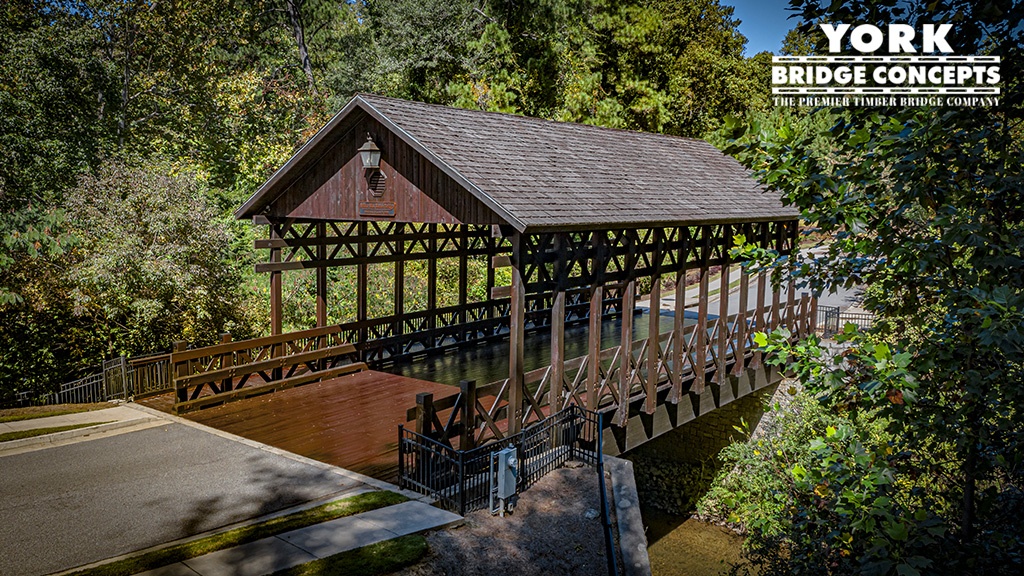
Laughlin Ranch Covered Vehicular Bridges – Bullhead City, AZ

View images & specs of this project.
November 16, 2020

Southcliff Residential Community Vehicular & Pedestrian Bridge – Asheville, NC
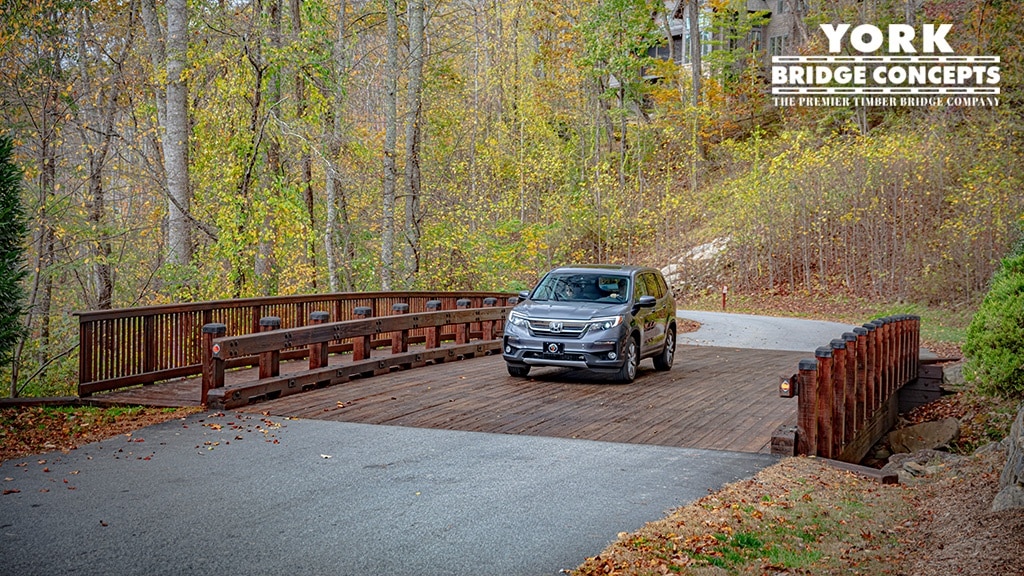
Nestled in the scenic hills of Asheville, North Carolina, Southcliff is a unique residential community known for its commitment to nature conservation and luxurious living. With a focus on preserving the natural landscape, Southcliff offers its residents the best of both worlds—a peaceful, nature-centric environment and modern conveniences. As the community expanded, it required enhanced infrastructure that complemented its aesthetic and functional needs.