

December 14, 2022
Eco-Tourism Bridges
Eco-tourism is built on a simple principle: provide meaningful access to nature while preserving the landscapes that make those destinations special. Whether guiding visitors through wetlands, forests, wildlife refuges, coastal environments, or mountain parks, custom timber bridges and boardwalks help create memorable outdoor experiences without compromising environmental integrity.
For more than 40 years, York Bridge Concepts (YBC) has partnered with park systems, conservation organizations, municipalities, resorts, and developers to design and construct sustainable timber bridges for eco-tourism destinations throughout North America. Through our integrated Decero™ Design-Engineer-Build process and proprietary Deck-Level (Top-Down) Construction methodology, we create infrastructure that enhances visitor access while minimizing impacts on sensitive ecosystems. Eco-tourism bridge projects often include elevated boardwalks, pedestrian bridges, wildlife observation platforms, and trail crossings that allow visitors to experience nature responsibly.
What Are Eco-Tourism Bridges?
Eco-tourism bridges are designed to connect people with nature while protecting the surrounding environment. Unlike traditional infrastructure that may require significant grading or site disturbance, these structures are engineered to preserve natural landscapes and reduce long-term ecological impacts.
Eco-tourism bridges are commonly used in:
- Nature preserves
- National and state parks
- Wildlife refuges
- Botanical gardens
- Coastal environments
- Wetlands
- Forest trail systems
- Mountain recreation areas
- Environmental education centers
- Birdwatching destinations
- Riverwalks
- Conservation developments
Rather than becoming intrusive structures, timber bridges blend naturally into the landscape, enhancing the visitor experience while protecting fragile ecosystems.
Sustainable Bridge Design for Natural Environments
Every eco-tourism destination presents unique environmental challenges.
Before engineering begins, YBC evaluates factors including:
- Existing vegetation
- Wildlife habitat
- Wetland boundaries
- Hydrology
- Flood elevations
- Soil conditions
- Visitor circulation
- Environmental permitting
- Long-term maintenance requirements
This site-specific approach allows every bridge to complement its surroundings while supporting responsible environmental stewardship.
Protecting Sensitive Ecosystems
Many eco-tourism projects are located within environmentally protected areas where conventional construction methods can damage valuable natural resources.
YBC’s proprietary Deck-Level (Top-Down) Construction methodology significantly reduces environmental disturbance by allowing construction crews to progressively build from the completed bridge deck.
This innovative process helps minimize:
- Wetland impacts
- Soil compaction
- Vegetation removal
- Temporary construction access roads
- Habitat disruption
- Shoreline disturbance
By reducing construction impacts, projects can better preserve the ecosystems visitors come to experience.
Timber Bridges That Blend into the Landscape
Timber has long been one of the preferred materials for eco-tourism infrastructure because of its natural appearance and environmental benefits.
Compared to exposed concrete or steel, timber bridges:
- Blend into forests and parks
- Complement natural landscapes
- Reduce visual impact
- Support sustainable development goals
- Store carbon throughout their service life
- Utilize renewable building materials
This makes timber particularly well suited for destinations where preserving scenic beauty is as important as providing access.
Boardwalks for Wetlands and Wildlife Habitats
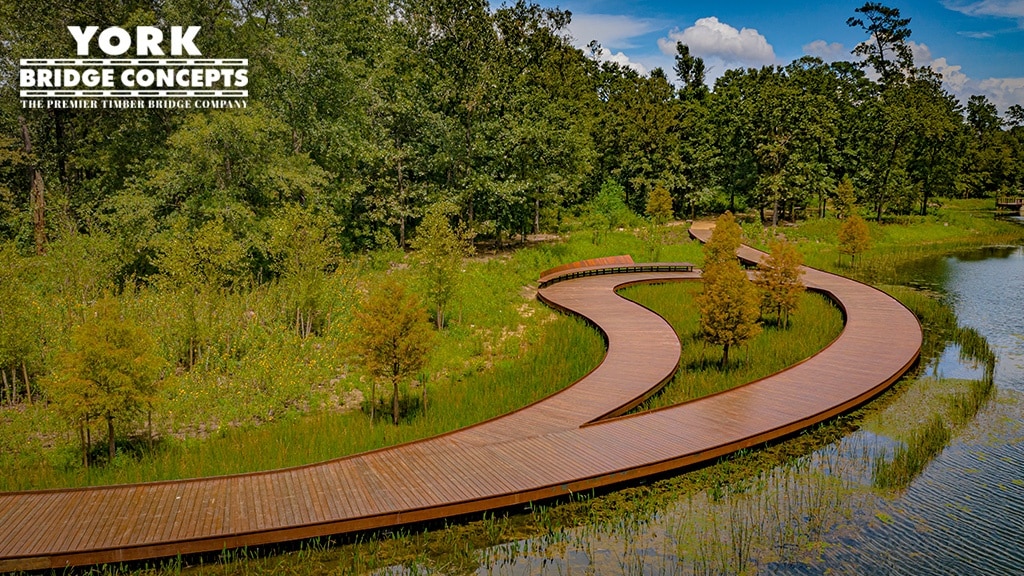
Elevated boardwalks allow visitors to experience sensitive environments without disturbing the ecosystems below.
Applications include:
- Marsh crossings
- Coastal wetlands
- Mangrove habitats
- Floodplains
- River corridors
- Lakeshores
- Bird nesting areas
- Native grasslands
- Forest ecosystems
By elevating pedestrian traffic, boardwalks help preserve natural water movement, protect root systems, reduce erosion, and minimize habitat fragmentation.
Pedestrian Bridges for Nature Trails
Many eco-tourism destinations rely on trail systems that cross streams, ravines, or protected habitats.
Custom timber pedestrian bridges help connect trail networks while improving safety and accessibility.
Common applications include:
- Hiking trails
- Multi-use paths
- Greenways
- Conservation easements
- Mountain trails
- Environmental education campuses
- Botanical gardens
- Adventure parks
Each bridge is engineered for the anticipated pedestrian loads while complementing the surrounding landscape.
Wildlife Observation Platforms and Scenic Overlooks
Many eco-tourism destinations incorporate elevated viewing areas that encourage visitors to engage with nature.
YBC designs structures that may include:
- Wildlife observation decks
- Birdwatching platforms
- Scenic overlooks
- Educational gathering spaces
- Fishing platforms
- Photography areas
- Interpretive exhibits
- Rest areas
These amenities create memorable visitor experiences while concentrating foot traffic in carefully planned locations.
Sustainable Materials for Long-Term Performance
Eco-tourism infrastructure must withstand demanding environmental conditions while requiring minimal maintenance.
YBC offers material options including:
- Southern Yellow Pine
- Douglas Fir
- Engineered glulam members
- Composite decking
- Tropical hardwood decking
- Recycled Plastic Lumber (RPL)
- Corrosion-resistant hardware
- Advanced protective coating systems
Material selection is based on climate, expected traffic, environmental exposure, maintenance goals, and project aesthetics.
Supporting Conservation Through Infrastructure
Well-designed bridges do more than improve access—they support long-term conservation goals.
Eco-tourism bridges can help:
- Protect wetlands
- Preserve wildlife habitat
- Reduce erosion
- Maintain natural drainage patterns
- Limit off-trail impacts
- Encourage environmental education
- Improve visitor safety
- Promote responsible recreation
When thoughtfully integrated into natural settings, these structures become part of the conservation strategy rather than an obstacle to it.
Applications Across Eco-Tourism Destinations
York Bridge Concepts has experience supporting a wide range of eco-tourism projects, including:
- State parks
- National parks
- Nature preserves
- Wildlife refuges
- Greenway systems
- Riverwalks
- Botanical gardens
- Environmental learning centers
- Coastal recreation areas
- Resort communities
- Conservation developments
- Public park systems
Every project is designed to balance visitor accessibility with environmental protection.
Why Choose York Bridge Concepts?
Since 1985, York Bridge Concepts has specialized exclusively in custom timber bridge systems.
Our integrated Decero™ Design-Engineer-Build process includes:
- Site evaluation
- Environmental coordination
- Structural engineering
- Custom bridge design
- Material selection
- On-site construction
- Quality assurance
- Long-term bridge maintenance support
With more than 9,000 bridges completed, YBC has become a trusted partner for organizations seeking infrastructure that supports conservation, sustainability, and exceptional visitor experiences.
Whether you’re creating a wildlife refuge, expanding a state park, developing a nature-based resort, or connecting trails through protected landscapes, York Bridge Concepts designs eco-tourism bridges that help people experience nature while preserving it for future generations.
- All
- Alabama
- Architectural-Design
- Arizona
- Avenue Collection
- Boardwalks
- Bridge Education
- Bridge Types
- California
- Case Study
- Classic
- Colorado
- Commercial Bridges
- Community Designed Projects
- Connecticut
- Construction Techniques for Wood Bridges
- Contemporary Series
- Covered Bridges
- Culvert vs Bridge
- Delaware
- Eco-Tourism Bridges
- Environmental Benefits of Wooden Bridges
- Environmental Mitigation
- Extreme Grades
- Featured
- Floodplain
- Florida
- Free Span Bridge
- Georgia
- Golf Cart Bridge Designs
- Golf Cart Bridges
- Idaho
- Illinois
- International
- Lakes
- Locations
- Louisiana
- Maine
- Maryland
- Massachusetts
- Master Planned Community
- Michigan
- Missouri
- Mixed-Use Development
- Montana
- Multiple Crossings
- Multiple Span
- New Hampshire
- New Jersey
- New York
- North Carolina
- Ohio
- Oklahoma
- Overpasses
- Pedestrian Bridge Designs
- Pedestrian Bridges
- Pennsylvania
- Popular Articles
- Prefabricated Bridges For Sale
- Private Collection
- Repetitive Span
- Retail Developments
- Short Span Timber Bridges
- South Carolina
- Span Types
- Streams
- Tennessee
- Texas
- The LiNK
- Timber Bridge Designs
- Timber vs Steel
- Types of Wood Bridges
- Uncategorized
- Vehicular Bridge Designs
- Vehicular Bridges
- Virginia
- Waterside Collection
- West Virginia
- Wetland Conservation Conservation Bridges
August 5, 2022
February 16, 2022
December 13, 2021
View images and specs of this project.
October 4, 2021
View images, specs, & video of this project.
September 24, 2020
June 23, 2020
June 18, 2020
View images, video, and specs of this project.
January 30, 2020
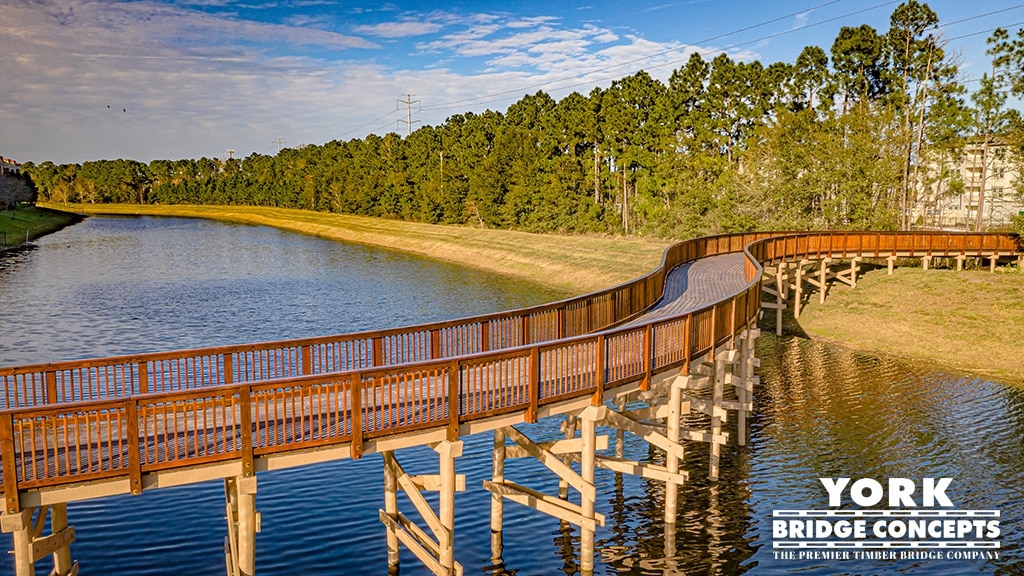


Discover the Legacy Series timber pedestrian bridge at Oasis at Town Center in Jacksonville, FL—crafted for connection and beauty.